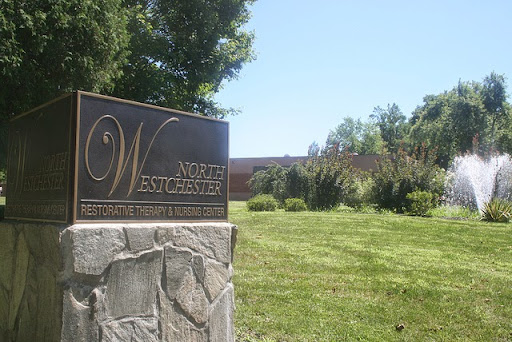
North Westchester Restorative Therapy & Nursing Center in Mohegan Lake, NY
SaveInformation last verified:
3550 Lexington Avenue, Mohegan Lake, NY 10547
For more information about senior living options: (844) 490-3973
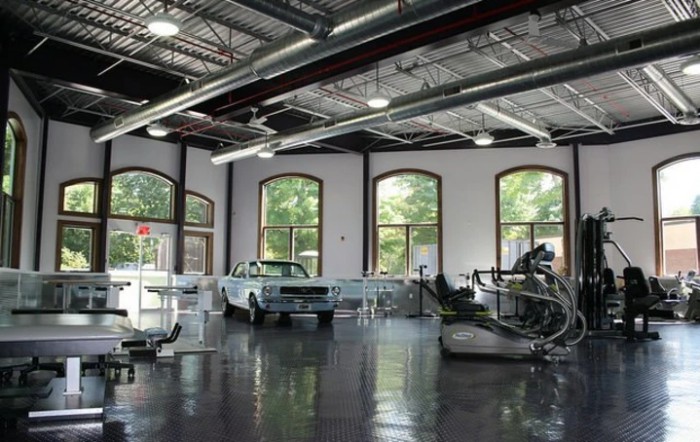
North Westchester Restorative Therapy & Nursing Center in Mohegan Lake is best suited for families seeking a rehab-forward environment where skilled therapists, attentive nursing, and a warm, community-oriented atmosphere catalyze functional recovery. The center repeatedly shines as a short-term post-acute option for hip or knee surgeries, strokes, brain injuries, and other complex rehabilitative needs, with physical, occupational, and speech therapy described as strong and daily in many cases. Families that value an on-site bakery, engaging activities, and the sense that staff truly know residents by name will find this locale especially appealing. This is not simply a place to linger through a medical recovery; it is a campus-like setting designed to motivate progress through structured therapy, daily routines, and visible camaraderie among residents and caregivers. Those who prioritize consistent, flawless nursing oversight, or whose decision hinges on uniformly seamless communication with families, may want to weigh other options more closely.
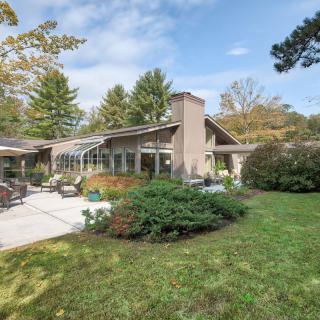
The strongest argument in favor of North Westchester rests on the rehab engine that powers outcomes and the relational warmth of many caregiving teams. Numerous reviews praise the therapy department for its seasoned therapists, practical plans, and measurable gains, patients walking again after PT programs, and families reporting clearer progress and restored independence. The nursing and medical staff are repeatedly described as compassionate, professional, and responsive, with many family members feeling that their loved ones are treated with respect and humanity. The facility’s cleanliness, the on-site bakery, the outdoor patio, and a broad menu with dietary accommodations contribute to a humane, hopeful atmosphere that supports recovery beyond mere clinical care. For families seeking a place where therapy is prioritized and residents are treated like family, the positives often feel tangible and durable.
However, the experience at this center is not uniformly positive, and caution is warranted. A sizable cluster of reviews highlights significant concerns around communication gaps, inconsistent responsiveness, and perceived gaps in basic caregiving. Some families report long wait times for assistance with bathrooms, missed or delayed calls, and frustrations with social workers or administrators who seem difficult to reach. Billing friction and administrative missteps recurred in some accounts, leaving families frustrated and anxious about charges and paperwork. There are also recurring, troubling anecdotes about perceived neglect, safety lapses, and inconsistent adherence to care plans, even in cases involving serious medical conditions. While these accounts are not universal, they are persistent enough to demand a careful, proactive approach from prospective residents and their advocates.
Taken as a whole, the pros can offset the cons for families who are present and actively involved in the care process. The rehab department’s strength, coupled with attentive nursing when it functions smoothly, often translates into real functional gains and faster return-to-home trajectories. The sense of continuity, with staff who remember residents and a culture of personal attention, can soften the daily stresses of rehab. Amenities such as the bakery and well-curated activities create social engagement that helps mood, cognition, and motivation, which in turn supports therapy adherence. Importantly, the center’s ability to tailor programs for neuro, bariatric, and complex orthopedic recoveries gives it a distinctive niche for patients whose progress depends on a robust interdisciplinary approach. For families who can monitor care and reinforce goals, this setting can deliver meaningful outcomes.
Nevertheless, those weighing alternatives should weigh several red flags. If the primary need is unwavering, openly communicative nursing oversight with predictable, 24/7 responsiveness, consider facilities with sterling track records for patient-to-nurse ratios and family-centered communication. Some reviewers describe environments that feel understaffed, quiet on weekends, or prone to bottlenecks in social work and administration. Structural issues, ranging from room condition to heat or cleanliness complaints, also appear in some reports, alongside severe cautions from families who encountered delays in essential care and questionable reactions to urgent medical concerns. In short, the facility can excel in rehabilitation and kindness, but the risk of inconsistent execution across shifts and departments means that alternatives may be a safer fit for certain families.
Decision-wise, this center makes the most sense for families who value a rehab-first philosophy and are prepared to engage actively with the care team. If the loved one’s recovery hinges on intensive therapy and a facility that supports daily progress, North Westchester can be a strong match, provided the family is vigilant about communication channels, sets explicit expectations with leadership, and pursues a clear discharge plan from the outset. For those whose criteria include uniformly transparent communication, predictable response times, and guaranteed nursing oversight, especially for frail residents with complex medical needs, exploration of additional options is prudent. The center’s strengths and its occasional shortcomings mean that the right choice hinges on aligning personal risk tolerance with the patient’s rehabilitative priorities and the family’s capacity to stay closely involved.
Practical steps for families evaluating North Westchester: visit with a concrete agenda that includes time to observe therapy sessions, tour patient rooms, and meet the care team on the floor where the loved one would reside. Ask to see patient-to-staff ratios, the schedule of daily therapies, and the process for escalating concerns to administration. Review the most recent state inspections and any open complaints, and request direct conversation with the social worker assigned to the patient’s case to gauge responsiveness. Have candid discussions about nutrition, medication management, and discharge planning, including home-care supports and equipment. If possible, arrange a short-term trial or extended observation to assess how well the staff implements care plans in real time. When rehab is the priority and proactive family engagement is feasible, North Westchester can deliver meaningful recovery, but it requires diligent oversight to mitigate its variability.
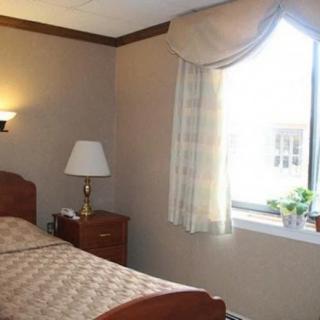
The North Westchester Restorative Therapy & Nursing Center in Mohegan Lake, NY offers a wide range of amenities and care services for seniors in need of assisted living. Residents at this community can enjoy the convenience and comfort of a beauty salon, cable or satellite TV, and fully furnished accommodations. The center also provides community-operated transportation to assist residents with their mobility needs. For those needing computer access, there is a dedicated computer center available.
Meals are served in a spacious dining room with restaurant-style dining, and special dietary restrictions can be accommodated. Housekeeping services ensure that residents' living spaces remain clean and tidy. There is also a kitchenette available for residents who prefer to prepare their meals independently.
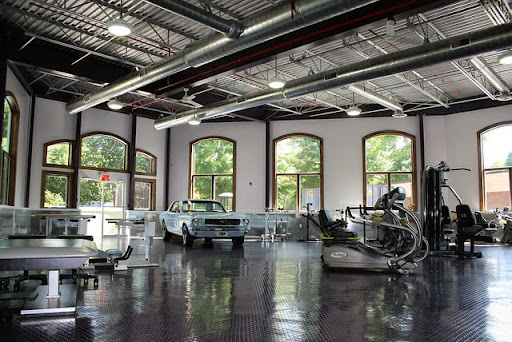
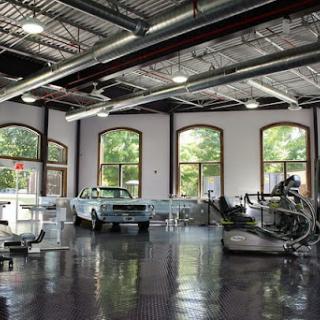
To promote physical wellness, the community offers a fitness room and outdoor space for exercise and relaxation. For mental stimulation and entertainment, there is a gaming room, small library, and resident-run activities planned regularly. Wi-Fi/high-speed internet is available throughout the facility.
For care services, the North Westchester Restorative Therapy & Nursing Center provides 24-hour call systems and supervision to ensure residents' safety. Staff members assist with daily activities such as bathing, dressing, and transfers. Medication management and meal preparation are also provided for residents with specific health needs or dietary restrictions related to diabetes or other conditions.
Transportation arrangements can be made for non-medical purposes as well as transportation to doctors' appointments when needed. A wellness center is available on-site to support residents' overall well-being.
In addition to its extensive amenities and care services, the location of this assisted living community offers several nearby amenities including two cafes, one park, four pharmacies, seven physicians' offices, four restaurants, one transportation service nearby, as well as being located close to one hospital. Overall, the North Westchester Restorative Therapy & Nursing Center provides a comprehensive array of amenities and care services to enhance the quality of life for its senior residents.
Located in Mohegan Lake, New York, this area offers convenient access to a variety of essential services for senior living. With multiple pharmacies such as CVS and Walmart, as well as healthcare providers like ENT and Allergy Associates and the Hudson Valley Hospital Center nearby, residents can easily access medical care and medications. There are also several restaurants to choose from, including fast-food options like McDonald's and sit-down establishments like Birdsall House and Chili's Grill & Bar. For those looking to relax or enjoy nature, there are parks like Bear Mountain State Park and Chelsea Park within a short distance. Additionally, transportation options such as Metro North train stations are available for easy travel around the area. Overall, this part of Mohegan Lake offers a mix of convenience and amenities that make it a great option for seniors looking for a comfortable place to call home.
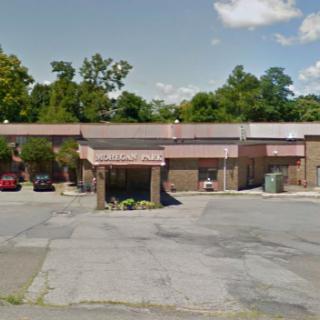
North Westchester Restorative Therapy & Nursing Center is located at 3550 Lexington Avenue, Mohegan Lake, NY 10547 in Westchester County, New York
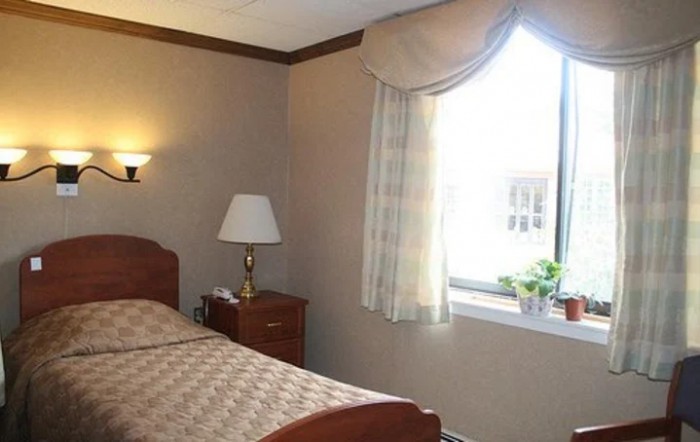
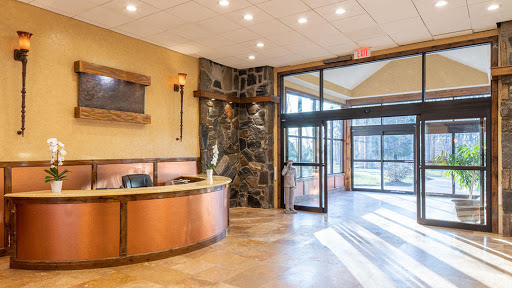
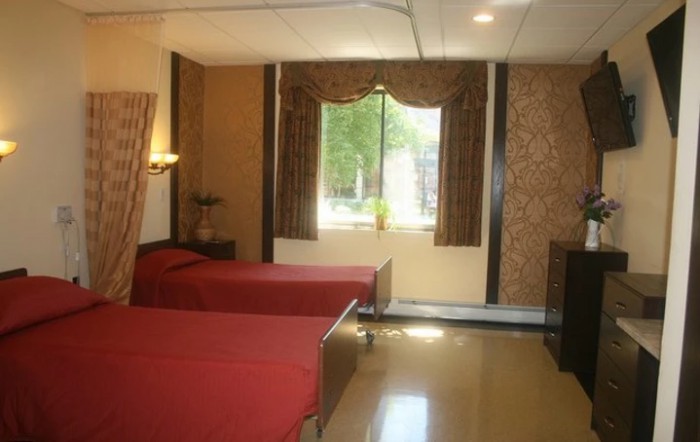
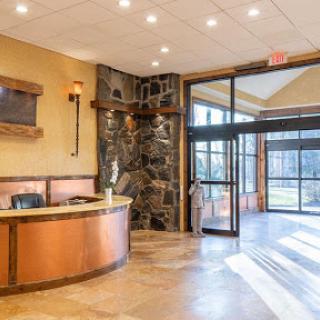
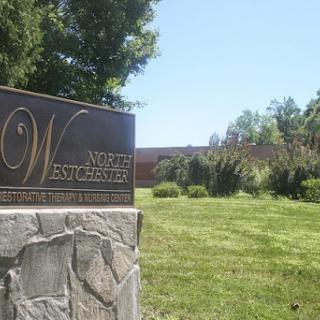
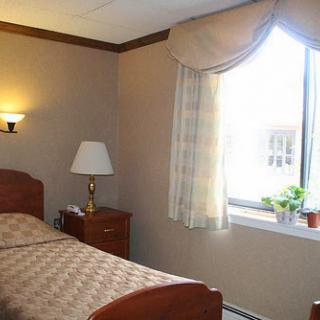
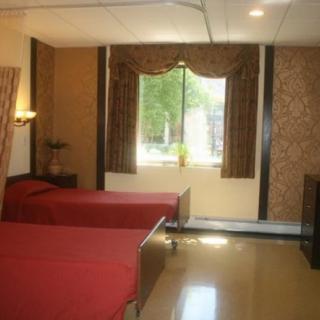
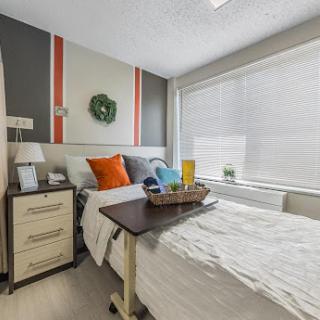
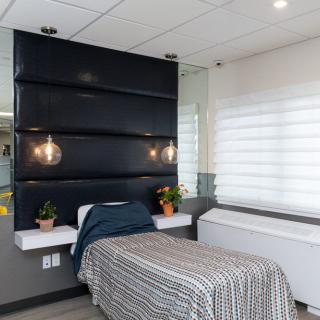
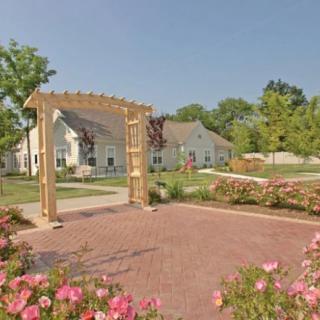
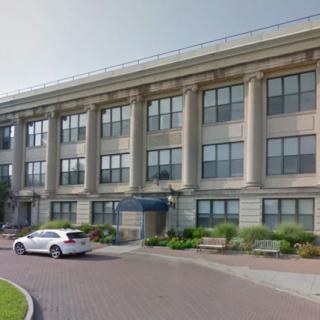
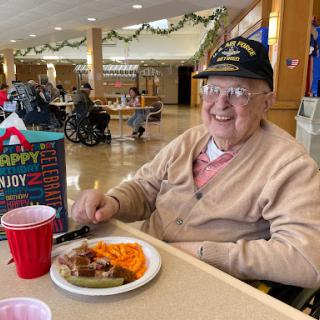
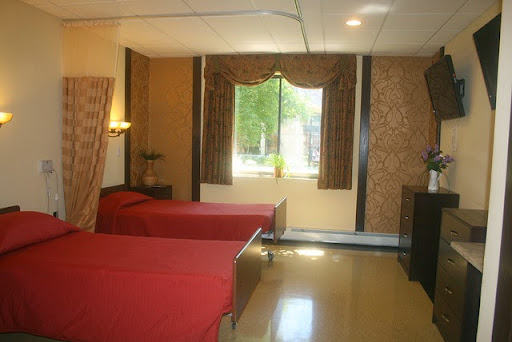
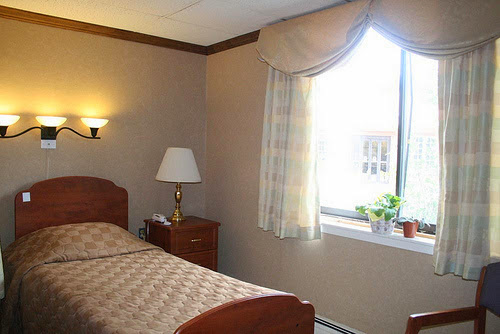
North Westchester Restorative Therapy & Nursing Center on seniors.fyi includes 9 photos including images showing bedroom, windows, interior, landscaping, outdoor, parking, plant, healthcare, and more.
Exploring Palliative Care in the Home: A Comprehensive Overview

Palliative care enhances the quality of life for seriously ill patients by providing comprehensive support at home through a multidisciplinary team, addressing various needs and prioritizing comfort over curative treatments. While it offers personalized care and involves family in decision-making, challenges like caregiver stress and logistical issues persist, with growing demand prompting advancements in technology and healthcare policies to improve access.
Comprehensive Insights into Palliative Home Care: What It Is and What to Expect
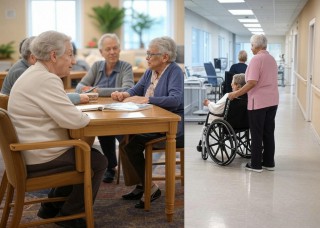
Palliative home care focuses on improving the quality of life for individuals with serious illnesses by providing comfort, symptom management, and emotional support in their own homes. This approach includes personalized care plans, regular assessments, and resources for family caregivers, all while prioritizing person-centered treatment that aligns with patients' goals.
Skilled Nursing Facilities vs. Nursing Homes: Making Sense of the Differences
Skilled nursing facilities (SNFs) provide high-level medical care and rehabilitation for short-term recovery, typically covered by Medicare after hospitalization, while nursing homes focus on ongoing custodial care for chronic conditions, mainly funded by Medicaid or private payments. The staffing and regulatory structures differ significantly between the two, necessitating clarity for families in choosing appropriate long-term care options.