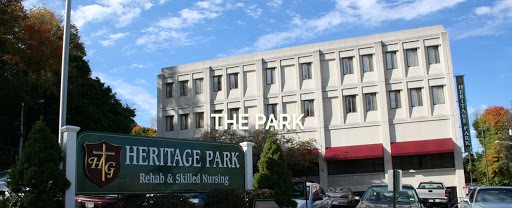
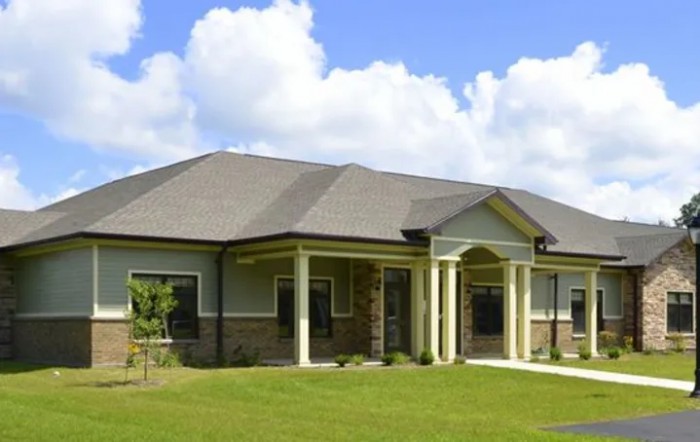
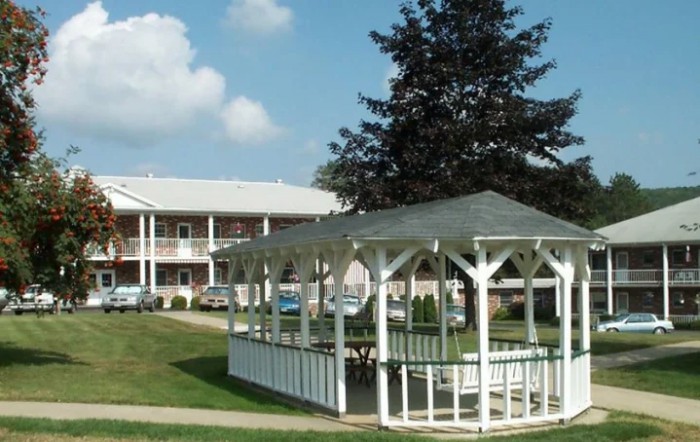
150 Prather Avenue, Jamestown, NY 14701
For more information about senior living options: (866) 208-4318
Overall Review of Heritage Park Rehab & Skilled Nursing
Pros
 He seems to be enjoying his stay at Heritage Park.
- The staff have been very helpful and friendly.
- They moved quickly to get him in and were flexible in getting him situated.
- He seems very happy.
- He is eating well.
- Heritage Park is recommended.
- They have had a good experience so far.
Review
Heritage Park Rehab & Skilled Nursing in Jamestown, NY is best suited for older adults transitioning from hospitalization to recovery who need a brief, structured rehabilitation stay and for families that value a smooth, fast admission process and a warm, person-centered staff response. The 20-day rehab focus evident in the available account suggests this facility excels at quickly moving residents from hospital to comfortable, supportive recovery. The environment, based on the reported experience, appears oriented toward everyday practicality: meals, daily routines, and social engagement are handled with attentiveness that reduces stress during a vulnerable period. In short, it serves as a solid option when the priority is efficiency paired with approachable care.
Alternatives should be considered for families seeking longer-term skilled nursing with deeper clinical oversight, more intensive therapy programming, or a setting that emphasizes a broader spectrum of postoperative or chronic-condition management. If a loved one’s recovery plan requires aggressive therapy scheduling, specialized equipment, or a more independent living pathway after rehab, other facilities may deliver greater coverage. Additionally, those who want extensive amenities, richer activity calendars, or a different nurse staffing model may find a different community aligns better with preferences or needs. This is not a critique but a practical call to match goals with capacity.
The strongest positives, staff described as helpful and friendly, rapid admission, and flexibility in getting the resident settled, directly address the most anxiety-provoking elements of rehab: transitioning, trust, and participation in therapy. When a facility can move quickly to admit and orient a patient, therapy can begin sooner, which correlates with better functional gains. Friendly, approachable caregivers tend to sustain motivation and cooperation, while flexible placement helps tailor the stay to the individual’s medical and personal needs. While no explicit downsides are noted in the account, these advantages collectively offset common friction points families anticipate about rehab transitions.
Observations that the resident seems happy and is eating well reinforce a recovery-positive trajectory. Appetite and mood are essential predictors of participation in therapy and the ability to rebuild strength. The reported happiness also signals a supportive social milieu, which can reduce isolation and encourage engagement with rehab activities. The quick, flexible setup likely minimized the stress of moving into care and allowed therapy to begin without delay. Taken together, these elements suggest a rehab experience that not only focuses on clinical goals but also on emotional and practical comfort during a critical recovery window.
With a single positive report, questions remain about consistency across shifts, long-term outcomes after the rehab stay, and how the facility handles transitions to home or other care settings. Prospective families should seek specifics on therapy availability by discipline (physical, occupational, speech), typical therapist-to-patient ratios, and the discharge planning process. Clarify meal options, room configurations, and visiting policies as they influence daily life. Understanding how flexible admission is in practice during peak times can also help set realistic expectations. This is not an indictment, but a prudent due diligence step to avoid surprises later.
Bottom line: Heritage Park is a practical choice for short-term rehab where the emphasis is on rapid placement, approachable care, and a positive day-to-day environment. It aligns well with families prioritizing timely therapy initiation and a friendly, responsive staff. For those whose goals include extended skilled nursing care, intensive or specialty therapies, or highly varied amenities, alternative communities should be evaluated. In any decision, verify current therapy schedules, discharge planning capabilities, and the facility’s ability to accommodate evolving needs after rehab. When aligned with the plan, Heritage Park can support a confident, efficient recovery pathway.
 146 resident community capacity
 Skilled Nursing Facility
 Air-conditioning
 Beauty salon
 Cable or satellite TV
 Computer center
 Dining room
 Fitness room
 Fully furnished
 Gaming room
 Garden
 Housekeeping services
 Kitchenette
 Move-in coordination
 Outdoor space
 Private bathrooms
 Restaurant-style dining
 Small library
 Telephone
 Wellness center
 Wi-Fi/high-speed internet available
 Community operated transportation
 12-16 hour nursing
 24-hour call system
 Activities of daily living assistance
 Assistance with bathing
 Assistance with dressing
 Assistance with transfers
 Diabetes diet
 Medication management
 Mental wellness program
 Special dietary restrictions
 Concierge services
 Planned day trips

 Caregiver Exhaustion: Recognizing the Signs and Restoring Your Well-Being
 Understanding Hospice Care at Home: Comprehensive Services, Key Benefits, and Eligibility
 Understanding the Full Cost of 24/7 In-Home Care: A Detailed Overview