Overall Review of Ontario Center For Rehabilitation And Healthcare
common14 reviews mention this
Kind, responsive staff is a draw
Many residents and families describe staff as kind, friendly, and responsive to needs.
Across multiple reviews, people emphasize staff members being polite, understanding, and attentive—often going out of their way to help. Several reviewers also call out specific moments where communication felt supportive, including nurses answering questions and caregivers assisting with day-to-day concerns. A few families describe the atmosphere as warm and family-like, and connect that feeling of support to how comfortable their loved one seemed.
caveat22 reviews mention this
Care concerns and neglect complaints
A recurring set of reviews raises serious concerns about neglect, unsafe conditions, and slow response to basic needs.
A large portion of negative feedback focuses on care falling short of what families expected—describing missed call-bells, delays in getting help, and inadequate attention to hygiene and comfort. Multiple reviewers report incidents tied to safety and supervision, including falls and situations where they felt urgent needs weren’t handled promptly. Some reviews also describe residents being left in poor conditions (such as being left dirty or uncomfortable) for extended periods, sometimes alongside claims of understaffing or limited coverage.
caveat15 reviews mention this
Cleanliness and odor drive complaints
Several reviews mention strong cleanliness problems, including odors and dirty rooms or linens.
Cleanliness is a frequent theme in the negative reviews. Families describe rooms, bathrooms, or linens as dirty, and several specifically cite persistent urine-related odors. Others mention issues like waste left behind or inadequate cleaning timing, with reviewers describing moments when they had to request cleaning repeatedly or step in themselves.
common3 reviews mention this
Activities help residents stay engaged
Reviews also describe activities that keep residents engaged, including social and faith-based options.
Some families highlight structured engagement, such as bingo, musical events, movies, crafts, and worship-related activities. One review describes a resident participating in crafts and Bible studies and making friends, framing it as a meaningful change in day-to-day life. Another emphasizes an active calendar with community events and the way staff tries to keep residents busy and supported during off days.
How we summarize
Counts show how many written reviews mention each theme; a review can touch several themes, and only frequently mentioned themes are displayed.
Features
Housing
98 resident community capacity
Types of Care
Skilled Nursing Facility
Amenities
Air-conditioning
Beauty salon
Cable or satellite TV
Computer center
Dining room
Fitness room
Fully furnished
Gaming room
Garden
Housekeeping services
Kitchenette
Move-in coordination
Outdoor space
Private bathrooms
Restaurant-style dining
Small library
Telephone
Wellness center
Wi-Fi/high-speed internet available
Transportation
Community operated transportation
Transportation arrangement
Transportation arrangement (non-medical)
Transportation to doctors appointments
Care Services
12-16 hour nursing
24-hour call system
24-hour supervision
Activities of daily living assistance
Assistance with bathing
Assistance with dressing
Assistance with transfers
Diabetes diet
Meal preparation and service
Medication management
Mental wellness program
Special dietary restrictions
Dining
Diabetes diet
Special dietary restrictions
Activities
Community-sponsored activities
Concierge services
Fitness programs
Planned day trips
Resident-run activities
Scheduled daily activities
Nearby Places of Interest
Restaurants
Applebee's (1.6 miles)
Charlie Riedel's Fast Food (1.8 miles)
Taco Bell (1.9 miles)
Peppers Deli & Pasta (2.1 miles)
Laguna Grande (2.1 miles)
Three Huskies Brewing (2.2 miles)
Chipotle Mexican Grill (2.2 miles)
Theaters
Canandaigua Theatres (1.7 miles)
Pharmacies
Wegmans (2.2 miles)
Rite Aid (2.5 miles)
Walgreens (2.8 miles)
Medicine Shoppe (3.6 miles)
Rite Aid (4.2 miles)
Top's Markets (4.4 miles)
Red Jacket Pharmacy (5.3 miles)
Cafes
Starbucks (2.6 miles)
Tim Hortons (4.2 miles)
Finger Lakes Coffee Roasters (9.5 miles)
Tim Hortons (10.9 miles)
Parks
Kershaw Park (2.8 miles)
Sonnenberg Gardens & Mansion State Historic Park (3.1 miles)
Farmbrook Park (7.9 miles)
Onanda Park (8.8 miles)
Hospitals
Jefferson Memorial Park In Canandaigua (3 miles)
Canandaigua VA Medical Center (3.1 miles)
F F Thompson Hospital (3.9 miles)
Thompson Hospital Emergency Department (3.9 miles)
Constellation Center for Health (4 miles)
Canandaigua Surgical Care (4.1 miles)
Strong Memorial Hosp-Pulmonary (4.1 miles)
Physicians
Canandaigua Orthopaedic Associates PC (3.2 miles)
Lakeside Ent (3.8 miles)
Canandaigua Orthopaedic Associates, PC (3.8 miles)
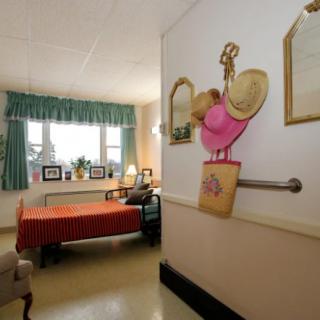
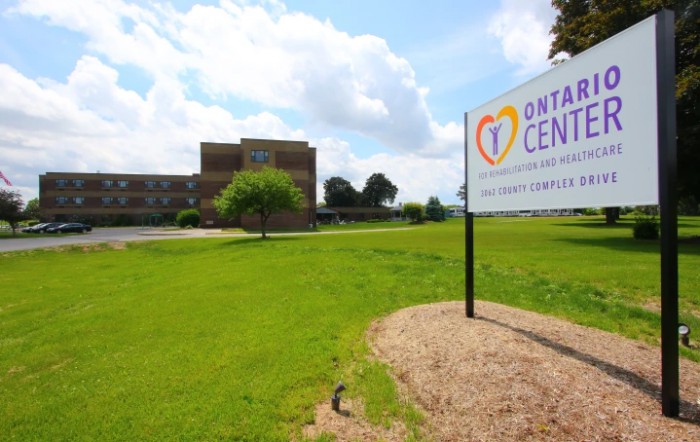
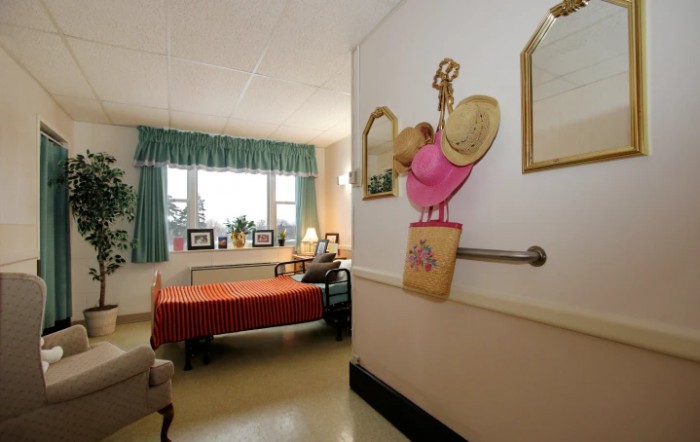
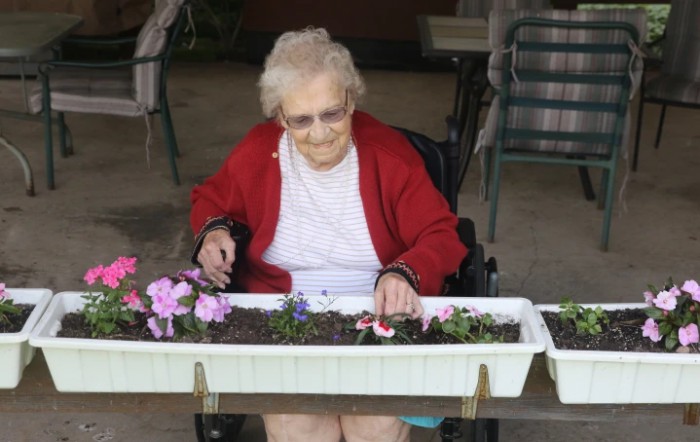
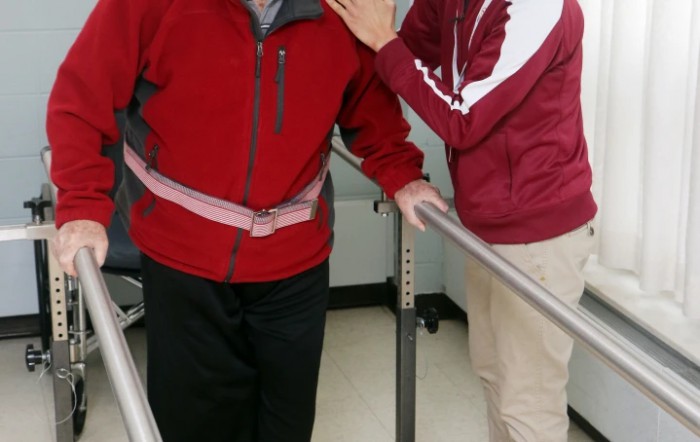
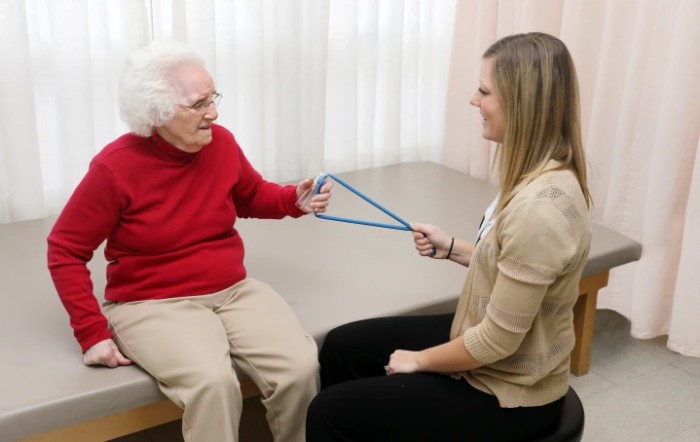
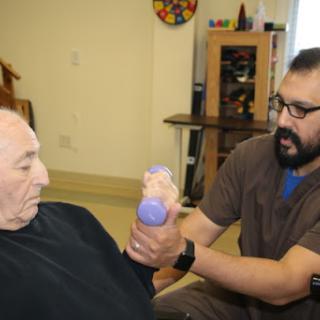
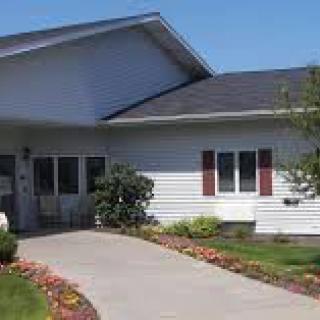
Ontario Center For Rehabilitation And Healthcare on seniors.fyi includes 5 photos including images showing physical therapy, rehabilitation, assistance, healthcare, bedroom, interior, wall art, windows, and more.
Nearby Communities
Ontario Center
Canandaigua, NY
3.4 from 98 reviews
Strong rehab program with friendly, attentive staff and engaging activities.
Clark Manor House
Canandaigua, NY
4.8 from 8 reviews
Caring staff with a nurturing environment, beautiful grounds, engaging activities, and a pet-friendly policy.
99 Gorham Street Residence
Canandaigua, NY
Excellent access to nearby amenities and healthcare in a vibrant neighborhood.
Eighty Parrish Street Apts
Canandaigua, NY
3.5 from 6 reviews
Close to a variety of amenities and medical resources (cafes, parks, pharmacies, physicians, restaurants, theater, hospitals).
Wilcox Lane Apartments
Canandaigua, NY
4 from 4 reviews
Convenient location with extensive nearby amenities and healthcare options.
Elm Manor Nursing And Rehabilitation Center
Canandaigua, NY
2.4 from 50 reviews
Comprehensive care with restaurant-style dining and outdoor spaces.
Ferris Hills at West Lake
Canandaigua, NY
5 from 4 reviews
$2,765 to $3,025 / month
Spacious two-bedroom, two-bath apartments with shuttle service and a broad range of on-site activities.
Quail Summit
Canandaigua, NY
4 from 51 reviews
$3,156 to $5,484 / month
Caring staff in a clean, modern environment with engaging on-site activities.
Horizons at Canandaigua Senior Living
Canandaigua, NY
3.6 from 18 reviews
$3,250 to $4,500 / month
Friendly, responsive staff in a clean, social community (resident cat).
Linda's caregiving journey for her elderly mother, Joan, is marked by deep love and challenges as she navigates health changes, emotional support, and practical arrangements while learning to prioritize self-care and utilize community resources. Their evolving relationship highlights resilience and the universal themes of empathy and preparedness in caregiver experiences.
The article clarifies common misconceptions about Powers of Attorney (POA), highlighting the necessity of the principal's consent, the limitations on an agent's authority, and the importance of mental capacity when signing. It also distinguishes between various types of POAs, addresses concerns about potential abuse, and emphasizes the need for legal consultation to ensure valid and up-to-date documents.
Ontario Center For Rehabilitation And Healthcare photos
×
Interior
Outdoors
Building
Healthcare
Rehabilitation
Interior, Decor, Bedroom, Windows, and Wall Art
Building, Exterior, and Grass
Outdoors, Wheelchair, and Gardening
Healthcare, Rehabilitation, Physical Therapy, and Assistance
Exercise
Get PricingAsk A QuestionSchedule A TourContact Senior Advisor
By clicking submit, you agree to our Partner's Terms of Use. You
also consent to receive calls and texts, which may be autodialed, from our Partner. Your consent is not a condition to
using our Partner's service. Please visit our Partner's Privacy Policy for information about their privacy practices.

 98 resident community capacity
 Skilled Nursing Facility
 Air-conditioning
 Beauty salon
 Cable or satellite TV
 Computer center
 Dining room
 Fitness room
 Fully furnished
 Gaming room
 Garden
 Housekeeping services
 Kitchenette
 Move-in coordination
 Outdoor space
 Private bathrooms
 Restaurant-style dining
 Small library
 Telephone
 Wellness center
 Wi-Fi/high-speed internet available
 Community operated transportation
 12-16 hour nursing
 24-hour call system
 Activities of daily living assistance
 Assistance with bathing
 Assistance with dressing
 Assistance with transfers
 Diabetes diet
 Medication management
 Mental wellness program
 Special dietary restrictions
 Concierge services
 Planned day trips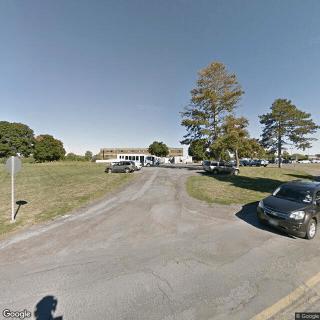
 Strong rehab program with friendly, attentive staff and engaging activities.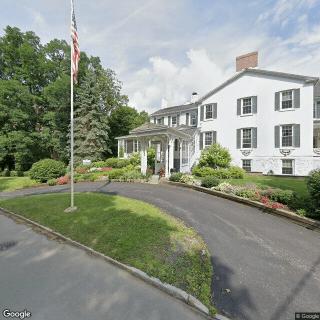


 Nurturing Our Loved Ones: A Daughter's Journey in Caring for Her Mother
 Nurturing Our Elders: Linda's Journey of Supporting Her Mother
 A Comprehensive Exploration of Common Misunderstandings about Powers of Attorney