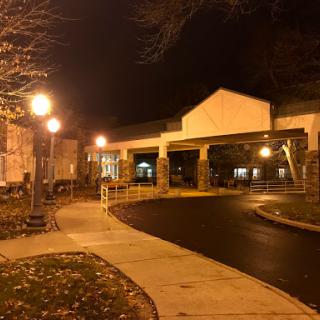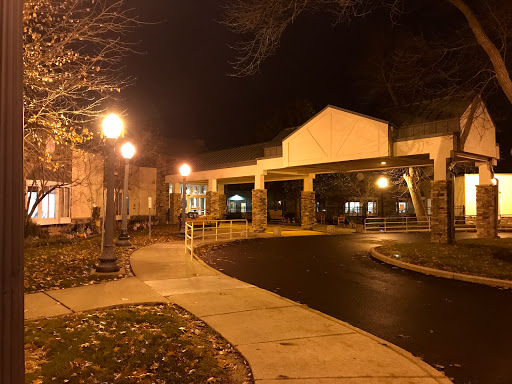
220 Richmond Avenue, Batavia, NY 14020
For more information about senior living options: (866) 208-4318
Overall Review of Western New York State Veterans Home
Pros
 The staff are kind, welcoming, and genuinely caring for veterans.
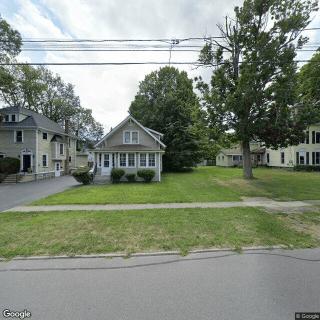
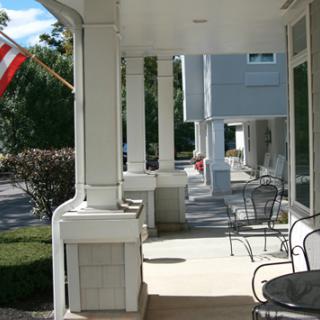
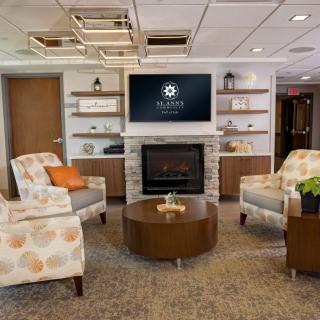
- The facility is spotless, clean, and well-kept with a pleasant atmosphere.
- The nurses and CNAs provide tireless, compassionate care to residents.
- The security team, housekeeping, and dietary staff are top-notch and consistently dedicated.
- The activity staff are superb and creative, offering engaging and enjoyable moments for veterans.
- The meals and snacks are plentiful and the food is good.
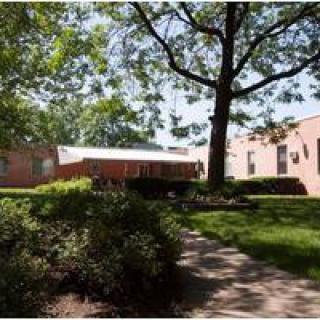
- The grounds are nice and there are many activities, including cards, trips, games, trivia nights, and movie events.
Cons
 He wasn’t shaved and rarely had his glasses or shoes on, and he walked with a walker, suggesting neglect of basic personal care.
 - He choked on solid food while on a puree diet, developed pneumonia from aspiration, and died despite life-support efforts.
- The family was contacted about payment soon after his death, which felt insensitive and inappropriate.
- The facility was described as run like a correctional facility, with no visitation rights and staff yelling at visitors at the front door.
- Residents were forcefully moved to make room for COVID patients, preventing hugs for over a year and contributing to depression.
Review
This community is best suited for veterans and their families who want hands-on, personal attention from care staff, a strong on-site medical presence, and an active, engaging daily life. Batavia’s Western New York State Veterans Home earns consistent praise for a clean, well-kept campus, dependable meals, and a security posture that gives families real peace of mind. Across multiple accounts, the frontline team, nurses, CNAs, and support staff, emerges as the heart of care, delivering genuine compassion to residents facing complex health needs. The facility also offers veteran-specific financial benefits, and the social calendar, cards, trips, games, and movie nights, helps many residents stay connected and mentally engaged. For families prioritizing a warm caregiving culture with tangible routines, this home can be a strong, compelling option.
At the same time, this is not a one-note recommendation. Several accounts reveal serious concerns that demand careful scrutiny. In one family’s experience, a loved one declined rapidly after a late-night episode, with choking on food and subsequent aspiration leading to pneumonia and organ failure, followed by a troubling post-mortem communication about payment. More broadly, visitors describe a visitation environment that feels markedly restrictive, with frontline interactions at the entrance said to be brusque or discouraging. Additional reports describe abrupt room moves aimed at freeing space for others, sometimes with little notice and little regard for the resident’s sense of stability. Taken together, these episodes highlight the risk that strong frontline empathy can be undermined by policy rigidity and poor communication during crisis moments.
The strongest pros center on warmth, attentiveness, and the practical rhythm of daily life. Reviewers repeatedly emphasize the exceptional dedication of nurses and aides, the cleanliness of the building, and the reliability of meals and snacks. The activity staff is singled out for creativity, helping veterans socialize, reminisce, and stay mentally and physically engaged. Families often stress that the staff’s authentic care is what makes the day-to-day tolerable and even uplifting for residents, especially those who face end-of-life transitions. Conversely, the notable cons, the front-door atmosphere, occasional care gaps, and the sense of isolation created by visitation restrictions, can erode trust and comfort for families who want open, ongoing visibility into their loved one’s care. The facility’s strength in caregiver reliability does not fully neutralize these policy- and communication-driven concerns.
To navigate decisions intelligently, prospective residents should enter with a concrete, enforceable checklist. Demand current staffing ratios on each shift and ask how daily care routines are implemented to preserve dignity, consistent shaving, timely eyewear, appropriate footwear, and careful oversight of swallow safety for residents on modified diets. Seek a written, clear visitation policy, including what exceptions exist in emergencies and how visitation is handled when a family member needs to be present. Tour the dining areas and kitchens to verify safety protocols around feeding and ensure dietary oversight is robust. Request access to incident logs and the grievance process to see how concerns are tracked and resolved. Finally, insist on a direct line to a patient advocate or ombudsperson who can translate policy into practice when crises arise and families require timely, transparent updates.
Alternatives become worth serious consideration for families who prize unrestricted access and transparent, consistent communication. If visitation without barriers and a fully collaborative care experience are non-negotiables, other facilities, whether within the region’s veteran network or among private options, may offer a more predictable culture and smoother family engagement. Likewise, if a loved one requires more aggressive, specialized medical monitoring or a less variable approach to room assignments and transitions, shopping around can reveal settings with steadier policies and clearer, more responsive conflict resolution. In short, this home is exceptional for certain families, but it does not uniquely satisfy every standard of care, openness, or crisis management.
In the end, Western New York State Veterans Home in Batavia stands out for devoted caregiving, veteran-focused benefits, and a livable daily routine that can sustain both residents and families. The core strength lies in the people: compassionate nurses and CNAs who, day after day, demonstrate genuine care, patience, and competence. The cleanliness, security, and engaging activities reinforce a sense of normalcy and respect during a period of life that demands both dignity and companionship. However, prospective residents should weigh these strengths against persistent concerns about visitation access, communication during distress, and the risk of care gaps that can arise in moments of high demand. If the priority is a warm, actively engaged environment with reliable staffing, this home deserves earnest consideration and a thorough, documented visit. If openness, consistent policy enforcement, and unimpeded family involvement are non-negotiable, exploring alternatives now, while still engaging with this community, will help prevent downstream disappointment.
 126 resident community capacity
 Skilled Nursing Facility
 Air-conditioning
 Beauty salon
 Cable or satellite TV
 Computer center
 Dining room
 Fitness room
 Fully furnished
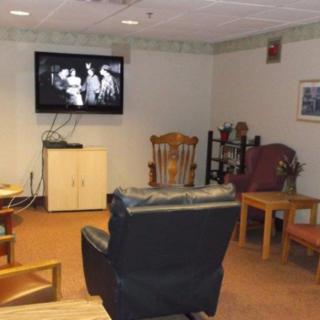
 Gaming room
 Garden
 Housekeeping services
 Kitchenette
 Move-in coordination
 Outdoor space
 Private bathrooms
 Restaurant-style dining
 Small library
 Telephone
 Wellness center
 Wi-Fi/high-speed internet available
 Community operated transportation
 12-16 hour nursing
 24-hour call system
 Activities of daily living assistance
 Assistance with bathing
 Assistance with dressing
 Assistance with transfers
 Diabetes diet
 Medication management
 Mental wellness program
 Special dietary restrictions
 Concierge services
 Planned day trips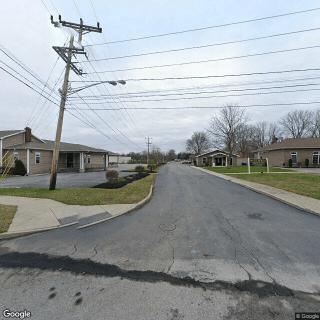


 Nurturing Our Elders: Linda's Journey of Supporting Her Mother
 A Comprehensive Exploration of Common Misunderstandings about Powers of Attorney
 Senior Move Management: Understanding the Role, Value, and Associated Costs