










Lakeview Christian Home

Save

  • Interior

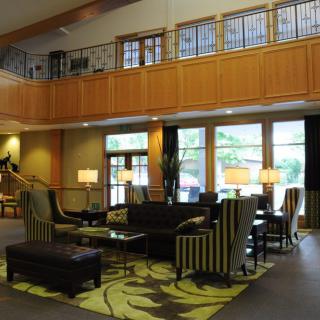
    An empty indoor swimming pool with natural lighting.
  • Building

    A commercial building with trees and a parking lot under a clear blue sky.
  • Architecture

    A modern building with an American flag in front, surrounded by a parking lot and desert landscaping on a sunny day.
  • Bedroom

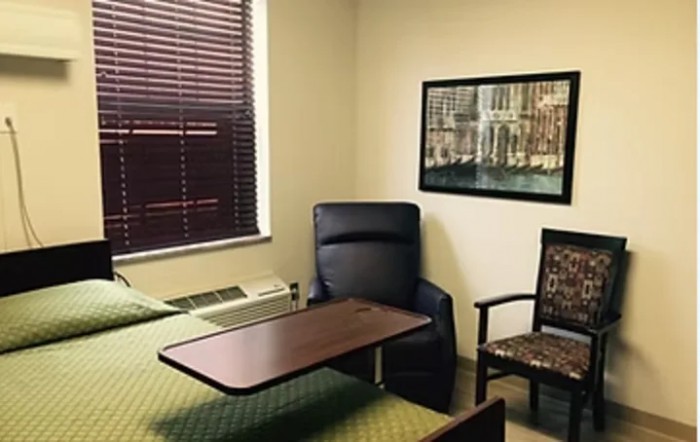
    A small room with a bed, a reclining chair, and a table near the window.
  • Windows

    A cozy room featuring a comfortable armchair beside a window.
  • Garden

    People working together in a garden, using a spray bottle.
  • Indoor Pool

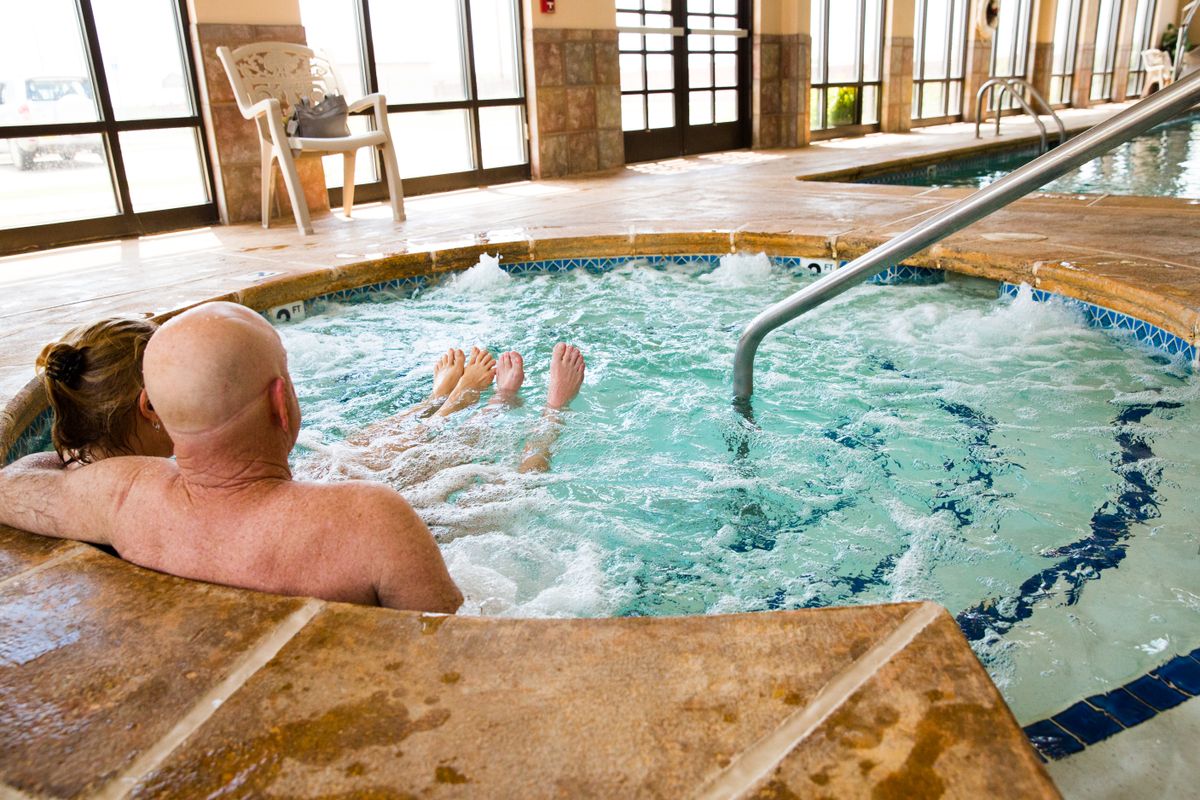
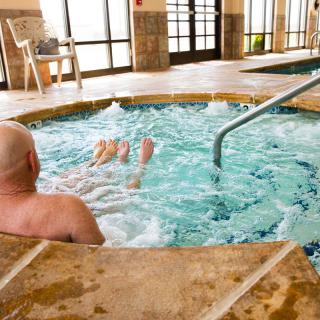
    A person relaxing in an indoor hot tub, enjoying a moment of leisure.
  • Wheelchair

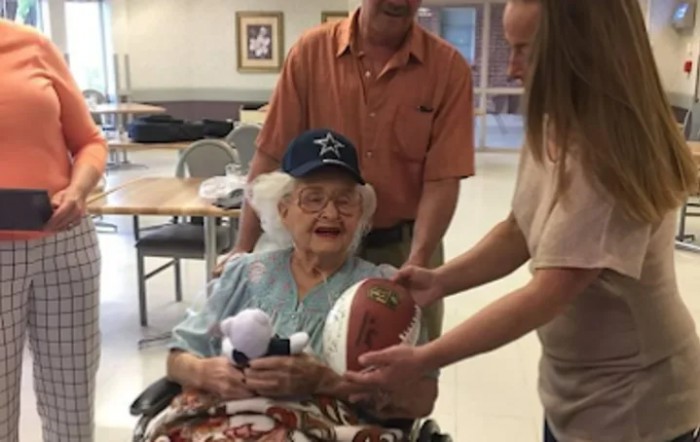
    An elderly woman in a wheelchair smiles as she holds a football, surrounded by two people indoors.
  • Quilt

    A colorful patchwork quilt featuring various fabric squares, each with unique designs and messages, centered around a hospice care theme.

Lakeview Christian Home

1905 West Pierce Street, Carlsbad, NM 88220

For more information about senior living options: (844) 490-3973

2.5 from 13 reviews
5 stars
4
4 stars
0
3 stars
2
2 stars
0
1 stars
7

Assisted Living Independent Living Skilled Nursing Facility

Overall Review of Lakeview Christian Home

Pros

  • pro The reviewers described Lakeview Hospice as having wonderful, caring staff who were efficient, loving, and informative.
  • pro A reviewer would readily recommend Lakeview Hospice care to anyone and gave special thanks to Mike, Ashley, and Angie.
  • pro Lakeview is characterized as an awesome facility with knowledgeable, caring staff.
  • pro Reviewers express love for the place, noting that there are wonderful people serving a wonderful mission.

Cons

  • pro They claim the facility is not Christian and even criminal in nature.
  • pro They describe a strong urine odor throughout the place.
  • pro They say their grandmother was neglected, put in a room, and ignored, with no soft diet provided despite requests.
  • pro They allege staff lied to their faces about her care.
  • pro They believe poor care contributed to their grandmother's rapid decline after a fall.
  • pro They report nurses and aides failed to answer call lights and showed attitude at the nurses' station.
  • pro They say communication with the facility is awful, leaving them unable to reach their relative and facing a runaround.
  • pro They claim financial misconduct or mismanagement, including HOA fees charged on a home they no longer own and money owed not being paid promptly.
  • pro They discourage others from bringing a relative there, insisting neglect is a common issue.

Review

The collection of experiences surrounding Lakeview presents a tangled mix of strong praise and hard-felt accusations. On one side, several reviewers question the ethos and operations of the place, describing it as anything but what its name might imply. They challenge the integrity of contracts and financial expectations, noting that promises made to residents and their families seem to disappear in the fine print. One person warns prospective residents to read the contract carefully because, in their view, the operation behaves more like a criminal enterprise than a Christian-based or genuinely compassionate community. They cite issues around money and ownership, recounting a situation where a family member's house remained unsold for months, while the family continued to pay HOA fees on a property they no longer owned. The same reviewer even suggests looking into a class-action possibility, signaling a deep mistrust of how funds and obligations are handled.

Another facet of the discontent centers on odor, safety, and the quality of daily life inside the facility. A strong, negative sensory impression - "urine smell is so strong" - appears in the feedback, underscoring a perception of unsanitary conditions or inadequate maintenance. These sensory grievances are paired with narratives of neglect or inadequate accommodations for residents, painting a picture of an environment that feels uncomfortable or even unsafe to families who rely on the staff to ensure basic dignity and comfort for their loved ones.

The most emotionally charged stories involve direct care and medical decisions around loved ones. In one account, a grandmother was placed in Lakeview for a short period near the end of life, and the reviewer describes a rapid and troubling decline after a fall. They allege that she fell from a chair, hit her head, and could not recover as expected; they also claim that the facility failed to provide food that matched her soft-diet needs, despite repeated assurances that she would receive such accommodations. The reviewer insists that the care team neglected her needs, withheld information, and created a sense of aimless oversight, ultimately contributing to a decline that they believe could have been prevented with better attention and communication. The tone is one of heartbreak and frustration, with a strong belief that the level of care did not meet even basic standards during a critical period.

A separate incident echoes these concerns about responsiveness and accountability. A family member visiting a cousin in the east wing found three nurses standing around the nurses' station while a call light in a nearby room remained unanswered. The visitor's daughter voiced the obvious concern aloud, and the reply - an admission that the call light was audible but not being attended to - highlights a troubling disconnect between what should be a prompt, compassionate response and what actually happened. The reviewer notes that this lack of timely attention persisted despite personal familiarity with such staffing patterns in the past, suggesting that the problem was not isolated but rather indicative of longstanding practices.

Distance and communication challenges add another layer to the overall assessment. One reviewer emphasizes the emotional and logistical strain of being 1,500 miles away from a relative in Lakeview, describing repeated efforts to contact staff or obtain clear information as an uphill battle. In their view, communication is hampered by limited access to timely updates, and the frustration of not being able to be physically present compounds the stress of watching a loved one navigate the care system from afar. This perspective paints the organization as something that can feel distant and unresponsive when families most need connection and transparency.

Amid the heavy, troubling feedback, there are clearly brighter notes that some readers hold up as evidence of the facility's strengths. In the midst of the negative experiences, a family recounts a positive and transformative moment during a hospitalization in which they opted for Lakeview Hospice. They describe rapid, efficient action that kept their loved one at home in a hospital bed, where pain was managed and caregivers provided a level of support that felt both loving and informative. The gratitude is palpable, with explicit thanks directed toward specific staff members - Mike, Ashley, and Angie - whose care made a meaningful difference during what was otherwise an overwhelming time. This account highlights the possibility of compassionate, competent end-of-life care within the same organization that other families found troubling in other contexts.

Beyond that deeply personal hospice experience, other reviewers offer succinct affirmations about the facility's overall character. Phrases like "Lakeview is an awesome facility with knowledgeable, caring staff" and "Love this place! Wonderful people serving a wonderful mission!" recur as statements of trust and appreciation. Taken together, these positive voices suggest that the organization can deliver genuinely meaningful support and professional care for some patients and families, even as others report experiences that fall far short of those ideals. The contrast between these viewpoints underscores the complexity of caring environments, where outcomes are highly dependent on individual staff, specific departments, and the particular needs and expectations of each family.

In sum, the narrative surrounding Lakeview emerges as a spectrum rather than a single, uniform experience. For some families, the institution represents a beacon of expertise, compassion, and effective care - especially in moments when hospice support is involved, or when staff demonstrate clear dedication and communication. For others, the same setting serves as a source of distress, raising questions about accountability, promptness, and the alignment between promised services and delivered care. This mosaic of opinions invites readers to weigh their own priorities carefully: to scrutinize contracts, to observe the daily operations with a critical eye, and to seek out firsthand experiences from multiple perspectives before making decisions about care for a loved one.

Features

Housing

  • 112 resident community capacity 112 resident community capacity

Types of Care

  • Assisted Living Assisted LivingAssisted living facilities provide crucial support and care for seniors who may need help with daily tasks such as medication management, bathing, and meal preparation. These communities offer a safe and comfortable environment where seniors can maintain their independence while receiving the assistance they need to thrive in their golden years.
  • Independent Living Independent LivingIndependent living communities are important for seniors because they offer a safe and supportive environment where older adults can live independently while still having access to amenities and services that enhance their quality of life. These communities provide social opportunities, recreational activities, and assistance with daily tasks, promoting overall well-being and allowing seniors to maintain their independence for as long as possible.
  • Skilled Nursing Facility Skilled Nursing FacilitySkilled Nursing Facilities are crucial for seniors as they provide round-the-clock medical care, rehabilitation services, and assistance with daily activities. These facilities ensure that seniors receive the specialized care they need to maintain their health and well-being as they age.

Amenities

  • Activities on-site Activities on-siteActivities on-site are important for seniors because they provide opportunities for socialization, mental stimulation, physical activity, and overall well-being. Engaging in activities can help seniors stay active, maintain their independence, and improve their quality of life.
  • Air-conditioning Air-conditioningAir conditioning is important for seniors as they are more vulnerable to heat-related illnesses and may have underlying health conditions that make it difficult for them to regulate their body temperature. It helps to keep them comfortable, safe, and healthy in hot weather.
  • Beauty salon Beauty salonBeauty salons are important for seniors because they provide a space for them to feel pampered, socialize, and maintain their personal grooming and hygiene. Regular visits to a beauty salon can help boost seniors' self-esteem and overall well-being.
  • Cable or satellite TV Cable or satellite TVCable or satellite TV is important for seniors because it provides entertainment, news, and companionship, helping to combat loneliness and boredom. It also offers a wide range of programming options tailored to different interests and preferences.
  • Computer center Computer centerA computer center is essential for seniors as it provides access to technology, communication tools, and resources that can enhance their daily lives. It allows them to stay connected with loved ones, engage in online activities, and learn new skills, ultimately promoting socialization and mental stimulation.
  • Devotional services off-site Devotional services off-siteDevotional services off-site are important for seniors as they provide spiritual nourishment, social engagement, and a sense of community outside of the senior living facility. This can enhance overall well-being and help combat feelings of isolation and loneliness often experienced by older adults.
  • Dining room Dining roomDining rooms are important for seniors as they provide a space for socialization, connection, and nutritious meals. They offer opportunities for residents to bond over shared meals, foster a sense of community, and promote healthy eating habits. Dining rooms also ensure that seniors have access to well-balanced meals tailored to their dietary needs and preferences.
  • Fitness room Fitness roomHaving a fitness room in a senior living community is essential for seniors to stay active, maintain their physical health, and improve their overall well-being. Regular exercise can help prevent falls, reduce the risk of chronic diseases, and promote mental sharpness. It also provides social opportunities for residents to connect with others and enjoy a sense of community.
  • Fully furnished Fully furnishedFully furnished senior living communities are important for seniors because they provide convenience, comfort, and a hassle-free moving experience. Seniors can easily settle into their new living space without the stress of having to buy and move furniture. This allows them to focus on enjoying their new home and community.
  • Gaming room Gaming roomGaming rooms are important for seniors as they provide a fun and engaging environment for socializing, cognitive stimulation, and physical activity. Games can improve memory, problem-solving skills, and overall mental well-being while fostering friendships and reducing feelings of isolation.
  • Garden GardenGardens are important for seniors as they provide a peaceful and therapeutic environment for relaxation, physical activity, and socialization. Being in nature has been shown to reduce stress, improve mood, and promote overall well-being. Gardens also offer opportunities for seniors to engage in gardening activities, which can improve mobility, flexibility, and cognitive function. Additionally, gardens create a sense of community and connection with others who share a passion for plants and outdoor spaces.
  • Housekeeping services Housekeeping servicesHousekeeping services are important for seniors because they help maintain a clean and safe living environment, promote independence, and reduce the risk of accidents or illnesses. Additionally, having assistance with household chores can alleviate physical strain and allow seniors to focus on other aspects of their well-being.
  • Indoor common areas Indoor common areasIndoor common areas are crucial for seniors as they provide a space for socialization, recreation, and community engagement, promoting overall well-being and reducing feelings of isolation and loneliness.
  • Kitchenette KitchenetteKitchenettes are important for seniors living in senior living communities because they provide the convenience and independence of being able to prepare simple meals and snacks in the comfort of their own living space. This can help promote a sense of autonomy and well-being for seniors, allowing them to maintain some level of control over their dietary choices and daily routines.
  • Move-in coordination Move-in coordinationMove-in coordination is important for seniors because it helps ease the transition into their new living environment. It ensures that all logistics, such as packing, organizing movers, and setting up utilities are taken care of, allowing seniors to focus on settling in and adjusting to their new home. Having a smooth move-in process can alleviate stress and anxiety, making the transition smoother and more enjoyable for seniors.
  • Outdoor space Outdoor spaceOutdoor spaces are important for seniors as they provide opportunities for physical activity, social interaction, exposure to natural light and fresh air, and a sense of connection to nature. Having access to outdoor spaces can improve overall well-being and quality of life for older adults living in senior communities.
  • Private bathrooms Private bathroomsPrivate bathrooms are important for seniors in senior living communities because they provide independence, dignity, and comfort. Having a private bathroom allows seniors to maintain their personal hygiene routines without the need for assistance, promoting a sense of autonomy and privacy. Additionally, private bathrooms help prevent the spread of infections and provide a safe and clean environment for seniors to navigate safely.
  • Restaurant-style dining Restaurant-style diningRestaurant-style dining is important for seniors because it allows them to enjoy delicious, nutritious meals in a social and upscale setting. This enhances their dining experience, promotes healthy eating habits, and fosters socialization with fellow residents, ultimately contributing to their overall well-being and quality of life.
  • Small library Small librarySmall libraries are important for seniors as they provide access to a variety of reading materials, including books, newspapers, and magazines. This can help stimulate their minds, keep them engaged, and provide a sense of community through book clubs and other social activities. Additionally, reading has been shown to improve cognitive function and overall mental well-being in older adults.
  • Telephone TelephoneTelephones are important for seniors as they provide a lifeline for communication with loved ones, emergency services, and healthcare providers. They offer a sense of security and independence, enabling seniors to stay connected and access assistance when needed.
  • Wellness center Wellness centerWellness centers are important for seniors because they offer a variety of programs and services that promote physical, mental, and emotional well-being. These centers provide opportunities for exercise, socialization, education, and relaxation, helping seniors maintain their overall health and quality of life.
  • Wi-Fi/high-speed internet available Wi-Fi/high-speed internet availableWi-Fi/high-speed internet is important for seniors to stay connected with loved ones, access online resources, and participate in virtual activities to combat feelings of loneliness and isolation. It also allows them to easily manage healthcare needs, access entertainment, and engage in lifelong learning opportunities.

Transportation

  • Community operated transportation Community operated transportationCommunity operated transportation is crucial for seniors as it provides them with the means to access essential services, social activities, and medical appointments. It allows seniors to maintain their independence and quality of life by ensuring they can participate in activities outside of their homes. Additionally, community-operated transportation services offer a safe and reliable way for seniors to travel without having to rely on family or friends for assistance.
  • Transportation arrangement Transportation arrangementTransportation arrangements are crucial for seniors as they may face challenges with driving, mobility, or access to public transportation. Having reliable transportation services ensures that seniors can easily attend appointments, social activities, and maintain their independence and quality of life.

Care Services

  • 24-hour call system 24-hour call system24-hour call systems are important for seniors because they provide peace of mind and immediate assistance in case of emergencies. This technology ensures that help is always available, promoting safety and security for elderly individuals living alone or in assisted living facilities.
  • 24-hour supervision 24-hour supervision24-hour supervision is important for seniors to ensure their safety, well-being, and access to immediate assistance in case of emergencies or health issues. This constant support provides peace of mind for both seniors and their loved ones, allowing them to age in place with dignity and security.
  • Activities of daily living assistance Activities of daily living assistanceActivities of daily living assistance are important for seniors because they provide essential support with tasks such as eating, bathing, dressing, and mobility. This assistance helps seniors maintain their independence, dignity, and overall quality of life as they age.
  • Ambulatory care Ambulatory care"Ambulatory care services provide essential medical support and treatment to seniors without requiring hospitalization, allowing them to maintain their independence and quality of life while managing chronic conditions or receiving routine medical care."
  • Assistance with bathing Assistance with bathingAssistance with bathing is crucial for seniors as it helps maintain personal hygiene, prevents infections, and ensures their overall well-being and comfort. It also provides a sense of dignity and independence for seniors who may struggle with this task on their own.
  • Assistance with dressing Assistance with dressingAssistance with dressing is important for seniors because it helps maintain their independence, promotes personal hygiene, prevents accidents and injuries, and improves overall quality of life. This service ensures that seniors can continue to dress comfortably and confidently, despite any physical limitations they may have.
  • Assistance with transfers Assistance with transfersAssistance with transfers is crucial for seniors as it helps prevent falls and injuries, maintains their independence, and ensures they can safely navigate their living environment. It also provides peace of mind for both seniors and their loved ones.
  • Diabetes diet Diabetes dietA diabetes diet is crucial for seniors as it helps manage blood sugar levels, reduce risks of complications, and improve overall health and well-being. By following a balanced and nutritious diet tailored to their specific needs, seniors can better control their diabetes and enhance their quality of life.
  • Diabetic care Diabetic careDiabetic care is crucial for seniors as they are more susceptible to developing diabetes due to aging and other health conditions. Proper management of diabetes can help prevent complications such as heart disease, vision loss, and nerve damage, improving the overall quality of life for seniors in senior living communities.
  • High acuity care High acuity careHigh acuity care is important for seniors because it provides specialized medical attention and support for individuals with complex medical needs. This level of care ensures that seniors receive the appropriate treatment and assistance to maintain their health and quality of life as they age.
  • Meal preparation and service Meal preparation and serviceMeal preparation and service are crucial for seniors as they may have limited mobility or energy to cook nutritious meals. Having access to healthy and convenient food options can ensure they are getting the proper nutrition needed to maintain their overall health and well-being.
  • Medication management Medication managementMedication management is crucial for seniors to ensure they are taking the right medications at the correct dosages and times. This helps prevent adverse drug interactions, reduces the risk of medication errors, and promotes overall health and well-being. Proactive management also allows for adjustments as needed based on changing health conditions or new prescriptions.
  • Mental wellness program Mental wellness programMental wellness programs are essential for seniors as they promote cognitive stimulation, emotional support, and social engagement. These programs help prevent isolation, depression, and cognitive decline, ultimately enhancing the overall quality of life for older adults.
  • Special dietary restrictions Special dietary restrictionsSpecial dietary restrictions are important for seniors because age-related changes in metabolism and health conditions can make it difficult for their bodies to process certain foods. By following a diet tailored to their specific needs, seniors can maintain their overall health and well-being, manage chronic conditions, and reduce the risk of complications such as malnutrition or food interactions with medications.

Dining

  • Diabetes diet Diabetes dietA diabetes diet is crucial for seniors as it helps manage blood sugar levels, reduce risks of complications, and improve overall health and well-being. By following a balanced and nutritious diet tailored to their specific needs, seniors can better control their diabetes and enhance their quality of life.
  • Meals provided Meals provided"Meals provided" are crucial for seniors in assisted living communities as it ensures they have access to nutritious, balanced meals without the stress of meal planning and preparation. This can help promote overall health and well-being for seniors who may have limited mobility or cognitive abilities.
  • Special dietary restrictions Special dietary restrictionsSpecial dietary restrictions are important for seniors because age-related changes in metabolism and health conditions can make it difficult for their bodies to process certain foods. By following a diet tailored to their specific needs, seniors can maintain their overall health and well-being, manage chronic conditions, and reduce the risk of complications such as malnutrition or food interactions with medications.

Activities

  • Activities on-site Activities on-siteActivities on-site are important for seniors because they provide opportunities for socialization, mental stimulation, physical activity, and overall well-being. Engaging in activities can help seniors stay active, maintain their independence, and improve their quality of life.
  • Community-sponsored activities Community-sponsored activitiesCommunity-sponsored activities are important for seniors as they provide opportunities for social interaction, mental stimulation, and physical activity. These activities can help improve overall well-being, combat loneliness and isolation, and promote a sense of belonging and purpose among older adults.
  • Concierge services Concierge servicesConcierge services are essential for seniors as they provide assistance with daily tasks and errands, enhance their quality of life by offering convenience and personalized care, and promote a sense of safety and security.
  • Devotional activities offsite Devotional activities offsiteDevotional activities offsite are important for seniors because they provide social engagement, spiritual growth, and a sense of community outside of their living environment. This can improve overall well-being, mental health, and combat feelings of isolation or loneliness.
  • Fitness programs Fitness programsFitness programs are crucial for seniors as they help improve strength, flexibility, balance, and overall well-being. Staying active can reduce the risk of chronic diseases, improve mental health, and enhance quality of life in older adults.
  • Planned day trips Planned day tripsPlanned day trips are important for seniors because they offer opportunities for socialization, mental stimulation, and physical activity. They provide a change of scenery and help seniors stay engaged and connected to their community, promoting overall well-being and quality of life.
  • Resident-run activities Resident-run activitiesResident-run activities are important for seniors as they encourage social interaction, creativity, and a sense of autonomy. These activities empower seniors to stay engaged and active in their community while fostering meaningful connections with their peers.
  • Scheduled daily activities Scheduled daily activitiesScheduled daily activities are important for seniors because they provide structure, socialization, mental stimulation, and physical activity. Engaging in regular activities can improve overall well-being and quality of life for seniors living in a community setting.

Description

Lakeview Christian Home in Carlsbad, NM is a skilled nursing facility that offers personalized care and a range of amenities for residents. The community is dedicated to providing a comfortable and welcoming environment where individuals can receive the assistance they need while maintaining their independence.

Residents can enjoy a variety of amenities designed to enhance their quality of life. They have access to a beauty salon, allowing them to pamper themselves and maintain their personal grooming. Cable or satellite TV is provided for entertainment purposes, along with an on-site computer center for those who wish to stay connected with loved ones or browse the internet.

Lakeview Christian Home also offers community-operated transportation, ensuring residents have easy access to nearby locations and activities. There are various spaces available for relaxation and socialization, including a dining room where residents can enjoy restaurant-style meals prepared by professional staff. A fitness room is available for those who want to stay active, along with outdoor spaces such as gardens.

The facility provides fully furnished accommodations with private bathrooms, ensuring residents have their own personal space. Housekeeping services are also included to maintain cleanliness and tidiness in the living areas. The presence of a small library allows residents to indulge in reading and expand their knowledge.

The wellness center at Lakeview Christian Home provides 24-hour supervision, along with assistance in activities of daily living such as bathing and dressing. Staff members offer medication management services to ensure that residents take their prescribed medications on time. A mental wellness program aims at promoting emotional well-being among residents.

Special dietary restrictions are catered to, including diabetes diets and other specific requirements. Meal preparation and service are provided by professional staff members who focus on nutritional value and taste.

In terms of activities, concierge services are available for any special requests or arrangements that residents may need assistance with. Fitness programs encourage physical activity among residents, while planned day trips provide an opportunity for exploration outside the community. Resident-run activities allow individuals to engage in hobbies and interests, while scheduled daily activities ensure a vibrant and engaging lifestyle for all residents.

Lakeview Christian Home is conveniently located in Carlsbad, NM, with several amenities and services nearby. Cafes, pharmacies, restaurants, parks, physicians' offices, places of worship, theaters, transportation options, and hospitals are easily accessible to residents.

Overall, Lakeview Christian Home offers a nurturing and supportive environment for individuals seeking a skilled nursing facility. With various care services available and a range of amenities to enhance quality of life, residents can enjoy comfort and peace of mind in their golden years.

Nearby Places of Interest

Restaurants

  • Subway (0.2 miles)
  • Carniceria San Juan De Los Lagos (0.2 miles)
  • Tokyo Japanese Steak House & Sushi Bar (0.3 miles)
  • Sonic Drive-In (0.3 miles)
  • McAlister's Deli (0.3 miles)
  • Long John Silver's (0.4 miles)
  • Taco Bell (0.4 miles)

Pharmacies

  • Walgreens (0.2 miles)
  • Healthy Education Society (0.5 miles)
  • Advanced Medication Systems (0.5 miles)
  • Corner Drug Store (0.5 miles)
  • Southwestern Medical Pharmacy (0.6 miles)
  • Good Neighbor Pharmacy (0.6 miles)
  • CVS Pharmacy (1.3 miles)

Places of Worship

  • St Peter Evangelical Lutheran Church (0.3 miles)
  • Temple Beth El (0.3 miles)
  • Southern Baptist Convention (0.3 miles)
  • First United Methodist Church (0.4 miles)
  • Calvary Assembly Of God Church (0.6 miles)
  • Garden Street Baptist Church (0.8 miles)
  • Southern Baptist Convention (0.8 miles)

Physicians

  • Dialysis Clinic (0.4 miles)
  • Dr Lark Family Medicine (0.5 miles)
  • Daniel Marancenbaum, MD (0.5 miles)
  • Madeleine Drummond, FNP-BC (0.5 miles)
  • Pecos Valley of New Mexico/Roberts Martin MD (0.5 miles)
  • Sandya Surgical & Vein Center (0.5 miles)
  • ABC Pediatrics (0.5 miles)

Hospitals

  • Surgical Center of Carlsbad (0.4 miles)

Cafes

  • Starbucks (0.5 miles)
  • Blue House Bakery & Cafe (1.4 miles)

Theaters

  • Allen La Cueva 6 Theater (0.5 miles)

Transportation

  • Enterprise Rent-A-Car (1.4 miles)
  • U-Haul Neighborhood Dealer (2 miles)

Parks

  • The Rocket Slide (1.6 miles)

Frequently Asked Questions

Where is Lakeview Christian Home?
What photos are available for Lakeview Christian Home in Carlsbad, New Mexico?

Nearby Communities

Related Resources

  • assisted living vs skilled nursingExploring the Contrasts Between Assisted Living and Skilled Nursing

    The article compares assisted living and skilled nursing facilities, detailing their differing levels of assistance, medical support, cost structures, and day-to-day experiences. It emphasizes that assisted living is for those needing help with daily activities while maintaining independence, whereas skilled nursing facilities provide intensive medical care with 24-hour staff supervision.

  • when to move from assisted living to nursing home8 Key Indicators That Suggest It May Be Time to Transition from Assisted Living to Skilled Nursing Care

    The transition from assisted living to skilled nursing care is often prompted by complex medical needs that assisted living cannot meet, with key indicators including frequent health declines, increased falls, severe memory issues, and caregiver burnout. Families should recognize these signs early to discuss options with healthcare providers and prepare for the emotional and logistical aspects of moving to a facility that offers comprehensive medical support.

  • active senior livingVibrant Senior Living: A Comprehensive Guide for Active Older Adults
    Vibrant Senior Living emphasizes active senior living communities that promote independence and engagement through diverse amenities and activities, fostering wellness and social interaction among older adults. These communities range from independent to assisted living, with a focus on personal growth, family involvement, financial planning, and leveraging technology to enhance residents' experiences.