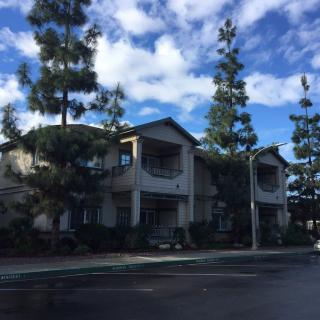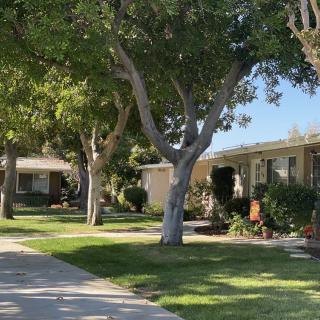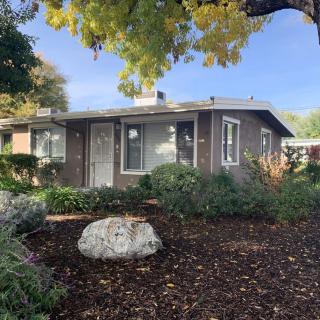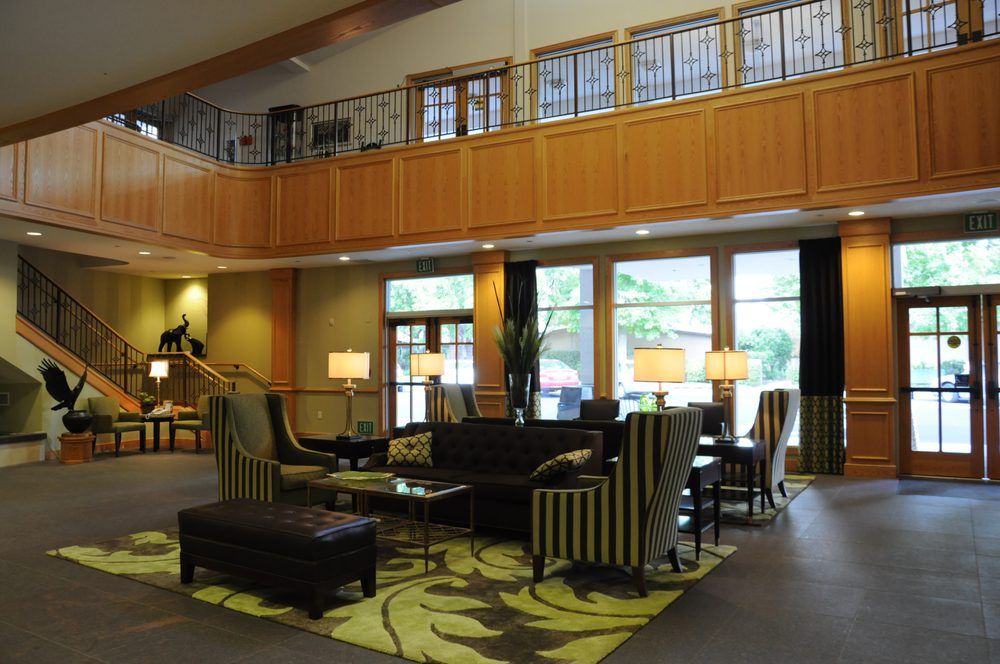

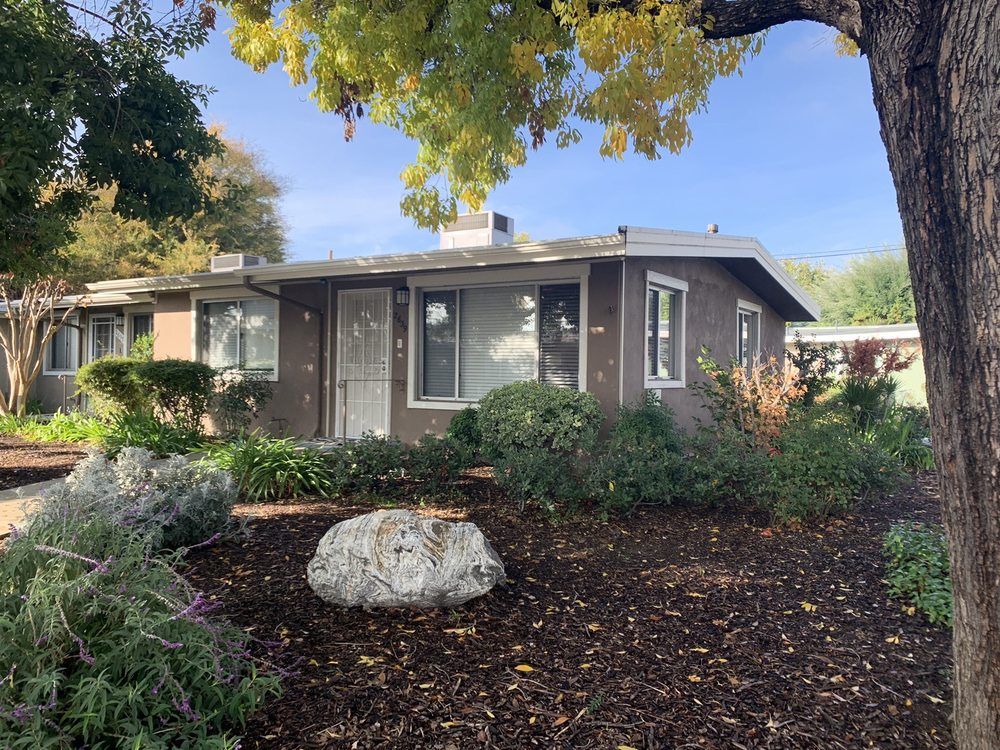
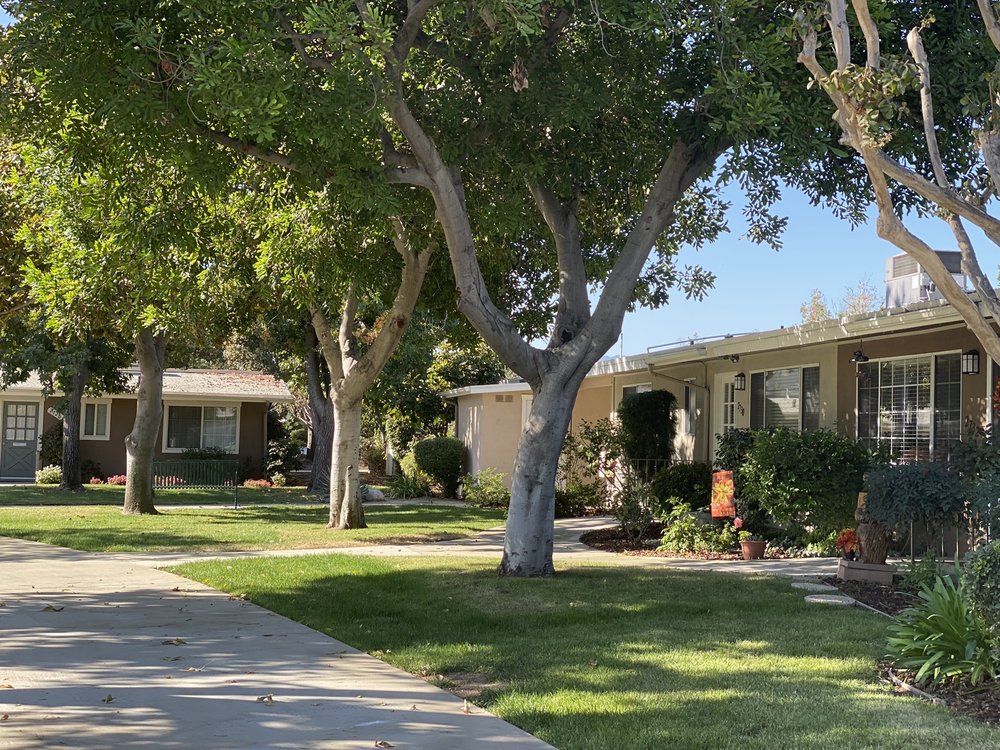
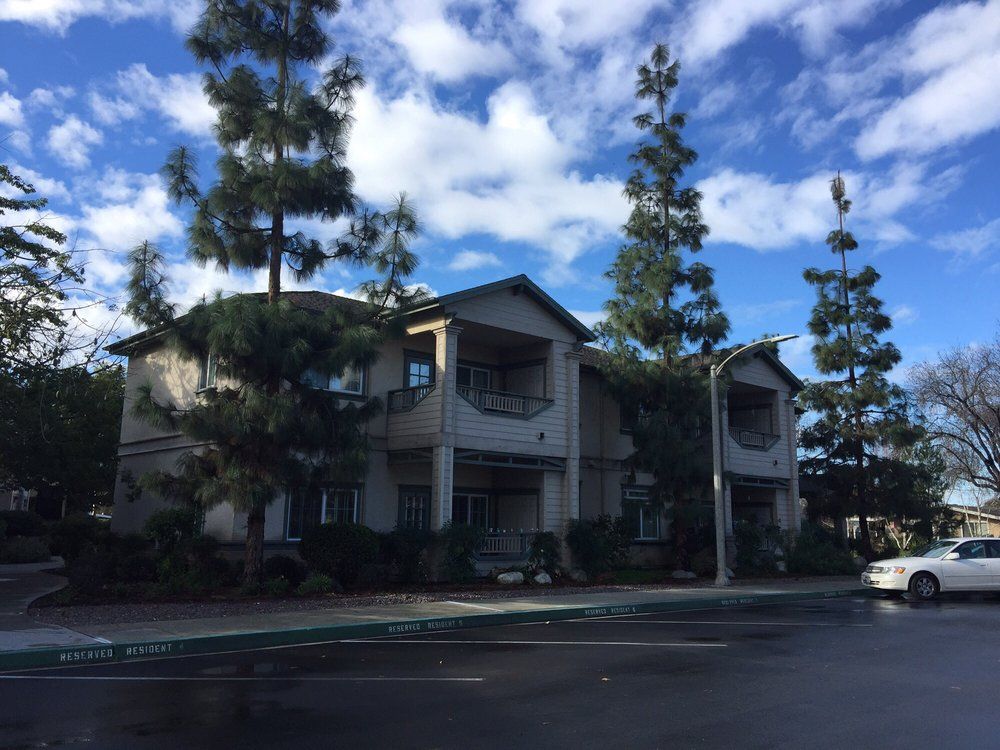
2705 Mountain View Drive, Carlsbad, NM 88220
For more information about senior living options: (866) 208-4318
Overall Review of Hillcrest
Pros
 The staff at Lakeview Hospice were wonderful, caring, efficient, loving, and informative.
- They would recommend Lakeview Hospice care to anyone.
- Lakeview is an awesome facility with knowledgeable, caring staff.
- Special thanks are given to Mike, Ashley, and Angie for their care.
Cons
 The place is described as not a Christian establishment and even criminal.
- They still won’t give her the money they owe her.
- The HOA fees are paid on a home she doesn’t own.
- The facility stinks with a strong urine odor.
- The grandma received poor care, was ignored, and not given the soft diet she needed, leading to a decline.
- The staff ignored call lights and were unresponsive.
- Communication with the facility is poor, leaving families frustrated and unable to reach anyone.
- The reviewer would advise avoiding bringing a relative there due to neglect.
Review
Hillcrest in Carlsbad, NM is best suited for families that are prepared to be highly involved, vigilant about contracts, and ready to pursue accountability, rather than those seeking a reliably nurturing daily care environment. This community works only for families that can tolerate substantial oversight, insist on crystal-clear terms, and accept that care quality may fluctuate. In short, Hillcrest is a fit for diligent guardians who will monitor responses, push for documentation, and be ready to escalate concerns quickly.
Those who should seriously consider alternatives are families whose top priorities are dependable staffing, clean surroundings, transparent billing, and consistent, compassionate care. The feedback points to persistent red flags that will matter most to residents with frailty or medical needs: strong odors indicating hygiene or maintenance issues, and repeated accounts of inadequate attention to residents, especially during illness or meals. When safety, dignity, and timely help are non-negotiable, Hillcrest’s pattern of complaints suggests exploring other options in the region.
The dominant concerns center on care quality and safety. Families recount falls and a rapid decline after admission, raising questions about supervision and the appropriateness of the setting for fragile seniors. Diet and meal accommodations emerge as recurring failures, despite explicit guidance, residents were not given meals consistent with their needs. Communication breakdowns compound the risk: call lights go unanswered, messages go unreturned, and families feel left in the dark when a loved one’s condition changes. Taken together, these elements make Hillcrest seem unstable for residents who depend on reliable, attentive care.
Financial and contractual risks are a principal thread running through the critiques. Accounts describe confusing or unfavorable financial arrangements, with allegations that funds owed or owed-back payments were mishandled or delayed, and that agreements were not transparently explained. One family confronts a situation involving an ownership dispute and ongoing HOA-like charges, which underscored the vulnerability of residents and families to unclear terms and contested payments. For families, this translates into a clear warning: any prospective agreement should be thoroughly reviewed by a qualified elder-law attorney, with copies of every contract, billing ledger, and service plan obtained before commitment.
Environment and operational reliability amplify the concerns. A strong odor problem signals potential hygiene and maintenance gaps, while reports of unaddressed call lights and difficulty reaching staff paint a picture of a facility where resident voices are not consistently heard. In a setting where minutes matter for pain management, comfort, or prompt assistance, such patterns are unacceptable and threaten both safety and morale. The lack of a cohesive, responsive staff culture undermines any potential positive outcomes and casts doubt on the consistency of daily life for residents.
Bottom-line guidance centers on due diligence and a clear decision framework. Prospective families should demand a transparent, line-by-line review of services and costs, insist on a documented care plan aligned to the resident’s medical needs, and verify staffing ratios with the facility and state records. Schedule unannounced visits at different times of day, speak directly with current residents and their families, and request a trial period or respite stay to observe real-time care and communications. If red flags persist after thorough verification, especially around safety, meals, and billing, explore other communities in Carlsbad or nearby towns with stronger staffing, cleaner environments, and contracts that reduce ambiguity. This is a decision where the risk of poor care and financial disputes far outweighs any potential savings or convenience.
 524 resident community capacity
 Assisted Living
 Continuing Care Retirement Community (CCRC)
 Independent Living
 Memory Care
 Air-conditioning
 Beauty salon
 Cable or satellite TV
 Computer center
 Fitness room
 Fully furnished
 Gaming room
 Garden
 Housekeeping services
 Kitchenette
 Move-in coordination
 Outdoor space
 Private bathrooms
 Restaurant-style dining
 Small library
 Telephone
 Wellness center
 Wi-Fi/high-speed internet available
 Community operated transportation
 24-hour call system
 Activities of daily living assistance
 Assistance with bathing
 Assistance with dressing
 Assistance with transfers
 Diabetes diet
 Medication management
 Special dietary restrictions
 Concierge services
 Planned day trips


 8 Key Indicators That Suggest It May Be Time to Transition from Assisted Living to Skilled Nursing Care
 Nourishing the Mind: Essential Dietary Approaches for Dementia
 Understanding Dementia Behaviors: Practical Insights and Strategies for Caregivers