For more information about senior living options: (866) 208-4318
4.4 from 124 reviews
5 stars
94
4 stars
14
3 stars
4
2 stars
0
1 stars
12
The Pines at Voorhees Rehabilitation and Healthcare Costs & Pricing
The Pines at Voorhees Rehabilitation and Healthcare offers competitive pricing for its services, with monthly costs reflecting both the quality of care provided and the regional market. For a semi-private room, the facility charges $7,830 per month, which is significantly higher than Camden County's average of $4,570 and New Jersey's overall average of $5,068. The cost for a private room at The Pines is set at $8,100, again surpassing local averages - $5,163 in Camden County and $5,799 statewide. While these rates may appear elevated compared to nearby facilities, they are indicative of the personalized care and comprehensive rehabilitation services that residents can expect at The Pines.
Floor plans
The Pines at Voorhees Rehabilitation and Healthcare
Camden County
New Jersey
Semi-Private
$7,830
$4,570
$5,068
Private
$8,100
$5,163
$5,799
Skilled Nursing Facilities with a similar price nearby
Overall Review of The Pines at Voorhees Rehabilitation and Healthcare
caveat8 reviews mention this
Elevators and building feel dated
Several residents mention elevators and facility upkeep issues affecting day-to-day convenience.
Multiple reviewers say the building and elevator access need improvement, with comments ranging from slow elevators to needing upgrades. Some reviews also connect the older facility conditions to practical problems like getting residents up and down. A few negative reviews go further, describing environmental issues around elevators and hallways. On the positive side, some residents still describe the staff as caring despite the need for facility updates.
common7 reviews mention this
Activities and social life stand out
Residents consistently describe meaningful activities and social engagement as part of care.
Reviewers frequently point to activities teams and social programming that help residents stay engaged. Several mention joining social activities, sitting exercises, or regularly taking part in group time rather than staying isolated. Some also describe culturally specific community elements and celebrations that contribute to residents feeling included. Even when reviewers note the building is older, they still credit activities with a positive effect on mood and quality of life.
common8 reviews mention this
Dining quality gets mixed reviews
Food draws both praise and complaints, with residents split on consistency and quality.
Some reviewers say the meals are delicious and better than they expected, including mentions of both American and Asian-style options and three meals being carefully arranged. Others describe food as not good enough—ranging from “not real good” to food that residents can’t eat. A few reviewers also say food can be a concern even when they otherwise recommend the facility. Overall, dining quality appears to vary by reviewer, but it is a recurring topic.
How we summarize
Counts show how many written reviews mention each theme; a review can touch several themes, and only frequently mentioned themes are displayed.
Features
Types of Care
Skilled Nursing Facility
Amenities
Activities off-site
Activities on-site
Bath tubs
Beautician on-site
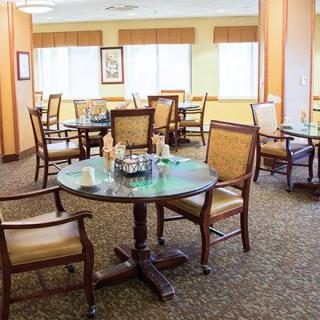
Indoor common areas
Outdoor common areas
Private
Respite or short term stays offered
Wheelchair accessible showers
Transportation
Philadelphia International (14 miles away)
Care Services
High acuity care
Incontinence care
Medication management
Dining
Meals provided
Vegetarian
Activities
Activities off-site
Activities on-site
Nearby Places of Interest
Physicians
CHOP Specialty Care & Surgery Center (0.5 miles)
Cooper Internal Medicine (1.8 miles)
Cooper Medical Building 1 (1.9 miles)
Rowan SOM Family Medicine Residency Program (2.3 miles)
The Pines at Voorhees Rehabilitation and Healthcare offers competitive pricing for its services, with monthly costs reflecting both the quality of care provided and the regional market. For a semi-private room, the facility charges $7,830 per month, which is significantly higher than Camden County's average of $4,570 and New Jersey's overall average of $5,068. The cost for a private room at The Pines is set at $8,100, again surpassing local averages - $5,163 in Camden County and $5,799 statewide. While these rates may appear elevated compared to nearby facilities, they are indicative of the personalized care and comprehensive rehabilitation services that residents can expect at The Pines.
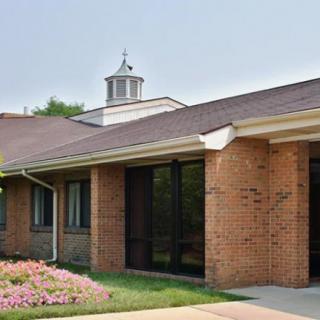
Senior move management provides specialized support for older adults relocating by assisting with logistics, emotional challenges, and downsizing decisions to ensure a smooth transition to new living environments. These services address the unique needs of seniors and have become increasingly important as baby boomers retire and seek to downsize.
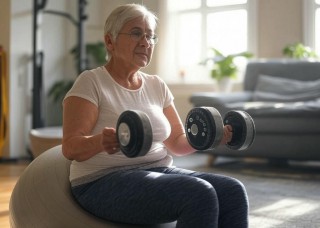
Weight training is vital for seniors to maintain muscle mass, bone density, and overall health, combating age-related declines through customized resistance exercises that enhance balance and well-being. Safe routines should start with realistic goals and proper form, while emphasizing gradual progress and consultations with healthcare providers to ensure safety and effectiveness.
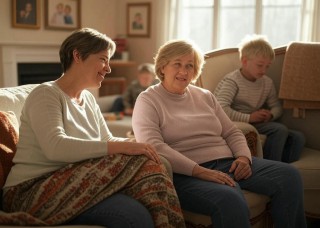
The Sandwich Generation comprises adults managing the dual responsibilities of caring for aging parents and raising children, leading to significant emotional, logistical, and financial challenges. This situation is exacerbated by longer life expectancies and cultural expectations, necessitating effective coping strategies and support resources to alleviate caregiver stress and burnout.
Get PricingAsk A QuestionSchedule A TourContact Senior Advisor
By clicking submit, you agree to our Partner's Terms of Use. You
also consent to receive calls and texts, which may be autodialed, from our Partner. Your consent is not a condition to
using our Partner's service. Please visit our Partner's Privacy Policy for information about their privacy practices.

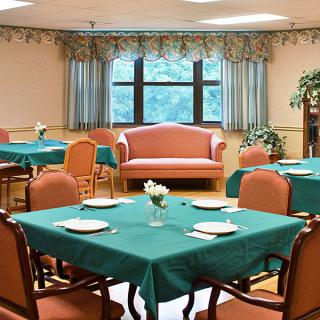
 Skilled Nursing Facility
 Activities off-site
 Bath tubs
 Beautician on-site
 Indoor common areas
 Outdoor common areas
 Private
 Respite or short term stays offered
 Wheelchair accessible showers
 Philadelphia International (14 miles away)
 High acuity care
 Incontinence care
 Medication management
 Meals provided
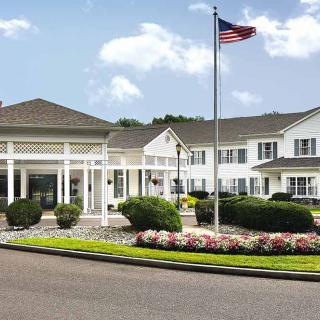
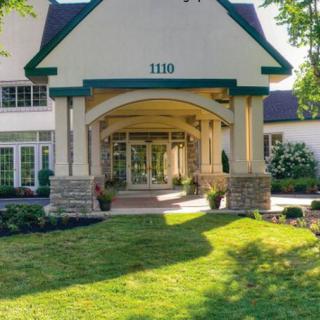
 Compassionate staff delivering dignified, high-quality care.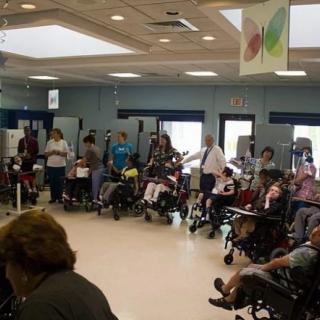

 Senior Move Management: Understanding the Role, Value, and Associated Costs
 Weight Training for Seniors: Building Strength and Vitality
 Understanding the Sandwich Generation: Stress and Responsibilities for Multigenerational Caregivers