
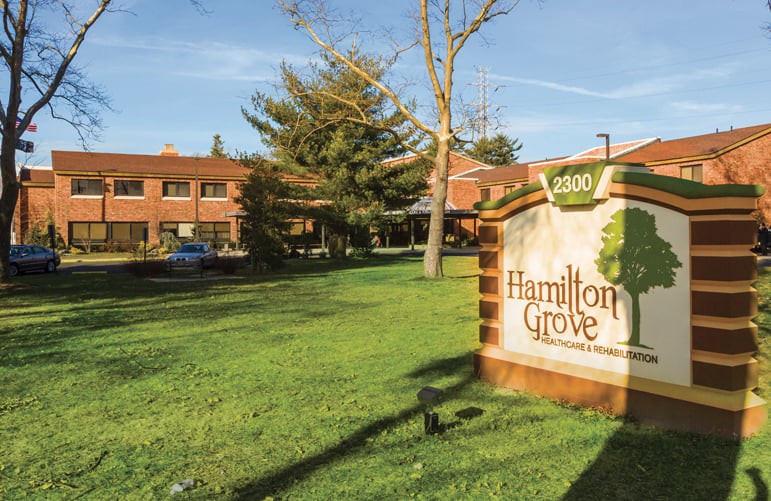

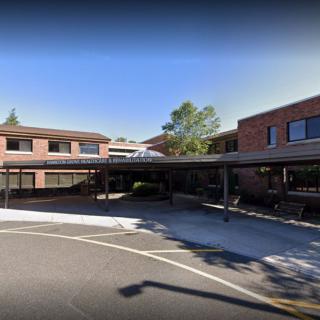


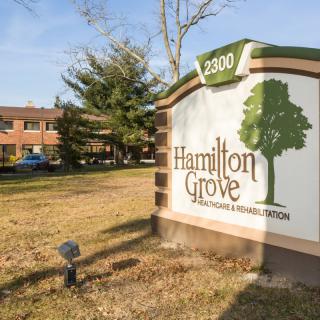
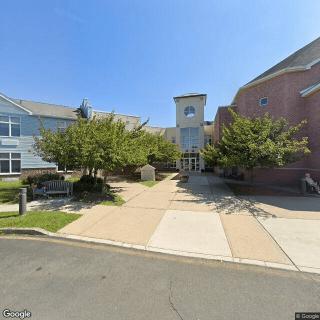
2300 Hamilton Ave, Trenton, NJ 08619
To contact a resident: (609) 588-5859
For more information about senior living options: (866) 208-4318
Overall Review of Mercer County Geriatric Ctr
Pros
 The staff here are incredibly nice and willing to assist with anything.
- Everything in the facility is great across all departments.
- The food is great.
- Guests and families are impressed by the care they receive.
- The nurses, cleaning staff, social workers, and therapy team are among the best.
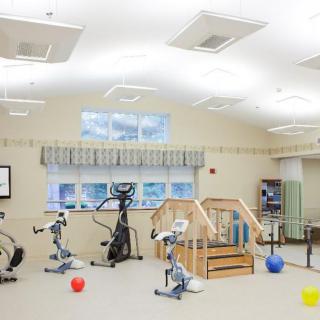
- The physical therapy and occupational therapy are tailored to each person’s needs, with friendly and accommodating staff.
- This facility is highly recommended for therapy and care, and many would choose it again if needed.
Cons
 They didn't want to come at first.
- They were sad to leave everyone behind.
Review
This community is best suited for seniors who need hands-on rehabilitation and recovery support, and whose families prioritize a warm, highly responsive care team. It excels for residents who value consistent staff engagement across departments, reliable meal quality, and a social-work–led approach to coordinating therapy and discharge plans. In short, it serves best those seeking a nurturing, family-forward environment where therapists, nurses, and support staff are aligned around a resident’s recovery goals and daily well-being.
Alternatives should be considered by families looking for highly specialized memory-care environments, extensive medical oversight for complex conditions, or options with clearer long-term care pathways and budgeting transparency. For residents requiring intensive dementia-specific programming, around-the-clock physician attention, or very low-stimulation settings, other facilities may offer more targeted environments. Budget-conscious families should also compare pricing structures and potential add-on costs, as these aspects are not fully spelled out in the accessible feedback.
The strongest positives spell out a clear value proposition: staff kindness and approachability are repeatedly highlighted, with caregivers across nurses, aides, social workers, and therapy teams described as exceptionally attentive and engaged. The therapy component garners particularly strong praise, with advocates noting strategy-driven physical and occupational therapy tailored to individual needs. Food quality is consistently described as good, and the overall atmosphere is repeatedly characterized as welcoming, with family members impressed by what they see and hear during visits.
Yet potential gaps emerge when translating these positives into a perfect fit for every senior. The available feedback does not emphasize memory-care specialization, advanced medical management, or diverse programming outside the rehab-recovery track. While therapy and social-work resources are highlighted as standout elements, there is less detail about routine medical oversight, long-term care planning, or the breadth of daily activities beyond therapy and meals. Those evaluating this community should probe these dimensions directly to ensure alignment with specific care trajectories and lifestyle preferences.
This is a practical choice for rehab-centered stays: the combination of strong therapy, approachable staff, and consistent family involvement can significantly accelerate recovery and ease transitions back home. The supportive social-work presence helps coordinate care, DME needs, discharge planning, and emotional support for both residents and families. For families prioritizing warmth and reliable communication, the benefits of this environment are tangible, reducing anxiety during the recovery journey and creating a sense of continuity that often translates into smoother transitions to home.
The bottom-line recommendation is clear. Mercer County Geriatric Center represents a compelling option for seniors pursuing post-acute rehab with a caregiving culture that prizes friendliness, responsiveness, and coordinated therapy. It may not be the best fit for those seeking specialized memory-care programs, extensive 24/7 medical oversight, or highly transparent, cost-focused planning. For families where recovery and daily living support are the primary concerns and where staff can be trusted to manage the nuances of therapy-driven care, this community stands out as a prudent, even responsible, choice.
 Skilled Nursing Facility
 Trenton-Mercer County (7 miles away)

 Caregiver Exhaustion: Recognizing the Signs and Restoring Your Well-Being
 Understanding Hospice Care at Home: Comprehensive Services, Key Benefits, and Eligibility
 Understanding the Full Cost of 24/7 In-Home Care: A Detailed Overview