For more information about senior living options: (866) 208-4318
4.6 from 100 reviews
5 stars
77
4 stars
18
3 stars
1
2 stars
0
1 stars
4
Overall Review of Our Lady's Center For Rehabilitation & Healthcare
common35 reviews mention this
Staff kindness and responsiveness
Residents and visitors consistently describe staff as kind, polite, and responsive to needs.
Many reviews focus on how often staff greeted visitors, answered questions, and helped with day-to-day needs. Several residents describe nurses and aides checking in, explaining situations thoroughly, and making them feel safe and comfortable. A few comments also call out quick support through the call button, in contrast to slower experiences at other places.
differentiator18 reviews mention this
Nursing and rehab care
Reviews repeatedly highlight strong nursing and rehab support during recovery.
Beyond general friendliness, residents and family members describe hands-on care that helped them feel comfortable and move through recovery. Some reviewers name nursing staff for medication or care coordination, while others thank therapy teams for aiding progress. Several reviews also mention support during transitions, including helping families understand next steps after leaving the facility.
common20 reviews mention this
Facility cleanliness and upkeep
Multiple reviewers say the facility is clean, welcoming, and well maintained.
Cleanliness comes up often, with comments describing clean hallways and rooms, minimal odor, and a generally well-kept environment. Some reviews also mention bright, updated-feeling common areas and spaces that felt pleasant for visits. A small number of reviews suggest there could be a bit more cleaning in residents’ rooms, but most impressions remain positive.
caveat10 reviews mention this
Food quality is mixed
Food reviews are inconsistent, with both praise and complaints about meal quality.
Some residents and families describe the food as excellent, fresh, and healthy, with variety mentioned from day to day. Other reviewers report problems such as meals being cold, not edible, or lacking appropriate options for specific diets like vegetarian. When diet needs weren’t met, at least one reviewer credits a coordinator for helping with adjustments.
common6 reviews mention this
On-site dining and dedicated spaces
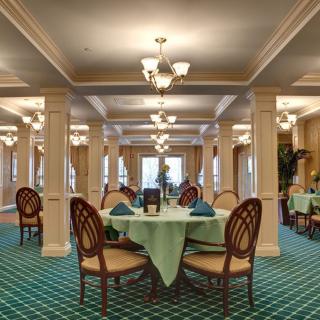
The community offers restaurant-style dining and a dining room setting.
While reviews vary on the food itself, they do align with the community having an on-site dining room and restaurant-style meals. A few reviewers specifically mention how meals were presented and whether they were enjoyable during their stay. For diet-focused residents, the community also provides options for special dietary restrictions as part of dining planning.
common4 reviews mention this
Nearby care and familiar stops
Common healthcare and everyday destinations are nearby.
Several nearby options include physician offices and pharmacies within close reach. There are also local restaurants and cafes that can help visiting family find places to grab a meal or coffee while they’re in the area.
How we summarize
Counts show how many written reviews mention each theme; a review can touch several themes, and only frequently mentioned themes are displayed.
Features
Housing
214 resident community capacity
Types of Care
Skilled Nursing Facility
Amenities
Air-conditioning
Beauty salon
Cable or satellite TV
Computer center
Dining room
Fitness room
Fully furnished
Gaming room
Garden
Housekeeping services
Kitchenette
Move-in coordination
Outdoor space
Private bathrooms
Restaurant-style dining
Small library
Telephone
Wellness center
Wi-Fi/high-speed internet available
Transportation
Atlantic City International (6 miles away)
Community operated transportation
Transportation arrangement
Transportation arrangement (non-medical)
Transportation to doctors appointments
Care Services
12-16 hour nursing
24-hour call system
24-hour supervision
Activities of daily living assistance
Assistance with bathing
Assistance with dressing
Assistance with transfers
Diabetes diet
Meal preparation and service
Medication management
Mental wellness program
Special dietary restrictions
Dining
Diabetes diet
Special dietary restrictions
Activities
Community-sponsored activities
Concierge services
Fitness programs
Planned day trips
Resident-run activities
Scheduled daily activities
Nearby Places of Interest
Physicians
Nancy Merle MD (0.2 miles)
AtlantiCare Physician Group, Primary Care Plus, Pleasantville (0.6 miles)
Generations Family Medicine PC (1.4 miles)
Atlantic Shore Family Practice (1.4 miles)
Trocki Plastic Surgery Center (1.5 miles)
Tomorrow's Wellness Center (1.5 miles)
Total Hearing Care (1.5 miles)
Pharmacies
Reverence Pharmacy (0.2 miles)
Walgreens (0.8 miles)
CVS Pharmacy (1.8 miles)
CVS Pharmacy (3.5 miles)
Walgreens (3.8 miles)
CVS Pharmacy (4 miles)
Walgreens (4.6 miles)
Restaurants
Carluccio's Coal Fired Pizza (1.3 miles)
Ventura's Offshore Cafe (1.8 miles)
Tilton Inn (1.8 miles)
Hidden Sands Brewing Company (2.2 miles)
McDonald's (3.7 miles)
Custard's Last Stand (3.7 miles)
Water Dog Smoke House (3.7 miles)
Cafes
Starbucks (1.8 miles)
No 7311 (3.7 miles)
Starbucks (3.8 miles)
Starbucks (4.9 miles)
Water Edge Cafe (5.4 miles)
Hayday Coffee (5.6 miles)
Hospitals
Atlanticare Lifeline (2 miles)
Atlanticare Regional Medical Center (5.3 miles)
Parks
Egg Harbor Township Nature Reserve (4.2 miles)
Places of Worship
Reformation Lutheran Church (4.7 miles)
Transportation
Atlantic City Rail Terminal (4.9 miles)
Atlantic City International Airport (ACY) (5.4 miles)
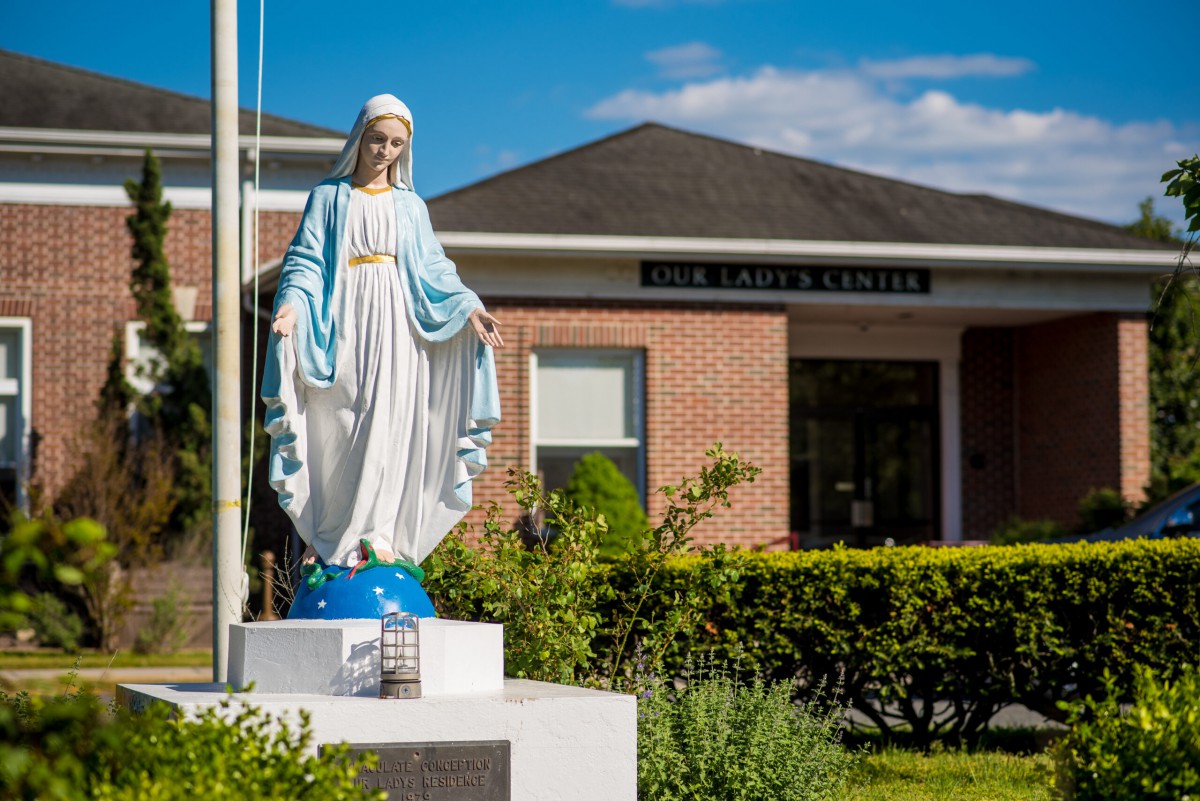
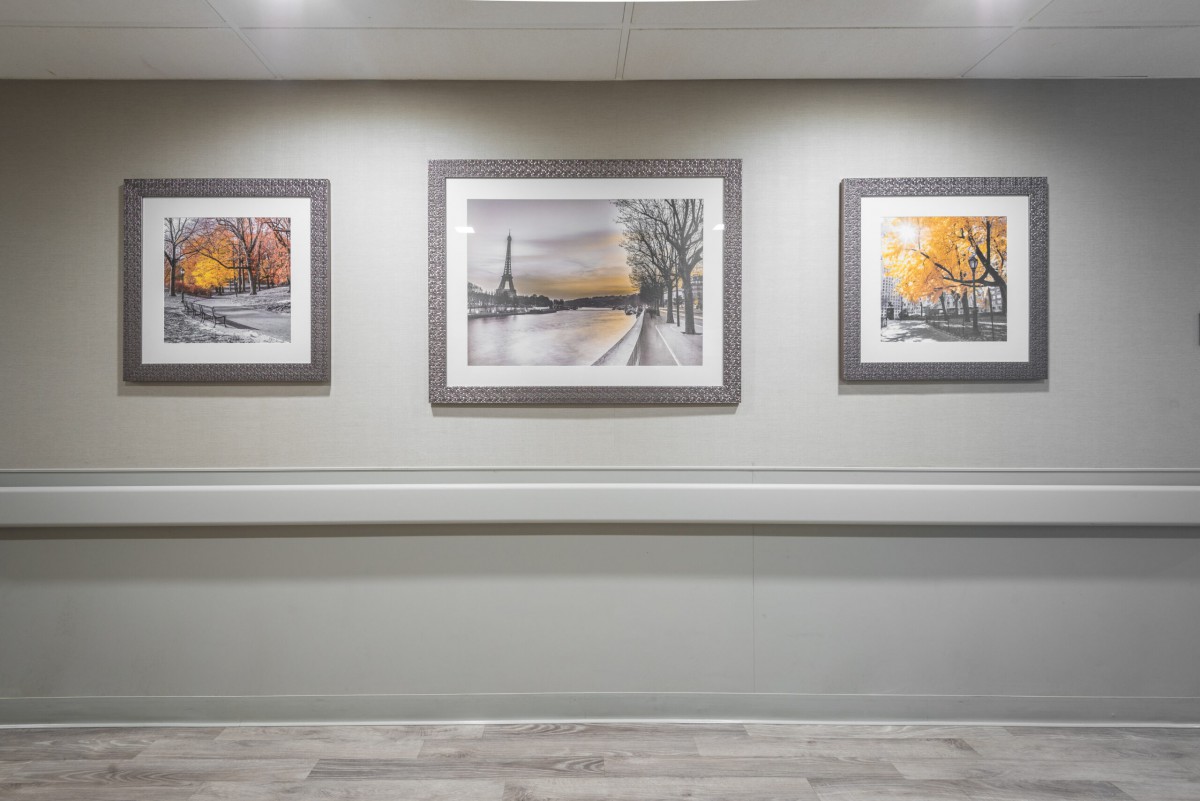
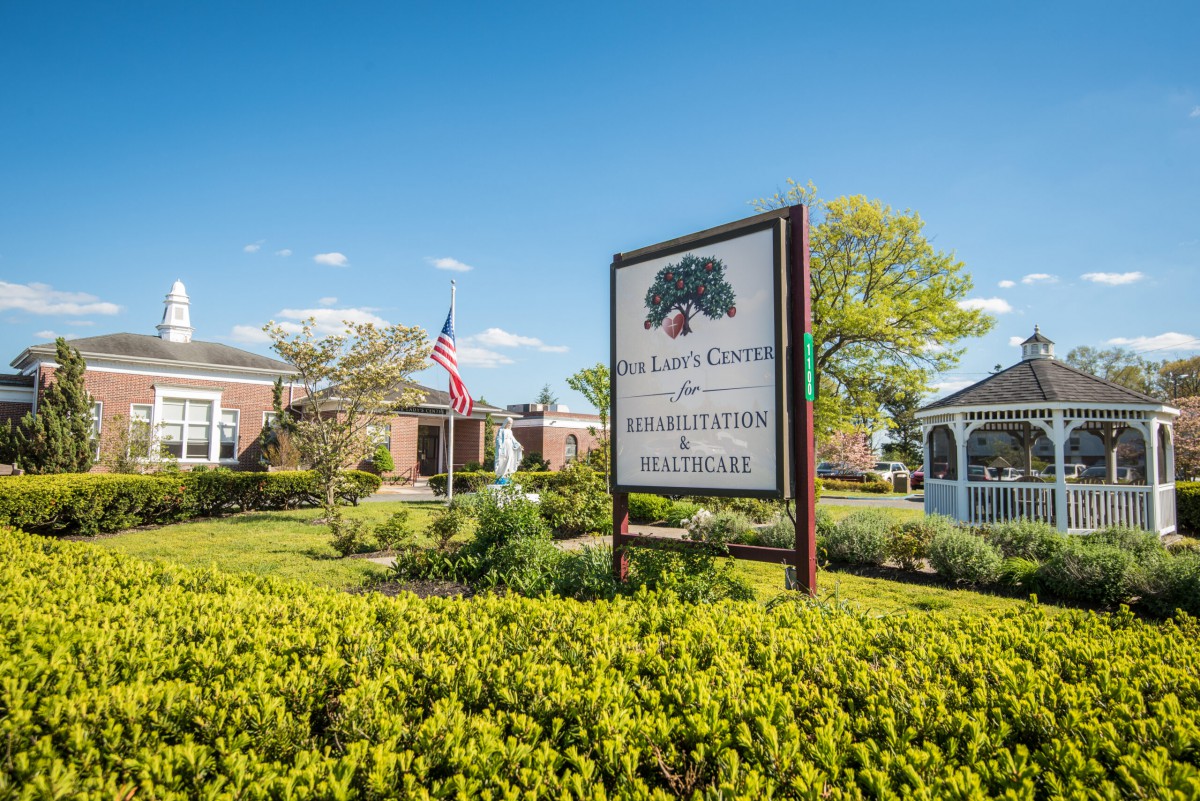
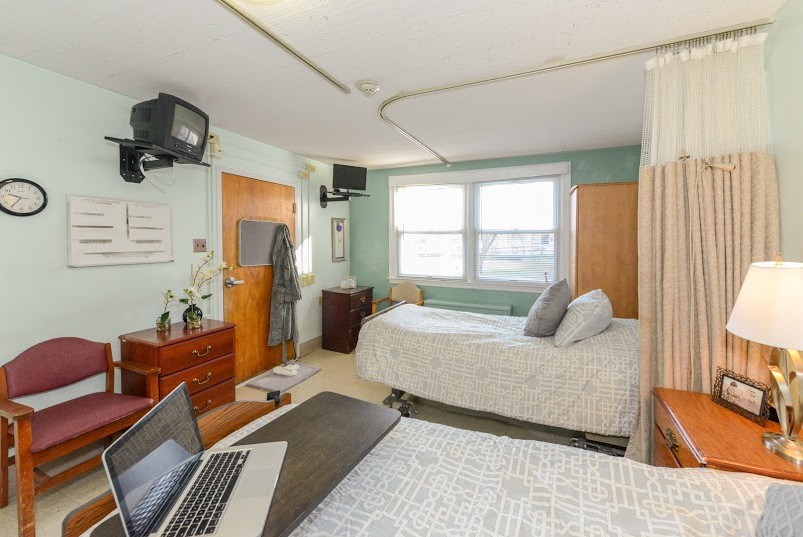
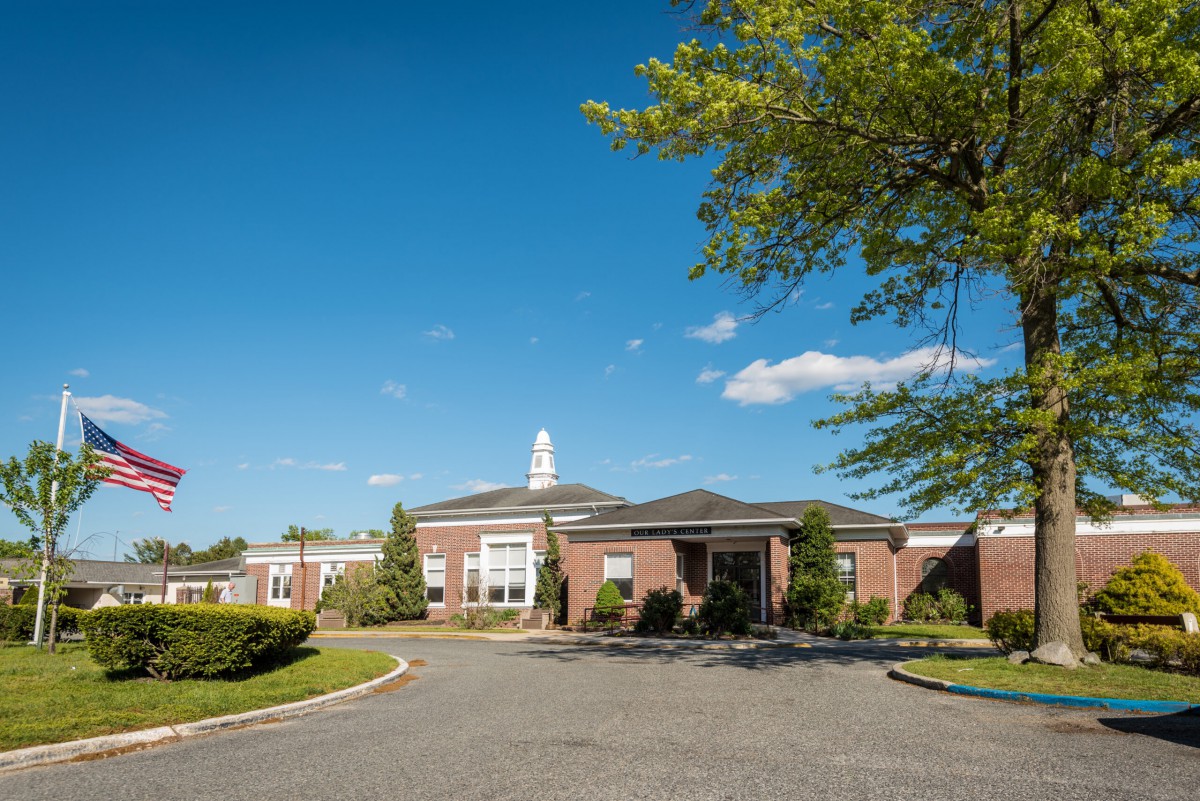
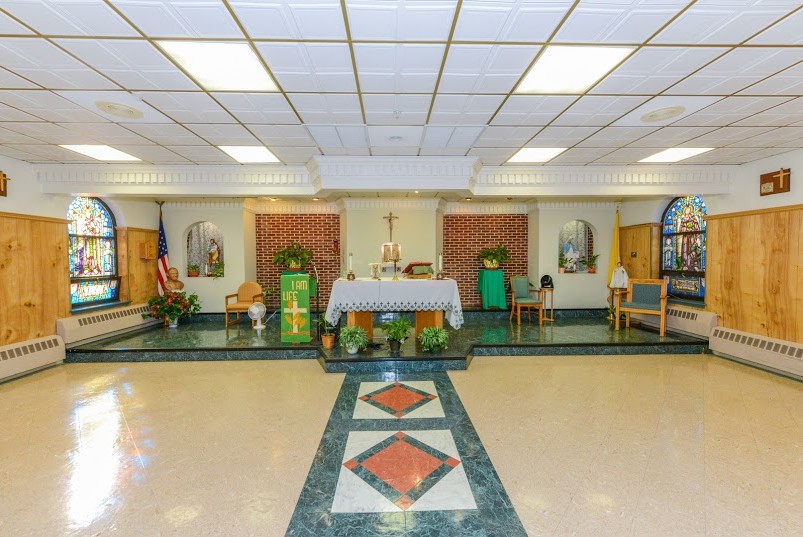
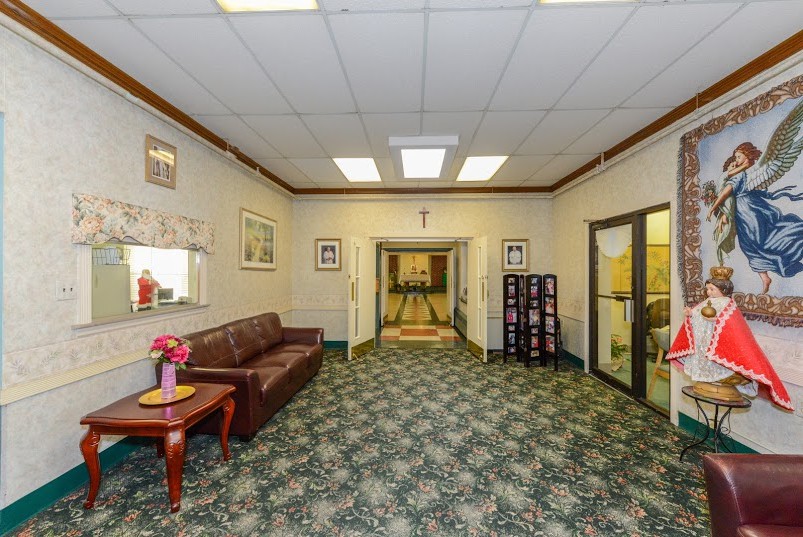
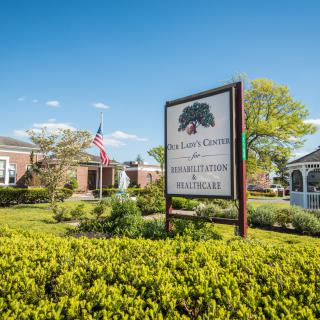
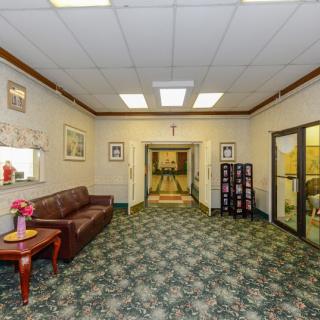
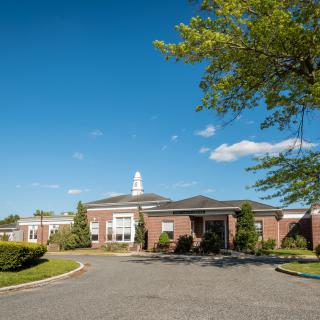
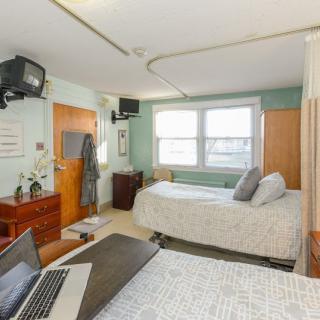
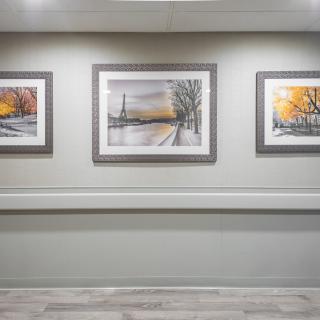
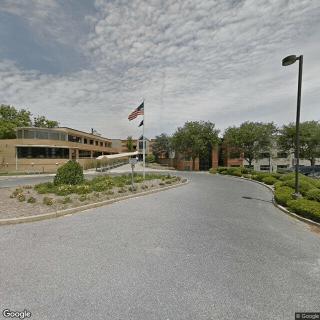
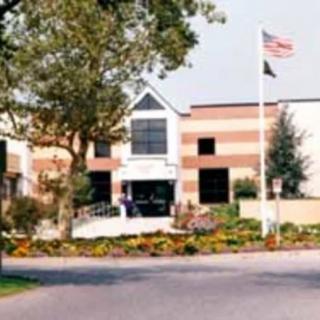
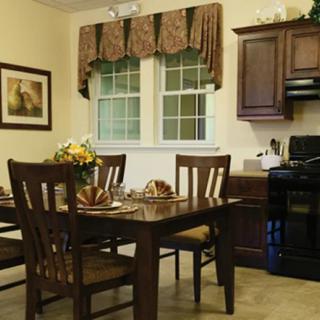
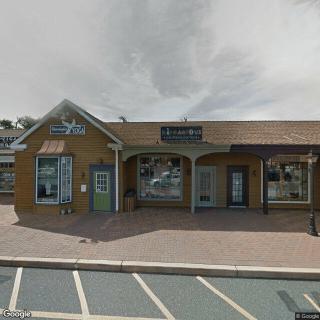
Our Lady's Center For Rehabilitation & Healthcare on seniors.fyi includes 7 photos including images showing building, architecture, interior, decor, outdoors, hospital bed, bedroom, windows, and more.
Nearby Communities
Our Lady's Multi-Care Center
Pleasantville, NJ
4.7 from 122 reviews
$6,930 to $7,260 / month
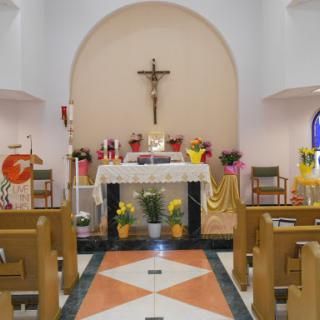
Compassionate staff delivering a warm, home-like environment with an on-site chapel.
Villa Raffaella
Pleasantville, NJ
4.4 from 9 reviews
Diabetic-care specialization with on-site activities and meals.
Villa Raffaella Assisted Living Community
Pleasantville, NJ
4.7 from 15 reviews
Clean, welcoming, home-like setting with attentive staff and varied, faith-based activities.
Meadowview Nursing Home
Northfield, NJ
4.5 from 70 reviews
Excellent access to healthcare and nearby dining options
Meadowview Nursing And Rehabilitation Center
Northfield, NJ
4.5 from 66 reviews
Comfortable accommodations with friendly staff.
Complete Care At Linwood
Linwood, NJ
4.2 from 123 reviews
Caring staff with a clean, well-maintained environment and engaging rehab and dining options.
ExcelCare at Egg Harbor
Egg Harbor Township, NJ
4.5 from 144 reviews
Effective therapy with friendly, caring staff.
Brandywine Living At Brandall Estates
Linwood, NJ
4.9 from 78 reviews
Friendly staff with engaging activities and a warm, clean atmosphere.
Brandywine Senior Living at Brandall Estates
Linwood, NJ
4.9 from 100 reviews
$3,840 to $6,630 / month
Friendly staff, engaging activities, and a welcoming, home-like environment with well-received meals.
Older adults with urinary tract infections (UTIs) often present atypical symptoms, complicating diagnosis due to factors like incomplete bladder emptying and chronic health conditions that increase their susceptibility. Effective management involves prompt treatment with antibiotics, hydration, and preventive strategies while minimizing antibiotic resistance and focusing on holistic care approaches.
California's Form 602A is a vital tool for evaluating the health needs of seniors seeking residential care, detailing their medical conditions and daily living requirements to ensure proper service alignment. This standardized form enhances communication among physicians, families, and facilities, serving as a regulatory measure for admissions and ongoing care while adapting to changing healthcare practices.
The overview of blood pressure management for seniors emphasizes the importance of monitoring and interpreting blood pressure readings, noting that normal ranges can vary due to age-related factors and individual health conditions. It highlights tailored guidelines for systolic and diastolic levels, the necessity of early detection and consistent management to prevent serious health complications, and advocates for personalized care strategies that incorporate lifestyle changes and medication adherence.
Our Lady's Center For Rehabilitation & Healthcare photos
×
Interior
Outdoors
Decor
Building
Bedroom
Wall Art
Interior and Decor
Bedroom, Windows, and Hospital Bed
Landscaping, Garden, and Church
Building
Architecture
Trees, Entrance, Brick, and Road
Outdoors
Lobby
Wall Art, Paintings, and Interior Decor
Chapel
Get PricingAsk A QuestionSchedule A TourContact Senior Advisor
By clicking submit, you agree to our Partner's Terms of Use. You
also consent to receive calls and texts, which may be autodialed, from our Partner. Your consent is not a condition to
using our Partner's service. Please visit our Partner's Privacy Policy for information about their privacy practices.

 214 resident community capacity
 Skilled Nursing Facility
 Air-conditioning
 Beauty salon
 Cable or satellite TV
 Computer center
 Dining room
 Fitness room
 Fully furnished
 Gaming room
 Garden
 Housekeeping services
 Kitchenette
 Move-in coordination
 Outdoor space
 Private bathrooms
 Restaurant-style dining
 Small library
 Telephone
 Wellness center
 Wi-Fi/high-speed internet available
 Atlantic City International (6 miles away)
 Community operated transportation
 12-16 hour nursing
 24-hour call system
 Activities of daily living assistance
 Assistance with bathing
 Assistance with dressing
 Assistance with transfers
 Diabetes diet
 Medication management
 Mental wellness program
 Special dietary restrictions
 Concierge services
 Planned day trips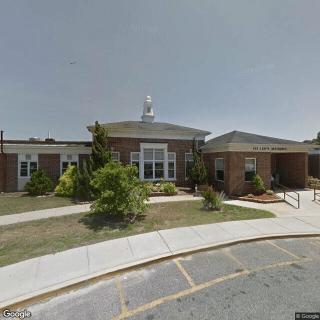
 Compassionate staff delivering a warm, home-like environment with an on-site chapel.

 Urinary Tract Infections in Older Adults: Comprehensive Insights on Symptoms, Treatment, and Prevention
 California's Form 602A: An In-Depth Examination of Senior Care Assessment
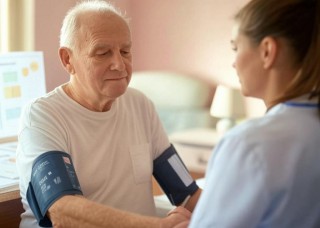 Comprehensive Look at Senior Blood Pressure Charts: Normal and Elevated Levels by Age