

1040 Highway 36, Middletown, NJ 07748
To contact a resident: (732) 291-3400
For more information about senior living options: (866) 208-4318
CareOne at King James Costs & Pricing
CareOne at King James offers a range of monthly costs that reflect the varying degrees of accommodation and services provided. For semi-private rooms, residents can expect to pay between $2,000 and $6,750, which is notably lower than the Monmouth County average of $5,251 and the New Jersey state average of $5,068. In contrast, private rooms are priced from $3,500 to $7,350. While these figures may seem higher compared to Monmouth County's average of $6,528 and New Jersey's average of $5,799, they reflect the quality care and tailored services offered by CareOne at King James. Overall, this pricing structure positions CareOne at King James competitively within the local market while maintaining a commitment to providing high-quality care for residents.
| Floor plans | CareOne at King James | Monmouth County | New Jersey |
|---|---|---|---|
| Semi-Private | $2,000 to $6,750 | $5,251 | $5,068 |
| Private | $3,500 to $7,350 | $6,528 | $5,799 |
Skilled Nursing Facilities with a similar price nearby
-
from +$360 / mo
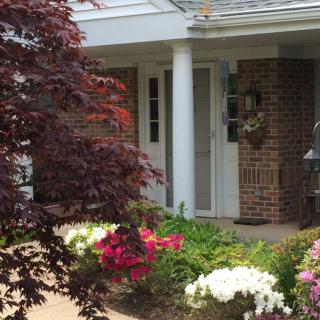
Laurel Circle
$2,360 to $3,464 / month23.8 miles away
Overall Review of CareOne at King James
Pros
 The process from touring to discharge was a positive experience.
- The staff are warm, compassionate and informative.
- Patients are greeted by the department heads upon admission, and medications, therapy, and discharge plans are reviewed to support a healthy return home.
- The atmosphere is wonderful and the food is enjoyed immensely.
- The nursing care is good, with some staff who are particularly exceptional.
- The doctor and administrator take special care of patients, and discharge plans are typically communicated a week or two in advance.
Cons
 The mother fell and re-broke her hip on the first day due to neglect and incompetence of the staff.
- No apology was offered, only concern for monetary loss after her transfer to another facility.
- The reviewer would give no stars because the place is so bad and the food is absolutely awful.
- Nursing care is only passable, with unanswered call lights and patients moaning for nurses while staff sit behind the station doing nothing.
- The reviewer warns others not to place a family member there and states they are filing formal complaints with the state.
- The meals are bland and never quite meet her preferences.
- Some of the staff are not as good as others, indicating inconsistent nursing care and slow responses.
- There were incidents where bandages were unwrapped against instructions and a tuberculosis test was administered that was not wanted.
Review
CareOne at King James in Middletown is best suited for seniors pursuing a goal of rehabilitation with a clearly defined plan to return home. The facility can deliver a constructive onboarding experience, including thorough medication reviews and therapy planning, framed by a warm, informative staff. The atmosphere can feel welcoming, and the dining experience has been described as enjoyable by some. In short, the rehab pathway is credible when the priority is to regain independence after a setback. That upside, though, rests on a core assumption: daily care and safety are consistently solid, because the strongest rehab plan cannot compensate for ongoing care gaps.
But this community warrants careful consideration for families where safety and daily nursing reliability are nonnegotiable. The most troubling thread across reviews is a history of safety incidents and uneven responsiveness, including a serious fall that occurred on the first day, leading to additional injury and little accountability afterward. If reliable call-light response, continuous monitoring, and a safety-first culture are essential, alternatives should be explored. Those seeking long-term care, memory support, or a consistently predictable nursing routine may find other options more aligned with those persistent needs. In short, the decision hinges on risk tolerance around daily care versus rehabilitation goals.
On balance, the strongest positives come from the rehab-focused frame and the people who shape it. Several reviewers highlight a thorough admissions process, clear explanations of medications, and a well-structured therapy trajectory aimed at a safe return home. Therapy is viewed as solid, social work dependable, and the leadership/administration accessible enough to foster confidence in planning. The facility’s cleanliness and overall environment also receive favorable mentions, reinforcing a perception of a well-managed setting. Yet these strengths do not erase the blunt reality of care execution gaps: unanswered call lights, inconsistent nursing attention, and some staff members who appear overextended. The gap between aspirational rehab planning and actual daily care creates a fragile foundation.
Food quality emerges as a particularly inconsistent theme that colors the overall experience. In some accounts, the meals are a bright spot or at least serviceable; in others, they are described as awful, salty, and unappealing. Nutrition matters for recovery, mood, and participation in therapy, so this variability can undercut the rehab effort. Cleanliness and general maintenance are more consistently noted as satisfactory, but a pleasant dining room and a sterile corridor do not compensate for the unpredictability in day-to-day care. Families should vet current dietary accommodations, menu flexibility, and how nutrition is integrated into the recovery plan before committing, as this aspect often influences appetite, energy, and progress.
To translate these impressions into a confident decision, prospective residents should push for specifics during visits. Clarify nurse-to-resident ratios, the typical response time for call bells, and the formal systems in place to prevent falls and unplanned transfers. Probe leadership accessibility, including whether doctors or administrators remain reachable for urgent questions, since some reviews point to direct lines of communication. Request recent incident reports and a transparent explanation of any past complications, and listen for concrete commitments to daily updates during rehab. Observing a shift, speaking with front-line caregivers about workload, and confirming staffing consistency can reveal whether the stated rehab-first mindset translates into reliable daily care.
Ultimately, CareOne at King James presents a credible option for families focused on a solid rehab trajectory and a structured discharge plan, backed by a generally pleasant setting and capable, if uneven, staff. The potential for meaningful recovery exists, but it is tempered by safety concerns and inconsistencies in nursing responsiveness that can derail progress if not actively managed. The decision should weigh the facility’s strengths in planning and therapy against the most serious risks tied to daily care. If safety oversight and reliable, responsive care are nonnegotiable expectations, explore additional options with firmer safety records. If the tour confirms steady leadership, dependable therapy, and a workable dining experience, the community can be a viable path back home, provided a concrete back-up plan is in place and expectations are managed accordingly.
 Skilled Nursing Facility
 Private
 Newark International (18 miles away)



 A Detailed Exploration of Living Wills and Advance Directives
 Comprehensive Guide to Medicare Coverage for Hospice Care
 Caring for Those Who Care: Recognizing, Understanding, and Overcoming Caregiver Burnout