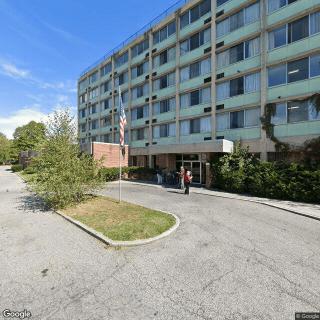
Center for Hope Elizabeth

Save

  • Interior

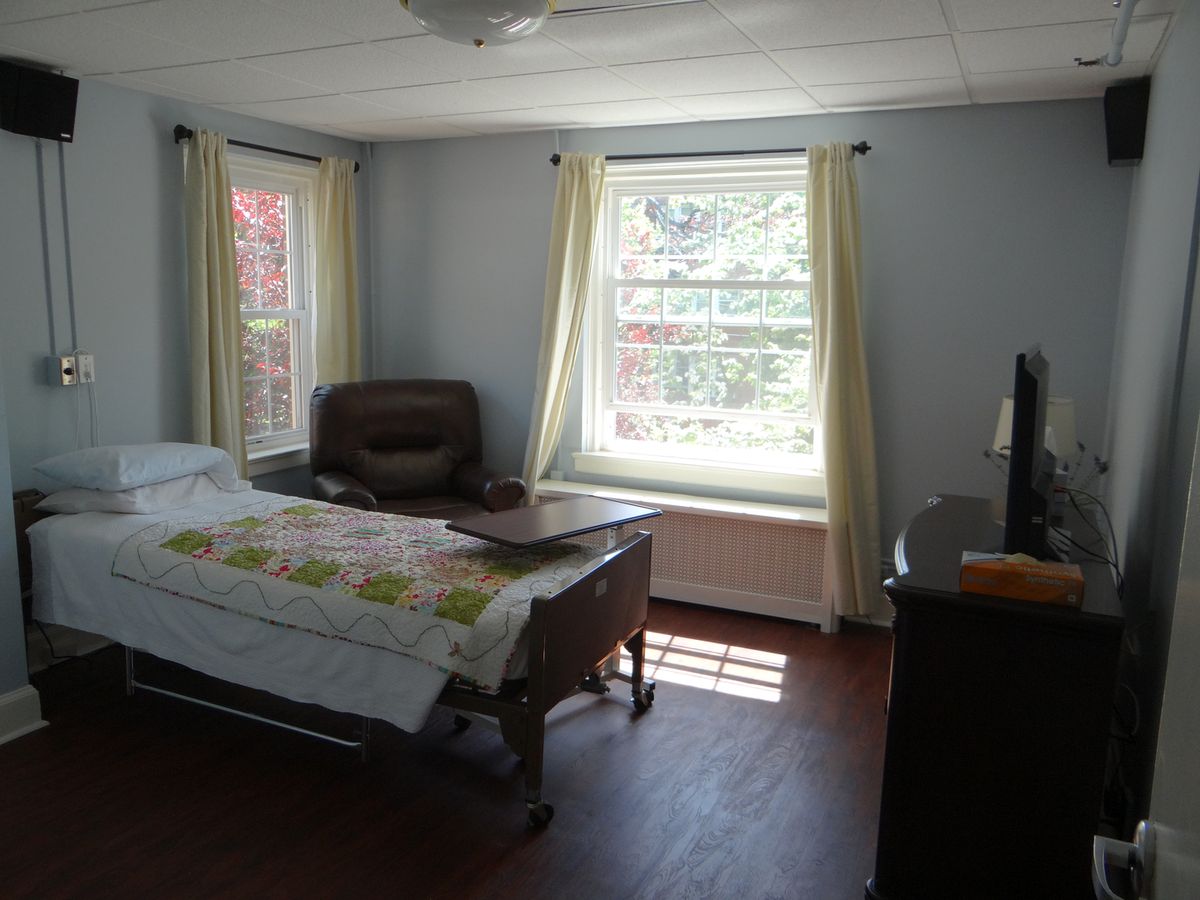
    A simple bedroom with a bed, chair, and window with curtains.
  • Decor

    A cozy bedroom with a single bed, two windows with curtains, and a bedside lamp.
  • Living Room

    A vintage-style living room with a chandelier, fireplace, and classic armchairs.
  • Building

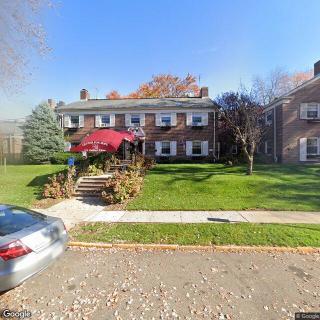
    A brick building with a red awning covering the entrance, surrounded by greenery.
  • Windows

    A cozy living room with a sofa, television, and plenty of natural light from large windows and a skylight.
  • Dining

    A cozy dining room with red walls, wooden floors, and yellow tablecloths.
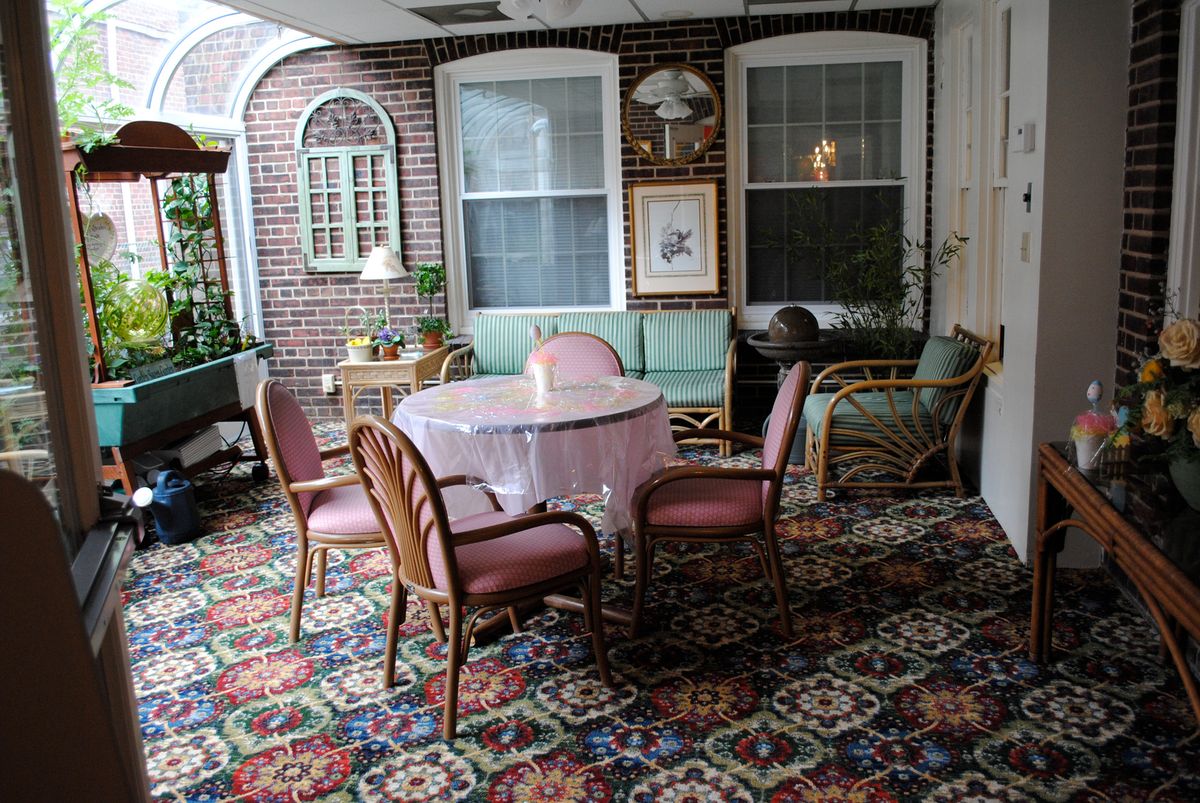
  • Seating Area

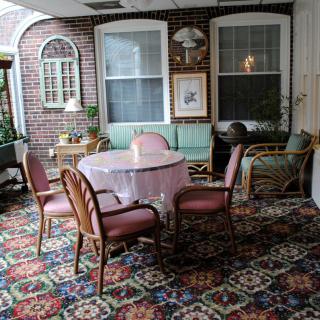
    A cozy seating area with a table and chairs, featuring a decorative carpet and large windows.
  • Natural Light

    A cozy sunroom featuring wicker furniture, indoor plants, and abundant natural light.
  • Church

    An interior view of a small chapel with an altar and stained glass windows.

Center for Hope Elizabeth

111 Dehart Place, Elizabeth, NJ 07202

For more information about senior living options: (844) 490-3973

4.6 from 31 reviews
5 stars
27
4 stars
1
3 stars
1
2 stars
0
1 stars
2

Skilled Nursing Facility

Overall Review of Center for Hope Elizabeth

Pros

  • pro The nurses and staff at Center of Hope made families feel they had made the right decision.
  • pro Chris is described as an amazing nurse whose care reassured the family their loved one was being looked after.
  • pro Jonathan and his staff are said to truly care about their patients.
  • pro The Center of Hope is noted as warm, homey, and supportive for families.
  • pro The in-house cooking and clean, serene environment contribute to a comforting atmosphere.
  • pro Families report their loved ones died peacefully and were well cared for.
  • pro Staff consistently go above and beyond to help patients be comfortable and happy.
  • pro The Center for Hospice is described as compassionate, professional, and going beyond expectations.
  • pro The facility is praised as beautiful, serene, and a blessing to families in need of end-of-life care.

Cons

  • pro A reviewer claimed that the patient was sedated so deeply he could not open his eyes.
  • pro A reviewer alleged that staff drugged and sedated a patient just because he became anxious, calling it inappropriate and inhumane.
  • pro A family said they had to remove their father from the facility and did not appreciate what had taken place.
  • pro A commenter questioned how the facility could maintain a 4.9 rating after describing a most horrible and inhuman experience with a terminal patient.
  • pro A reviewer felt that because they lived out of state, the last moments of their relative were ruined and they were left hurt.
  • pro A comment stated that their home hospice was "very average" and not what they expected.
  • pro A critic asserted that if staff cannot love their patients, they should reconsider their career field.

Review

In the midst of a family member facing a difficult decline, finding a place that can offer both dignified care and emotional support becomes a central concern. For several families, Center of Hope (also referred to in some notes as Center for Hospice or Center for Hope Hospice) has emerged as a beacon during those hard days. The overarching impression many visitors describe is that the staff - especially a core group of nurses and coordinators - bring warmth, attentiveness, and a genuine commitment to both patients and their families. From the moment they arrived, some families felt a strong sense that they had found the right place, a contrast to smoother but less personal experiences elsewhere. In particular, several relatives highlighted a nurse named Chris and a leader named Jonathan as exceptional in their roles, consistently conveying care that extended beyond routine rounds to real, compassionate engagement with loved ones who could not be present at every moment.

What resonates across many of the testimonials is the way the team strives to create a comforting, home-like environment in what can be the most challenging of times. Reviewers repeatedly mention how the Center's staff made them feel they were not alone - that their loved one was being looked after with kindness and skill when family members could not be there around the clock. The tone is often one of gratitude: a sense that choosing this facility brought a measure of peace at a moment when fear and uncertainty could otherwise overwhelm a family. The sentiment is reinforced by small, tangible elements - a warm reception, a responsive nursing staff, in-house cooking, and a facility atmosphere described as warm and homey - that collectively contributed to a perception that the patient's final days could be spent with dignity and comfort.

Several families go further, acknowledging the staff's role in easing the emotional burden on the bereaved. They describe relationships built over a short window of time - an unusual intimacy that comes when caretakers become a kind of extended family during end-of-life care. Names like Chris, Debbie, Julia, Stephanie, Harriet, and many others recur in grateful messages, with specifics about how they went above and beyond to ensure both patient comfort and family reassurance. The compliments span practical help (rounds that truly care for the patient's needs) to emotional support (offering guidance, listening, and reassuring updates) and even culinary care, with notes about meals prepared with care.

Yet, the picture is not uniformly rosy. A number of accounts detail deeply troubling experiences that ran counter to the compassionate standard many hoped to find. One family reported that their loved one was so sedated at one visit that he could not open his eyes, arguing that this level of sedation did not reflect compassionate care and questioning the ethics of such treatment. The sentiment was strong: "You cannot drug and sedate a person just because they get anxious," accompanied by a call for love, compassion, and a more humane approach. This account ended with a painful decision to move the patient elsewhere and a sense of disappointment that remains poignant for those who read it.

Another reviewer expressed a broader dissatisfaction with the facility's overall quality, suggesting that despite a high rating, their own terminal experience was "the most horrible and inhuman," with the last moments of their family member marked more by hurt feelings than by the peace they had hoped to achieve. The critique emphasizes the disconnect between a praised reputation and what they experienced in practice, underscoring the importance of ensuring that every family's experience aligns with the compassionate mission claimed by the staff.

Despite these serious concerns, the positive cloud surrounding Center of Hope remains powerful for many families. Several testimonials describe "the best place ever," where a loved one received attentive care, and where family members felt a steady hand guiding the process. One grateful account notes a mother who "died peacefully in her sleep," thanks to daily nurse visits and a staff that helped the family focus on comfort rather than worry. Others speak of a homey atmosphere, clear communication, and a consistent sense that the team's mission is to support both patient and family through the emotional and practical challenges of end-of-life care.

In addition to personal care, multiple families commend the organization for its comprehensive support network. They highlight not only the nurses and aides but also social workers, office staff, kitchen workers, and other team members who contributed to a sense of continuity and trust. The message is consistent: the staff's dedication extends beyond immediate medical needs to include emotional sustenance, clear explanations, and a willingness to tailor care to each patient's preferences and family dynamics. The gratitude often culminates in formal recognitions of individuals and the collective effort, with references to specific caregivers by name and a general sense of appreciation for the "wonderful trusting bond" that developed during a difficult time.

A recurring contrasts-run deep within these experiences - some narratives celebrate the center as a haven, while others voice concerns about certain practices - reflects the complexity of hospice care. Some have described the care as exceptionally compassionate, with families feeling supported in every sense and expressing prayers of gratitude for the care provided. Others remind readers that hospice work is deeply human and can evoke strong emotions about treatment choices, sedation practices, and how best to honor a loved one's last moments. Taken together, these perspectives provide a nuanced portrait: Center of Hope is widely recognized for its compassionate staff and supportive environment, yet individual experiences can vary, underscoring the importance of clear communication and attentive care tailored to each patient's needs.

In the end, the consensus across many accounts is that Center of Hope offers a caring, professional option for families seeking end-of-life care. The facility's strengths - compassionate nurses, responsive coordinators, a home-like atmosphere, and a team-wide commitment to easing both patient comfort and family burden - emerge as the common thread. While not every experience was perfect, and a few families encountered stark, troubling challenges that prompted them to reconsider, the prevailing message is one of heartfelt gratitude from many whose lives were touched during some of their most trying times. For those navigating the difficult choices around terminal care, these reflections suggest that Center of Hope can be a place of dignity, warmth, and daily acts of genuine care when it matters most.

Features

Housing

  • 25 resident community capacity 25 resident community capacity

Types of Care

  • Skilled Nursing Facility Skilled Nursing FacilitySkilled Nursing Facilities are crucial for seniors as they provide round-the-clock medical care, rehabilitation services, and assistance with daily activities. These facilities ensure that seniors receive the specialized care they need to maintain their health and well-being as they age.

Amenities

  • Air-conditioning Air-conditioningAir conditioning is important for seniors as they are more vulnerable to heat-related illnesses and may have underlying health conditions that make it difficult for them to regulate their body temperature. It helps to keep them comfortable, safe, and healthy in hot weather.
  • Beauty salon Beauty salonBeauty salons are important for seniors because they provide a space for them to feel pampered, socialize, and maintain their personal grooming and hygiene. Regular visits to a beauty salon can help boost seniors' self-esteem and overall well-being.
  • Cable or satellite TV Cable or satellite TVCable or satellite TV is important for seniors because it provides entertainment, news, and companionship, helping to combat loneliness and boredom. It also offers a wide range of programming options tailored to different interests and preferences.
  • Dining room Dining roomDining rooms are important for seniors as they provide a space for socialization, connection, and nutritious meals. They offer opportunities for residents to bond over shared meals, foster a sense of community, and promote healthy eating habits. Dining rooms also ensure that seniors have access to well-balanced meals tailored to their dietary needs and preferences.
  • Family education and support services Family education and support servicesFamily education and support services are crucial for seniors as they provide resources, guidance, and assistance to both the elderly individuals and their families. These services help in navigating the challenges of aging, improving communication among family members, enhancing quality of life, and ensuring that seniors receive the care and support they need to live independently and comfortably.
  • Family private dining rooms Family private dining roomsFamily private dining rooms are important for seniors as they provide a space for quality time with loved ones, encourage social interaction, and allow for a sense of normalcy and comfort in their living environment. This can greatly improve their overall well-being and quality of life.
  • Fully furnished Fully furnishedFully furnished senior living communities are important for seniors because they provide convenience, comfort, and a hassle-free moving experience. Seniors can easily settle into their new living space without the stress of having to buy and move furniture. This allows them to focus on enjoying their new home and community.
  • Gaming room Gaming roomGaming rooms are important for seniors as they provide a fun and engaging environment for socializing, cognitive stimulation, and physical activity. Games can improve memory, problem-solving skills, and overall mental well-being while fostering friendships and reducing feelings of isolation.
  • Garden GardenGardens are important for seniors as they provide a peaceful and therapeutic environment for relaxation, physical activity, and socialization. Being in nature has been shown to reduce stress, improve mood, and promote overall well-being. Gardens also offer opportunities for seniors to engage in gardening activities, which can improve mobility, flexibility, and cognitive function. Additionally, gardens create a sense of community and connection with others who share a passion for plants and outdoor spaces.
  • Housekeeping services Housekeeping servicesHousekeeping services are important for seniors because they help maintain a clean and safe living environment, promote independence, and reduce the risk of accidents or illnesses. Additionally, having assistance with household chores can alleviate physical strain and allow seniors to focus on other aspects of their well-being.
  • Located close to restaurants Located close to restaurantsBeing located close to restaurants is important for seniors because it offers convenience, social opportunities, and the ability to maintain a healthy and varied diet. Easy access to dining options allows seniors to enjoy meals with friends or family, try new cuisines, and support their overall well-being.
  • Located close to shopping centers Located close to shopping centersBeing located close to shopping centers is important for seniors because it provides easy access to daily necessities, social interaction, and recreational activities. This convenience can enhance their quality of life and independence, making it a desirable feature for senior living communities.
  • Move-in coordination Move-in coordinationMove-in coordination is important for seniors because it helps ease the transition into their new living environment. It ensures that all logistics, such as packing, organizing movers, and setting up utilities are taken care of, allowing seniors to focus on settling in and adjusting to their new home. Having a smooth move-in process can alleviate stress and anxiety, making the transition smoother and more enjoyable for seniors.
  • Outdoor patio Outdoor patioOutdoor patios are essential for seniors as they provide a safe and peaceful space for them to enjoy the outdoors, socialize with friends and family, engage in physical activity, and soak up natural sunlight which promotes overall well-being and mental health.
  • Outdoor space Outdoor spaceOutdoor spaces are important for seniors as they provide opportunities for physical activity, social interaction, exposure to natural light and fresh air, and a sense of connection to nature. Having access to outdoor spaces can improve overall well-being and quality of life for older adults living in senior communities.
  • Private bathrooms Private bathroomsPrivate bathrooms are important for seniors in senior living communities because they provide independence, dignity, and comfort. Having a private bathroom allows seniors to maintain their personal hygiene routines without the need for assistance, promoting a sense of autonomy and privacy. Additionally, private bathrooms help prevent the spread of infections and provide a safe and clean environment for seniors to navigate safely.
  • Religious/meditation center Religious/meditation centerReligious and meditation centers provide seniors with a sense of community, purpose, and spiritual fulfillment. They offer opportunities for social connection, personal growth, stress relief, and emotional support. These centers can help seniors maintain mental and emotional well-being as they navigate the challenges of aging.
  • Restaurant-style dining Restaurant-style diningRestaurant-style dining is important for seniors because it allows them to enjoy delicious, nutritious meals in a social and upscale setting. This enhances their dining experience, promotes healthy eating habits, and fosters socialization with fellow residents, ultimately contributing to their overall well-being and quality of life.
  • Small library Small librarySmall libraries are important for seniors as they provide access to a variety of reading materials, including books, newspapers, and magazines. This can help stimulate their minds, keep them engaged, and provide a sense of community through book clubs and other social activities. Additionally, reading has been shown to improve cognitive function and overall mental well-being in older adults.
  • Telephone TelephoneTelephones are important for seniors as they provide a lifeline for communication with loved ones, emergency services, and healthcare providers. They offer a sense of security and independence, enabling seniors to stay connected and access assistance when needed.
  • Wi-Fi/high-speed internet available Wi-Fi/high-speed internet availableWi-Fi/high-speed internet is important for seniors to stay connected with loved ones, access online resources, and participate in virtual activities to combat feelings of loneliness and isolation. It also allows them to easily manage healthcare needs, access entertainment, and engage in lifelong learning opportunities.

Transportation

  • Newark International (4 miles away) Newark International (4 miles away)
  • LaGuardia (20 miles away) LaGuardia (20 miles away)
  • John F Kennedy International (23 miles away) John F Kennedy International (23 miles away)

Care Services

  • 24-hour call system 24-hour call system24-hour call systems are important for seniors because they provide peace of mind and immediate assistance in case of emergencies. This technology ensures that help is always available, promoting safety and security for elderly individuals living alone or in assisted living facilities.
  • 24-hour nursing 24-hour nursing24-hour nursing is important for seniors because it provides round-the-clock medical care and support, ensuring their health and safety are consistently monitored and attended to. This level of care can help prevent emergencies, manage chronic conditions, and provide peace of mind for both seniors and their families.
  • 24-hour supervision 24-hour supervision24-hour supervision is important for seniors to ensure their safety, well-being, and access to immediate assistance in case of emergencies or health issues. This constant support provides peace of mind for both seniors and their loved ones, allowing them to age in place with dignity and security.
  • Accept incoming residents on hospice Accept incoming residents on hospiceAccepting incoming residents on hospice is important for seniors because it allows them to receive specialized end-of-life care in a comfortable and supportive environment. This ensures that they can maintain their dignity and quality of life during their final days, surrounded by compassionate staff who are trained to provide the necessary medical and emotional support.
  • Activities of daily living assistance Activities of daily living assistanceActivities of daily living assistance are important for seniors because they provide essential support with tasks such as eating, bathing, dressing, and mobility. This assistance helps seniors maintain their independence, dignity, and overall quality of life as they age.
  • Assistance with bathing Assistance with bathingAssistance with bathing is crucial for seniors as it helps maintain personal hygiene, prevents infections, and ensures their overall well-being and comfort. It also provides a sense of dignity and independence for seniors who may struggle with this task on their own.
  • Assistance with dressing Assistance with dressingAssistance with dressing is important for seniors because it helps maintain their independence, promotes personal hygiene, prevents accidents and injuries, and improves overall quality of life. This service ensures that seniors can continue to dress comfortably and confidently, despite any physical limitations they may have.
  • Assistance with transfers Assistance with transfersAssistance with transfers is crucial for seniors as it helps prevent falls and injuries, maintains their independence, and ensures they can safely navigate their living environment. It also provides peace of mind for both seniors and their loved ones.
  • Coordination with health care providers Coordination with health care providersCoordination with health care providers is crucial for seniors to ensure proper medical care, medication management, and overall well-being. This collaboration helps prevent overlapping treatments, track progress more effectively, and provide comprehensive support tailored to individual needs.
  • Diabetes diet Diabetes dietA diabetes diet is crucial for seniors as it helps manage blood sugar levels, reduce risks of complications, and improve overall health and well-being. By following a balanced and nutritious diet tailored to their specific needs, seniors can better control their diabetes and enhance their quality of life.
  • Meal preparation and service Meal preparation and serviceMeal preparation and service are crucial for seniors as they may have limited mobility or energy to cook nutritious meals. Having access to healthy and convenient food options can ensure they are getting the proper nutrition needed to maintain their overall health and well-being.
  • Medication management Medication managementMedication management is crucial for seniors to ensure they are taking the right medications at the correct dosages and times. This helps prevent adverse drug interactions, reduces the risk of medication errors, and promotes overall health and well-being. Proactive management also allows for adjustments as needed based on changing health conditions or new prescriptions.
  • Respite program Respite programRespite programs provide short-term relief for family caregivers and allow seniors to receive temporary care in a safe and supportive environment. These programs help prevent burnout among caregivers, promote socialization for seniors, and offer a break from the challenges of daily caregiving responsibilities.
  • Same day assessments Same day assessmentsSame day assessments are crucial for seniors because they provide immediate insight into their needs and abilities, allowing for more timely and effective care planning. This can help address any urgent concerns or issues that may arise, ensuring seniors receive the appropriate support as quickly as possible.
  • Special dietary restrictions Special dietary restrictionsSpecial dietary restrictions are important for seniors because age-related changes in metabolism and health conditions can make it difficult for their bodies to process certain foods. By following a diet tailored to their specific needs, seniors can maintain their overall health and well-being, manage chronic conditions, and reduce the risk of complications such as malnutrition or food interactions with medications.

Dining

  • Diabetes diet Diabetes dietA diabetes diet is crucial for seniors as it helps manage blood sugar levels, reduce risks of complications, and improve overall health and well-being. By following a balanced and nutritious diet tailored to their specific needs, seniors can better control their diabetes and enhance their quality of life.
  • Special dietary restrictions Special dietary restrictionsSpecial dietary restrictions are important for seniors because age-related changes in metabolism and health conditions can make it difficult for their bodies to process certain foods. By following a diet tailored to their specific needs, seniors can maintain their overall health and well-being, manage chronic conditions, and reduce the risk of complications such as malnutrition or food interactions with medications.

Activities

  • Community-sponsored activities Community-sponsored activitiesCommunity-sponsored activities are important for seniors as they provide opportunities for social interaction, mental stimulation, and physical activity. These activities can help improve overall well-being, combat loneliness and isolation, and promote a sense of belonging and purpose among older adults.
  • Concierge services Concierge servicesConcierge services are essential for seniors as they provide assistance with daily tasks and errands, enhance their quality of life by offering convenience and personalized care, and promote a sense of safety and security.
  • Resident-run activities Resident-run activitiesResident-run activities are important for seniors as they encourage social interaction, creativity, and a sense of autonomy. These activities empower seniors to stay engaged and active in their community while fostering meaningful connections with their peers.
  • Scheduled daily activities Scheduled daily activitiesScheduled daily activities are important for seniors because they provide structure, socialization, mental stimulation, and physical activity. Engaging in regular activities can improve overall well-being and quality of life for seniors living in a community setting.

Description

The Center for Hope Elizabeth in Elizabeth, NJ is a welcoming and fully furnished assisted living community that offers a wide range of amenities and care services to meet the needs of its residents. The community is conveniently located near restaurants, shopping centers, and other local attractions.

Residents can enjoy a variety of amenities such as a beauty salon, gaming room, small library, and outdoor spaces including a garden and patio. There is also a religious/meditation center available for those seeking spiritual support.

The dining experience at Center for Hope Elizabeth is restaurant-style, offering delicious meals prepared with special dietary restrictions in mind. Residents can also enjoy private dining rooms for family gatherings.

Care services provided include 24-hour nursing supervision, assistance with activities of daily living such as bathing and dressing, medication management, and coordination with health care providers. The community also accepts incoming residents on hospice and offers respite programs.

Center for Hope Elizabeth strives to keep residents engaged and active through resident-run activities and scheduled daily activities. Additionally, concierge services are available to assist residents in accessing nearby cafes, parks, pharmacies, physicians' offices, restaurants, theaters, and transportation options.

With its comprehensive amenities and caring staff members who prioritize the well-being of their residents, the Center for Hope Elizabeth provides an exceptional assisted living experience in a convenient location.

Nearby Places of Interest

Pharmacies

  • CVS Pharmacy (0.4 miles)
  • Walgreens (1.2 miles)
  • Walgreens (2.7 miles)
  • ACME Markets Pharmacy (3.1 miles)
  • CVS Speciality (3.5 miles)
  • Walgreens (3.6 miles)
  • CVS Pharmacy (3.9 miles)

Transportation

  • Avis Rent A Car (2.7 miles)
  • Hertz Rent A Car (2.7 miles)
  • Terminal A (2.8 miles)
  • American Airlines Admirals Club (2.8 miles)
  • Delta Sky Club (3.1 miles)
  • TSA PreCheck (3.1 miles)
  • Newark Liberty International Airport (EWR) (3.1 miles)

Physicians

  • Merck (2.7 miles)
  • Premier Urology Group (3.4 miles)
  • Kenilworth Primary Care (3.5 miles)
  • Kartan Saritha Summit Medical Group Westfield (5.6 miles)
  • Summit Medical Group (6.8 miles)

Cafes

  • Dunkin (2.8 miles)
  • The Bread Stand (4.1 miles)
  • True Salvage Cafe (4.6 miles)
  • Starbucks (4.6 miles)
  • Starbucks (6 miles)
  • Starbucks (6.1 miles)

Theaters

  • 2198 Amc Jersey Garden (3 miles)
  • AMC DINE-IN Staten Island 11 (6.5 miles)

Restaurants

  • Vanguard Kitchen (3.4 miles)
  • El Gordo (3.7 miles)
  • Bond Street Cafe (4 miles)
  • Huck Finn Diner (4.2 miles)
  • The Able Baker (5.4 miles)
  • Heartland Bagels (5.9 miles)
  • Millburn Delicatessen (6 miles)

Parks

  • Winfield Park (3.9 miles)
  • Milo S. Borden Park (4.8 miles)
  • Milton Lake Park (4.8 miles)
  • Memorial Park (5.2 miles)
  • Stephen R Gregg Bayonne Park (6 miles)
  • Clove Lakes Park Playground (6 miles)
  • Mindowaskin Park (6.4 miles)

Places of Worship

  • Morrow Memorial United Methodist Church (5.5 miles)

Hospitals

  • Saint Barnabas Medical Center (8 miles)

Frequently Asked Questions

Where is Center for Hope Elizabeth?
What photos are available for Center for Hope Elizabeth in Elizabeth, New Jersey?

Nearby Communities

Related Resources

  • memory games for seniors9 Stimulating Memory Activities for Seniors: Puzzles, Cards, and Much More

    The article highlights nine memory-boosting activities for seniors that enhance cognitive health and social interaction, including puzzles, trivia quizzes, and storytelling, while emphasizing the importance of adapting these activities to individual preferences to maximize enjoyment and engagement. Consistent mental engagement is linked to improved cognitive function and emotional well-being in older adults.

  • what happens when medicare stops paying for nursing home careManaging Nursing Home Expenses After Medicare Coverage Ends

    Medicare provides limited coverage for skilled nursing home care, covering full benefits for the first 20 days and partial benefits up to 100 days under certain conditions, after which families must explore alternative funding options like Medicaid or long-term care insurance to manage potentially high costs. Proactive planning is essential to navigate the complexities of financing ongoing care once Medicare coverage ends.

  • geriatric care managerIs a Geriatric Care Manager the Right Choice for Your Family?

    Geriatric care managers create personalized care plans for older adults, addressing their medical, social, financial, and psychological needs while coordinating services and advocating for their well-being. They help families navigate caregiving challenges but may be hindered by high costs and a shortage of qualified professionals.