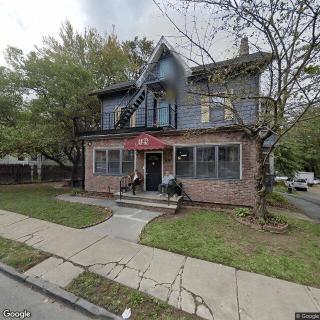
140 Park Ave, East Orange, NJ 07017
To contact a resident: (973) 677-1500
For more information about senior living options: (866) 208-4318
Overall Review of Gardens Care & Rehabilitation
Pros
 Windsor Gardens of East Orange is described as an amazing place with a staff that is beyond attentive to residents’ needs.
- The staff are knowledgeable, kind, and personable, contributing to a welcoming atmosphere.
- Families are kept fully informed about care through consistent updates by phone or email when they can’t be present.
- Residents are treated with loving respect by the staff, creating a caring environment.
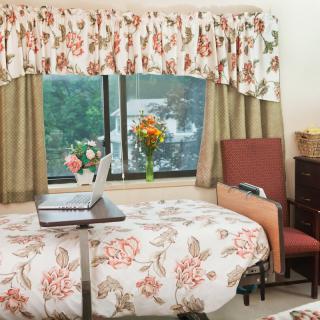
- The unit is clean and private, with wound-care capabilities that provide reassurance.
- Admissions staff are professional and courteous, and the facility is noted for overall cleanliness and good, caring staff.
Cons
 The facility is dirty and unclean, and the staff are rude and unhelpful.
- Management does not pay their emergency service bills.
- CNAs neglect daily hygiene and fail to clean residents.
- The staff are not honest about diagnoses and care plans, leading to worsened health in residents.
- The new regional activities director was a total disaster and undermined operations.
- The facility lets good staff go after a single negative patient complaint.
- The site lacks security for staff and residents, signaling that safety is not valued.
- They waited to inform the family until after the patient died during a respiratory distress.
Review
Gardens Care & Rehabilitation in East Orange is best suited for families that want a care environment where front-line staff interactions often feel personal and attentive, and where a family can actively participate in monitoring daily care. The community appears to reward a warm, welcoming atmosphere and responsive communication when care plans or changes need to be conveyed. This is not a facility that runs on auto-pilot; a family that conducts regular check-ins and asks targeted questions about daily routines, hygiene, and safety will likely experience the most value. In short, it serves households that value relationship-driven care and are prepared to stay engaged.
Those who may want to consider alternatives include families whose top criteria are rock-solid safety, consistent cleanliness, and uniformly reliable service across all shifts. Reviews reveal a troubling variability: while some staff are described as kind and professional, others describe rude behavior, gaps in care, and a lack of transparency in medical decisions. Concerns about daily hygiene, unattended patient needs, and even missing personal items suggest that predictability and accountability can vary by department and shift. For families prioritizing a consistently scrupulous environment and proactive crisis response, a closer comparison with other options is wise.
The strongest pros center on bedside warmth and communication that some families found genuinely reassuring. When staff are aligned and approachable, residents feel respected, and families report being kept informed about care changes through calls or emails. In these moments, the caregiving teams demonstrate what compassionate, person-centered care can look like, and the atmosphere in common areas can feel genuinely welcoming. Those positive threads matter a lot when a resident’s mood and sense of security hinge on visible, supportive staff who notice changes and respond promptly.
But the cons are hard to overlook and frequently recur across reviews. A pattern emerges of uneven staffing levels and inconsistent attention to daily routines, with some accounts citing neglect of basic tasks like hygiene and mouth care, and others complaining about unreturned calls or delayed responses in emergencies. Privacy and personal item security are highlighted as serious concerns, with reports of lost belongings and perceived disregard for patient confidentiality. Physical safety concerns also surface in some critiques, including claims about insufficient security, wandering residents without adequate supervision, and a perception that management does not prioritize resident safety.
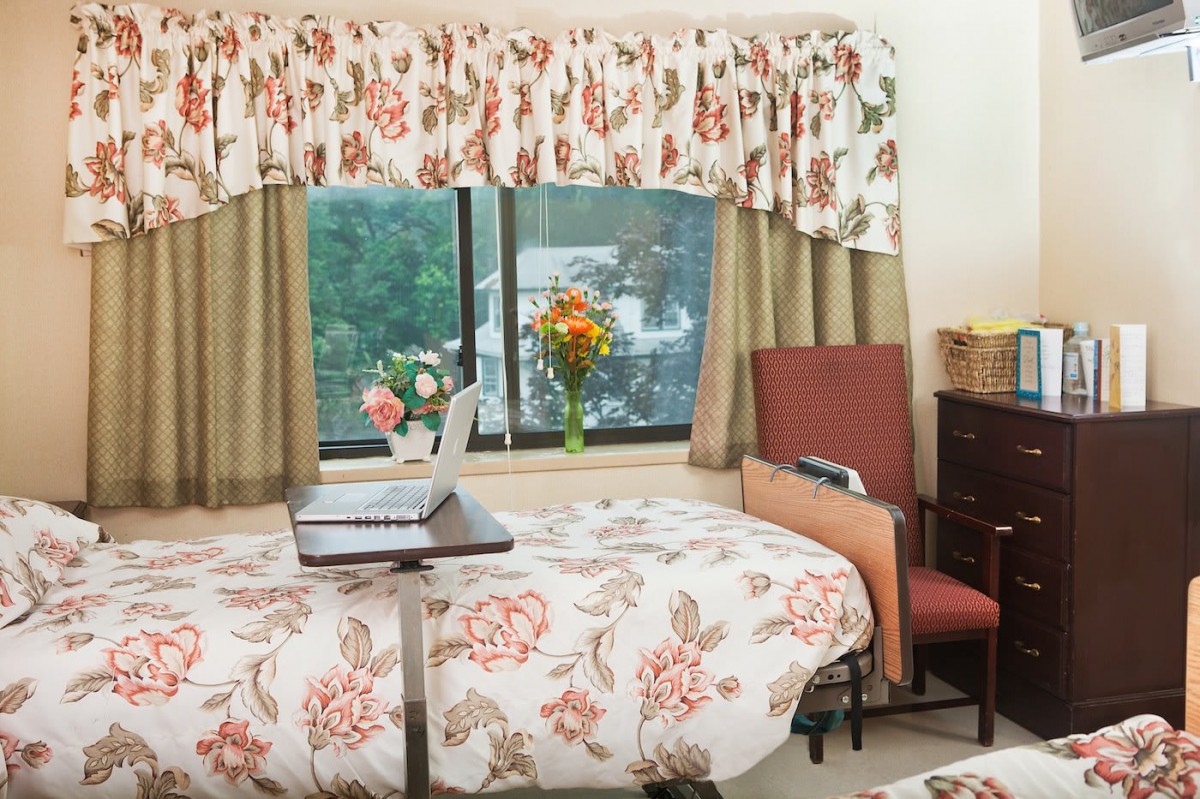
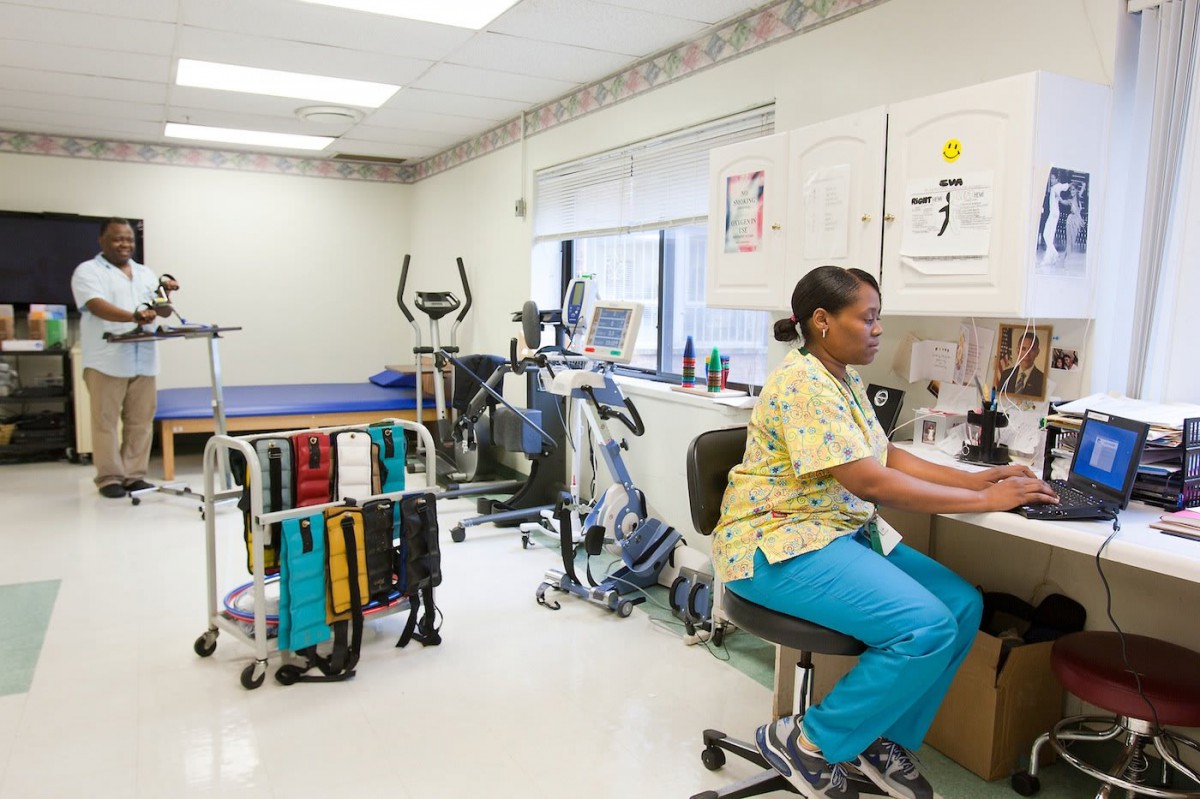
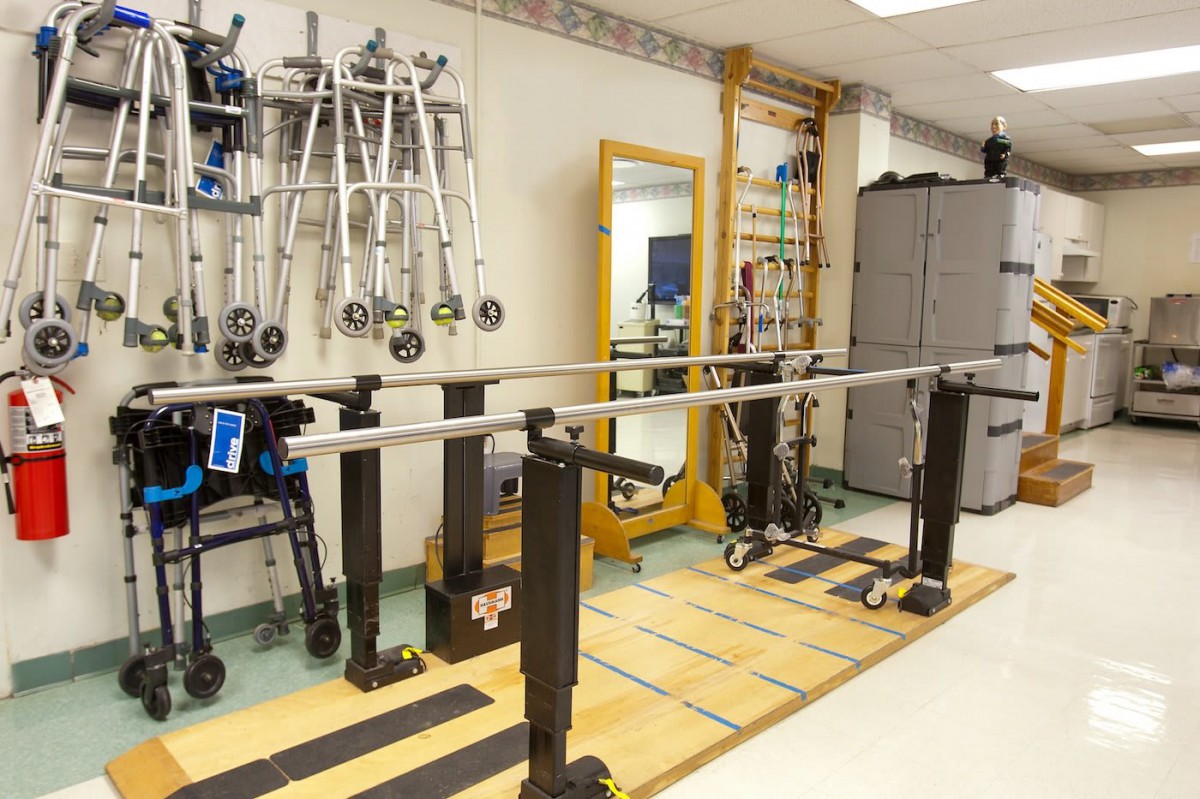
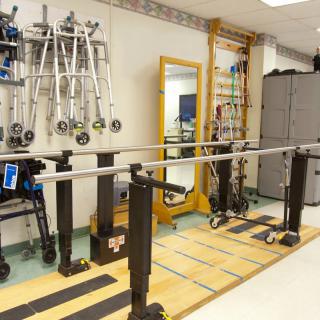
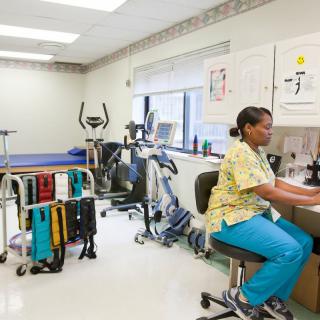
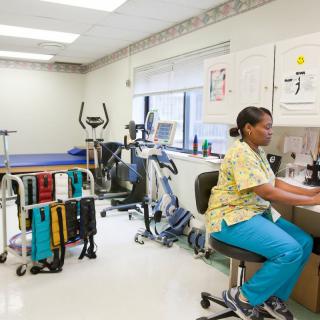
Physical surroundings and operational reliability complicate the decision. Cleanliness quality is described variably, some units feel clean and well-kept, while other narratives evoke mice sightings and inconsistent housekeeping. The lack of clear, consistent therapeutic services, such as on-site physical therapy, combined with complaints about staff focus on administrative tasks or billing rather than resident well-being, further muddies the value proposition. For families where a loved one relies on timely medical input, transparent care planning, and a secure, well-maintained environment, these inconsistencies can outweigh any moments of genuine care.
In practical terms, families evaluating Gardens Care & Rehabilitation should insist on a granular tour that covers early, mid, and late-day shifts; request a current, written care plan with specific goals, milestones, and escalation steps; and probe for concrete processes around hygiene, laundry, and lost-item protocols. Ask for staffing ratios by shift and unit, and for examples of how urgent medical updates are communicated to families. Emphasize HIPAA privacy practices and request references from current families who can speak to daily life, not just generic assurances. If the conversation uncovers solid, consistent processes and a track record of responsive, respectful care, the community can still be a viable option, but only with vigilant family involvement.
Bottom line: Gardens Care & Rehabilitation shows potential where frontline staff deliver genuine warmth, communication is timely, and residents feel respected. However, the weight of multiple, credible concerns about safety, cleanliness, privacy, and reliability cannot be dismissed. Families who can commit to ongoing oversight, who are comfortable navigating occasional inconsistencies, and who value a welcoming environment may find value here. Yet for those whose decision hinges on unwavering safety, transparent medical oversight, and pristine daily operations, exploring stronger alternatives, potentially including Windsor Gardens East Orange, where some readers report markedly higher satisfaction with staff attentiveness and resident respect, is a prudent step. The choice demands a clear judgment: invest in active advocacy and careful monitoring, or redirect to a setting with a more consistently demonstrated standard of care.
 Skilled Nursing Facility
 Activities off-site
 Beautician on-site
 Devotional services off-site
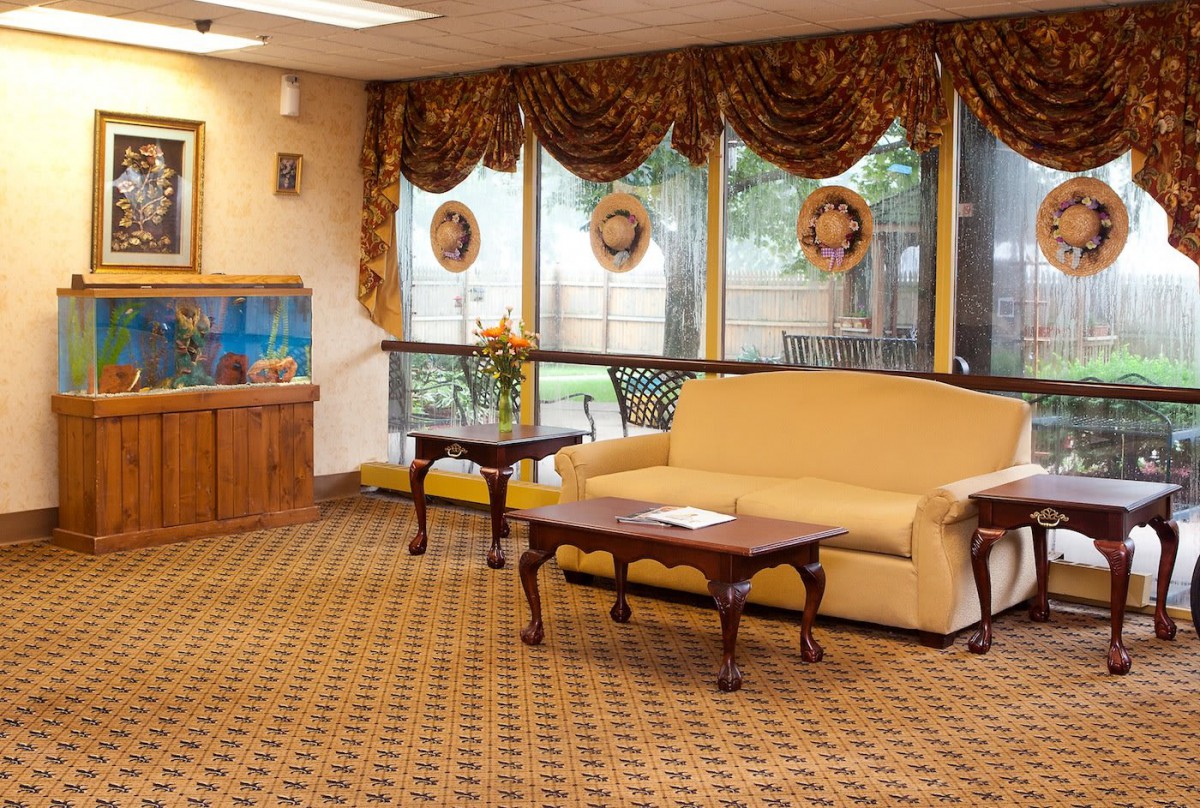
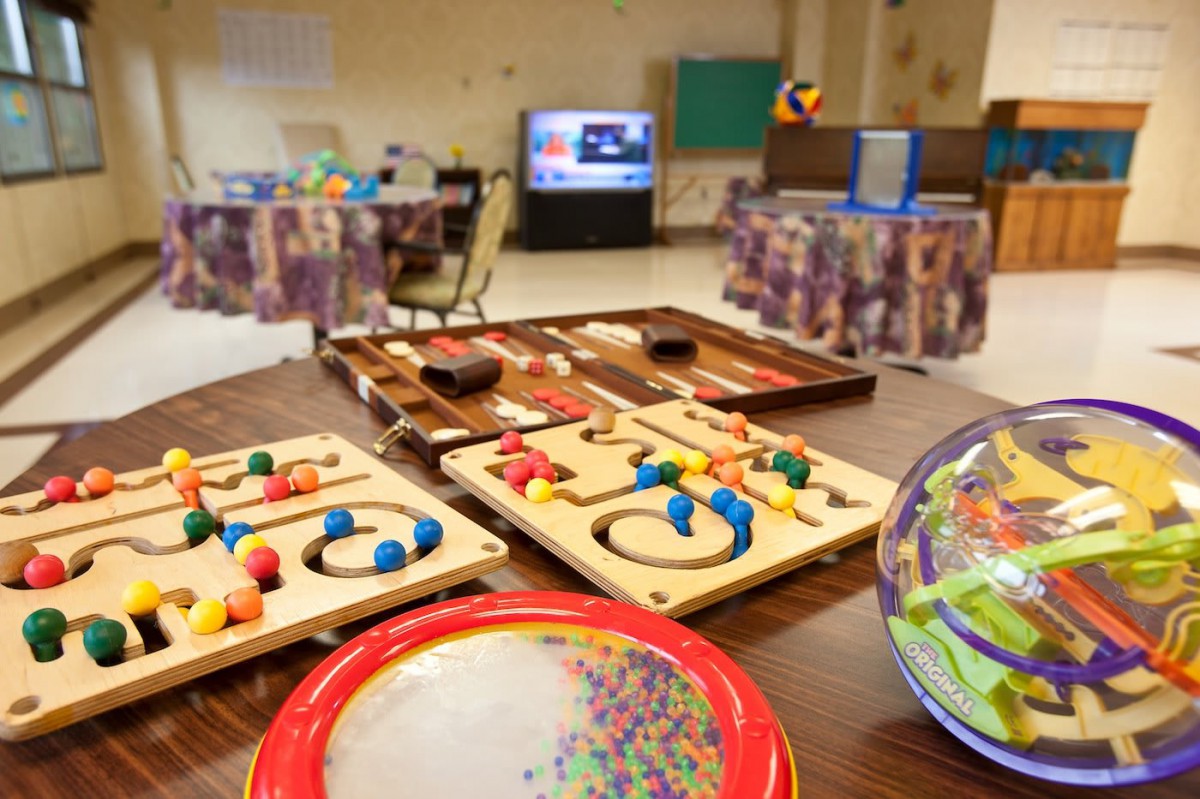
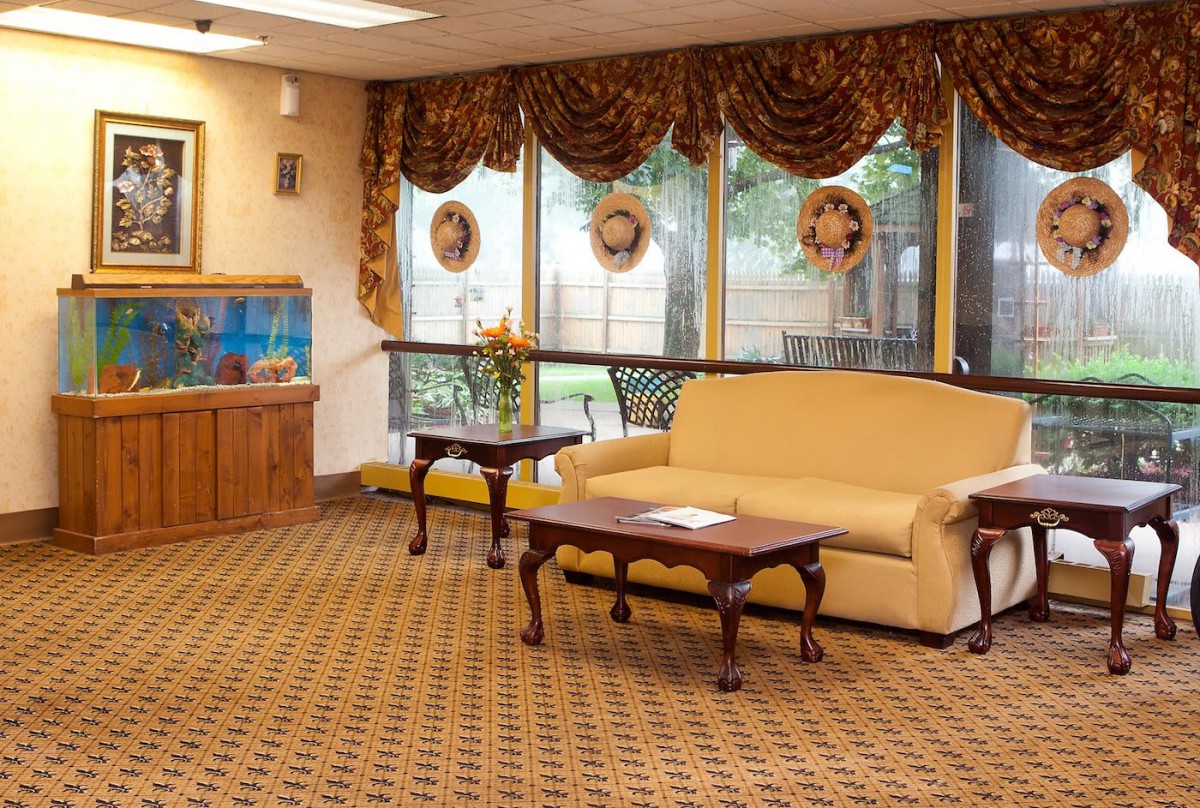
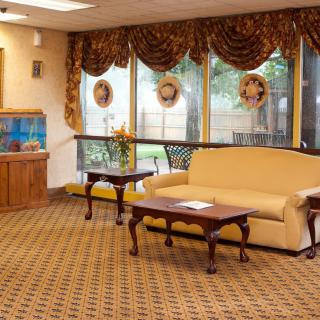
 Indoor common areas
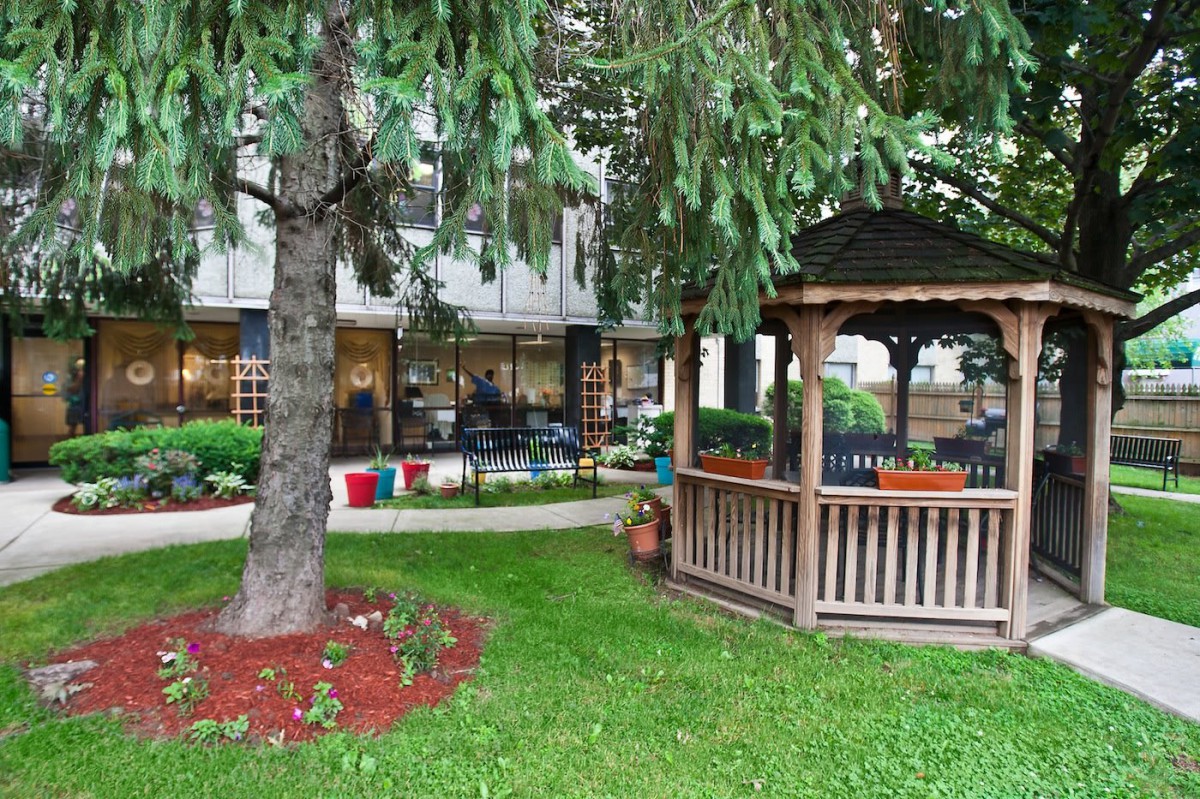
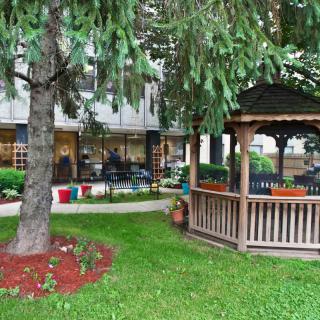
 Outdoor common areas
 Respite or short term stays offered
 Wi-Fi/high-speed internet available
 Newark International (5 miles away)
 High acuity care
 Kosher




 Effective Strategies for Keeping Seniors' Minds Active: A Deep Dive into Brain Games and Apps
 In-Depth Look at the VA Aid and Attendance Program
 Nurturing Our Loved Ones: A Daughter's Journey in Caring for Her Mother