For more information about senior living options: (866) 208-4318
4.4 from 141 reviews
5 stars
111
4 stars
11
3 stars
0
2 stars
1
1 stars
18
Aristacare At Cherry Hill Costs & Pricing
At Aristacare At Cherry Hill, the cost for a private room is $6,600 per month, which reflects the high-quality care and services provided in this facility. In comparison to Camden County, where the average monthly rate for a private room stands at $5,163, Aristacare's pricing is notably higher. Similarly, when examined within the broader context of New Jersey, where the state average for similar accommodations is approximately $5,799, Aristacare's fees suggest a premium experience. This pricing may be justified by the specialized care and amenities offered at Aristacare At Cherry Hill, catering to residents seeking an exceptional environment for their long-term care needs.
Floor plans
Aristacare At Cherry Hill
Camden County
New Jersey
Private
$6,600
$5,163
$5,799
Overall Review of Aristacare At Cherry Hill
common
Staff compassion shows up daily
Residents and families frequently describe the staff as kind and supportive.
Many reviewers say the nursing team, aides, and administration are attentive, professional, and easy to work with day to day. Several residents specifically highlight individuals—like Olivia and named nurses/aides—as people who respond quickly, handle concerns, and make them feel comfortable. A few accounts also describe care teams coordinating needs and check-ins, with families feeling kept in the loop during recovery or long-term stays.
caveat
Cleanliness and upkeep are mixed
Reviews are split on cleanliness and basic room conditions.
Some reviewers praise the facility as neat, clean, and comfortable, including room presentation and how quickly issues get fixed. Others report strong problems such as dirty bathrooms or floors, odors, and housekeeping not meeting expectations, including at least one description that food and cleanliness concerns affected comfort and recovery. Because both kinds of experiences appear in the reviews, cleanliness seems inconsistent depending on time and unit.
common
Dining quality and diets vary
Dining earns both praise and complaints in reviews.
Several reviewers mention that the food is good or improved, and some describe how dietary needs are handled for what they can eat. At the same time, a number of negative reviews complain about meal quality—such as food served cold or not meeting expectations. The community also offers restaurant-style dining and supports multiple dietary approaches in its dining options.
differentiator
Therapy support is a recurring strength
Physical and occupational therapy are frequently described as helpful.
A large share of reviewers talk about therapy as a main reason they would recommend the place, often describing physical therapy and occupational therapy as strong. Several accounts also mention therapists working with residents on recovery goals and making progress feel possible. The community provides wellness-related services and lists fitness and scheduled activities that fit with that rehab-focused experience.
common
Activities help residents stay engaged
Residents and families mention regular activities and events.
Reviewers frequently describe an activities program with parties, entertainment, day-to-day scheduled events, and outings. Some say staff help residents participate even when they are hesitant, and others mention specific moments like bingo or music and dancing. The community also offers community-sponsored and resident-run activities, plus concierge and day-trip options.
How we summarize
We summarize when many written reviews mention each theme; a review can touch several themes, and only frequently mentioned themes are displayed.
Features
Housing
120 resident community capacity
Types of Care
Memory Care
Skilled Nursing Facility
Amenities
Activities on-site
Air-conditioning
Beautician on-site
Beauty salon
Cable or satellite TV
Computer center
Dining room
Fitness room
Fully furnished
Gaming room
Garden
Housekeeping services
Kitchenette
Move-in coordination
Outdoor space
Private
Private bathrooms
Respite or short term stays offered
Restaurant-style dining
Small library
Telephone
Wellness center
Wheelchair accessible showers
Wi-Fi/high-speed internet available
Transportation
Philadelphia International (12 miles away)
Community operated transportation
Transportation arrangement
Transportation arrangement (non-medical)
Transportation to doctors appointments
Care Services
12-16 hour nursing
24-hour call system
24-hour supervision
Activities of daily living assistance
Ambulatory care
Assistance with bathing
Assistance with dressing
Assistance with transfers
Diabetes diet
High acuity care
Incontinence care
Meal preparation and service
Medication management
Mental wellness program
Special dietary restrictions
Dining
Diabetes diet
Kosher
Meals provided
Special dietary restrictions
Vegetarian
Activities
Activities on-site
Community-sponsored activities
Concierge services
Fitness programs
Planned day trips
Resident-run activities
Scheduled daily activities
Nearby Places of Interest
Cafes
Starbucks (0.4 miles)
Jersey Java & Tea (2.5 miles)
Starbucks (4.1 miles)
ReAnimator Coffee (5.4 miles)
La Colombe Coffee Roasters (5.6 miles)
Elixr Coffee (6.9 miles)
Restaurants
The Capital Grille (0.5 miles)
Ponzio's Diner-Bakery-Bar (2.1 miles)
Yard House (4 miles)
Walt Whitman Service Area (4 miles)
Bob Evans (4 miles)
Auntie Anne's (4.2 miles)
Pizza Hut (4.4 miles)
Pharmacies
Wegmans (1 miles)
CVS Pharmacy (1.1 miles)
Walgreens (1.4 miles)
Walgreens (2 miles)
Walgreens (2.1 miles)
CVS Pharmacy (2.2 miles)
CVS Pharmacy (2.2 miles)
Hospitals
Jefferson Cherry Hill Hospital (1.3 miles)
Cooper University Hospital (4.2 miles)
Episcopal Hospital (6.1 miles)
Aria Health (6.1 miles)
St Christopher's Hospital for Children (6.6 miles)
At Aristacare At Cherry Hill, the cost for a private room is $6,600 per month, which reflects the high-quality care and services provided in this facility. In comparison to Camden County, where the average monthly rate for a private room stands at $5,163, Aristacare's pricing is notably higher. Similarly, when examined within the broader context of New Jersey, where the state average for similar accommodations is approximately $5,799, Aristacare's fees suggest a premium experience. This pricing may be justified by the specialized care and amenities offered at Aristacare At Cherry Hill, catering to residents seeking an exceptional environment for their long-term care needs.
Aristacare At Cherry Hill offers a comprehensive approach to memory care through features that cater to the unique needs of residents with dementia or Alzheimer's disease. The provision of 24-hour supervision ensures a safe and secure environment, allowing for immediate assistance during moments of confusion or anxiety. Their support in activities of daily living, including bathing and dressing, helps maintain dignity while fostering independence as much as possible. Assistance with transfers and incontinence care is critical for the physical comfort and mobility of residents, while meal preparation and service not only provide nutritional value but also encourage social interaction during mealtimes. Medication management addresses cognitive challenges by ensuring adherence to prescribed regimens, reducing stress for both residents and families. Finally, the mental wellness program engages residents in stimulating activities that promote cognitive function and emotional well-being, creating a holistic framework for enhancing quality of life amidst the complexities of memory impairment.
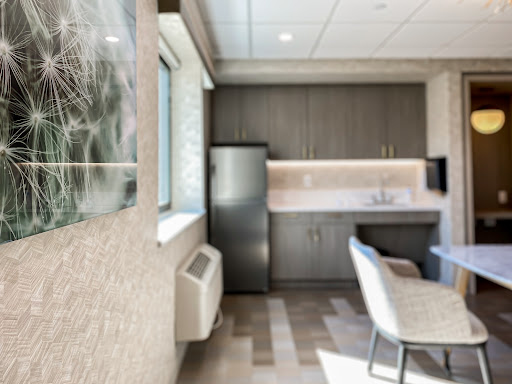
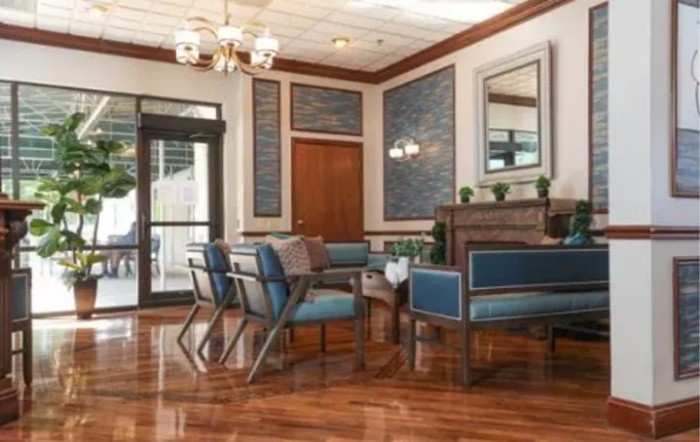
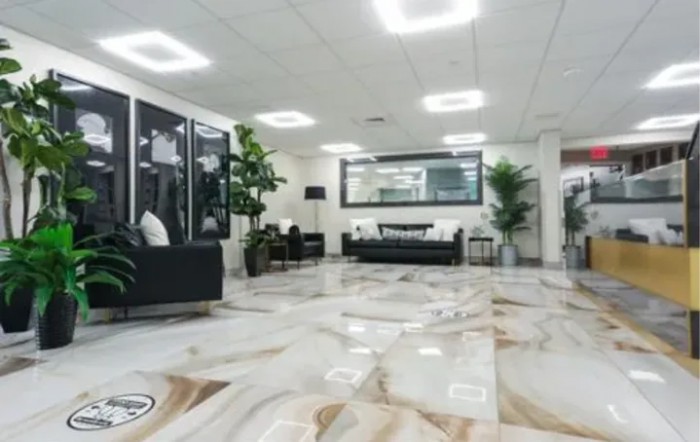
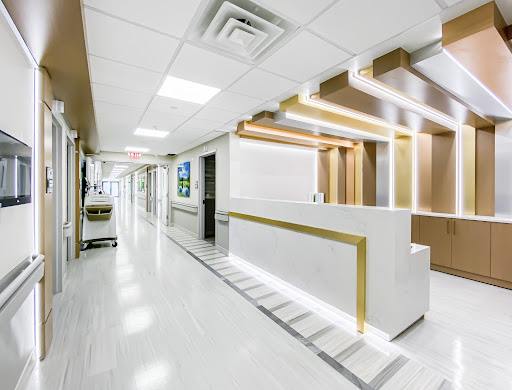
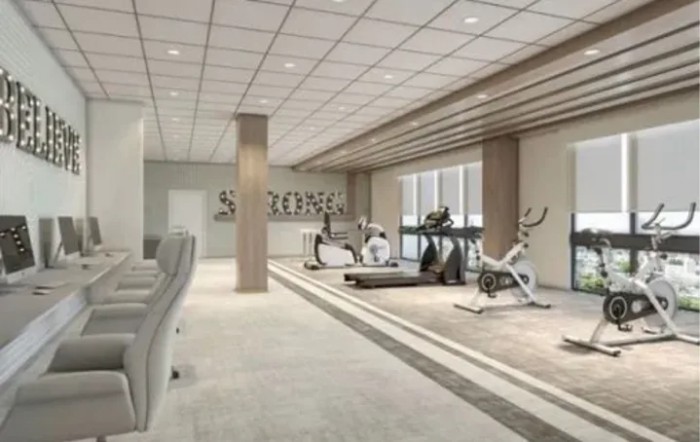
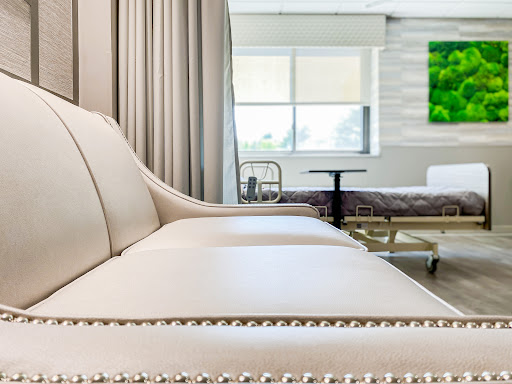
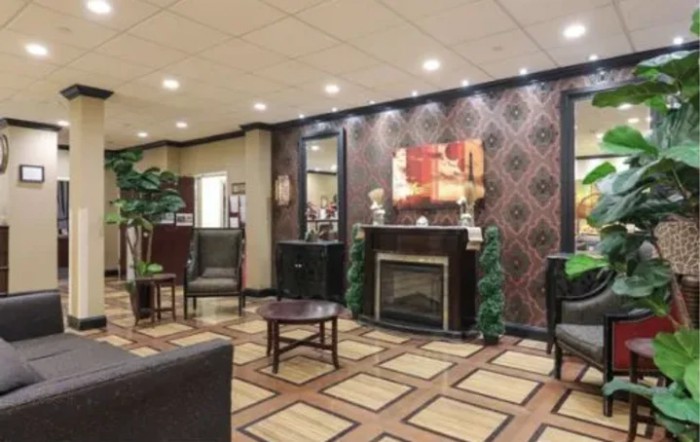
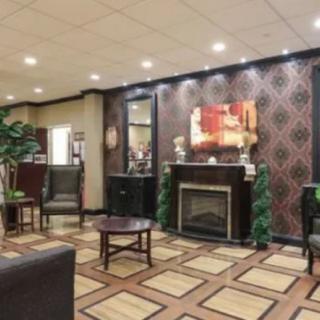
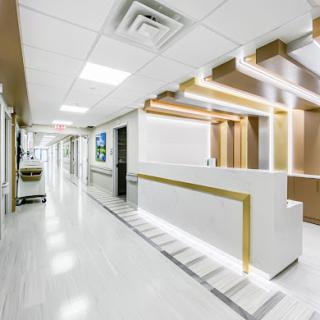
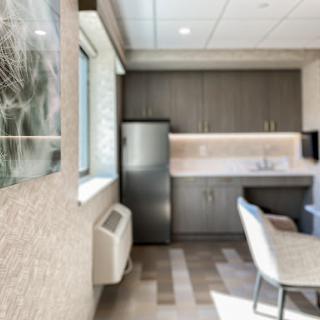
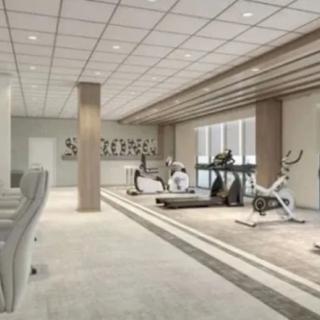
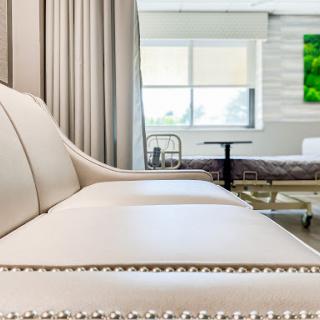
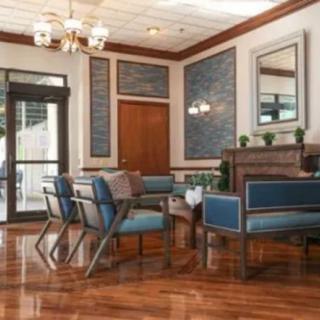
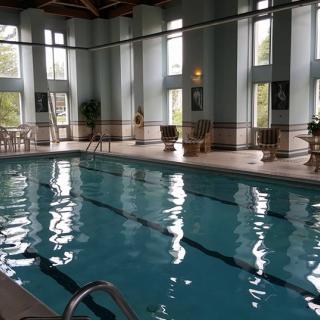
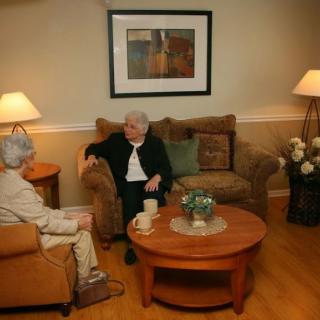
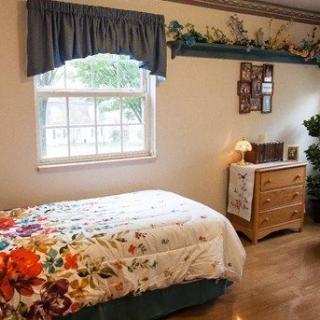
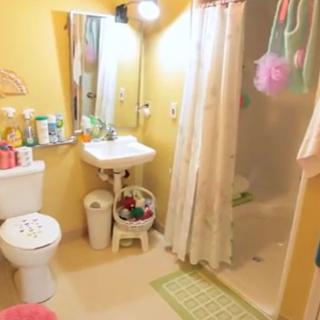
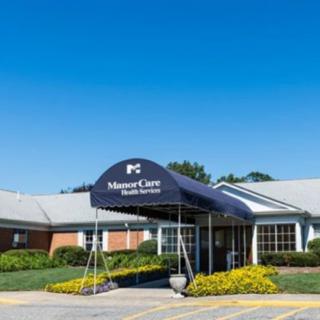
Aristacare At Cherry Hill on seniors.fyi includes 7 photos including images showing interior, waiting area, decor, lobby, exercise equipment, lighting, gym, exercise room, and more.
Nearby Communities
The Plaza Grande at Garden State Park
Cherry Hill, NJ
4.3 from 110 reviews
Comprehensive care services with connectivity and nearby medical facilities and dining options.
Attentive Care Inc.
Cherry Hill, NJ
2.2 from 6 reviews
Convenient location with nearby healthcare and amenities.
The Maples
Pennsauken, NJ
4.3 from 3 reviews
Small, intimate community with personalized care.
Cadbury at Cherry Hill
Cherry Hill, NJ
4.4 from 118 reviews
Broad care options and many amenities.
Premier Cadbury Of Cherry Hill
Cherry Hill, NJ
4.1 from 155 reviews
$2,900 to $3,850 / month
Friendly staff, strong amenities, and engaging activities.
Cadbury Continuing Care-Home
Cherry Hill, NJ
4.5 from 100 reviews
Broad care options (independent living to skilled nursing) with diabetic care and off-site devotional services.
Arden Courts of Cherry Hill
Cherry Hill, NJ
4.6 from 108 reviews
$7,525 to $8,095 / month
Warm, home-like memory care with compassionate staff and engaging on-site activities.
Spring Hills Cherry Hill
Cherry Hill, NJ
4.1 from 148 reviews
$5,500 to $7,300 / month
Caring staff, friendly atmosphere, and restaurant-style dining.
Barclays Rehabilitation And Healthcare Center
Cherry Hill, NJ
4.1 from 119 reviews
Caring staff with attentive rehab care and clean private rooms.
The guide on holistic dementia care outlines the complexity of dementia and stresses the need for individualized caregiver strategies that include medical treatment, psychological support, and environmental adaptations, while emphasizing early detection, various therapeutic options, and caregiver support to enhance quality of life and maintain dignity.
"Memory Care Pathways: A Holistic Guide to Dementia Support" outlines the complexities of dementia and its various types, emphasizing early detection, patient-centered care strategies, caregiver support, and long-term care options while addressing legal and financial considerations to enhance the quality of life for individuals with dementia and their families.
Sundown syndrome, or sundowning, is a phenomenon in dementia patients characterized by increased confusion and agitation during late afternoon and evening, influenced by factors like disrupted circadian rhythms and fatigue. Effective caregiver strategies include establishing routines and managing environmental light while addressing caregiver stress through support services.
Exercise Equipment, Gym, Exercise Room, and Treadmills
Appliances, Natural Light, and Kitchenette
Waiting Area
Lounge
Reception and Design
Get PricingAsk A QuestionSchedule A TourContact Senior Advisor
By clicking submit, you agree to our Partner's Terms of Use. You
also consent to receive calls and texts, which may be autodialed, from our Partner. Your consent is not a condition to
using our Partner's service. Please visit our Partner's Privacy Policy for information about their privacy practices.

 120 resident community capacity
 Memory Care
 Skilled Nursing Facility
 Activities on-site
 Air-conditioning
 Beautician on-site
 Cable or satellite TV
 Computer center
 Dining room
 Fitness room
 Fully furnished
 Gaming room
 Garden
 Housekeeping services
 Kitchenette
 Move-in coordination
 Outdoor space
 Private
 Private bathrooms
 Respite or short term stays offered
 Restaurant-style dining
 Small library
 Telephone
 Wellness center
 Wheelchair accessible showers
 Wi-Fi/high-speed internet available
 Philadelphia International (12 miles away)
 Community operated transportation
 12-16 hour nursing
 24-hour call system
 Ambulatory care
 Assistance with bathing
 Assistance with dressing
 Assistance with transfers
 Diabetes diet
 High acuity care
 Incontinence care
 Medication management
 Mental wellness program
 Special dietary restrictions
 Concierge services
 Planned day trips
 Comprehensive care services with connectivity and nearby medical facilities and dining options.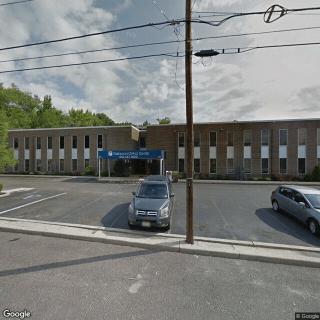
 A Holistic Dementia Care Guide: Effective Strategies for Memory Support
 Memory Care Pathways: A Holistic Guide to Dementia Support
 Comprehending Evening Confusion in Dementia: Causes, Manifestations, and Support