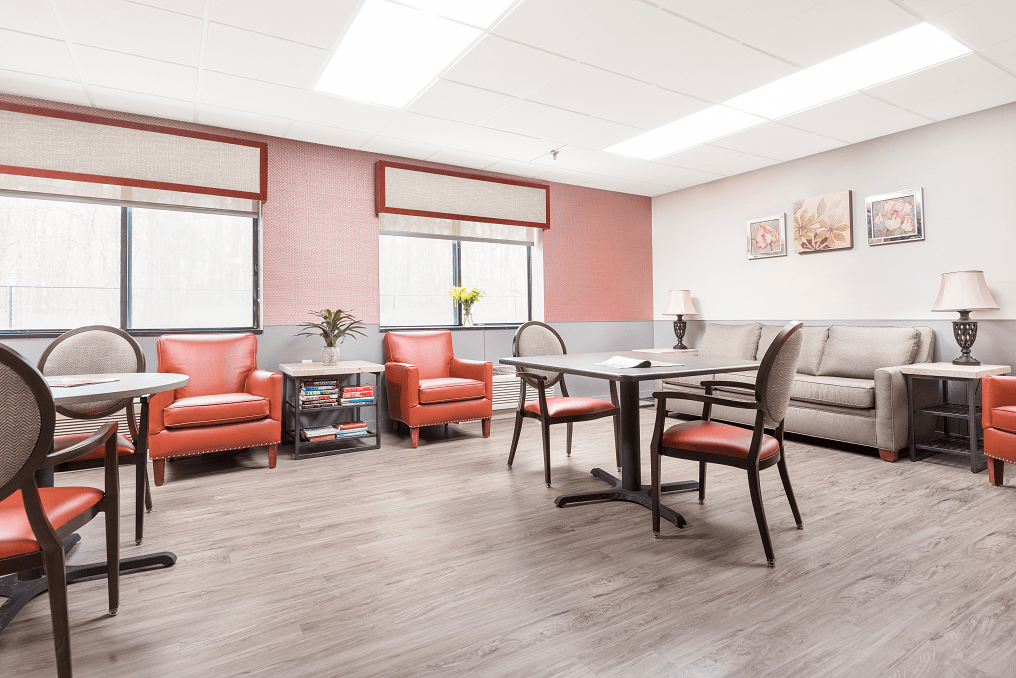
Willow Springs Rehabilitation And Healthcare Center in Brick, NJ

Save

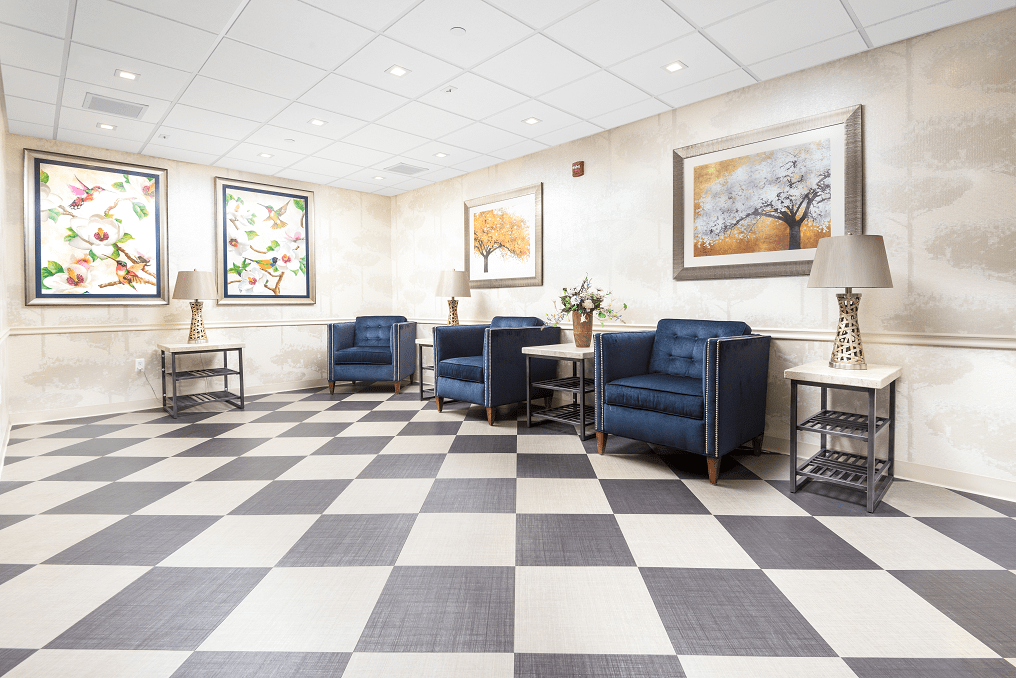
  • Interior

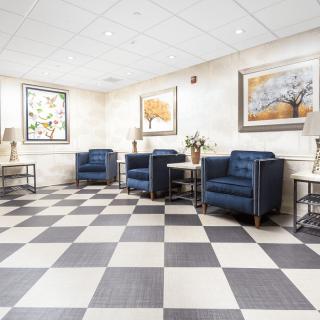
    A modern waiting room with checkered flooring and blue armchairs, accentuated by framed artwork on the walls.
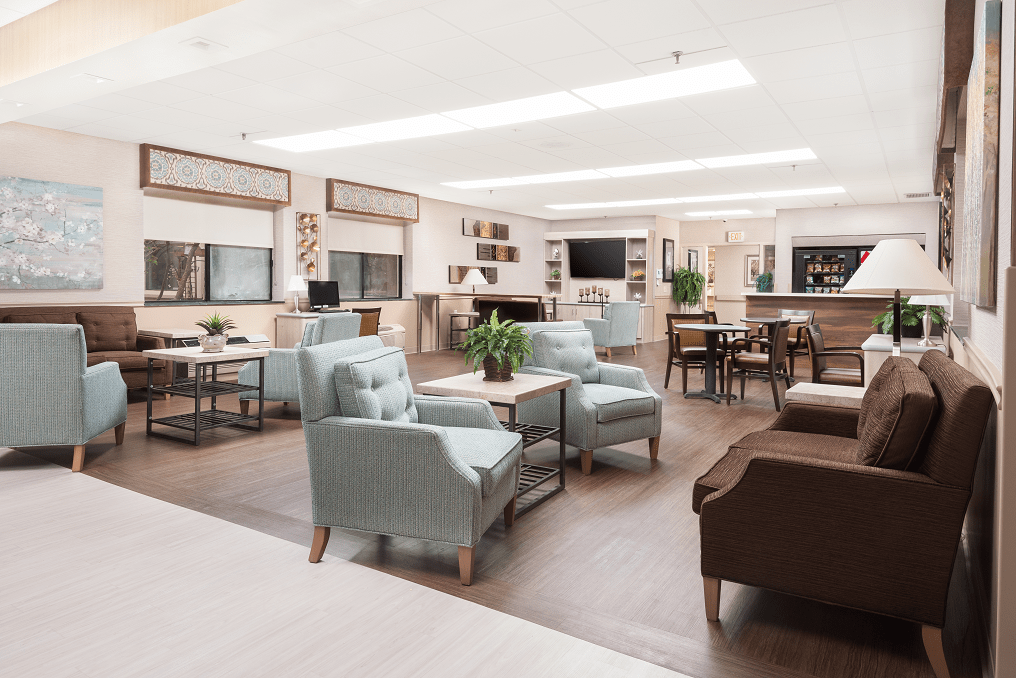
  • Decor

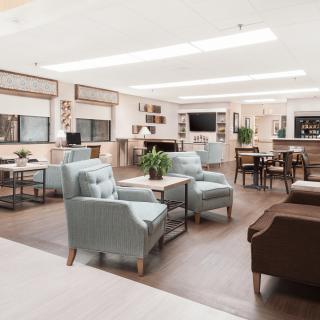
    A modern and comfortable lounge area featuring stylish furniture and spacious design.
  • Living Room

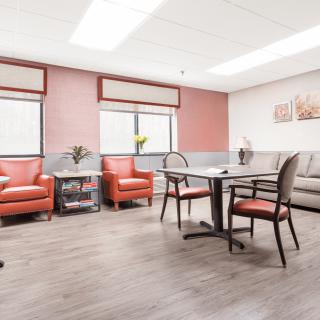
    A modern living room with comfortable seating and stylish decor.
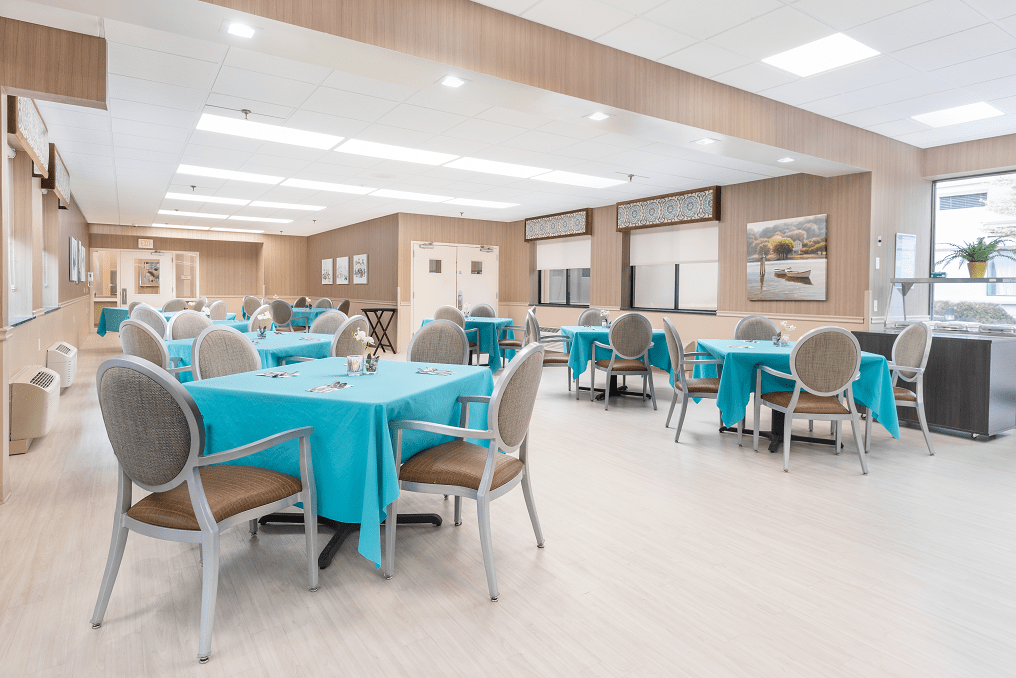
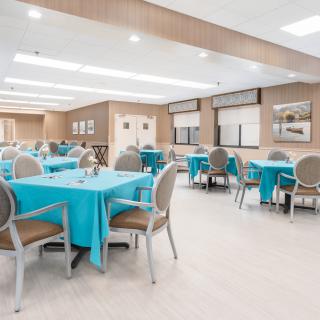
  • Dining

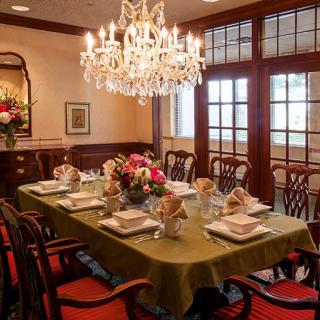
    A spacious dining area with tables covered in blue tablecloths and neatly arranged chairs.
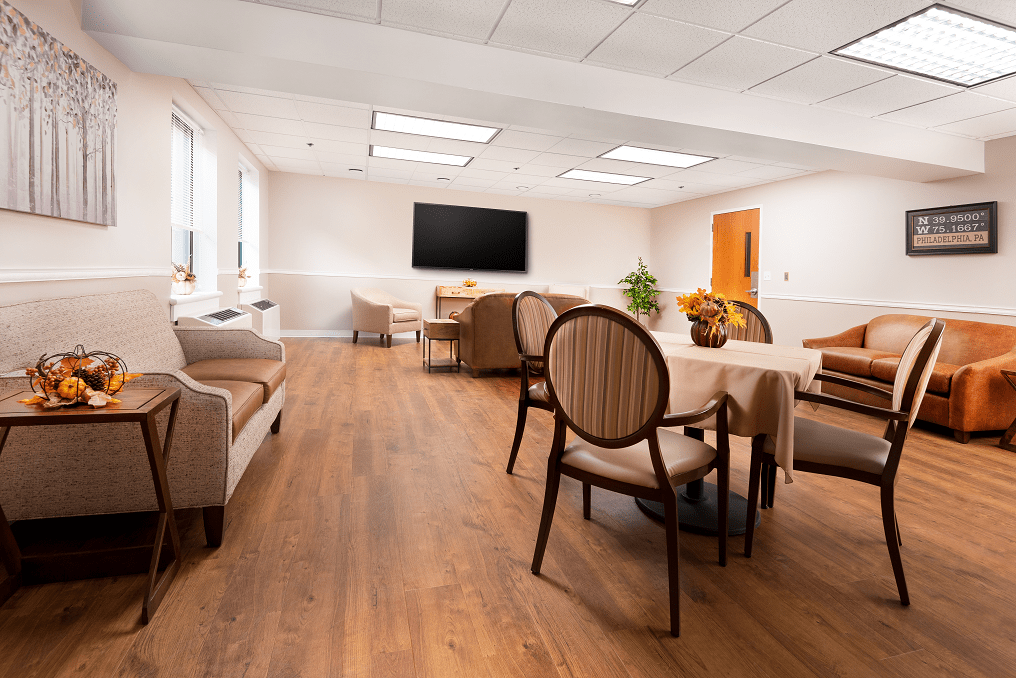
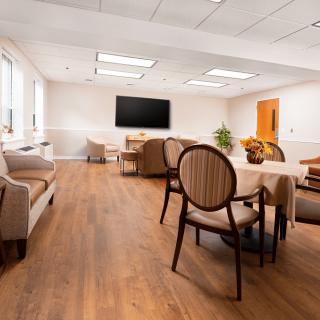
  • Television

    A modern waiting room with comfortable seating, a large TV, and wooden flooring.
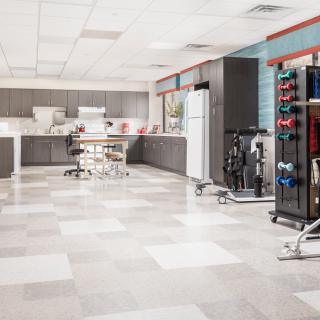
  • Exercise Equipment

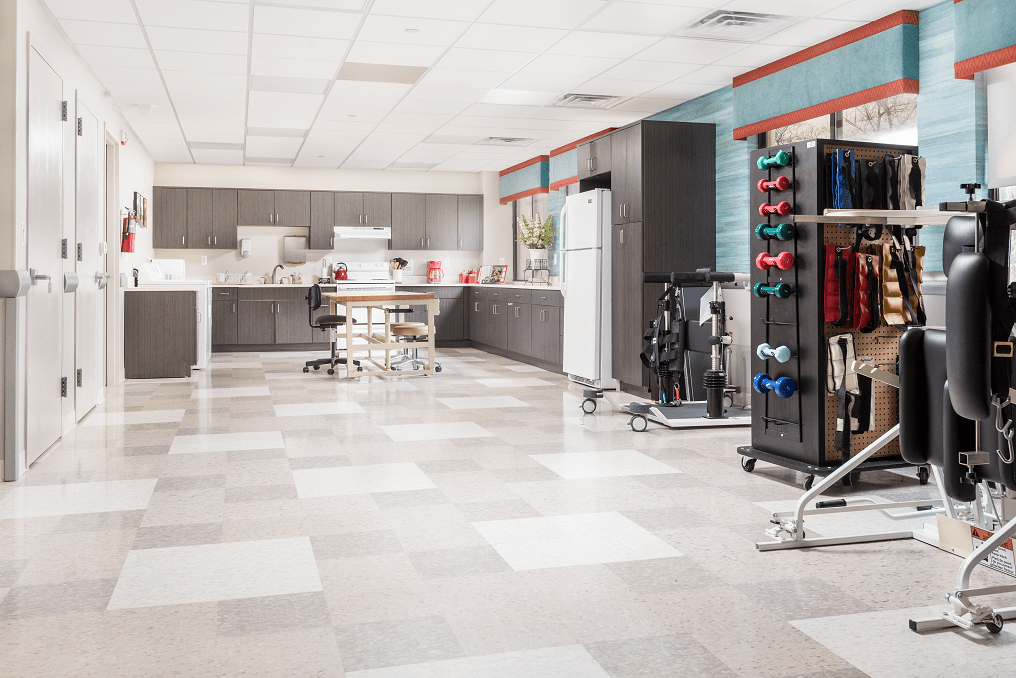
    A modern gym interior with exercise equipment and weights neatly arranged.
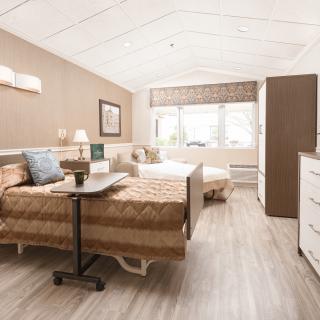
  • Healthcare

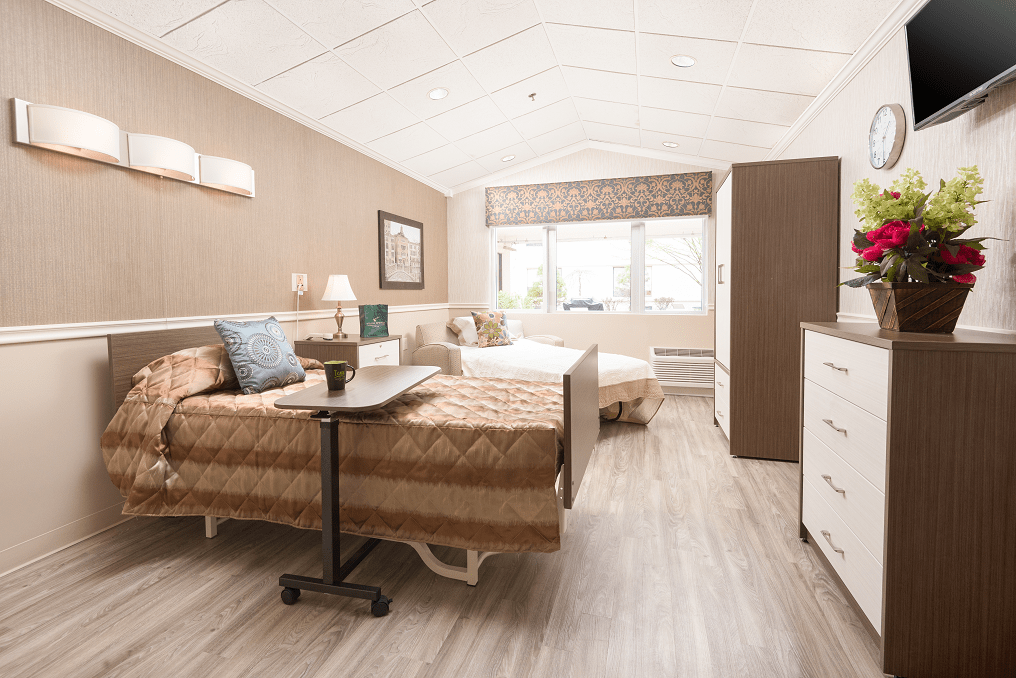
    A well-lit hospital room featuring two beds, a bedside table, and modern furnishings.

Willow Springs Rehabilitation And Healthcare Center in Brick, NJ

Information last verified:

1049 Burnt Tavern Road, Brick, NJ 08724

For more information about senior living options: (844) 490-3973

4.4 from 149 reviews
5 stars
118
4 stars
7
3 stars
6
2 stars
2
1 stars
16

Seniors.FYI Elite Community Awards

Top 5% Senior Living Community in 2026

Add this award to your website

Overall Review of Willow Springs Rehabilitation And Healthcare Center

Pros

  • pro The staff at Willow Springs is absolutely wonderful and consistently attentive.
  • pro The rehab floor staff are beyond good and provide exceptional care.
  • pro The physical therapy team is exceptional and goes above and beyond for residents.
  • pro The nurses and aides are friendly, professional, and caring, and the facility is spotless.
  • pro The atmosphere is welcoming and residents feel safe, at ease, and well cared for.
  • pro The dining area is well lit, and meals are hot, fresh, and enjoyable.
  • pro The activities staff are wonderful, engaging, and dedicated to resident well-being.
  • pro Families repeatedly praise the staff for timely updates and compassionate communication.
  • pro The leadership and administration are responsive, compassionate, and supportive of residents’ needs.
  • pro Willow Springs is described by many as a wonderful place for rehabilitation and care.

Cons

  • pro The facility was dirty and the building smelled of urine.
  • pro The memory care unit had a horrible odor, and bathrooms were filthy with dried feces on grab bars.
  • pro Aides often did not answer call bells for hours, leaving residents without needed assistance.
  • pro The food was described as horrible and often cold.
  • pro Some reviewers said the staff were mean, hateful, or uncaring.
  • pro Residents developed bedsores due to neglect and poor care.
  • pro Rooms and common areas were dirty, with trash on the floors and urine puddles left unattended.
  • pro Medication administration was poorly handled, with delays and questions about dosages.
  • pro The facility was called unsafe and not recommended, with some reviewers suggesting it should be closed.

Review

Willow Springs Rehabilitation and Healthcare Center in Brick is best suited for families pursuing aggressive short‑term rehab and post‑acute care where a proven physical therapy program and an engaged, personable staff can translate into real functional gains. Across many accounts, the rehab floor stands out for its quality of therapy, with stories of patients relearning to walk and regain independence under the guidance of highly praised therapists. The environment is frequently described as clean, orderly, and supportive, with staff who remember residents by name and make an effort to include everyone. Administrators and frontline teams are often highlighted for listening and acting on concerns, which matters when the goal is a smooth, goal‑oriented recovery. This is not a one‑note facility; it supports long‑term care pathways as needed, but the strongest case is for short‑term recovery with heavy emphasis on therapy and mobility.

Those who should consider alternatives include families with a primary concern for consistently high staffing levels around the clock, rigorous supervision in memory care, and flawless daily operations across all units. A sizable portion of reviews flag inconsistencies: some aides and nurses are lauded, while others are criticized for slow response to call bells, limited attentiveness, or gaps in bedside care. Food quality and dining experience also show marked variability, with several guests reporting meals that do not meet expectations. In addition, there are troubling anecdotes about odors, cleanliness lapses, and safety issues in certain units, including the memory care wing. For families whose loved one requires constant, dependable supervision, or whose peace of mind hinges on uniform experiences across all shifts, exploring other options is prudent.

The strongest positives, the caliber of rehabilitation and the responsiveness of therapy staff, often offset the more common concerns only partially. The therapy teams are repeatedly described as skilled and motivated, with therapists who design and adjust programs to match progress. Families repeatedly cite improvements in strength and mobility and the sense that the rehab staff genuinely collaborates with patients and families. The sense of community and the presence of supportive activity staff help keep residents engaged, which matters for confidence and mood during recovery. Cleanliness and a culture of courtesy in many wings reinforce a feeling of safety and dignity. When the goal is to rebuild function quickly, these factors can tilt the decision in Willow Springs’ favor, particularly if a clear, transparent rehab plan is in place and the administrator remains accessible and proactive.

Yet the drawbacks are real and should not be minimized. Multiple reviews describe serious gaps in basic caregiving: delayed responses to alarms, inconsistent handoffs, and conversations about care that leave families frustrated. Reports of pressure on aides or nurses to manage heavy loads can translate into missed bedside care, slow medication administration, and episodic lapses in hygiene and comfort. The dining experience is not universally reliable, with some residents facing cold meals or options that do not meet dietary needs. In the memory care area, odor and perceived understaffing recur in feedback, alongside concerns about safety and pace of care during transfers or routines. These are not minor quibbles; they represent risks that families must weigh against potential rehab benefits.

Memory care, in particular, presents a mixed picture. On the one hand, several families describe compassionate, attentive staff who form meaningful connections and provide reassuring, individualized care. On the other hand, there are persistent worries about cleanliness, odor, and the overall level of supervision in some shifts. The perception of leadership varies, with some residents and families praising administration for engagement and problem‑solving, while others report frustration when problems persist without timely resolution. Given the vulnerability of memory‑care residents, these inconsistencies matter more acutely and should drive careful, in‑person evaluations of staffing patterns, supervision, and safety protocols before placing a loved one in that unit.

For a decisive course of action, approach Willow Springs with a concrete, criteria‑driven plan. Schedule a thorough tour that includes the rehab gym, the memory care wing, and a representative shift observation to gauge call‑bell responsiveness and caregiver interaction. Ask for a detailed therapy schedule and measurable goals, and request conversations with current residents and family members who can share the day‑to‑day reality, not just the marketing narrative. Probe staffing ratios by shift, CNA coverage, and incident histories; insist on seeing recent dietary menus and meal preparation processes; and discuss the accessibility of leadership, including the administrator, for ongoing concerns. If the priority is rapid, results‑oriented rehabilitation delivered in a clean, companionable atmosphere, Willow Springs is an intelligent, well‑considered choice. If unwavering, uniform care across all units and consistently excellent dining are non‑negotiable, alternatives should be actively explored.

Features

Housing

  • 164 resident community capacity 164 resident community capacity

Types of Care

  • Skilled Nursing Facility Skilled Nursing FacilitySkilled Nursing Facilities are crucial for seniors as they provide round-the-clock medical care, rehabilitation services, and assistance with daily activities. These facilities ensure that seniors receive the specialized care they need to maintain their health and well-being as they age.

Amenities

  • Activities off-site Activities off-siteEngaging in off-site activities is crucial for seniors to maintain social connections, stay active, and stimulate their minds. It promotes overall well-being and helps combat feelings of isolation and loneliness.
  • Activities on-site Activities on-siteActivities on-site are important for seniors because they provide opportunities for socialization, mental stimulation, physical activity, and overall well-being. Engaging in activities can help seniors stay active, maintain their independence, and improve their quality of life.
  • Air-conditioning Air-conditioningAir conditioning is important for seniors as they are more vulnerable to heat-related illnesses and may have underlying health conditions that make it difficult for them to regulate their body temperature. It helps to keep them comfortable, safe, and healthy in hot weather.
  • Beautician on-site Beautician on-siteHaving a beautician on-site at a senior living community is important for seniors as it allows them to easily access grooming and personal care services, boosting their self-esteem and overall well-being. It also provides convenience and helps seniors maintain their sense of independence and personal style.
  • Beauty salon Beauty salonBeauty salons are important for seniors because they provide a space for them to feel pampered, socialize, and maintain their personal grooming and hygiene. Regular visits to a beauty salon can help boost seniors' self-esteem and overall well-being.
  • Cable or satellite TV Cable or satellite TVCable or satellite TV is important for seniors because it provides entertainment, news, and companionship, helping to combat loneliness and boredom. It also offers a wide range of programming options tailored to different interests and preferences.
  • Computer center Computer centerA computer center is essential for seniors as it provides access to technology, communication tools, and resources that can enhance their daily lives. It allows them to stay connected with loved ones, engage in online activities, and learn new skills, ultimately promoting socialization and mental stimulation.
  • Devotional services off-site Devotional services off-siteDevotional services off-site are important for seniors as they provide spiritual nourishment, social engagement, and a sense of community outside of the senior living facility. This can enhance overall well-being and help combat feelings of isolation and loneliness often experienced by older adults.
  • Devotional services on-site Devotional services on-siteDevotional services on-site provide seniors with spiritual support and a sense of community, as well as an opportunity for reflection and guidance during their senior living experience. This can promote emotional well-being and connection to others, leading to a more fulfilling and enriching lifestyle in their later years.
  • Dining room Dining roomDining rooms are important for seniors as they provide a space for socialization, connection, and nutritious meals. They offer opportunities for residents to bond over shared meals, foster a sense of community, and promote healthy eating habits. Dining rooms also ensure that seniors have access to well-balanced meals tailored to their dietary needs and preferences.
  • Fitness room Fitness roomHaving a fitness room in a senior living community is essential for seniors to stay active, maintain their physical health, and improve their overall well-being. Regular exercise can help prevent falls, reduce the risk of chronic diseases, and promote mental sharpness. It also provides social opportunities for residents to connect with others and enjoy a sense of community.
  • Fully furnished Fully furnishedFully furnished senior living communities are important for seniors because they provide convenience, comfort, and a hassle-free moving experience. Seniors can easily settle into their new living space without the stress of having to buy and move furniture. This allows them to focus on enjoying their new home and community.
  • Gaming room Gaming roomGaming rooms are important for seniors as they provide a fun and engaging environment for socializing, cognitive stimulation, and physical activity. Games can improve memory, problem-solving skills, and overall mental well-being while fostering friendships and reducing feelings of isolation.
  • Garden GardenGardens are important for seniors as they provide a peaceful and therapeutic environment for relaxation, physical activity, and socialization. Being in nature has been shown to reduce stress, improve mood, and promote overall well-being. Gardens also offer opportunities for seniors to engage in gardening activities, which can improve mobility, flexibility, and cognitive function. Additionally, gardens create a sense of community and connection with others who share a passion for plants and outdoor spaces.
  • Housekeeping services Housekeeping servicesHousekeeping services are important for seniors because they help maintain a clean and safe living environment, promote independence, and reduce the risk of accidents or illnesses. Additionally, having assistance with household chores can alleviate physical strain and allow seniors to focus on other aspects of their well-being.
  • Indoor common areas Indoor common areasIndoor common areas are crucial for seniors as they provide a space for socialization, recreation, and community engagement, promoting overall well-being and reducing feelings of isolation and loneliness.
  • Kitchenette KitchenetteKitchenettes are important for seniors living in senior living communities because they provide the convenience and independence of being able to prepare simple meals and snacks in the comfort of their own living space. This can help promote a sense of autonomy and well-being for seniors, allowing them to maintain some level of control over their dietary choices and daily routines.
  • Move-in coordination Move-in coordinationMove-in coordination is important for seniors because it helps ease the transition into their new living environment. It ensures that all logistics, such as packing, organizing movers, and setting up utilities are taken care of, allowing seniors to focus on settling in and adjusting to their new home. Having a smooth move-in process can alleviate stress and anxiety, making the transition smoother and more enjoyable for seniors.
  • Outdoor common areas Outdoor common areasOutdoor common areas are important for seniors as they provide a space for socialization, physical activity, and relaxation. Being outside in nature can improve mood and overall well-being, while also encouraging movement and engagement with others. These spaces can help combat feelings of isolation and promote a sense of community among residents.
  • Outdoor space Outdoor spaceOutdoor spaces are important for seniors as they provide opportunities for physical activity, social interaction, exposure to natural light and fresh air, and a sense of connection to nature. Having access to outdoor spaces can improve overall well-being and quality of life for older adults living in senior communities.
  • Private bathrooms Private bathroomsPrivate bathrooms are important for seniors in senior living communities because they provide independence, dignity, and comfort. Having a private bathroom allows seniors to maintain their personal hygiene routines without the need for assistance, promoting a sense of autonomy and privacy. Additionally, private bathrooms help prevent the spread of infections and provide a safe and clean environment for seniors to navigate safely.
  • Respite or short term stays offered Respite or short term stays offeredRespite or short term stays provide seniors with a temporary solution when their regular caregiver is unavailable, offering them the opportunity to receive additional care and support during times of need, while also giving caregivers a chance to rest and recharge.
  • Restaurant-style dining Restaurant-style diningRestaurant-style dining is important for seniors because it allows them to enjoy delicious, nutritious meals in a social and upscale setting. This enhances their dining experience, promotes healthy eating habits, and fosters socialization with fellow residents, ultimately contributing to their overall well-being and quality of life.
  • Small library Small librarySmall libraries are important for seniors as they provide access to a variety of reading materials, including books, newspapers, and magazines. This can help stimulate their minds, keep them engaged, and provide a sense of community through book clubs and other social activities. Additionally, reading has been shown to improve cognitive function and overall mental well-being in older adults.
  • Telephone TelephoneTelephones are important for seniors as they provide a lifeline for communication with loved ones, emergency services, and healthcare providers. They offer a sense of security and independence, enabling seniors to stay connected and access assistance when needed.
  • Wellness center Wellness centerWellness centers are important for seniors because they offer a variety of programs and services that promote physical, mental, and emotional well-being. These centers provide opportunities for exercise, socialization, education, and relaxation, helping seniors maintain their overall health and quality of life.
  • Wheelchair accessible showers Wheelchair accessible showersWheelchair accessible showers are crucial for seniors as they provide a safe and independent bathing option for those with mobility challenges. These showers help prevent falls and allow seniors to maintain their dignity and autonomy while ensuring they can bathe comfortably.
  • Wi-Fi/high-speed internet available Wi-Fi/high-speed internet availableWi-Fi/high-speed internet is important for seniors to stay connected with loved ones, access online resources, and participate in virtual activities to combat feelings of loneliness and isolation. It also allows them to easily manage healthcare needs, access entertainment, and engage in lifelong learning opportunities.

Transportation

  • Community operated transportation Community operated transportationCommunity operated transportation is crucial for seniors as it provides them with the means to access essential services, social activities, and medical appointments. It allows seniors to maintain their independence and quality of life by ensuring they can participate in activities outside of their homes. Additionally, community-operated transportation services offer a safe and reliable way for seniors to travel without having to rely on family or friends for assistance.
  • Transportation arrangement Transportation arrangementTransportation arrangements are crucial for seniors as they may face challenges with driving, mobility, or access to public transportation. Having reliable transportation services ensures that seniors can easily attend appointments, social activities, and maintain their independence and quality of life.
  • Transportation arrangement (non-medical) Transportation arrangement (non-medical)Transportation arrangements are essential for seniors as they provide access to essential services, activities, and social interactions outside the home. This service helps maintain independence, mobility, and overall well-being for seniors who may have limited transportation options.
  • Transportation to doctors appointments Transportation to doctors appointmentsTransportation to doctors appointments is crucial for seniors as it ensures they have access to necessary medical care and support, promoting their health and well-being. It allows them to receive timely treatment, monitor existing conditions, and address any new health concerns efficiently. Additionally, transportation services can help seniors maintain their independence and quality of life by enabling them to stay connected with their healthcare providers.

Care Services

  • 12-16 hour nursing 12-16 hour nursing12-16 hour nursing care is crucial for seniors in order to ensure around-the-clock monitoring, timely medication administration, and prompt response to any health concerns or emergencies. This level of care helps to promote the overall well-being and safety of seniors living in senior living communities.
  • 24-hour call system 24-hour call system24-hour call systems are important for seniors because they provide peace of mind and immediate assistance in case of emergencies. This technology ensures that help is always available, promoting safety and security for elderly individuals living alone or in assisted living facilities.
  • 24-hour supervision 24-hour supervision24-hour supervision is important for seniors to ensure their safety, well-being, and access to immediate assistance in case of emergencies or health issues. This constant support provides peace of mind for both seniors and their loved ones, allowing them to age in place with dignity and security.
  • Activities of daily living assistance Activities of daily living assistanceActivities of daily living assistance are important for seniors because they provide essential support with tasks such as eating, bathing, dressing, and mobility. This assistance helps seniors maintain their independence, dignity, and overall quality of life as they age.
  • Ambulatory care Ambulatory care"Ambulatory care services provide essential medical support and treatment to seniors without requiring hospitalization, allowing them to maintain their independence and quality of life while managing chronic conditions or receiving routine medical care."
  • Assistance with bathing Assistance with bathingAssistance with bathing is crucial for seniors as it helps maintain personal hygiene, prevents infections, and ensures their overall well-being and comfort. It also provides a sense of dignity and independence for seniors who may struggle with this task on their own.
  • Assistance with dressing Assistance with dressingAssistance with dressing is important for seniors because it helps maintain their independence, promotes personal hygiene, prevents accidents and injuries, and improves overall quality of life. This service ensures that seniors can continue to dress comfortably and confidently, despite any physical limitations they may have.
  • Assistance with transfers Assistance with transfersAssistance with transfers is crucial for seniors as it helps prevent falls and injuries, maintains their independence, and ensures they can safely navigate their living environment. It also provides peace of mind for both seniors and their loved ones.
  • Diabetes diet Diabetes dietA diabetes diet is crucial for seniors as it helps manage blood sugar levels, reduce risks of complications, and improve overall health and well-being. By following a balanced and nutritious diet tailored to their specific needs, seniors can better control their diabetes and enhance their quality of life.
  • Diabetic care Diabetic careDiabetic care is crucial for seniors as they are more susceptible to developing diabetes due to aging and other health conditions. Proper management of diabetes can help prevent complications such as heart disease, vision loss, and nerve damage, improving the overall quality of life for seniors in senior living communities.
  • High acuity care High acuity careHigh acuity care is important for seniors because it provides specialized medical attention and support for individuals with complex medical needs. This level of care ensures that seniors receive the appropriate treatment and assistance to maintain their health and quality of life as they age.
  • Incontinence care Incontinence careIncontinence care is essential for seniors to maintain their dignity, hygiene, and overall quality of life. By addressing incontinence issues promptly and effectively, seniors can enjoy a sense of independence and comfort in their daily activities.
  • Meal preparation and service Meal preparation and serviceMeal preparation and service are crucial for seniors as they may have limited mobility or energy to cook nutritious meals. Having access to healthy and convenient food options can ensure they are getting the proper nutrition needed to maintain their overall health and well-being.
  • Medication management Medication managementMedication management is crucial for seniors to ensure they are taking the right medications at the correct dosages and times. This helps prevent adverse drug interactions, reduces the risk of medication errors, and promotes overall health and well-being. Proactive management also allows for adjustments as needed based on changing health conditions or new prescriptions.
  • Mental wellness program Mental wellness programMental wellness programs are essential for seniors as they promote cognitive stimulation, emotional support, and social engagement. These programs help prevent isolation, depression, and cognitive decline, ultimately enhancing the overall quality of life for older adults.
  • Special dietary restrictions Special dietary restrictionsSpecial dietary restrictions are important for seniors because age-related changes in metabolism and health conditions can make it difficult for their bodies to process certain foods. By following a diet tailored to their specific needs, seniors can maintain their overall health and well-being, manage chronic conditions, and reduce the risk of complications such as malnutrition or food interactions with medications.

Dining

  • Diabetes diet Diabetes dietA diabetes diet is crucial for seniors as it helps manage blood sugar levels, reduce risks of complications, and improve overall health and well-being. By following a balanced and nutritious diet tailored to their specific needs, seniors can better control their diabetes and enhance their quality of life.
  • Meals provided Meals provided"Meals provided" are crucial for seniors in assisted living communities as it ensures they have access to nutritious, balanced meals without the stress of meal planning and preparation. This can help promote overall health and well-being for seniors who may have limited mobility or cognitive abilities.
  • Special dietary restrictions Special dietary restrictionsSpecial dietary restrictions are important for seniors because age-related changes in metabolism and health conditions can make it difficult for their bodies to process certain foods. By following a diet tailored to their specific needs, seniors can maintain their overall health and well-being, manage chronic conditions, and reduce the risk of complications such as malnutrition or food interactions with medications.

Activities

  • Activities off-site Activities off-siteEngaging in off-site activities is crucial for seniors to maintain social connections, stay active, and stimulate their minds. It promotes overall well-being and helps combat feelings of isolation and loneliness.
  • Activities on-site Activities on-siteActivities on-site are important for seniors because they provide opportunities for socialization, mental stimulation, physical activity, and overall well-being. Engaging in activities can help seniors stay active, maintain their independence, and improve their quality of life.
  • Art classes Art classesArt classes are important for seniors because they provide a creative outlet, improve cognitive function, reduce stress and anxiety, promote socialization, and enhance overall well-being and quality of life.
  • Community service programs Community service programsCommunity service programs are important for seniors because they provide opportunities for social engagement, physical activity, and mental stimulation. These programs also allow seniors to give back to their communities and maintain a sense of purpose and fulfillment in their lives.
  • Community-sponsored activities Community-sponsored activitiesCommunity-sponsored activities are important for seniors as they provide opportunities for social interaction, mental stimulation, and physical activity. These activities can help improve overall well-being, combat loneliness and isolation, and promote a sense of belonging and purpose among older adults.
  • Concierge services Concierge servicesConcierge services are essential for seniors as they provide assistance with daily tasks and errands, enhance their quality of life by offering convenience and personalized care, and promote a sense of safety and security.
  • Devotional activities offsite Devotional activities offsiteDevotional activities offsite are important for seniors because they provide social engagement, spiritual growth, and a sense of community outside of their living environment. This can improve overall well-being, mental health, and combat feelings of isolation or loneliness.
  • Devotional activities on-site Devotional activities on-siteDevotional activities on-site provide seniors with a sense of community, spiritual fulfillment, and emotional support, promoting overall well-being and a positive sense of purpose in their lives.
  • Fitness programs Fitness programsFitness programs are crucial for seniors as they help improve strength, flexibility, balance, and overall well-being. Staying active can reduce the risk of chronic diseases, improve mental health, and enhance quality of life in older adults.
  • Planned day trips Planned day tripsPlanned day trips are important for seniors because they offer opportunities for socialization, mental stimulation, and physical activity. They provide a change of scenery and help seniors stay engaged and connected to their community, promoting overall well-being and quality of life.
  • Resident-run activities Resident-run activitiesResident-run activities are important for seniors as they encourage social interaction, creativity, and a sense of autonomy. These activities empower seniors to stay engaged and active in their community while fostering meaningful connections with their peers.
  • Scheduled daily activities Scheduled daily activitiesScheduled daily activities are important for seniors because they provide structure, socialization, mental stimulation, and physical activity. Engaging in regular activities can improve overall well-being and quality of life for seniors living in a community setting.
  • Stretching classes Stretching classesStretching classes are important for seniors because they help improve flexibility, reduce the risk of injury, and promote overall health and well-being. Regular stretching can also help alleviate joint pain and stiffness, enhance balance and coordination, and increase range of motion.
  • Tai Chi Tai ChiTai Chi is important for seniors because it promotes balance, strength, flexibility, and mental relaxation. It can help prevent falls, improve mobility, and reduce stress and anxiety, making it an excellent form of exercise for older adults to maintain their overall health and well-being.
  • Wii bowling Wii bowlingWii bowling is important for seniors as it provides a fun and engaging way to stay active, socialize, and improve hand-eye coordination. It can help prevent isolation, boost mental well-being, and promote physical fitness in a safe and accessible manner.
  • Yoga / chair yoga Yoga / chair yogaYoga and chair yoga are important for seniors as they promote flexibility, balance, strength, and overall wellbeing. These practices can help improve mobility, reduce stress, and enhance mental clarity, ultimately leading to a higher quality of life in their senior years.

Description

Willow Springs Rehabilitation And Healthcare Center in Brick, NJ is an inviting and well-equipped assisted living community that offers a comfortable and supportive environment for its residents. The community provides a wide range of amenities to enhance the quality of life for its residents.

The facility features a beauty salon where residents can pamper themselves and maintain their personal grooming needs. Residents can also enjoy their favorite TV shows with cable or satellite TV in their private rooms. Community-operated transportation is available to help residents with their transportation needs.

For those who enjoy technology, there is a computer center with internet access. A dining room serves delicious meals prepared by the skilled kitchen staff, providing restaurant-style dining experiences. The facility offers fully furnished accommodations, ensuring that residents feel at home.

Willow Springs Rehabilitation And Healthcare Center understands the importance of physical fitness and has a fitness room where residents can engage in exercise programs tailored to their needs. Additionally, there is a gaming room for recreational activities and a small library to encourage reading and learning.

The facility boasts beautiful outdoor spaces such as gardens where residents can relax and enjoy the fresh air. Housekeeping services are provided to maintain cleanliness and tidiness in the living areas. Private bathrooms ensure privacy and convenience for each resident.

To assist with daily tasks, caregivers are available round-the-clock through the 24-hour call system, offering 24-hour supervision as needed. Assistance with bathing, dressing, transfers, and other activities of daily living are readily available. Medication management is also provided to ensure proper adherence to prescribed medications.

Willow Springs Rehabilitation And Healthcare Center understands that each resident may have unique dietary needs or restrictions like diabetes diets or special dietary requirements. Therefore, specialized meal preparation services cater to these specific dietary needs.

The well-being of residents' mental health is prioritized with the availability of a mental wellness program designed specifically for their emotional support and care. Transportation arrangements are made to cater to non-medical needs as well as to doctors' appointments.

Residents can enjoy a variety of activities and outings organized by the community, including fitness programs, planned day trips, and activities run by residents themselves. The concierge services ensure that residents have access to any assistance they may require. In addition to that, there are various nearby amenities such as cafes, parks, pharmacies, physicians, restaurants, transportation options, theaters, and hospitals.

At Willow Springs Rehabilitation And Healthcare Center in Brick, NJ, residents can expect a comfortable living environment with numerous services and amenities designed to meet their individual needs while promoting wellness and independence.

Videos

Nearby Places of Interest

Pharmacies

  • Rite Aid (0.1 miles)
  • CVS Pharmacy (0.2 miles)
  • Walgreens (1.5 miles)
  • Walgreens (2.4 miles)
  • Walgreens (3.2 miles)
  • CVS Pharmacy (3.2 miles)
  • Butler Pharmacy (3.3 miles)

Physicians

  • Iorio Plastic Surgery & Medspa (0.5 miles)
  • Thomas R Lake III MD FACS (0.9 miles)
  • Ami (0.9 miles)
  • Pineland Associates: Theresa Benecki, MD (1 miles)
  • Garden State Pain & Radiology Center (1 miles)
  • Jersey Coast Vascular Institute (1 miles)
  • Seaview Orthopaedic & Medical Associates (1.1 miles)

Hospitals

  • Ocean Medical Center (1 miles)
  • Children’s Specialized Hospital Outpatient and Long Term Care Center – Toms River Stevens Road (7.5 miles)

Restaurants

  • McDonald's (2.2 miles)
  • River Rock Restaurant & Marina Bar (2.3 miles)
  • Chipotle Mexican Grill (2.4 miles)
  • Ikko Japanese Steak House (2.4 miles)
  • Harpoon Willy's (2.5 miles)
  • Taco Bell (2.7 miles)
  • Chick-Fil-A (2.8 miles)

Theaters

  • AMC Brick Plaza 1 (2.5 miles)

Parks

  • Windward Beach Park (2.5 miles)
  • Angela Hibbard Dog Park (4.3 miles)
  • Orchard Park (4.4 miles)

Transportation

  • Bay Head Station (4.6 miles)

Cafes

  • Green Planet Coffee Co. (4.7 miles)
  • Rook Coffee (6 miles)

Frequently Asked Questions

Where is Willow Springs Rehabilitation And Healthcare Center?
What photos are available for Willow Springs Rehabilitation And Healthcare Center in Brick, New Jersey?

Nearby Communities

  • Greenbriar I

    Greenbriar I

    Brick, NJ

    5 from 20 reviews
    $2,500 to $4,100 / month

    pro Affordable pricing with a convenient location near essential services.
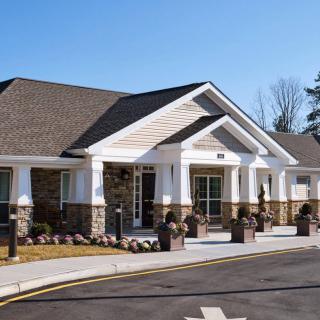

  • Wedgewood Place

    Wedgewood Place

    Brick, NJ

    4 from 2 reviews
     

    pro Small, welcoming community with meals, housekeeping, medication management, and Wi-Fi.

  • Greenbriar II

    Greenbriar II

    Brick, NJ


    pro Modern amenities with meal service and medication management.

  • Artis Senior Living of Brick

    Artis Senior Living of Brick

    Brick, NJ

    4.4 from 78 reviews
    $9,400 / month

    pro Specialized memory care with compassionate staff in a welcoming, engaging environment.

  • The Chelsea at Brick

    The Chelsea at Brick

    Brick, NJ

    4.5 from 76 reviews
    $4,290 to $6,750 / month

    pro Caring staff in a clean, home-like setting with engaging activities.

  • Brandywine Assisted Living at The Gables

    Brandywine Assisted Living at The Gables

    Brick, NJ

    4.9 from 116 reviews
    $3,630 to $5,760 / month

    pro Excellent staff and a beautiful, engaging community.

  • Serenity Gardens at Brick

    Serenity Gardens at Brick

    Brick, NJ

    4.6 from 37 reviews
    $8,950 / month

    pro Intimate, home-like setting with attentive staff and strong memory-care focus.

  • Leisure Park

    Leisure Park

    Lakewood, NJ

    4.3 from 167 reviews
    $2,920 to $4,730 / month

    pro Renovated, friendly staff, and active social life.

  • Seaview Village

    Seaview Village

    Brick, NJ

    5 from 1 review
     

    pro Small, intimate community with personalized care and convenient access to nearby amenities.

Related Resources

  • caregiver benefitsSupportive Employee Benefits That Help Caregivers Attain Better Work-Life Harmony
    The article emphasizes the critical role of supportive employee benefits for caregivers, advocating for flexible scheduling, paid leave, and mental health services to ease their challenges while enhancing employee well-being and organizational loyalty. It also highlights the importance of strong leadership in promoting these initiatives to foster a sustainable workplace culture that values caregivers.

  • best car for seniorsTop Cars for Senior Drivers and Essential Safety Innovations

    Senior drivers prioritize comfort, safety, and ease of use in vehicles due to age-related challenges, seeking features like easy entry, clear visibility, and modern driver-assistance technologies. Recommended models include the Subaru Forester, Honda CR-V, and Toyota Camry, with emphasis on test-driving for personal comfort and evaluating crash-test ratings alongside insurance considerations.

  • private pay home careA Closer Look at Private Pay Home Care

    Private pay home care offers a flexible caregiving option for older adults and families who don't qualify for government programs, allowing them to directly fund in-home care services that range from daily assistance to specialized support. This model's customization potential enables aging in place while addressing financial considerations through strategic planning options, though clients must navigate marketplace challenges and ensure quality compliance.