
1 Darley Circle, Brick, NJ 08724
For more information about senior living options: (866) 208-4318
Greenbriar I Costs & Pricing
Greenbriar I offers competitive pricing for its residential units, particularly when compared to both Ocean County and the broader state of New Jersey. For instance, a one-bedroom apartment in Greenbriar I is available for $2,500 per month, significantly lower than the Ocean County average of $4,332 and the state average of $5,994. Similarly, the two-bedroom option at Greenbriar I is priced at $4,100, which remains attractively positioned against Ocean County's average of $4,353 and New Jersey's higher average of $6,216. These cost advantages make Greenbriar I an appealing choice for prospective residents seeking quality living spaces without the hefty price tag typically associated with the region.
| Floor plans | Greenbriar I | Ocean County | New Jersey |
|---|---|---|---|
| 1 Bedroom | $2,500 | $4,332 | $5,994 |
| 2 Bedrooms | $4,100 | $4,353 | $6,216 |
Senior living communities with a similar price nearby
-
from +$95 / mo
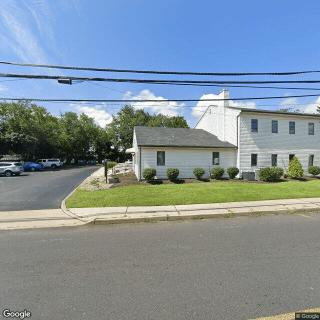
Guiding Light Home Care LLc
$2,595 to $4,995 / month23.3 miles away -
from +$436 / mo
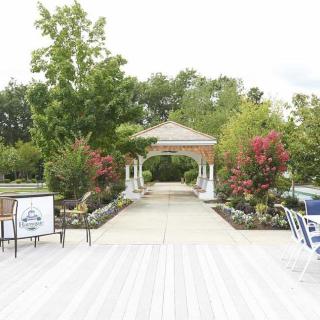
Harrogate a CCRC
$2,936 to $5,378 / month4.7 miles away -
from +$120 / mo

Greenbriar Oceanaire
$2,620 to $3,995 / month21.6 miles away -
from +$300 / mo

Brighton Gardens of Middletown
$2,800 to $4,800 / month20.2 miles away -
from -$100 / mo
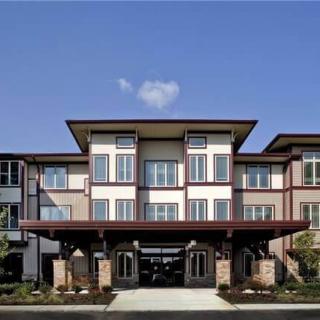
Waterside Villas
$2,400 to $2,650 / month22.2 miles away
Overall Review of Greenbriar I
Pros
 The Halloween party was great.
- The community is very nice.
- The clubhouse is beautiful with plenty of amenities, and the small golf course is enjoyable.
- There is a private lake for fishing.
- The maintenance makes all the difference, and the office staff are polite and efficient.
- It is a great place to live with many activities and reliable security.
Review
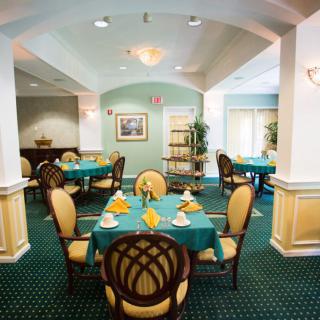
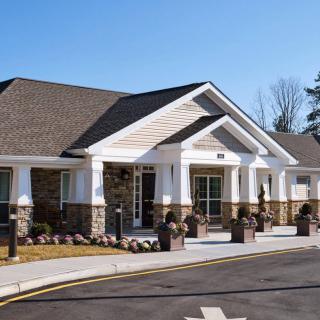
Greenbriar I in Brick, New Jersey, is best suited for active, independent seniors who want a self-contained, social lifestyle. The community functions as a quiet, well-kept enclave where daily life centers on a lively clubhouse, a steady slate of activities, and easy access to leisure amenities. A small golf course sits on site, complemented by a private lake for fishing, creating low-hassle recreation without venturing far from home. Residents repeatedly highlight a friendly atmosphere and a sense of belonging, with maintenance and on-site staff handling routine tasks efficiently. In short, Greenbriar I rewards those who want a dependable, socially engaged environment where practical comforts are front and center.
Those who may want to consider alternatives are residents who require robust on-site health care, continuous supervision, or assisted-living-style support. The reviews do not indicate any on-site medical services, which means escalating care needs, hospital proximity, or more intensive daily assistance may necessitate a different setting. Additionally, families seeking a more urban, high-activity milieu or a different cost structure might find other communities that better fit those preferences. The absence of care-focused infrastructure in the narrative suggests it is best viewed as independent living with a strong social framework, rather than a care continuum.
Among the strongest selling points are the tangible amenities and service culture. The clubhouse and its varied calendar of events provide ongoing engagement, helping residents stay connected without needing to leave the property. Office staff, security personnel, and custodial teams are consistently described as courteous and effective, contributing to a smooth, predictable daily routine. The governance team, often praised for responsiveness, helps keep operations aligned with residents’ needs. Most notably, maintenance efficiency reduces everyday friction, so repairs and routine tasks are handled quickly, lowering the friction that can wear on independent living.
Because the reviews do not surface significant drawbacks, the main challenge appears to be a potential mismatch for those who anticipate on-site health care or more intensive personal support. The overall package, social opportunity, solid upkeep, and a secure, quiet setting, offsets many traditional worries about aging in place, yet it does not substitute for medical or caregiving services. For families prioritizing social connectivity, reliability, and a well-managed daily experience, Greenbriar I delivers substantial value. For those who foresee needing hands-on care down the line, or who want a broader care continuum on-site, exploring alternatives with stronger care offerings is prudent.
Decision-making should center on visit impressions and concrete questions. Prospective residents should arrange a tour that captures the pulse during peak activity periods to gauge staff responsiveness and the energy of the community. Inquiries about maintenance response times, security features, and the use of common-area resources will validate impressions formed from the reviews. Speaking with current residents about the consistency of the activity calendar, the perceived quality of the clubhouse amenities, and the reliability of the small golf course and lake area will reveal whether the lifestyle aligns with expectations. Cost transparency and board governance should be part of the discussion to ensure a fit that matches both budget and expectations.
Bottom line: Greenbriar I delivers a high-value independent-living option for seniors who prize a low-stress, activity-rich, maintenance-supported environment in a quiet Brick setting. For families prioritizing social connectivity, safety, and engaged staff, the community checks those boxes convincingly. Those needing on-site health care, more intensive assisted living services, or a different urban-or-cost profile should systematically evaluate alternatives that offer stronger care models or varied pricing. With clarity about these trade-offs, Greenbriar I stands out as a practical, well-suited recommendation for the right kind of active, social senior who wants a dependable, turnkey living experience.
 6 resident community capacity
 Active Adult Communities (55+)
 Housekeeping services
 Telephone
 Wi-Fi/high-speed internet available
 Assistance with dressing
 Meal preparation and service
 Medication management
 Diabetes diet
 Special dietary restrictions

 6 Crucial Ways an Elder Law Attorney Assists Families
 Navigating the Tax Landscape of Caregiving: Credits, Deductions, and Beyond
 Highly Beneficial Low-Impact Exercises for Senior Living Residents