Serenity Gardens at Brick Costs & Pricing
At Serenity Gardens at Brick, the monthly cost for a studio room is set at $8,950. When compared to the average costs in Ocean County and New Jersey as a whole, which stand at $4,500 and $5,286 respectively, Serenity Gardens positions itself as a premium option within the assisted living market. This pricing reflects not only the exceptional services and amenities provided but also the commitment to delivering personalized care tailored to residents' needs. While it exceeds local and state averages significantly, this investment aims to ensure a high quality of life for its residents in a supportive environment.
| Floor plans | Serenity Gardens at Brick | Ocean County | New Jersey |
|---|
| Studio | $8,950 | $4,500 | $5,286 |
Memory care communities with a similar price nearby
-
from -$450 / mo

Millennium Memory Care at Freehold
$8,500 / month
13.9 miles away
-
from +$550 / mo
Millennium Memory Care of Holmdel
$9,500 / month
18.0 miles away
-
from +$450 / mo
Artis Senior Living of Eatontown
$9,400 / month
13.6 miles away
-
from -$1420 / mo
Sunrise of Marlboro
$7,530 to $10,110 / month
17.1 miles away
-
from -$650 / mo
Millennium Memory Care at Ocean
$8,300 / month
9.6 miles away
Overall Review of Serenity Gardens at Brick
differentiator
6 reviews mention this
Safety and monitoring stand out
Residents’ reviews repeatedly emphasize security and supervision designed for wandering risk.
For memory care, reviewers describe a secure setup, including a locked-down feel and controlled entry with passcodes. One reviewer specifically praises security and reassurance about leaving and getting lost, while others highlight close daylong oversight and safety-focused monitoring. Residents also mention features like door security and staff attention that helps keep people safe while still being able to spend time out and about.
common
30 reviews mention this
Staff care is consistent
Caregivers and management are repeatedly described as attentive, responsive, and genuinely invested.
Across the reviews, families describe caregivers who treat residents like family members and provide support that feels personal. Many reviewers also call out responsiveness—checking in, keeping loved ones informed, and addressing concerns when they come up. Even where one family describes a disappointing experience, other reviews frame the day-to-day caregiving and communication as a key strength.
common
18 reviews mention this
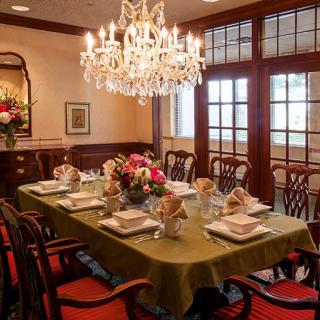
It feels home-like, not institutional
Multiple reviewers say the community feels warm and home-like rather than hospital-like.
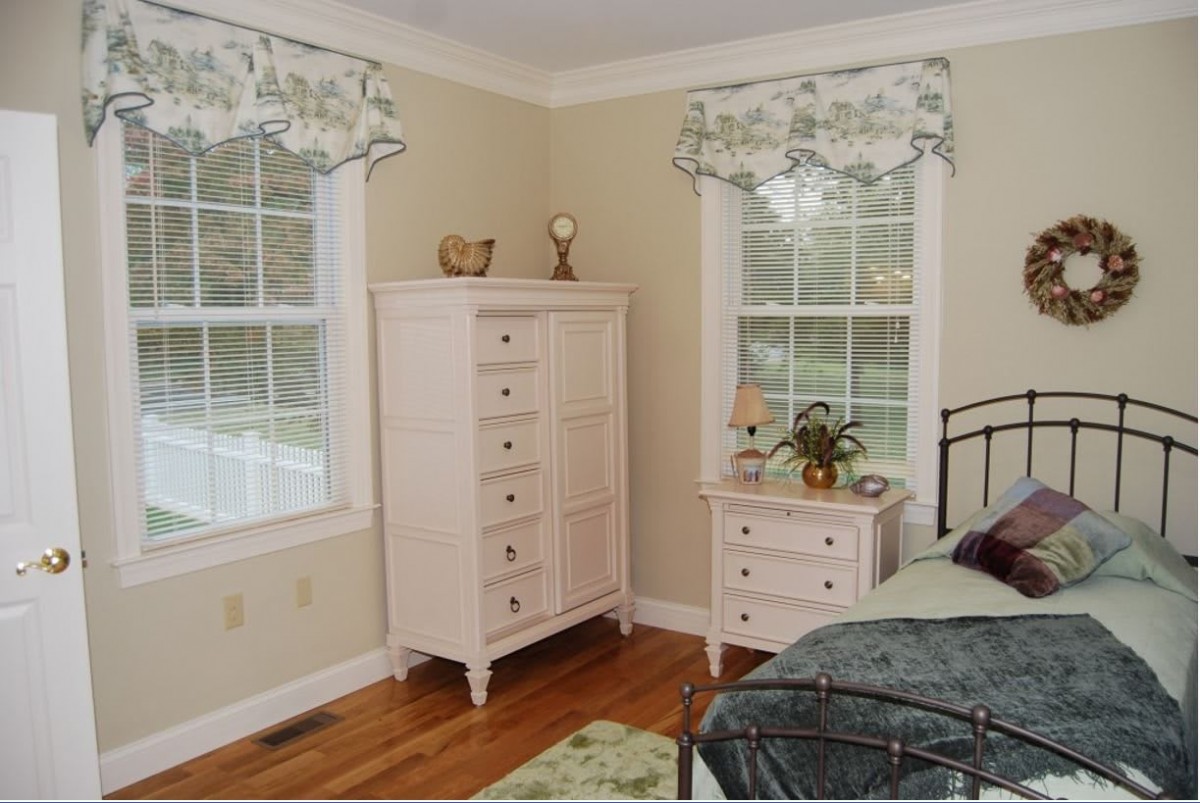
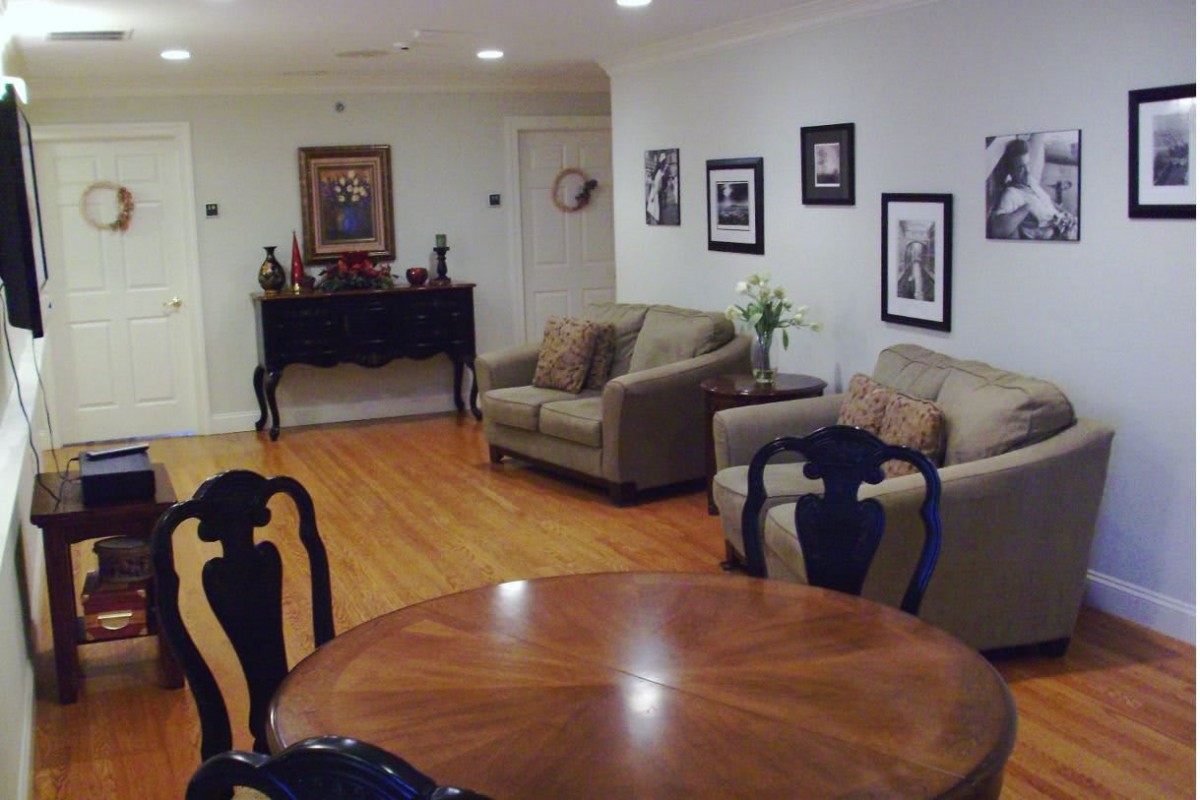
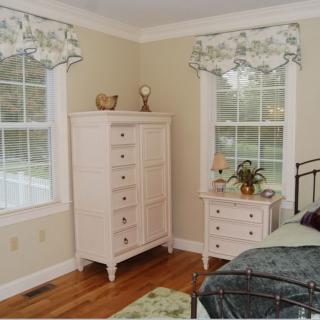
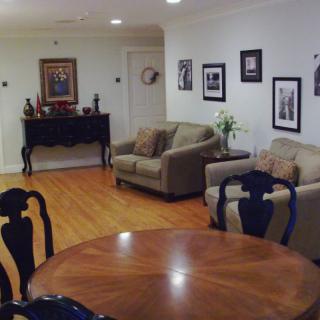
Reviewers frequently describe a homey, intimate setting, including smaller layouts and common spaces where people socialize rather than staying isolated in rooms. Several mention a comforting atmosphere, warm decor, and a residential feel that helps residents feel more settled. The overall tone is that the environment supports daily comfort while still emphasizing safety.
common
6 reviews mention this
Cleanliness and upkeep are praised
Residents and visitors repeatedly mention the facility looking clean and well maintained.
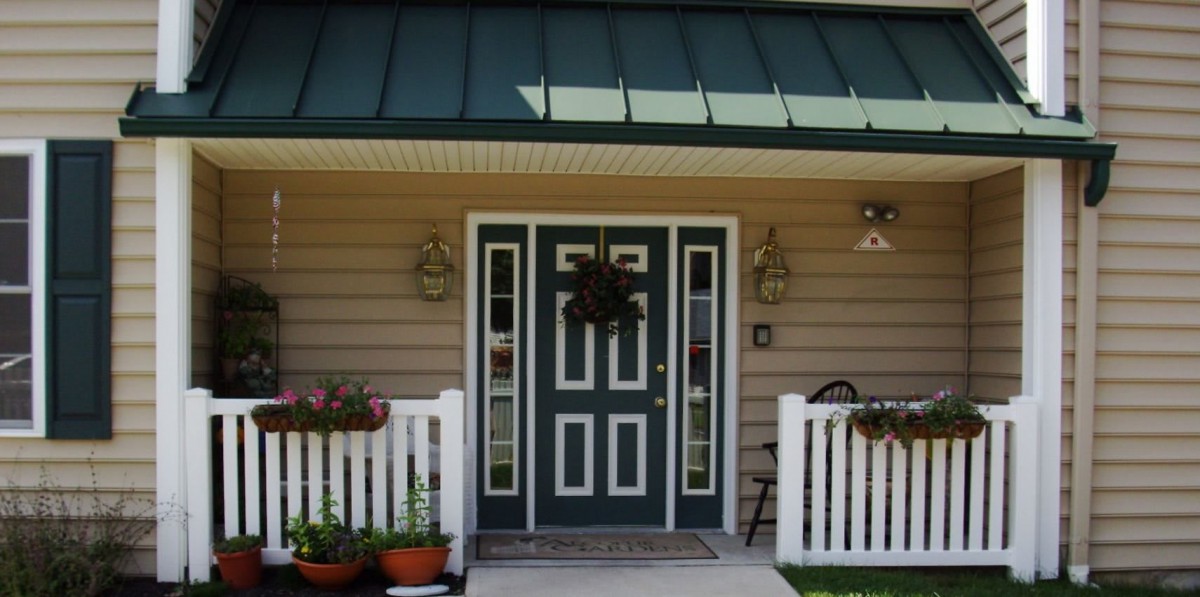
Several reviews highlight cleanliness and describe the building as well kept, including comments about a comfortable, cared-for feel. One reviewer specifically notes the facility being very clean, while others reinforce that it looks maintained and redecorated. Combined with the home-like atmosphere, cleanliness comes across as part of the day-to-day experience families notice.
common
4 reviews mention this
Meals feel personalized
Reviews describe meals that are prepared by staff and feel more personal than institutional food.
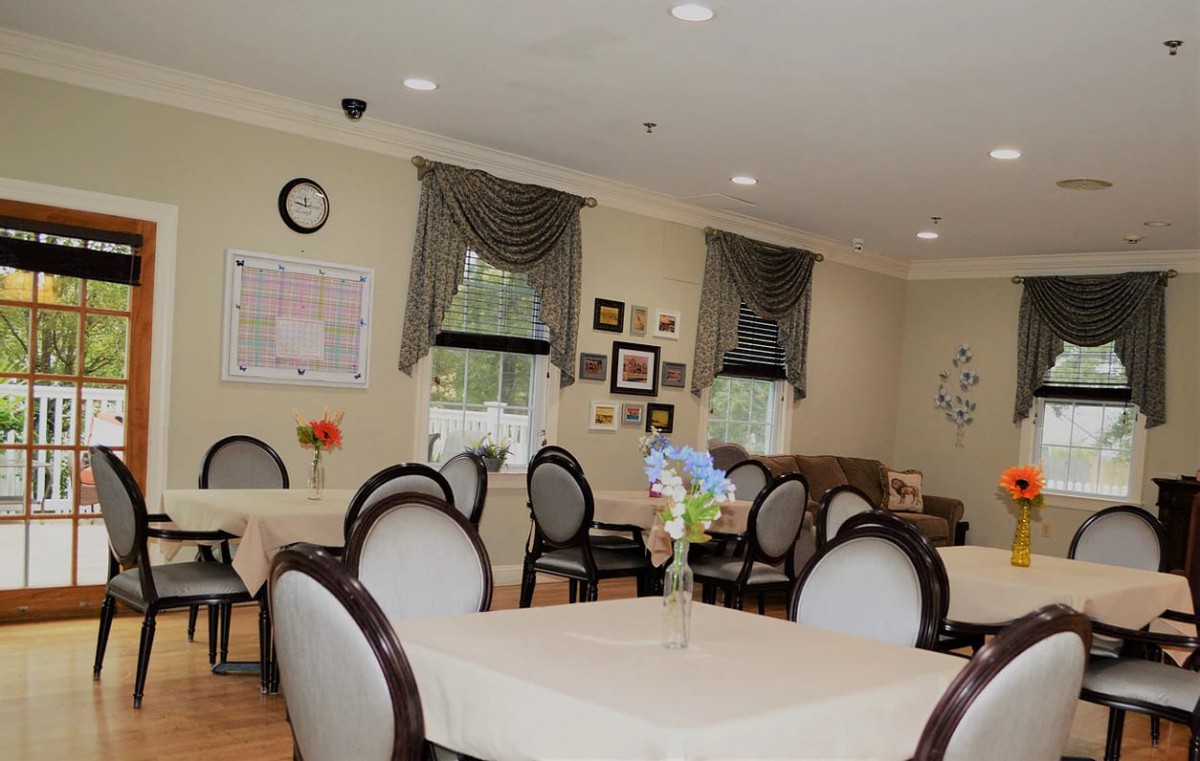
Reviewers mention staff-prepared meals and describe residents enjoying eating there. Some families also describe the meal experience as a positive part of daily life, including comments about lunchtime. The community’s dining approach includes restaurant-style dining and special dietary options, which aligns with how families talk about food being more tailored than cafeteria-style service.
caveat
2 reviews mention this
Tours emphasize responsiveness
At least one review reflects a breakdown in meeting higher care needs after admission.
One reviewer describes being asked to move a loved one after a period of time because more physical care was needed than the community was willing to provide. They also report frustration with communication and support during the transition. Since most other reviews emphasize attentive caregiving and responsiveness, this is a clear exception families should consider when evaluating fit for changing care needs.
How we summarize
Counts show how many written reviews mention each theme; a review can touch several themes, and only frequently mentioned themes are displayed.

 Studio apartments
 Memory Care
 Activities on-site
 Air-conditioning
 Bath tubs
 Beautician on-site
 Cable or satellite TV
 Devotional services on-site
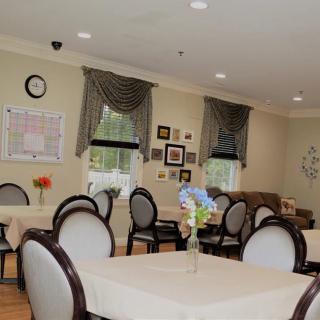
 Dining room
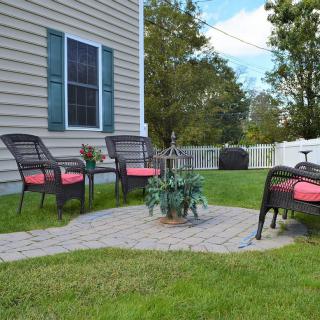
 Garden
 Guest parking
 Handicap accessible
 Housekeeping services
 Indoor common areas
 Laundry
 Outdoor common areas
 Party space
 Private bathrooms
 Respite or short term stays offered
 Security gate
 VA Benefits Consultation
 Wi-Fi/high-speed internet available
 Ambulatory care
 Companion care
 Diabetic care
 High acuity care
 Hospice care
 Incontinence care
 Medication management
 Physical therapy
 Psychiatric care
 Anytime dining
 Special dietary restrictions
 Art classes
 Bible study group
 Book club
 Cooking classes
 Educational speakers / life long learning
 Games
Games Jewish services
 Karaoke
 Live musical performances
 Assisted living with meal prep, medication management, dietary accommodations, and Wi-Fi plus convenient access to local amenities.


 5 Early Indicators of Dementia and What You Can Do
 8 Important Indicators That Memory Care May Be Necessary
 Delving into the Inner World of Dementia: Insights into Thoughts and Awareness