For more information about senior living options: (866) 208-4318
3.7 from 33 reviews
5 stars
17
4 stars
7
3 stars
0
2 stars
1
1 stars
8
Overall Review of Lebanon Center
common24 reviews mention this
Staff care gets consistent praise
Residents and families consistently describe staff who are attentive, responsive, and respectful.
Across the reviews, people frequently say the staff takes time to respond to questions and concerns and treats residents with care and respect. Multiple reviewers also describe caregivers and care teams as compassionate, and note that communication about residents’ condition feels timely. Several comments also highlight quick response behaviors, including call light and front-door check-in.
common3 reviews mention this
Rehab and care-team support
Rehab support from the care team is a recurring part of residents’ experiences.
Some reviews focus on rehab after hospitalization, describing a care team that includes PT/OT and social services and portrays that support as responsive. Others mention rehabilitation therapy as an important part of the first impression or ongoing stay. In these accounts, the overall care experience is closely tied to how the therapy and clinical support teams engage with residents and families.
caveat5 reviews mention this
Dining quality is mixed
Dining gets mixed feedback, from enjoyable meals to complaints about food.
A subset of reviews says the food is good, including comments about dinner and a lunch menu that looked good. Other reviewers take the opposite view, describing terrible food. Where families were present, at least one also notes meals looked appealing and recommends the community.
caveat5 reviews mention this
Short staffing affects attention to details
Several reviews raise concerns about staffing levels affecting day-to-day attention.
Some reviewers describe short staffing and difficulty getting the level of care they expected. One account also cites problems getting phone calls returned after expressing concerns. Another specifically mentions infrequent bathing and not receiving the medical attention requested. A separate, highly negative review asserts neglect and poor supervision, framing it as an ongoing issue.
caveat4 reviews mention this
Building condition and hygiene concerns
Reviews are split on facility condition, with some reporting dated or concerning hygiene issues.
One review calls out dated facilities while also saying the care itself was strong. Another reviewer reports what they believe may be mold and describes alarming conditions in hallway vents, while also expressing hope that problems are addressed. A different negative review alleges poor hygiene and serious mistreatment. Other reviewers counterbalance this with comments about a clean facility and rooms set up in a more home-like way.
How we summarize
Counts show how many written reviews mention each theme; a review can touch several themes, and only frequently mentioned themes are displayed.
Features
Housing
21 resident community capacity
Types of Care
Skilled Nursing Facility
Amenities
Beauty salon
Cable or satellite TV
Dining room
Fully furnished
Garden
Housekeeping services
Kitchenette
Move-in coordination
Outdoor space
Telephone
Wi-Fi/high-speed internet available
Care Services
24-hour call system
24-hour supervision
Activities of daily living assistance
Assistance with bathing
Assistance with dressing
Assistance with transfers
Coordination with health care providers
Diabetes diet
Meal preparation and service
Medication management
Mental wellness program
Special dietary restrictions
Transportation arrangement (medical)
Transportation to doctors appointments
Dining
Diabetes diet
Special dietary restrictions
Activities
Community-sponsored activities
Scheduled daily activities
Nearby Places of Interest
Physicians
DHMC Dermatology (0.1 miles)
Dartmouth-Hitchcock Heater Road | Family Medicine (0.1 miles)
Nye, Barbara Dartmouth hitchcock Headache Center (0.1 miles)
Dartmouth-Hitchcock Medical Center, Infectious Disease and International Health Section (0.5 miles)
Upper Valley Neurology Neurosurgery (0.7 miles)
Upper Valley Medical Group (0.7 miles)
Upper Valley Speech-Language Services (0.9 miles)
Restaurants
Seven Barrel Brewery (0.2 miles)
The Fort (0.4 miles)
New Thailand Cuisine (0.7 miles)
Thai Orchid Restaurant (0.9 miles)
Three Tomatoes Trattoria (0.9 miles)
Dairy Twirl (1.2 miles)
Snax (1.6 miles)
Transportation
Gate 4 (0.3 miles)
Dartmouth Coach Lebanon (0.3 miles)
Avis Rent A Car (3.8 miles)
Cafes
Lucky's Coffee Garage (0.9 miles)
Jake's Coffee Company (1.9 miles)
The Nest Kitchen (3.8 miles)
Starbucks (3.8 miles)
Cafe North (4.1 miles)
Starbucks (4.3 miles)
Panera Bread (4.4 miles)
Parks
Colburn Park (0.9 miles)
Kilowatt Park (3.2 miles)
The Green (3.9 miles)
College Green (3.9 miles)
Pine Park (4 miles)
Places of Worship
First Congreational Church of Lebanon (1.2 miles)
General Conference Of Seventh-Day Adventists (3.4 miles)
First Baptist Church (3.6 miles)
St Denis Rectory (3.6 miles)
Rollins Chapel (3.9 miles)
Church of Christ At Dartmouth College (4 miles)
Aquinas House (4.3 miles)
Hospitals
Alice Peck Day Memorial Hospital (1.3 miles)
Medical Office Building at Alice Peck Day (1.4 miles)
Children's Hospital at Dartmouth-Hitchcock (1.9 miles)
Office of Patient and Family Relations (1.9 miles)
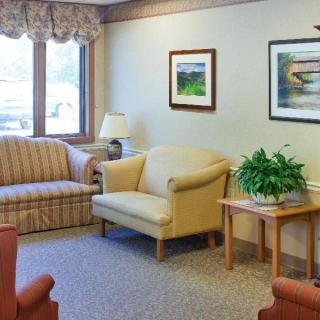
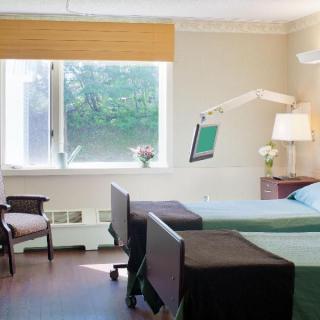
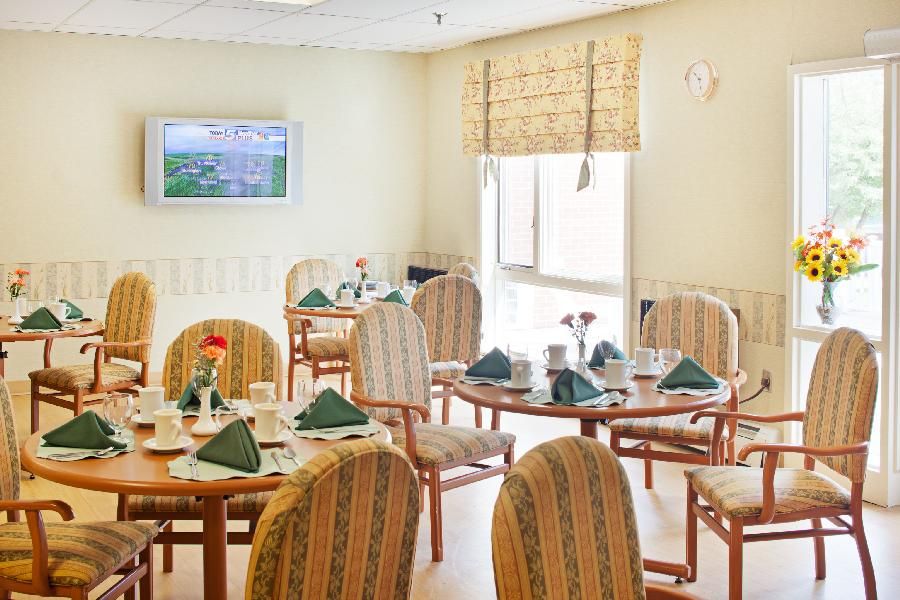
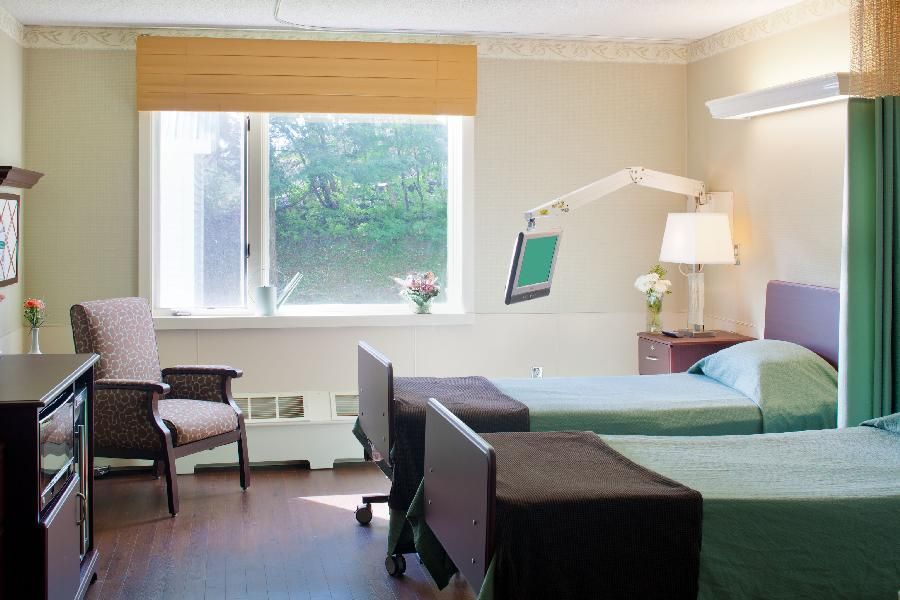
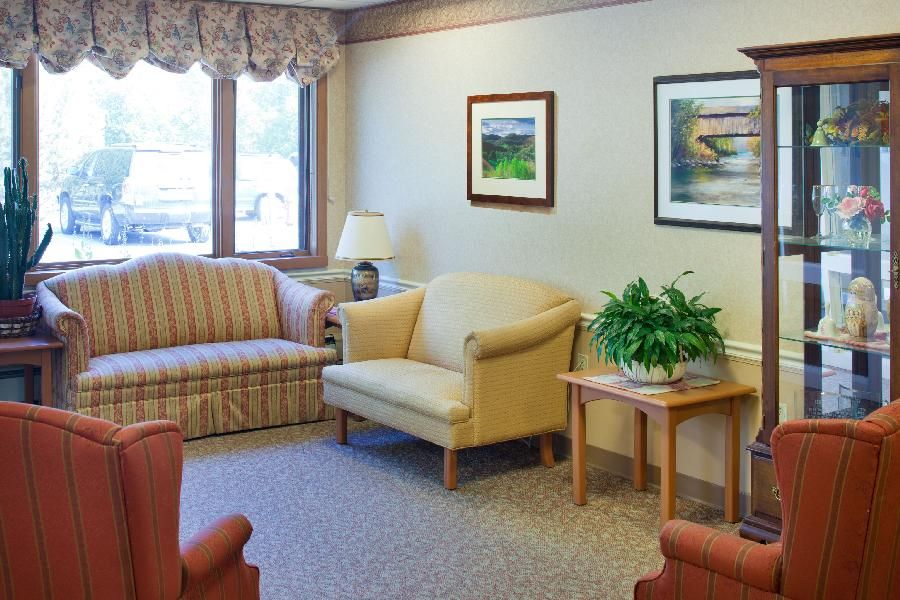
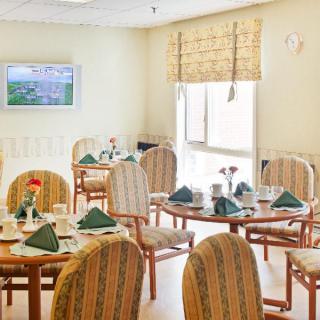
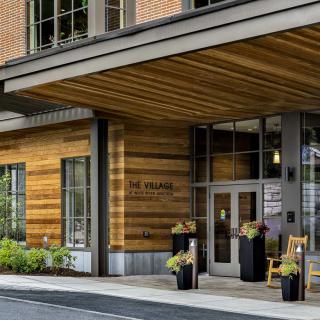
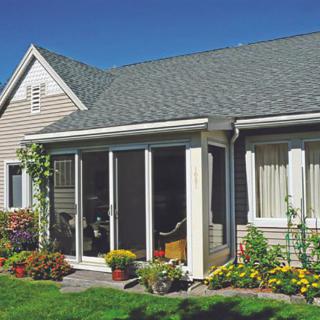
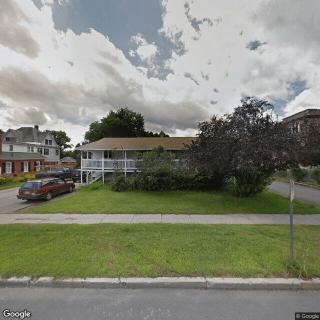
Lebanon Center on seniors.fyi includes 3 photos including images showing dining, interior, decor, living room, indoor plants, windows, healthcare, and more.
Nearby Communities
Riverdale Parkway
Lebanon, NH
Comprehensive care and amenities (ADL support, meds, meals, transportation, activities, outdoor space).
TLC Nursing Associates, LLC
Lebanon, NH
4.7 from 41 reviews
Close access to pharmacies, physicians, hospitals, restaurants, parks, and other amenities in a serene Lebanon setting.
Upper Valley Good Day Respite Program
Lebanon, NH
4.3 from 37 reviews
$4,450 to $5,785 / month
Well-equipped units with 24-hour supervision and extensive amenities.
Harvest Hill
Lebanon, NH
4.4 from 38 reviews
$1,000 / month
Attentive staff, good dining, and engaging activities.
Armistead Senior Care I
Lebanon, NH
5 from 18 reviews
Small, personalized community with 24/7 supervision and comprehensive care in furnished apartments.
Claudia Simard
Hanover, NH
3.5 from 11 reviews
Comprehensive care and amenities in an intimate 21-unit community.
The Village at White River Junction
White River Junction, VT
4.9 from 118 reviews
$10,435 to $12,095 / month
Caring staff and engaging activities.
Kendal At Hanover
Hanover, NH
3.5 from 19 reviews
Broad range of care options with engaging activities in a campus-like, pet-friendly setting.
Willows of Windsor
Windsor, VT
5 from 1 review
$2,040 / month
Low-cost private room with easy access to parks and medical services.
Anticipatory grief is an emotional response to the impending loss of a loved one, characterized by complex emotions such as sadness and anger, and involves navigating stages similar to those identified by Kübler-Ross. Coping strategies are vital for managing this process, emphasizing compassionate communication, self-care, and support groups while recognizing the cultural influences on grieving.
Adult day care programs offer essential support and activities for older adults, yet many hesitate to participate due to concerns about independence and stigma. To alleviate these apprehensions, families should facilitate open discussions, explore financial resources, suggest trial visits, and collaborate with healthcare providers to highlight the benefits of such services for both the participants and their caregivers.
Living wills and advance directives are crucial legal documents that outline an individual's healthcare preferences when they cannot make decisions themselves, enhancing patient autonomy and alleviating family stress during medical crises. The article emphasizes the need for these documents to be personalized, legally valid, and regularly updated, while also encouraging communication about end-of-life wishes among family members and healthcare providers.
Get PricingAsk A QuestionSchedule A TourContact Senior Advisor
By clicking submit, you agree to our Partner's Terms of Use. You
also consent to receive calls and texts, which may be autodialed, from our Partner. Your consent is not a condition to
using our Partner's service. Please visit our Partner's Privacy Policy for information about their privacy practices.

 21 resident community capacity
 Skilled Nursing Facility
 Beauty salon
 Cable or satellite TV
 Dining room
 Fully furnished
 Garden
 Housekeeping services
 Kitchenette
 Move-in coordination
 Outdoor space
 Telephone
 Wi-Fi/high-speed internet available
 24-hour call system
 Activities of daily living assistance
 Assistance with bathing
 Assistance with dressing
 Assistance with transfers
 Diabetes diet
 Meal preparation and service
 Medication management
 Mental wellness program
 Special dietary restrictions
 Transportation arrangement (medical)
 Transportation to doctors appointments
 Comprehensive care and amenities (ADL support, meds, meals, transportation, activities, outdoor space).

 Recognizing the Journey: Understanding and Navigating Anticipatory Grief
 Encouraging Participation in Adult Day Care: A Guide to Supporting a Hesitant Parent
 Comprehensive Exploration of Living Wills and Other Advance Directives