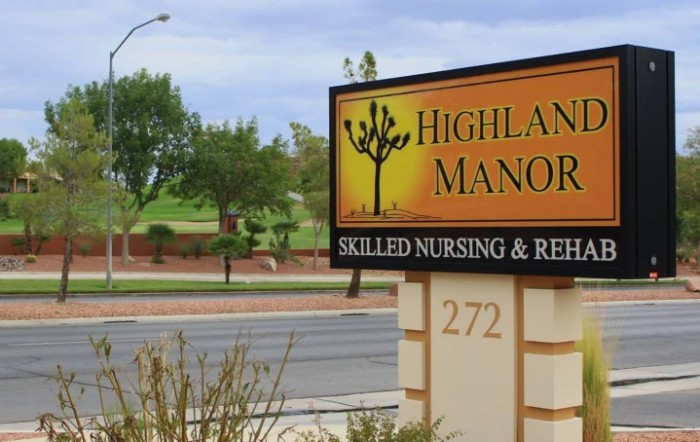
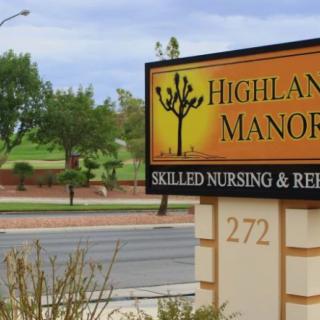
272 Pioneer Boulevard, Mesquite, NV 89027
For more information about senior living options: (866) 208-4318
Overall Review of Highland Manor Of Mesquite
Pros
 Lawrence and Amy are on the ball.
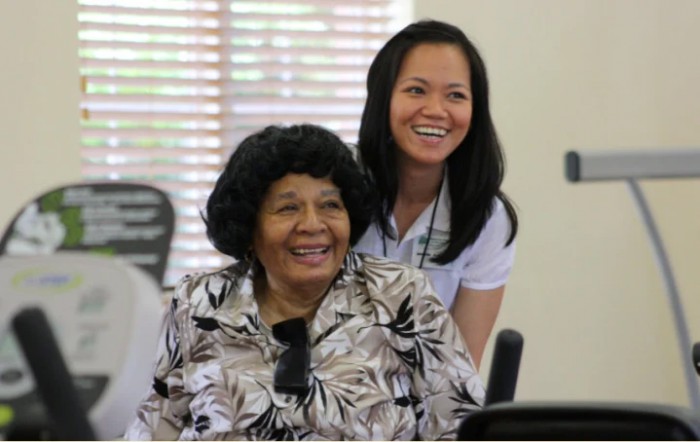
- The therapists are great.
- Most of the staff is great.
- Charles Jordan, the Occupational Therapist, was the Soul of the place.
- They have a passion for their patients and their well-being.
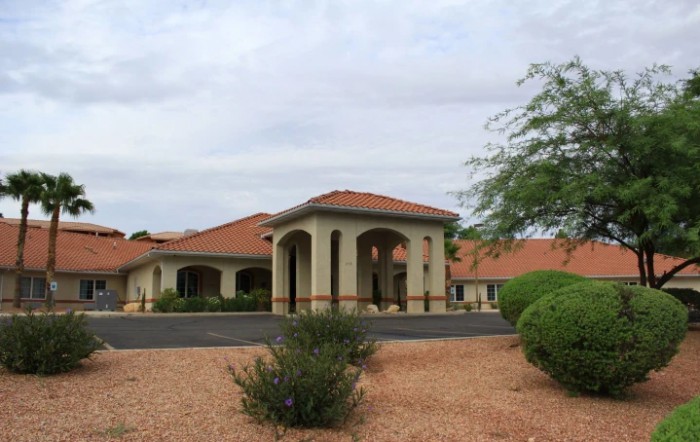
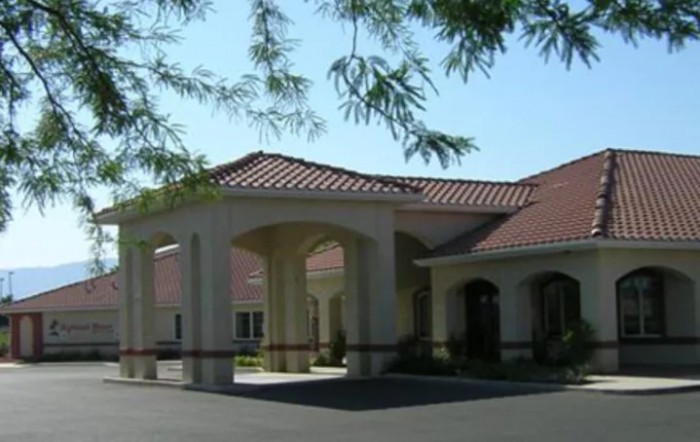
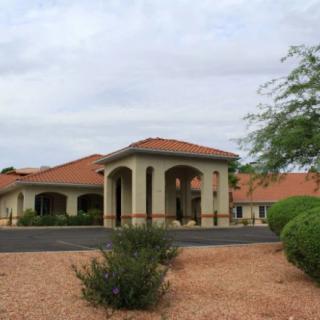
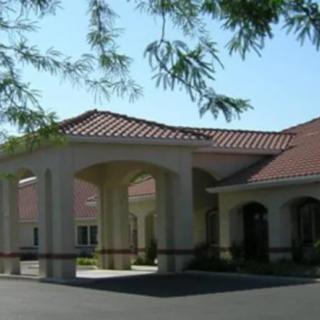
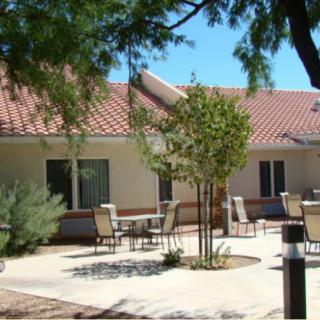
- The facility looks very nice from the outside.
Cons
 The food sucks.
- Pain medications are always late.
- Residents are sent there to be ignored.
- There is not enough help for the patients.
- There are only two CNAs per hall for 25 patients.
- CNAs are not treated well.
- The kitchen staff is not good because CNAs must take orders for them while caring for patients.
- Charles Jordan was let go unjustly, hurting resident morale.
- The food is not good and many residents complain about it.
- Corporate runs the Manor and cares only about the bottom line.
- Morale has declined since Charles left.
- Management provides generic responses instead of genuine ones.
- It makes it difficult to determine whether progress will be made at the facility.
- This is a horrible place and not recommended for loved ones.
- Alice Marie Patterson was discharged and left alone, later found, and died.
- Never let a loved one stay here; prison would be better and cheaper.
- The facility allows financial exploitation among patients and does nothing to stop it.
Review
Highland Manor of Mesquite is best suited for families seeking a care setting where a few dedicated clinicians and a solid therapy track can deliver meaningful progress on a day-to-day basis, provided there is vigilant family oversight. The community can work for residents who respond well to targeted rehabilitation and who value individual attention from a handful of capable staffers. It is not the safest choice for those requiring consistently high staffing ratios, dependable meal service, and proactive, transparent administration. Families prioritizing steady governance, predictable daily routines, and rigorous financial safeguards should seriously consider alternatives and use Highland Manor as a comparative option only after careful, in-depth visits and conversations.
On the upside, Highland Manor has shown it can sustain a compassionate care culture when the right people are present. Several staff members are recognized for genuine competence and kindness, and the therapy program, especially in earlier years, has carried the facility forward. The occupational therapist, Charles Jordan, anchored morale and delivered meaningful, hands-on support that residents and families deeply valued. His departure left a noticeable gap, underscoring the fragility of morale when a single standout clinician exits. Where therapy hours and attentive interaction are consistent, residents can experience real improvements in function and mood, making those moments a compelling argument for the facility in the right circumstances.
Still, the drawbacks demand sober attention. Staffing ratios are repeatedly cited as a core challenge: two CNAs per hall for as many as 25 residents strains the ability to provide timely assistance, monitor safety, and keep up with daily tasks. This bottleneck is compounded by reports that CNAs, and at times the kitchen staff, do not receive the support or recognition needed to sustain quality care. Pain medications, a perennial hot button, are described by some families as late unless supported by a handful of caregivers who stay on top of the schedule. Management enters the frame as a critical variable here; several accounts describe leadership as focused on the bottom line rather than resident-centered care, which feeds lower morale and inconsistent follow-through, especially after the loss of a trusted clinician.
The practical impact of these cons is clear: when staffing is thin and administrative responsiveness wavers, even experienced caregivers can be stretched too thin to maintain the level of attention residents deserve. The strongest care moments, therapists working one-on-one, nurses who keep a close eye on medications, aides who show steady warmth, become episodic rather than the norm. This makes Highland Manor a facility where progress is possible but not guaranteed, contingent on daily workforce availability and the readiness of leadership to act quickly on concerns. There is also a troubling side note about financial management for self-pay residents, with several mentions of unresolved issues around resident funds; this is not a risk to overlook and warrants proactive, documented safeguards before admission.
For families evaluating Highland Manor, the path forward is disciplined and pragmatic. Seek concrete assurances: current nurse-to-patient ratios by shift, specific med-pass timelines, and how therapy scheduling integrates with daily routines. Insist on a named care coordinator or social worker to centralize communications and track care plans, ensuring concerns are addressed promptly. Request a transparent view of dining operations, including meal quality and timing, to determine whether food service aligns with the resident’s needs and preferences. Review the financial agreement with attention to how resident funds are managed and monitored, and confirm the facility’s processes for reporting concerns and delivering timely responses from leadership. If possible, arrange trial periods or scheduled family visits to observe the cadence of care and the facility’s responsiveness in practice.
In the final assessment, Highland Manor of Mesquite presents a candidly mixed package: there is real potential for meaningful, therapy-informed care and authentic staff rapport, but that potential rests on a fragile operational bedrock. If a resident can thrive with limited but reliable support from a core group of caregivers, and if family members are prepared to actively supervise care, the outcome can be acceptable. However, the consistent themes of under-staffing, uneven meal service, and governance questions push this option toward the periphery for families prioritizing unwavering staffing, consistently high meal quality, and robust, transparent administration. Alternatives should be explored with the expectation of a more predictable environment, especially for residents whose daily safety and financial protections require unwavering, proactive management.
 112 resident community capacity
 Skilled Nursing Facility
 Air-conditioning
 Beauty salon
 Cable or satellite TV
 Computer center
 Dining room
 Fitness room
 Fully furnished
 Gaming room
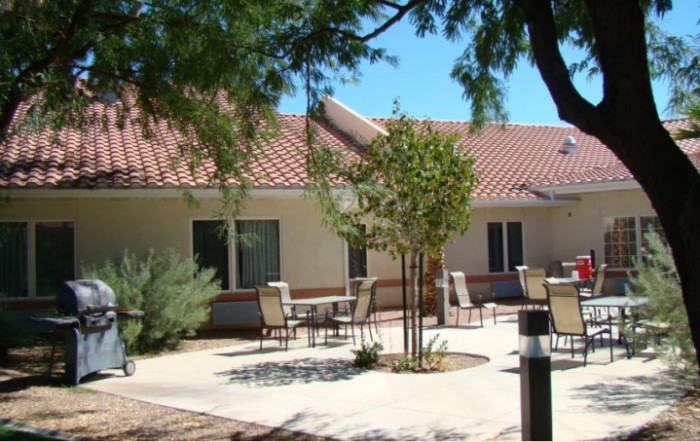
 Garden
 Housekeeping services
 Kitchenette
 Move-in coordination
 Outdoor space
 Private bathrooms
 Restaurant-style dining
 Small library
 Telephone
 Wellness center
 Wi-Fi/high-speed internet available
 Community operated transportation
 12-16 hour nursing
 24-hour call system
 Activities of daily living assistance
 Assistance with bathing
 Assistance with dressing
 Assistance with transfers
 Diabetes diet
 Medication management
 Mental wellness program
 Special dietary restrictions
 Concierge services
 Planned day trips



 Comprehensive Insights and Practical Strategies to Help Older Adults Avoid Falls
 6 Crucial Ways an Elder Law Attorney Assists Families
 Navigating the Tax Landscape of Caregiving: Credits, Deductions, and Beyond