

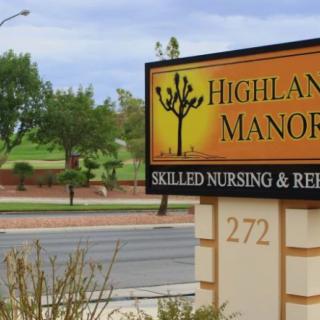
272 W Pioneer Blvd, Mesquite, NV 89027
To contact a resident: (702) 346-7666
For more information about senior living options: (866) 208-4318
Overall Review of Highland Manor
Pros
 Most of the staff are great.
- The Occupational Therapist, Charles Jordan, was the soul of the place.
- They have a passion for their patients' well-being.
- Bounce back therapy was amazing, the food was good, and the building was clean.
- The staff at Highland Manor is friendly and accommodating.
Cons
 The facility doesn’t have enough help for the patients; there are only two CNAs per hall for 25 patients.
- CNAs are not treated well.
- The kitchen staff is not good because CNAs have to take orders for them while caring for patients.
- The Occupational Therapist Charles Jordan was let go unjustly, and morale has declined since.
- The food is not good and many residents complain about it.
- Corporate runs the Manor and is focused on the bottom line.
- Management provides generic responses and fails to address concerns.
- The facility is described as horrible and not recommended for loved ones.
Review
Highland Manor in Mesquite, Nevada is best suited for families seeking a rehabilitation-forward experience where therapy drives progress and the environment supports a structured, clinical care path. The strongest case for Highland Manor rests with its rehab focus: a clean building, generous two-person rooms, and a therapy unit that many families view as the central engine of recovery. For residents aiming to return home after surgery or an injury, the setting provides a defined path with daily therapy and clear routines. Those seeking a warm, home-style long-term residence with consistently intimate daily care should weigh alternatives, as the facility reads more like a nursing rehab center than a traditional, cozy senior living home.
The strongest positives center on the therapy ecosystem and the dedicated staff who participate in it. When the therapy team is functioning at full tilt, residents report tangible gains and smooth transitions back to independence, with programs that support quick recovery milestones. The building’s cleanliness and room quality also stand out, offering a physically comfortable space during a challenging rehab period. The presence of an Alzheimer’s unit is a practical asset for families dealing with cognitive decline. In these moments, staff can be attentive, accommodating, and focused on rehabilitation goals, giving Highland Manor credibility as a rehab destination.
But the staffing reality is a recurring caution flag. Reviews consistently note staffing pressures, with two CNAs per hall serving up to 25 residents, and a culture where overwork can cloud daily care. Some CNAs are described as caring and capable, yet others report being overwhelmed and undervalued, which translates into slower responses and inconsistent routines. Kitchen and dining help are described as under-resourced, resulting in a dining experience that some find unsatisfactory. More troubling are reports of unsafe or inconsistent care, medication lapses, patients left in bed too long, and pain points around infection control, alongside anecdotes of bullying and a perceived lack of decisive administrative follow-through. The spectrum of experiences is wide, and safety concerns in particular cannot be dismissed.
Do the positives offset the negatives? The answer hinges on what the resident’s goals are. For someone whose priority is aggressive rehabilitation with a credible therapy program, Highland Manor can deliver genuine progress when staffing aligns with demand and oversight remains active. The therapy unit’s abilities and the clean, organized environment can help carve out real improvements in function and independence. However, for a resident whose needs extend beyond therapy hours, daily assistance with dressing, mobility, meals, and constant supervision, the documented staffing gaps and care inconsistencies threaten to erode confidence and jeopardize well-being over time. In short, the rehab strengths can carry a resident forward, but daily-care risks and morale issues limit the overall value.
Those considering alternatives should focus on daily-care reliability and staff accountability. Families prioritizing steady, compassionate daily support, predictable meals, and prompt administrative responses may find Highland Manor’s drawbacks too significant. If plan after plan hinges on consistent CNA coverage, timely assistance, and proactive problem resolution, it is prudent to compare with other options that report higher nurse-to-resident ratios, more homelike atmospheres, and clearer escalation paths for concerns. Highland Manor can remain on the short list for rehab planning, but only after verifying current staffing stability, safety protocols, and a demonstrated commitment to addressing issues promptly.
The bottom-line recommendation is practical and clear. Highland Manor offers a solid rehab-centric choice for families who can tolerate a hospital-like atmosphere and a care model that requires vigilant oversight. When therapy is the priority and the resident’s goals align with functional recovery, it can be a meaningful step forward. For long-term living where daily consistency, warmth, and reliable day-to-day care matter most, potential residents should conduct thorough due diligence: request up-to-date staffing ratios, tour the floor during active hours, speak directly with front-line caregivers, and scrutinize medication administration practices. If these checks reveal persistent staffing and care gaps, pursuing alternatives with stronger daily-care guarantees is the prudent path.
 Assisted Living
 Activities on-site
 Devotional services off-site
 Indoor common areas
 Ambulatory care
 Diabetic care
 Meals provided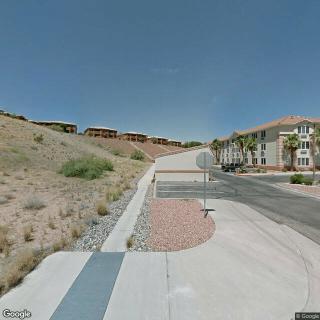



 Comprehensive Insights into Activities of Daily Living (ADLs) and Their Assessment
 Medicare Coverage for Assisted Living: An In-Depth Exploration
 Choosing the Right Senior Care: A Detailed Exploration of Assisted Living and Nursing Homes