
3658 Bronco Road, Las Vegas, NV 89103
For more information about senior living options: (866) 208-4318
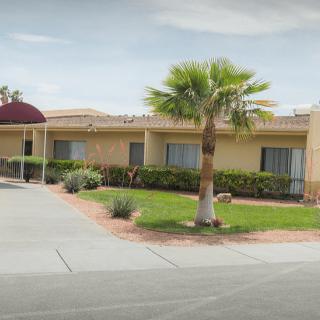
Villa Arfa Home Care is a nursing home community in Las Vegas, NV.
Information last verified:
3658 Bronco Road, Las Vegas, NV 89103
For more information about senior living options: (866) 208-4318
 2 resident community capacity
 Skilled Nursing Facility
 Cable or satellite TV
 Dining room
 Fully furnished
 Garden
 Housekeeping services
 Move-in coordination
 Outdoor space
 Telephone
 Wi-Fi/high-speed internet available
 McCarran International (5 miles away)
 24-hour supervision
 Activities of daily living assistance
 Assistance with bathing
 Assistance with dressing
 Assistance with transfers
 Diabetes diet
 Meal preparation and service
 Medication management
 Special dietary restrictions Diabetes diet Special dietary restrictions Community-sponsored activities Scheduled daily activities
Villa Arfa Home Care is an assisted living community located in Las Vegas, NV. Our community offers a range of amenities and care services to ensure our residents are comfortable and well taken care of.
Our residents can enjoy meals in our spacious dining room, which provides a welcoming atmosphere for socializing and enjoying delicious, nutritious meals. Each apartment within our community is fully furnished, providing all the comforts of home. Additionally, our outdoor space allows residents to relax and enjoy the beautiful weather.
We understand the importance of maintaining a clean and tidy living environment, which is why we provide housekeeping services to all of our residents. Our move-in coordination service assists new residents with settling into their new home seamlessly.
For those who wish to stay connected with friends and family, Villa Arfa Home Care offers telephone service as well as Wi-Fi/high-speed internet access. This allows residents to easily keep in touch with loved ones or browse the internet from the comfort of their own apartment.
In terms of care services, we offer assistance with activities of daily living such as bathing, dressing, and transfers to ensure our residents can maintain their independence while receiving the support they need. We also specialize in diabetes diets and provide medication management for those who require it. Our staff is trained to accommodate special dietary restrictions, ensuring that each resident's nutritional needs are met.
At Villa Arfa Home Care, we believe that staying active and engaged is an important aspect of overall well-being. That's why we offer scheduled daily activities for our residents to participate in. These activities vary from day-to-day and are designed to cater to different interests and abilities.
Our location in Las Vegas provides easy access to various amenities nearby. With six cafes, 34 pharmacies, six physicians' offices, 46 restaurants, and four transportation options nearby, our residents have many conveniences close at hand.
At Villa Arfa Home Care, we strive to create a warm and supportive environment for our residents. With our array of amenities and care services, we aim to provide a comfortable and enjoyable living experience for all.
Villa Arfa Home Care is located at 3658 Bronco Road, Las Vegas, NV 89103 in Clark County, Nevada

Gentle Spring Care Home
Las Vegas, NV
 Intimate, personalized care with comprehensive services and nearby amenities.
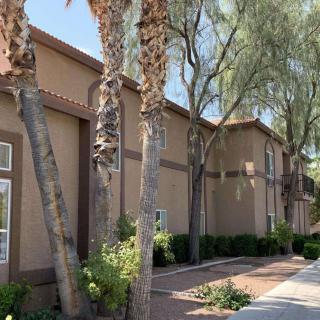
Palm Valley Assisted Living
Las Vegas, NV
Immaculate facility with friendly staff and attentive, home-like care.

Destinations Spring Valley
Las Vegas, NV
Clean, well-run community with engaging on-site activities and friendly staff.
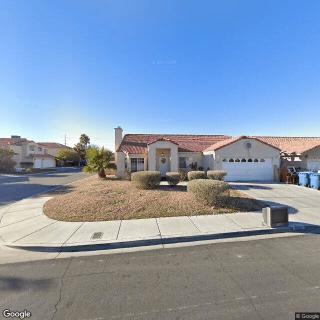
Ross Senior Residence
Las Vegas, NV
Fully furnished apartments with on-site dining and activities.
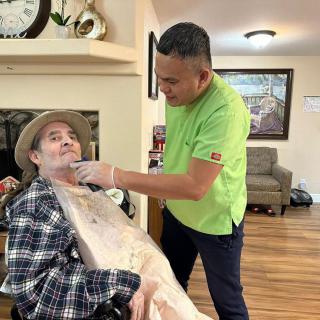
European Home Care
Las Vegas, NV
Luxurious setting with comprehensive care, dining, activities, and medical transportation.

We Care Residential Home
Las Vegas, NV
Intimate assisted living with comprehensive care, on-site dining, housekeeping, activities, and convenient access to nearby services.
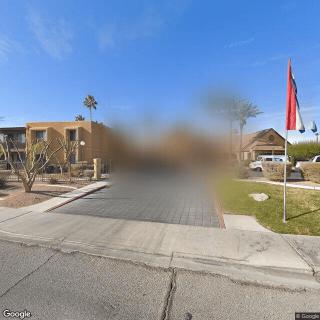
Heritage Park Apartments
Las Vegas, NV
Affordable pricing with a friendly, long-term community.
Laurelwood Group Home
Las Vegas, NV
Home-like, small facility with personalized care from attentive staff and good meals.
Torrey Pines Post Acute And Rehabilitation
Las Vegas, NV
Compassionate staff with strong rehabilitation focus.
 Fecal Incontinence in Older Adults: A Comprehensive Guide
Fecal incontinence, prevalent among older adults, arises from factors like weakened pelvic muscles and nerve damage, significantly affecting well-being and social interactions. Diagnosis involves clinical evaluation and tests to inform tailored treatments, while caregivers and preventive measures can aid in managing the condition effectively.
 Recognizing the Journey: Understanding and Navigating Anticipatory Grief
Anticipatory grief is an emotional response to the impending loss of a loved one, characterized by complex emotions such as sadness and anger, and involves navigating stages similar to those identified by Kübler-Ross. Coping strategies are vital for managing this process, emphasizing compassionate communication, self-care, and support groups while recognizing the cultural influences on grieving.
 Encouraging Participation in Adult Day Care: A Guide to Supporting a Hesitant Parent
Adult day care programs offer essential support and activities for older adults, yet many hesitate to participate due to concerns about independence and stigma. To alleviate these apprehensions, families should facilitate open discussions, explore financial resources, suggest trial visits, and collaborate with healthcare providers to highlight the benefits of such services for both the participants and their caregivers.