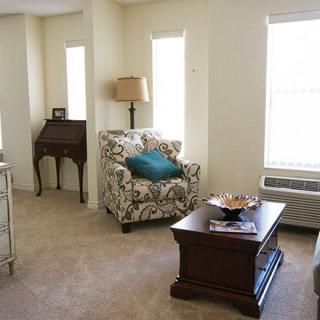
El Jen Convalescent Hospital And Retirement Center

5538 West Duncan Drive, Las Vegas, NV 89130

For more information about senior living options: (844) 490-3973

4.2 from 100 reviews
5 stars
77
4 stars
1
3 stars
2
2 stars
1
1 stars
19

Skilled Nursing Facility

Overall Review of El Jen Convalescent Hospital And Retirement Center

Pros

  • pro A visitor was happily surprised by the facility's cleanliness and found the patients well cared for, with the staff being friendly and welcoming.
  • pro The reviewer notes a friendly staff and a clean environment and would recommend the care center to others.
  • pro The reviewer describes the nurses and CNAs as wonderful, noting they are genuinely kind and focused on safety.
  • pro The reviewer commends Eric, the administrator, as reliable and someone you can depend on.
  • pro Letti is praised as the best person, and El Jen's healthcare is described as providing excellent services.
  • pro A reviewer observed that valuables were kept safe and nothing went missing during the stay.

Cons

  • pro They describe the facility as uncomfortable and uncaring, with spoiled milk for breakfast and disgusting food.
  • pro They claim the staff ignored infection concerns and misattributed issues to a uti, delaying proper treatment.
  • pro They report patients' vitals dropping dangerously and calls to 911 due to alleged negligence.
  • pro They say families are pressured to sign AMA and transfers to the hospital require doctor approval.
  • pro They assert staff show little empathy or compassion and often dismiss family concerns.
  • pro They allege neglect led to infections, sepsis, and near-fatal declines of residents, including a mother who deteriorated.
  • pro They say belongings are lost or stolen, rooms become cramped after transfers, and privacy is compromised.
  • pro They claim management is terrible and overall care is inadequate, with only a few staff exceptions.

Review

El Jen Healthcare and Rehab evokes a wide spectrum of experiences among those who have stayed there or visited loved ones. A lean thread that runs through many of the accounts is a sense that the facility's quality of care can swing from acceptable to dangerously negligent, depending on who you interact with and when you are there. Some reviewers describe a clean, well-run environment with friendly staff, while others paint a picture of neglect, miscommunication, and medical mismanagement that could put patients at real risk. Across the board, there is a persistent concern that staff are stretched thin, management style is inconsistent, and family voices - especially when it comes to medical needs - are not always heard in a timely or effective way.

Several families recount harrowing health scares that they believe were mishandled by El Jen. In one set of stories, patients were not given timely blood work or appropriate medical attention after alarming symptoms emerged. An individual reported being transferred to El Jen because INR levels needed stabilization, only to find that no one had drawn blood or followed through with the necessary monitoring. Another family described their loved one's rapid decline due to an infection that was repeatedly mischaracterized as something else, with urine tests either thrown away or never ordered. Paramedics later confirmed serious infection or sepsis, but family members say the staff minimized the problem for days, insisting that symptoms were due to unrelated conditions. In the most extreme version, a patient's condition deteriorated to the point of confusion, fever, low oxygen, and near-immobility, prompting a hospital transfer that, in the reviewers' view, should have happened much sooner. The recurring accusation is that urgent medical needs were delayed or dismissed, with dire consequences.

Infections and infection control are another major area of concern. Reviewers repeatedly allege that urinary tract infections were misattributed to menopause or ignored altogether, with cultures either not ordered or never processed. The consequences, they argue, included progressive deterioration, delirium, and, in at least one highly charged account, sepsis following a delayed recognition of a serious wound infection in a stump after amputation. The sense conveyed is that infection prevention and timely antibiotic administration were not prioritized, and that some staff appeared to resist or delay escalation to hospital care when a patient's condition worsened. The fear voiced by families is not only about antibiotics or tests but about the broader safety of the patient's care trajectory once they are inside the building.

Nutrition and meals appear as a separate but deeply connected critique. Spoiled milk for breakfast, consistently bad or unappealing food, and a view that nutrition was not being given the priority it deserves show up repeatedly. One reviewer explicitly called the food "yuck" and recommended bringing your own meals, while another suggested that the overall quality of daily provisions contributed to a sense of malaise or illness. Beyond meals, there are charges that basic personal care - showering, cleaning, and even keeping track of personal belongings - was inconsistently performed, and that nutrition and hygiene failures left patients vulnerable and frustrated. In a particularly stark allegation, a reviewer described a loved one as essentially starving, with neglect leading to a decline in health and dignity that culminated in death, with the reviewer accusing management of elder abuse and neglect.

Staff dynamics and the human face of care run a broad gamut. On the one hand, the accounts glow with praise for individual caregivers who are described as genuinely caring, competent, and attentive. Names like Jennifer the CNA and several nurses surface as bright spots in an otherwise dim picture. Administrators and case workers are also cited positively by some: Eric the administrator, Letti, and others are described as reliable, supportive, and capable of collaborative problem-solving. On the other hand, there are stern critiques of pacing, short staffing, and a perception that some staff members are overwhelmed, frazzled, or unsympathetic. Complaints about miscommunication, the difficulty in coordinating appointments, and the inability of some staff to respond to concerns quickly enough are common threads. One family recounted a tense exchange with a nurse over arranging hospital transport that underscored the friction sometimes present between families seeking urgent medical care and a system that appeared to delay escalation.

Management and facility conditions themselves are a central concern for many reviewers. A long-tenured patient describes a change under new management that appears to have altered the living arrangement in ways that families found unfair or impractical - personal belongings being boxed up during hospital stays and patients being moved into rooms with fewer amenities, such as shared TVs and limited space for visitors. Another family speaks to procedural friction - transportation logistics, communication gaps, and a perception that administrative staff can be out of sync with the day-to-day needs of residents. In contrast, there are brief but pointed observations from visitors who found the environment to be clean, well-kept, and free of strong odors, with staff who were welcoming and capable. The contrast between clean, patient-centered care in some visits and disquieting stories of neglect in others suggests a facility with uneven performance, possibly dependent on unit, shift, or individual caregiver.

All told, the consensus you gather from these accounts is one of a facility that holds potential for both solid, compassionate care and dangerous lapses that threaten patient safety. The most alarming narratives center on delayed recognition and treatment of infections, questionable decisions around patient transfers, and a sense that families must be their own advocates to safeguard a loved one's health. Nutrition and basic care are other critical fault lines, with allegations of spoiled food, insufficient nourishment, and inconsistent hygiene practices feeding into a broader narrative of fragility and fear for residents' wellbeing. The positive experiences - cleanliness, kindness from certain staff, and a few competent administrators - offer a counterweight, but the overall impression remains that quality of care at El Jen is highly variable and, in many cases, dangerously inadequate.

For anyone considering El Jen, these reviews suggest a cautious approach. If choosing this facility, families should plan to be highly vigilant: insist on clear medical oversight, request full and timely lab work, verify that all infections are thoroughly investigated, and maintain consistent channels of communication with both care staff and management. It may also be prudent to compare options and read multiple source perspectives, including current patient experiences, to gauge whether a particular unit or shift is delivering the kind of consistent, attentive care that keeps residents safe and comfortable. While some reviewers found redeeming qualities in certain staff members and the facility's environment, the troubling patterns described by others remain a powerful warning to weigh alternatives carefully and to advocate relentlessly on a loved one's behalf.

Features

Housing

  • 144 resident community capacity 144 resident community capacity

Types of Care

  • Skilled Nursing Facility Skilled Nursing FacilitySkilled Nursing Facilities are crucial for seniors as they provide round-the-clock medical care, rehabilitation services, and assistance with daily activities. These facilities ensure that seniors receive the specialized care they need to maintain their health and well-being as they age.

Amenities

  • Air-conditioning Air-conditioningAir conditioning is important for seniors as they are more vulnerable to heat-related illnesses and may have underlying health conditions that make it difficult for them to regulate their body temperature. It helps to keep them comfortable, safe, and healthy in hot weather.
  • Beauty salon Beauty salonBeauty salons are important for seniors because they provide a space for them to feel pampered, socialize, and maintain their personal grooming and hygiene. Regular visits to a beauty salon can help boost seniors' self-esteem and overall well-being.
  • Cable or satellite TV Cable or satellite TVCable or satellite TV is important for seniors because it provides entertainment, news, and companionship, helping to combat loneliness and boredom. It also offers a wide range of programming options tailored to different interests and preferences.
  • Computer center Computer centerA computer center is essential for seniors as it provides access to technology, communication tools, and resources that can enhance their daily lives. It allows them to stay connected with loved ones, engage in online activities, and learn new skills, ultimately promoting socialization and mental stimulation.
  • Dining room Dining roomDining rooms are important for seniors as they provide a space for socialization, connection, and nutritious meals. They offer opportunities for residents to bond over shared meals, foster a sense of community, and promote healthy eating habits. Dining rooms also ensure that seniors have access to well-balanced meals tailored to their dietary needs and preferences.
  • Fitness room Fitness roomHaving a fitness room in a senior living community is essential for seniors to stay active, maintain their physical health, and improve their overall well-being. Regular exercise can help prevent falls, reduce the risk of chronic diseases, and promote mental sharpness. It also provides social opportunities for residents to connect with others and enjoy a sense of community.
  • Fully furnished Fully furnishedFully furnished senior living communities are important for seniors because they provide convenience, comfort, and a hassle-free moving experience. Seniors can easily settle into their new living space without the stress of having to buy and move furniture. This allows them to focus on enjoying their new home and community.
  • Gaming room Gaming roomGaming rooms are important for seniors as they provide a fun and engaging environment for socializing, cognitive stimulation, and physical activity. Games can improve memory, problem-solving skills, and overall mental well-being while fostering friendships and reducing feelings of isolation.
  • Garden GardenGardens are important for seniors as they provide a peaceful and therapeutic environment for relaxation, physical activity, and socialization. Being in nature has been shown to reduce stress, improve mood, and promote overall well-being. Gardens also offer opportunities for seniors to engage in gardening activities, which can improve mobility, flexibility, and cognitive function. Additionally, gardens create a sense of community and connection with others who share a passion for plants and outdoor spaces.
  • Housekeeping services Housekeeping servicesHousekeeping services are important for seniors because they help maintain a clean and safe living environment, promote independence, and reduce the risk of accidents or illnesses. Additionally, having assistance with household chores can alleviate physical strain and allow seniors to focus on other aspects of their well-being.
  • Kitchenette KitchenetteKitchenettes are important for seniors living in senior living communities because they provide the convenience and independence of being able to prepare simple meals and snacks in the comfort of their own living space. This can help promote a sense of autonomy and well-being for seniors, allowing them to maintain some level of control over their dietary choices and daily routines.
  • Move-in coordination Move-in coordinationMove-in coordination is important for seniors because it helps ease the transition into their new living environment. It ensures that all logistics, such as packing, organizing movers, and setting up utilities are taken care of, allowing seniors to focus on settling in and adjusting to their new home. Having a smooth move-in process can alleviate stress and anxiety, making the transition smoother and more enjoyable for seniors.
  • Outdoor space Outdoor spaceOutdoor spaces are important for seniors as they provide opportunities for physical activity, social interaction, exposure to natural light and fresh air, and a sense of connection to nature. Having access to outdoor spaces can improve overall well-being and quality of life for older adults living in senior communities.
  • Private bathrooms Private bathroomsPrivate bathrooms are important for seniors in senior living communities because they provide independence, dignity, and comfort. Having a private bathroom allows seniors to maintain their personal hygiene routines without the need for assistance, promoting a sense of autonomy and privacy. Additionally, private bathrooms help prevent the spread of infections and provide a safe and clean environment for seniors to navigate safely.
  • Restaurant-style dining Restaurant-style diningRestaurant-style dining is important for seniors because it allows them to enjoy delicious, nutritious meals in a social and upscale setting. This enhances their dining experience, promotes healthy eating habits, and fosters socialization with fellow residents, ultimately contributing to their overall well-being and quality of life.
  • Small library Small librarySmall libraries are important for seniors as they provide access to a variety of reading materials, including books, newspapers, and magazines. This can help stimulate their minds, keep them engaged, and provide a sense of community through book clubs and other social activities. Additionally, reading has been shown to improve cognitive function and overall mental well-being in older adults.
  • Telephone TelephoneTelephones are important for seniors as they provide a lifeline for communication with loved ones, emergency services, and healthcare providers. They offer a sense of security and independence, enabling seniors to stay connected and access assistance when needed.
  • Wellness center Wellness centerWellness centers are important for seniors because they offer a variety of programs and services that promote physical, mental, and emotional well-being. These centers provide opportunities for exercise, socialization, education, and relaxation, helping seniors maintain their overall health and quality of life.
  • Wi-Fi/high-speed internet available Wi-Fi/high-speed internet availableWi-Fi/high-speed internet is important for seniors to stay connected with loved ones, access online resources, and participate in virtual activities to combat feelings of loneliness and isolation. It also allows them to easily manage healthcare needs, access entertainment, and engage in lifelong learning opportunities.

Transportation

  • McCarran International (11 miles away) McCarran International (11 miles away)
  • Community operated transportation Community operated transportationCommunity operated transportation is crucial for seniors as it provides them with the means to access essential services, social activities, and medical appointments. It allows seniors to maintain their independence and quality of life by ensuring they can participate in activities outside of their homes. Additionally, community-operated transportation services offer a safe and reliable way for seniors to travel without having to rely on family or friends for assistance.
  • Transportation arrangement Transportation arrangementTransportation arrangements are crucial for seniors as they may face challenges with driving, mobility, or access to public transportation. Having reliable transportation services ensures that seniors can easily attend appointments, social activities, and maintain their independence and quality of life.
  • Transportation arrangement (non-medical) Transportation arrangement (non-medical)Transportation arrangements are essential for seniors as they provide access to essential services, activities, and social interactions outside the home. This service helps maintain independence, mobility, and overall well-being for seniors who may have limited transportation options.
  • Transportation to doctors appointments Transportation to doctors appointmentsTransportation to doctors appointments is crucial for seniors as it ensures they have access to necessary medical care and support, promoting their health and well-being. It allows them to receive timely treatment, monitor existing conditions, and address any new health concerns efficiently. Additionally, transportation services can help seniors maintain their independence and quality of life by enabling them to stay connected with their healthcare providers.

Care Services

  • 12-16 hour nursing 12-16 hour nursing12-16 hour nursing care is crucial for seniors in order to ensure around-the-clock monitoring, timely medication administration, and prompt response to any health concerns or emergencies. This level of care helps to promote the overall well-being and safety of seniors living in senior living communities.
  • 24-hour call system 24-hour call system24-hour call systems are important for seniors because they provide peace of mind and immediate assistance in case of emergencies. This technology ensures that help is always available, promoting safety and security for elderly individuals living alone or in assisted living facilities.
  • 24-hour supervision 24-hour supervision24-hour supervision is important for seniors to ensure their safety, well-being, and access to immediate assistance in case of emergencies or health issues. This constant support provides peace of mind for both seniors and their loved ones, allowing them to age in place with dignity and security.
  • Activities of daily living assistance Activities of daily living assistanceActivities of daily living assistance are important for seniors because they provide essential support with tasks such as eating, bathing, dressing, and mobility. This assistance helps seniors maintain their independence, dignity, and overall quality of life as they age.
  • Assistance with bathing Assistance with bathingAssistance with bathing is crucial for seniors as it helps maintain personal hygiene, prevents infections, and ensures their overall well-being and comfort. It also provides a sense of dignity and independence for seniors who may struggle with this task on their own.
  • Assistance with dressing Assistance with dressingAssistance with dressing is important for seniors because it helps maintain their independence, promotes personal hygiene, prevents accidents and injuries, and improves overall quality of life. This service ensures that seniors can continue to dress comfortably and confidently, despite any physical limitations they may have.
  • Assistance with transfers Assistance with transfersAssistance with transfers is crucial for seniors as it helps prevent falls and injuries, maintains their independence, and ensures they can safely navigate their living environment. It also provides peace of mind for both seniors and their loved ones.
  • Diabetes diet Diabetes dietA diabetes diet is crucial for seniors as it helps manage blood sugar levels, reduce risks of complications, and improve overall health and well-being. By following a balanced and nutritious diet tailored to their specific needs, seniors can better control their diabetes and enhance their quality of life.
  • Meal preparation and service Meal preparation and serviceMeal preparation and service are crucial for seniors as they may have limited mobility or energy to cook nutritious meals. Having access to healthy and convenient food options can ensure they are getting the proper nutrition needed to maintain their overall health and well-being.
  • Medication management Medication managementMedication management is crucial for seniors to ensure they are taking the right medications at the correct dosages and times. This helps prevent adverse drug interactions, reduces the risk of medication errors, and promotes overall health and well-being. Proactive management also allows for adjustments as needed based on changing health conditions or new prescriptions.
  • Mental wellness program Mental wellness programMental wellness programs are essential for seniors as they promote cognitive stimulation, emotional support, and social engagement. These programs help prevent isolation, depression, and cognitive decline, ultimately enhancing the overall quality of life for older adults.
  • Special dietary restrictions Special dietary restrictionsSpecial dietary restrictions are important for seniors because age-related changes in metabolism and health conditions can make it difficult for their bodies to process certain foods. By following a diet tailored to their specific needs, seniors can maintain their overall health and well-being, manage chronic conditions, and reduce the risk of complications such as malnutrition or food interactions with medications.

Dining

  • Diabetes diet Diabetes dietA diabetes diet is crucial for seniors as it helps manage blood sugar levels, reduce risks of complications, and improve overall health and well-being. By following a balanced and nutritious diet tailored to their specific needs, seniors can better control their diabetes and enhance their quality of life.
  • Special dietary restrictions Special dietary restrictionsSpecial dietary restrictions are important for seniors because age-related changes in metabolism and health conditions can make it difficult for their bodies to process certain foods. By following a diet tailored to their specific needs, seniors can maintain their overall health and well-being, manage chronic conditions, and reduce the risk of complications such as malnutrition or food interactions with medications.

Activities

  • Community-sponsored activities Community-sponsored activitiesCommunity-sponsored activities are important for seniors as they provide opportunities for social interaction, mental stimulation, and physical activity. These activities can help improve overall well-being, combat loneliness and isolation, and promote a sense of belonging and purpose among older adults.
  • Concierge services Concierge servicesConcierge services are essential for seniors as they provide assistance with daily tasks and errands, enhance their quality of life by offering convenience and personalized care, and promote a sense of safety and security.
  • Fitness programs Fitness programsFitness programs are crucial for seniors as they help improve strength, flexibility, balance, and overall well-being. Staying active can reduce the risk of chronic diseases, improve mental health, and enhance quality of life in older adults.
  • Planned day trips Planned day tripsPlanned day trips are important for seniors because they offer opportunities for socialization, mental stimulation, and physical activity. They provide a change of scenery and help seniors stay engaged and connected to their community, promoting overall well-being and quality of life.
  • Resident-run activities Resident-run activitiesResident-run activities are important for seniors as they encourage social interaction, creativity, and a sense of autonomy. These activities empower seniors to stay engaged and active in their community while fostering meaningful connections with their peers.
  • Scheduled daily activities Scheduled daily activitiesScheduled daily activities are important for seniors because they provide structure, socialization, mental stimulation, and physical activity. Engaging in regular activities can improve overall well-being and quality of life for seniors living in a community setting.

Description

El Jen Convalescent Hospital and Retirement Center is an assisted living community located in the vibrant city of Las Vegas, NV. Our community offers a wide range of amenities to ensure that our residents have a comfortable and enjoyable stay.

For those who enjoy looking their best, we have a beauty salon on-site where residents can get their hair styled or enjoy other salon services. Our residents can also relax and unwind while watching their favorite shows with cable or satellite TV in their fully furnished rooms.

We understand the importance of staying connected, which is why we provide Wi-Fi/high-speed internet access throughout our community. Residents can easily keep in touch with friends and family through phone calls or video chats using the telephone services available.

Transportation is made easy at El Jen Convalescent Hospital and Retirement Center. We offer community-operated transportation for errands or social outings, as well as arrange transportation to doctors' appointments. Additionally, we have a computer center available for those who want to browse the internet or work on personal projects.

Maintaining a healthy lifestyle is essential, which is why we provide a fitness room and wellness center for our residents. These spaces are equipped with exercise equipment and offer fitness programs to help residents stay active and maintain their physical well-being.

Our dining options cater to various dietary needs with restaurant-style dining and special dietary restrictions accommodated. Residents can enjoy delicious meals prepared by our staff who are trained in diabetes diets and meal preparation.

At El Jen Convalescent Hospital and Retirement Center, there are plenty of activities to keep our residents engaged and entertained. We offer concierge services, planned day trips, resident-run activities, and scheduled daily activities such as games or classes. For those looking for some relaxation, we have a small library where residents can find books to read at their leisure.

The surrounding area provides added convenience with numerous pharmacies, physicians, restaurants, and hospitals nearby for easy access to medical care or dining out.

Our dedicated staff is available 24/7, providing assistance with activities of daily living, bathing, dressing, transfers, medication management, and any other needs our residents may have. We also offer a mental wellness program, ensuring that our residents' emotional and psychological well-being is cared for.

At El Jen Convalescent Hospital and Retirement Center, we strive to create a warm and supportive environment where our residents can enjoy an active and fulfilling lifestyle while receiving the care they need.

Nearby Places of Interest

Physicians

  • Center For Sight (0.7 miles)
  • MountainView Hospital (2 miles)
  • Nevada Spine Clinic (2.4 miles)
  • Las Vegas Radiology (2.9 miles)
  • Nevada Orthopedic & Spine Center (4.1 miles)
  • Longford Medical Building (4.1 miles)
  • Tottori Allergy (4.2 miles)

Pharmacies

  • Albertsons Pharmacy (0.9 miles)
  • Smith's Food & Drug (1.6 miles)
  • Smith's Food & Drug (2.1 miles)
  • Smith's Food & Drug (2.4 miles)
  • Walgreens (2.4 miles)
  • CVS Pharmacy (2.5 miles)
  • Walgreens (2.7 miles)

Hospitals

  • Mountain View Hospital-Labor and Delivery (2 miles)
  • PAM Rehabilitation Hostpital of Centennial Hills (4.7 miles)
  • Cheyenne Care Center (6.2 miles)
  • VA Southern Nevada Healthcare System (7.9 miles)

Restaurants

  • Chick-Fil-A (2.7 miles)
  • Wendy's (4 miles)
  • Rampart Casino (5.5 miles)
  • Addison's Lounge (5.5 miles)
  • Fremont Street Experience (5.8 miles)
  • The Phoenix Bar & Lounge (6 miles)
  • Chick-Fil-A (6.4 miles)

Cafes

  • Starbucks (6 miles)
  • Dutch Bros Coffee (6.2 miles)
  • Starbucks (7.1 miles)
  • Starbucks (7.8 miles)
  • The LINQ Hotel & Casino (8.2 miles)

Transportation

  • Las Vegas Monorail - Sahara Station (7 miles)
  • Las Vegas Monorail - Harrah's/Quad Station (8.2 miles)

Places of Worship

  • Iglesia Ni Cristo (7.4 miles)

Frequently Asked Questions

Where is El Jen Convalescent Hospital And Retirement Center?

Nearby Communities

Skilled Nursing Facility in Nearby Cities

Related Resources

  • palliative care vs hospiceUnderstanding the Nuances of Palliative Care and Hospice: A Comprehensive Exploration

    Palliative care focuses on alleviating distress at any stage of a serious illness and can accompany curative treatments, while hospice care is for those nearing the end of life with a prognosis of six months or less, emphasizing comfort over curative measures. Both prioritize holistic care for patients and families but differ in timing, goals, and scope.

  • fecal incontinenceFecal Incontinence in Older Adults: A Comprehensive Guide

    Fecal incontinence, prevalent among older adults, arises from factors like weakened pelvic muscles and nerve damage, significantly affecting well-being and social interactions. Diagnosis involves clinical evaluation and tests to inform tailored treatments, while caregivers and preventive measures can aid in managing the condition effectively.

  • anticipatory griefRecognizing the Journey: Understanding and Navigating Anticipatory Grief

    Anticipatory grief is an emotional response to the impending loss of a loved one, characterized by complex emotions such as sadness and anger, and involves navigating stages similar to those identified by Kübler-Ross. Coping strategies are vital for managing this process, emphasizing compassionate communication, self-care, and support groups while recognizing the cultural influences on grieving.