
4709 North Park Street, Las Vegas, NV 89129
For more information about senior living options: (866) 208-4318
Overall Review of Compassionate Residential Home Care
Pros
 Compassion Crest is a great company to work for and is there when needed, helping both clients and employees as much as possible.
- Katelyn, Tecia, and Maurci are amazing.
- Compassion Crest got their back and shows genuine care for clients and families.
- Maurci, Hannah, and the team are loving and truly care for the seniors; highly recommended.
- Maurci and Hannah are energetic and bring positive vibes to patient care and networking.
- The caregivers provide patient, one-on-one care with dedication and compassion, giving families relief and confidence.
- The office team, including Marcy and Tisha, are kind, caring, and highly responsive to needs.
- Hannah is the heart and spirit of the senior care community, with leadership that positively impacts the field.
Cons
 The aides stole my mother's credit card information and used it to buy DoorDash.
- They were sleeping at the house and never interacted with my mom.
- The floors and carpets were stained, there was garbage and syringes and food everywhere.
- One of the aides tried to convince my mother to sign over ownership of the house and move her family in, effectively putting the estate in her name.
- They even moved all the furniture in order to steal the house.
- There is a special place in the bowels of hell for what they did to our family.
- They were described as the most evil and vile people who had traumatized the entire family and ruined their life.
Review
This community is best suited for families seeking an intimate, home-like care option in Las Vegas that provides around-the-clock, personalized support. It works particularly well for seniors who want to stay rooted in a familiar living style while receiving continuous attention from caregivers who build genuine, dependable relationships. In practice, this setting benefits those with dementia or Alzheimer’s who need constant supervision, meaningful companionship, and help with daily activities without stepping into a large, institutional environment. For families prioritizing warmth, flexible scheduling, light housekeeping, meal preparation, and social engagement as part of everyday life, this model aligns strongly. It stands apart from traditional facilities by delivering care that feels familial, not purely clinical.
Those who may want to consider alternatives include families seeking formal medical oversight or a highly regulated memory-care program. If nursing staff on-site around the clock or a clearly structured, degree-oriented care plan is essential, a larger assisted living or licensed memory-care community could be a better fit. Given concerns that occasionally arise in the broader local home-care market about staff reliability and safeguarding, it is prudent to conduct rigorous vetting: verify credentials, require comprehensive background checks, insist on clear caregiver-to-resident ratios, and confirm robust supervision and accountability processes before committing.
The strongest pros offset the main tradeoffs with a decisive, practical edge: consistent, one-on-one attention and a responsive, family-centered team. Families repeatedly note caregivers who feel like a natural extension of the family, paired with an office that answers calls promptly and a leadership crew accessible at all hours. This level of availability translates into steady routines, dependable assistance with daily tasks, and a sense of security for both residents and relatives. The absence of a distant, impersonal facility atmosphere is not just pleasant, it also reduces anxiety, improves adherence to daily schedules, and supports continuity of care when family members’ time is constrained.
In dementia and Alzheimer’s scenarios, the model frequently proves superior to the more impersonal approaches of some memory-care settings. A pivot from expensive memory care that relied on medications to control behavior to a smaller, on-site caregiving arrangement has yielded meaningful improvements in quality of life and dignity. Daily life includes light meals, grooming, dressing, light housekeeping, exercise, and engaging activities, with caregivers who celebrate holidays and milestones. The constant presence of compassionate, patient caregivers helps maintain orientation, emotional well-being, and a sense of normalcy, which matters profoundly for residents’ day-to-day experiences and for family peace of mind.
Operationally, the program shines in communication and adaptability. Families praise the ability to reach management quickly and the willingness to adjust care hours as needs evolve. This level of responsiveness reduces stress and supports a smoother caregiving journey. Prospective clients should still insist on clear, documented staffing plans, ask for caregiver training details, and request references to verify reliability and consistency. A candid assessment of budget implications and a plan for ongoing supervision will help prevent alignments that feel mismatched once the resident is settled.
Ultimately, the decision rests on whether the senior’s needs are best met by a small, home-like care arrangement with relentless caregiver presence and strong relational ties, or by a larger, more formal setting with explicit medical oversight. For families prioritizing dignity, individualized attention, and a living environment that keeps daily life personal and meaningful, this option offers substantial, hard-to-replace value. For those requiring tighter control over staffing, formal medical nursing coverage, or stringent safety protocols, exploring licensed memory care or larger assisted living facilities remains wise. To decide, pursue an in-person visit, discuss caregiver assignments in detail, verify background checks and supervision policies, request references, and, if possible, arrange a short trial period to confirm fit with the senior’s needs and the family’s routines.
 2 resident community capacity
 Skilled Nursing Facility
 Cable or satellite TV
 Dining room
 Fully furnished
 Garden
 Housekeeping services
 Move-in coordination
 Outdoor space
 Telephone
 Wi-Fi/high-speed internet available
 McCarran International (14 miles away)
 24-hour supervision
 Activities of daily living assistance
 Assistance with bathing
 Assistance with dressing
 Assistance with transfers
 Diabetes diet
 Meal preparation and service
 Medication management
 Special dietary restrictions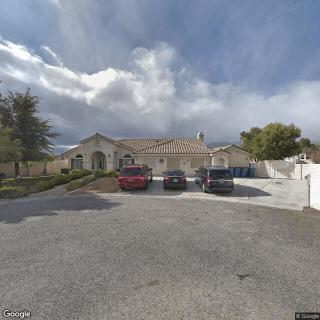




 Exploring Palliative Care in the Home: A Comprehensive Overview
 Comprehensive Insights into Palliative Home Care: What It Is and What to Expect
 Skilled Nursing Facilities vs. Nursing Homes: Making Sense of the Differences