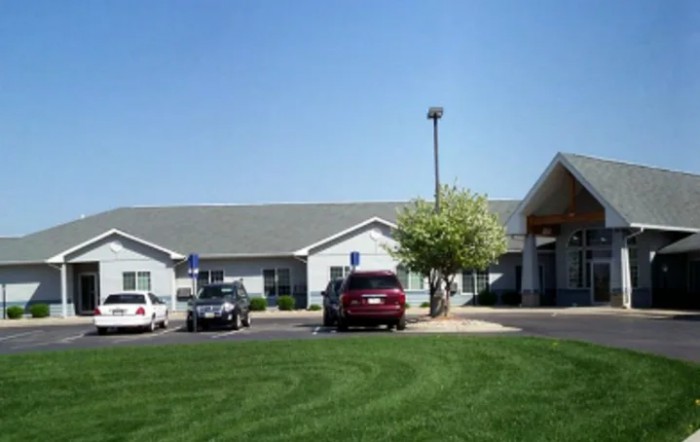
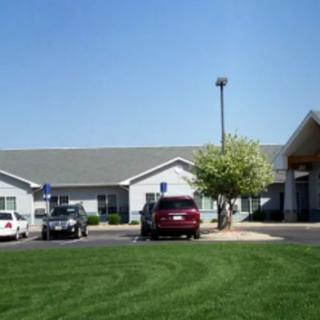
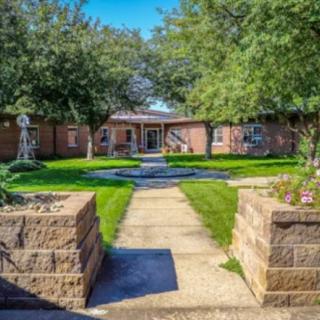
P O Box F-1, 1622 Walnut Street, Syracuse, NE 68446
For more information about senior living options: (866) 208-4318
Overall Review of Good Samaritan Society - Syracuse
Pros
 The staff were very welcoming during the facility tour.
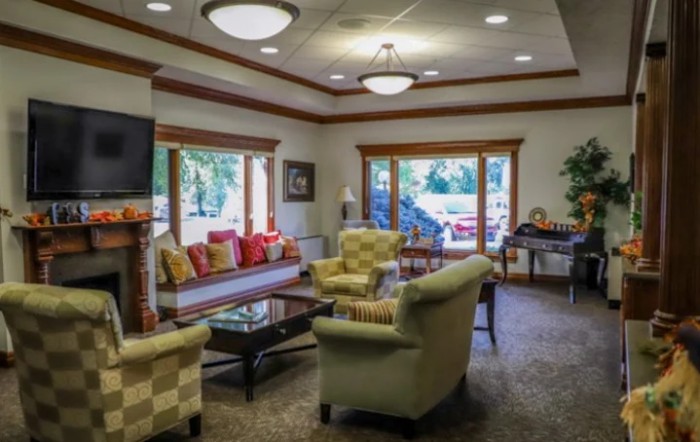
- The facility was clean and smelled great.
- The staff are kind-hearted and care deeply.
- It is a great place with great staff to work with.
- The nurses advocate for residents with dementia.
Cons
 They wouldn’t listen to her; they were a bunch of idiots.
- The staff contacted her brother but not her when the mother was taken to the hospital.
- Some nurses got cranky and seemed to side with residents with dementia over those who started the argument.
- They babied the residents who yell instead of encouraging them to use the call button.
Review
This community is best suited for families seeking a warm, neighborly atmosphere where courtesy, cleanliness, and everyday reliability are the core expectations. It works well for residents who thrive on steady routines, social engagement, and hands-on, compassionate care delivered in a setting that feels welcoming. It is less ideal for those who need ultra-responsive family notification protocols or highly consistent, neutral staff behavior on every shift. Families prioritizing transparent, formalized communication with every hospital transfer or medical decision may want to compare options. Similarly, if a loved one requires highly specialized dementia programming or a uniformly calm staff tone, consider alternatives with a stronger emphasis on these elements.
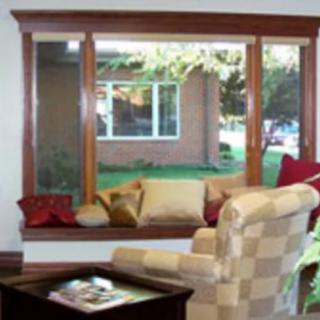
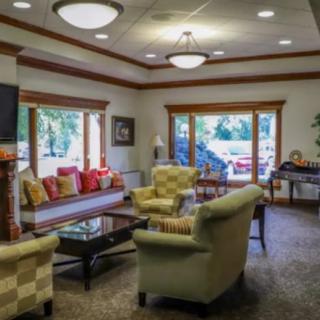
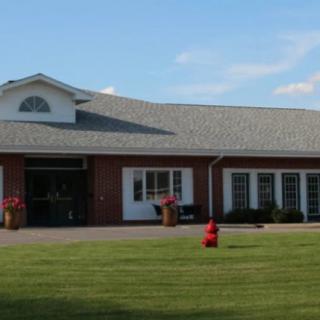
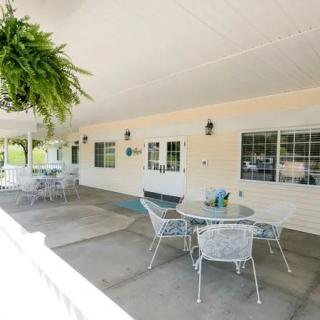
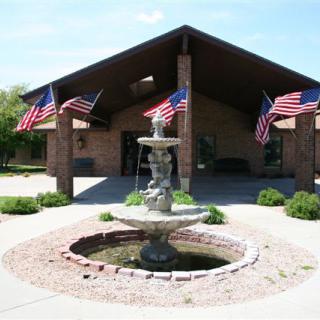
On the plus side, the place makes a strong positive first impression. Tours frequently note a welcoming staff presence and a facility that feels clean and well maintained, with a pleasant atmosphere that helps residents settle in. Several reviewers highlight kind-hearted employees who genuinely seem to care, and the general sentiment among staff is described as supportive and cooperative. The combination of a friendly culture and a livable environment can translate into meaningful daily experiences for residents who value human connection, routine, and predictable care. These factors contribute to a sense of safety and belonging that matters for many families.
However, there are clear downsides that families should weigh against the strengths. A notable complaint centers on inconsistent family communication, with one account describing hospital transfer notices going to a sibling but not to another involved child, despite the latter claiming equal involvement. Such lapses signal a policy gap that can leave families frustrated during stressful times. Additional concerns point to occasional crankiness among some nurses, and questions about how staff respond to conflicts, particularly in dementia-related situations. There is also an impression that some staff rely on yelling rather than using the call system, which raises concerns about responsiveness and procedure adherence.
These pros and cons do not exist in a vacuum; their interaction matters for decision-making. The warm, attentive care and the clean, welcoming environment help offset a few rough edges in communication and interpersonal dynamics. When staff are genuinely kind and residents feel safe, families can accept occasional missteps as fixable through better processes. Yet the gaps in notifying all relevant family members and the inconsistent calmness of some caregivers can erode confidence, especially for loved ones who must be kept in the loop during medical events. In short, the core strengths are meaningful, but they do not completely neutralize the risk of disjointed communication and uneven staff demeanor.
For families weighing the choice, the practical path is clear. If choosing this community, insist on establishing a formal primary contact protocol and a predictable hospital-notification routine that covers all guardians. Seek concrete assurances about call-button response times and staff training in de-escalation, particularly for residents with dementia. Ask about staff turnover, which strongly influences consistency and tone, and request access to a sample care conference where family input is documented and acted upon. If these systems feel uncertain or incomplete, it is prudent to explore other facilities that demonstrate a stronger track record in consistent communication and steadier management of behavioral concerns.
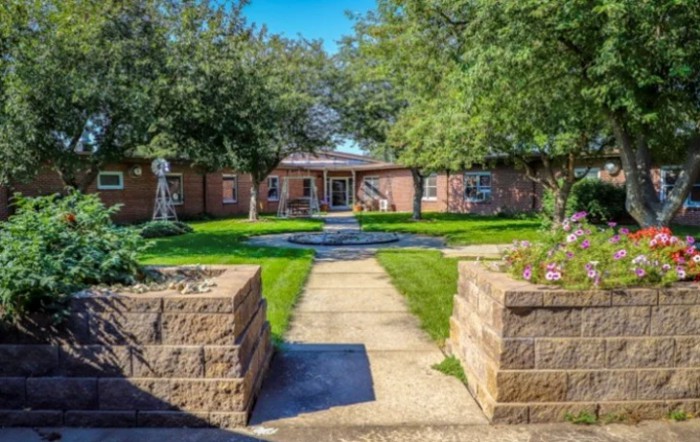
In the end, Good Samaritan Society – Syracuse stands out for warmth, approachability, and a clean, welcoming environment that can comfort families seeking daily companionship and steady routine. Its strongest argument is the human touch, staff who seem to care and a setting that feels homey. The clear caveats are communication gaps and occasional staff reactions that can undermine trust during important moments. For families who prize interpersonal warmth and a respectful, less clinical atmosphere, this community is a compelling option. For those for whom flawless family communication and perfectly uniform staff discretion are non-negotiables, it pays to interview alternatives with a sharper emphasis on process rigor and consistent staff conduct.
 88 resident community capacity
 Skilled Nursing Facility
 Air-conditioning
 Beauty salon
 Cable or satellite TV
 Computer center
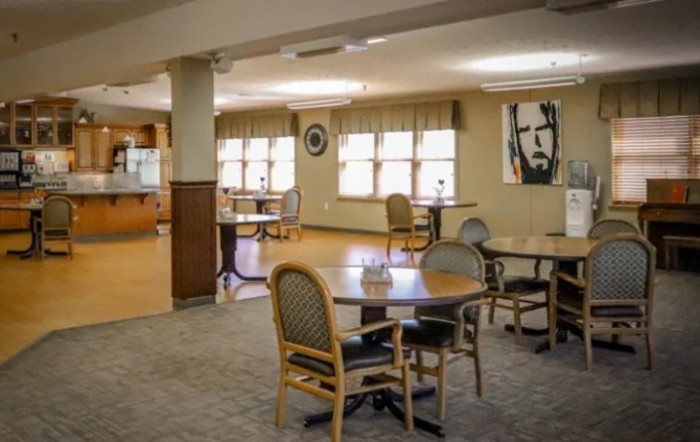
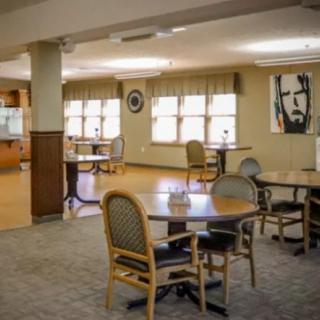
 Dining room
 Fitness room
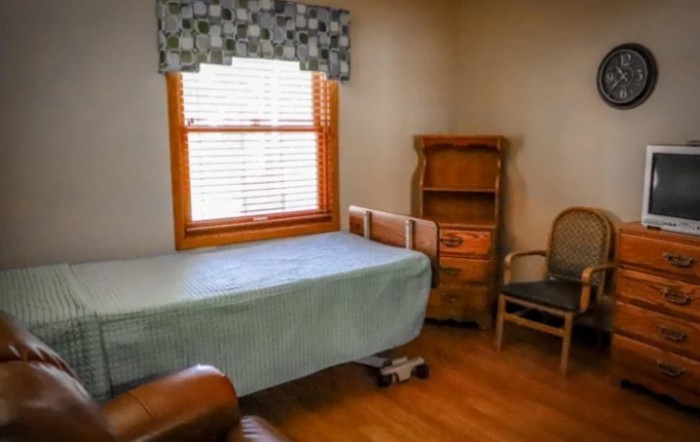
 Fully furnished
 Gaming room
 Garden
 Housekeeping services
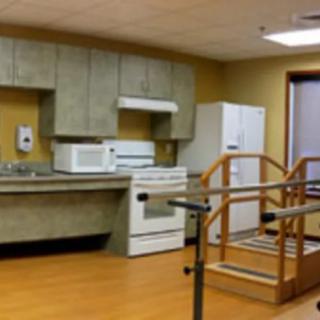
 Kitchenette
 Move-in coordination
 Outdoor space
 Private bathrooms
 Restaurant-style dining
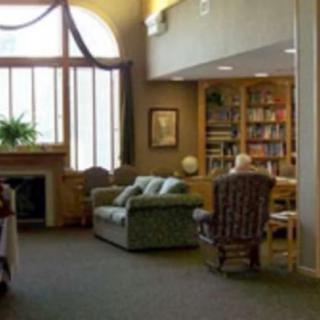
 Small library
 Telephone
 Wellness center
 Wi-Fi/high-speed internet available
 Community operated transportation
 12-16 hour nursing
 24-hour call system
 Activities of daily living assistance
 Assistance with bathing
 Assistance with dressing
 Assistance with transfers
 Diabetes diet
 Medication management
 Mental wellness program
 Special dietary restrictions
 Concierge services
 Planned day trips
 6 Crucial Ways an Elder Law Attorney Assists Families
 Navigating the Tax Landscape of Caregiving: Credits, Deductions, and Beyond
 Highly Beneficial Low-Impact Exercises for Senior Living Residents