200 Levi Ln, Adams, NE 68301
To contact a resident: (402) 988-7115
For more information about senior living options: (866) 208-4318
Gold Crest Retirement Center Costs & Pricing
Gold Crest Retirement Center offers competitive pricing in comparison to both Otoe County and the broader state of Nebraska. For a one-bedroom unit, residents at Gold Crest will pay $720 per month, significantly lower than the county average of $2,960 and the state average of $3,167. The two-bedroom option is priced at $850, which aligns with the Otoe County rate but is notably less than the statewide average of $3,627. The semi-private room option at Gold Crest is set at $3,330; while this is slightly lower than both Otoe County's average of $3,415 and significantly below Nebraska's overall average of $4,123. These price points reflect Gold Crest's commitment to providing affordable living solutions for seniors without compromising on quality or care.
| Floor plans | Gold Crest Retirement Center | Otoe County | Nebraska |
|---|---|---|---|
| 1 Bedroom | $720 | $2,960 | $3,167 |
| 2 Bedrooms | $850 | $850 | $3,627 |
| Semi-Private | $3,330 | $3,415 | $4,123 |
Overall Review of Gold Crest Retirement Center
Pros
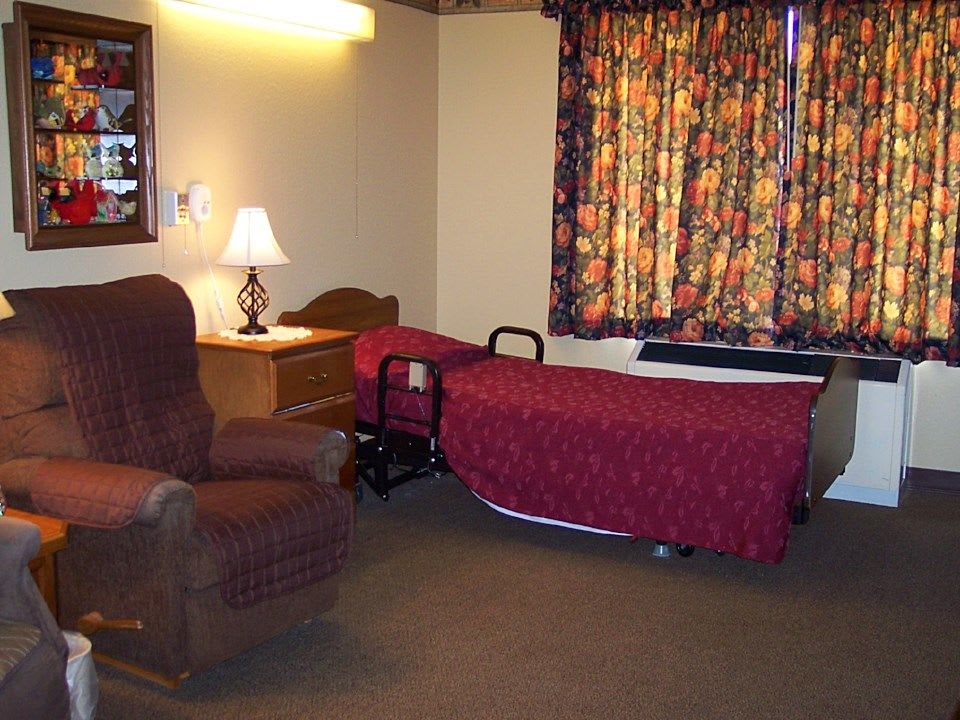
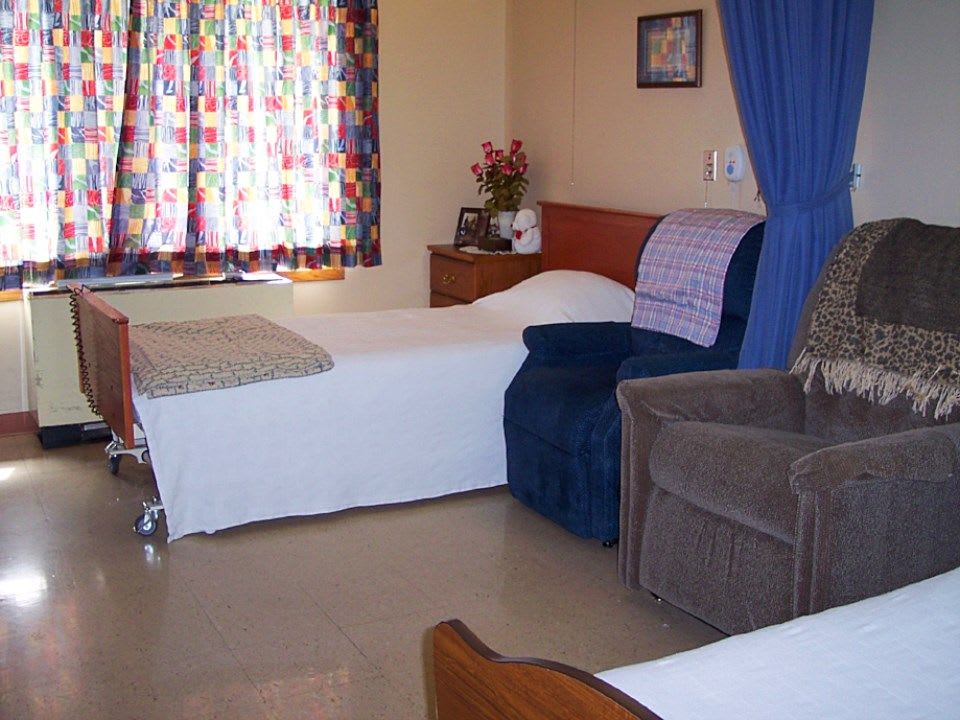
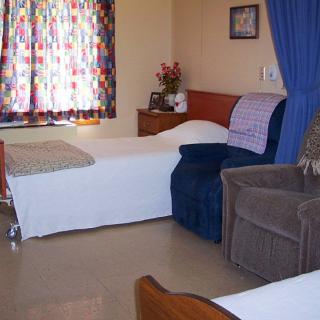
 The staff seemed happy, and the rooms were big.
- Gold Crest offered physical therapy and had many in-house amenities that residents really liked.
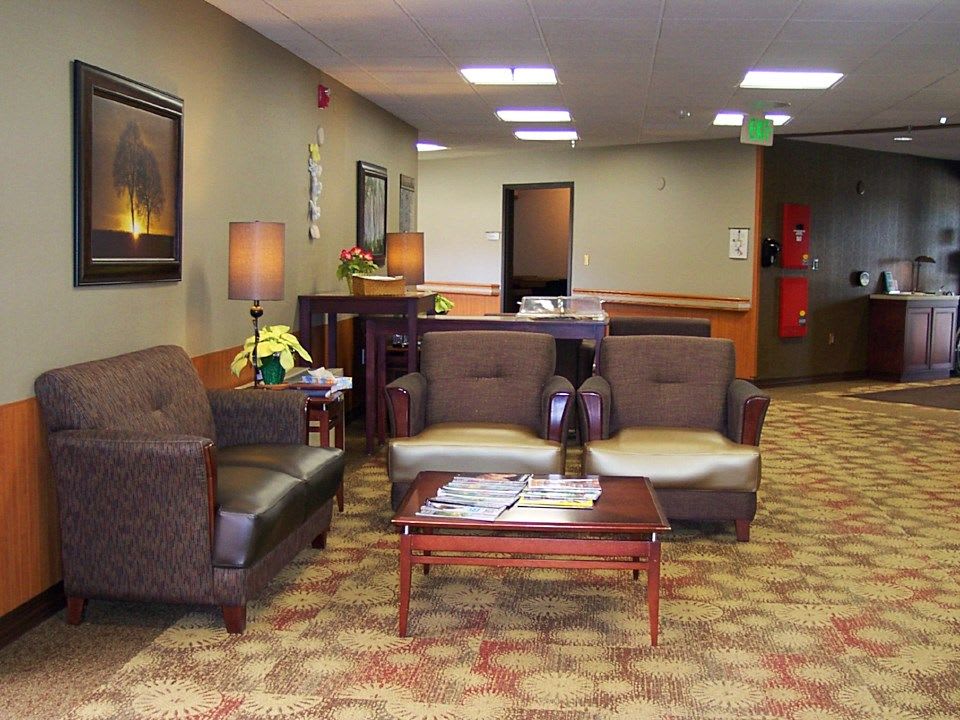
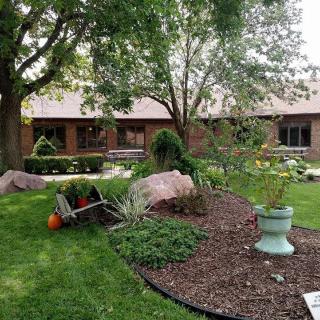
- The facility was clean and inviting, with professional and kind staff.
- The staff were respectful and mindful of safety, including during COVID.
- The living spaces included a living room and a bedroom, and were comfortable.
- The staff and administration were highly regarded, and the grandparents loved the facility.
- Gold Crest is highly recommended as a top-notch retirement center, and residents are treated like family.
- The care at Gold Crest is amazing, provided by caring people, with a welcoming center that feels like family.
Cons
 The location was really out of the way for their family.
Review
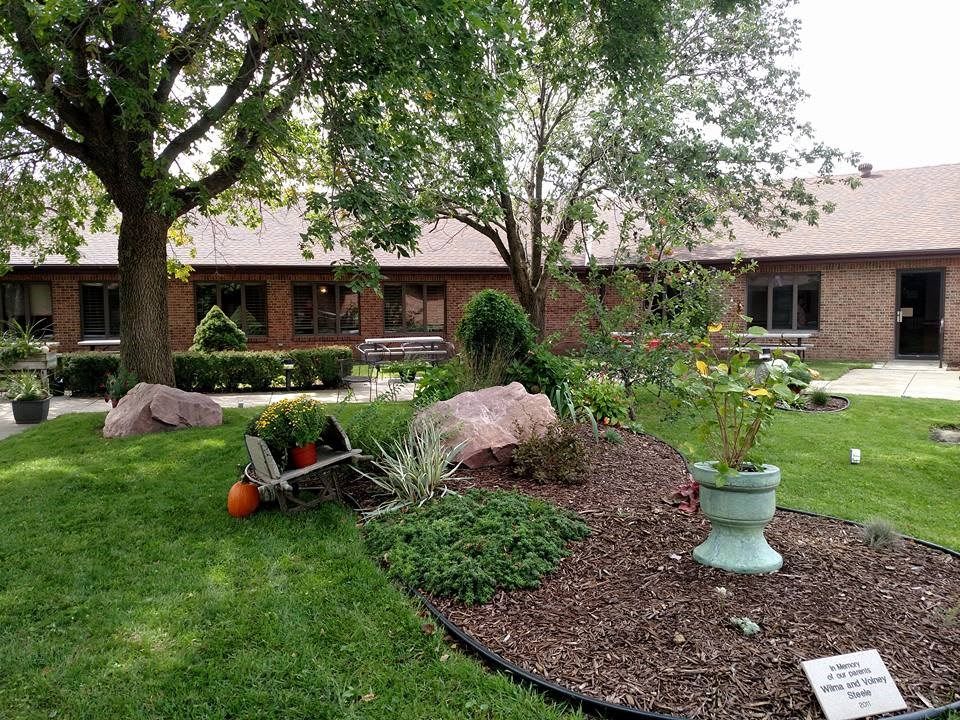
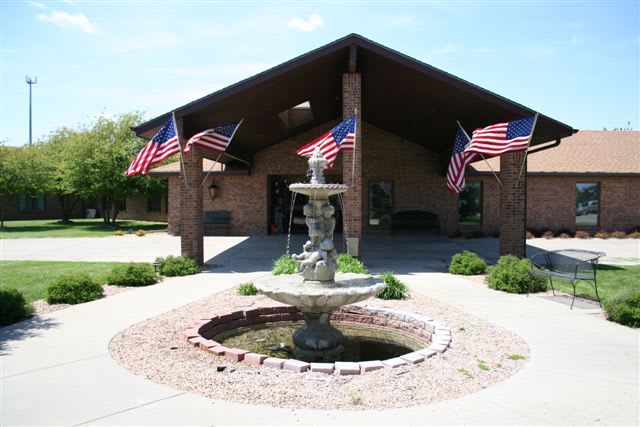
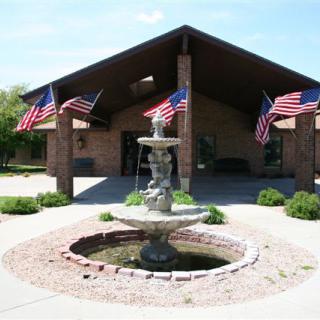
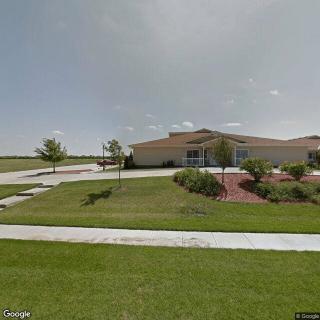
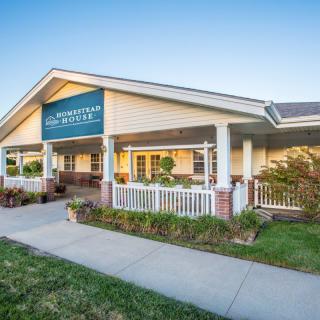
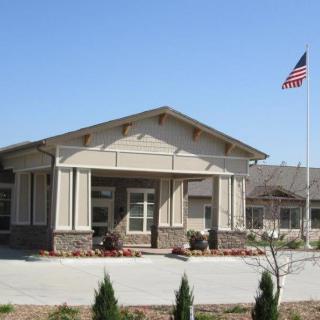
Gold Crest Retirement Center in Adams, NE is best suited for families seeking a warm, family-like atmosphere with robust, in-house care options and a well-kept campus. It appeals to seniors who value cheerful, stable staff, clean and inviting spaces, and a menu of on-site services, from physical therapy to organized activities, that make daily life feel supported and purposeful. The environment is clearly guided by respect and professionalism, and residents are treated with a sense of belonging that many families look for in a trusted retirement setting. For families prioritizing close proximity for visits or very specific medical acuity, this community remains strong but may present practical visit-related trade-offs.
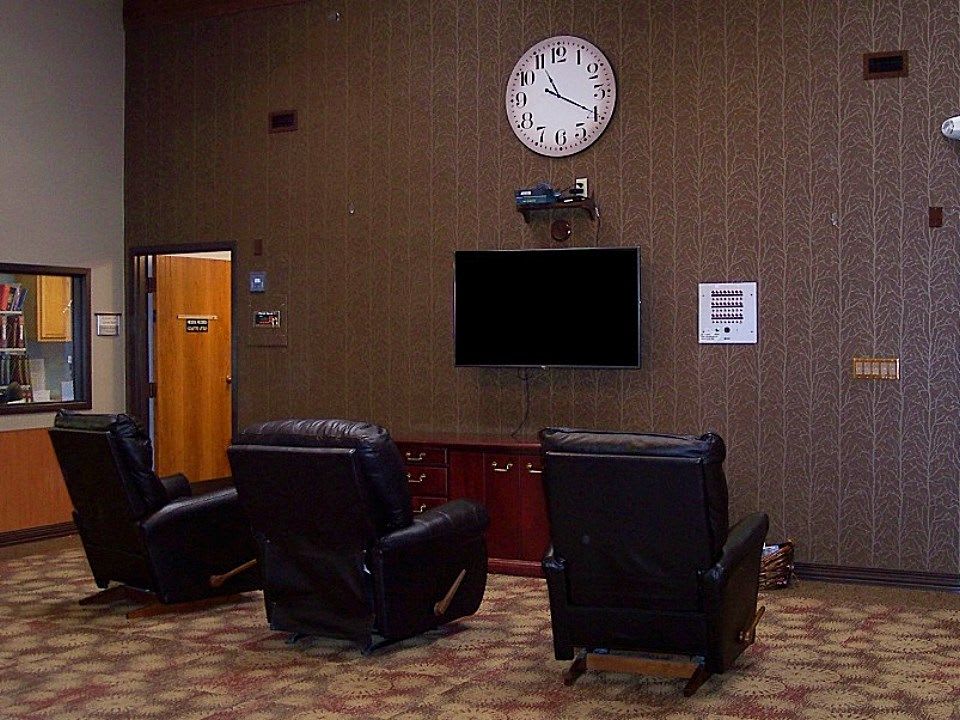
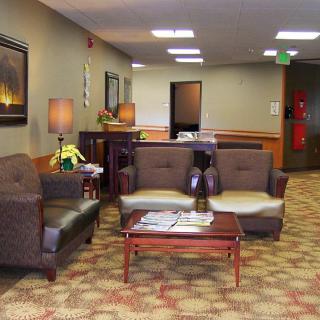
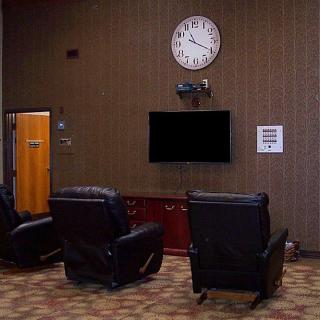
The core strengths are the human and the practical. Staff morale reads as genuine happiness and dedication, and the professionalism shown in tours, daily interactions, and the coordination of services is consistently praised. Rooms are described as generous in size, contributing to a comfortable, home-like feel that reduces the sense of surrender to a facility. In-house offerings, ranging from physical therapy to activities, create a self-contained ecosystem that minimizes the need for constant external arrangements. Cleanliness and inviting ambiance reinforce a sense of safety and welcome, making the place feel like a well-maintained home rather than a clinical environment. This combination of warmth and capability is the central value proposition.
Families repeatedly mention the “like family” culture as a defining advantage. The care philosophy appears to permeate administration, staff, and residents alike, driving high satisfaction and trust. Testimonials emphasize that care is personal and attentive, with gratitude for the positive impact on loved ones. The facility’s ability to create lasting bonds translates into a tangible emotional return for families, who feel reassured by consistent, respectful interactions and a cohesive community dynamic. In practical terms, that means fewer concerns about neglect or impersonality and more confidence that daily routines, safety, and engagements are thoughtfully managed.
However, the most notable con is logistical: Gold Crest can be out of the way for some families. The location creates real visitation and coordination challenges for relatives who live farther away or have tight travel schedules. This factor doesn’t undermine the quality of care, but it does tilt the decision for households where frequent in-person presence is a priority. For those who rely heavily on family involvement or need frequent access for appointments or emergencies, this distance is a non-trivial consideration that could push toward alternatives with a more convenient locale, even if the care once there is excellent.
When the balance of pros is weighed against that con, the case for Gold Crest becomes clear for certain profiles. For seniors who can leverage the in-house services, enjoy an active calendar, and thrive within a supportive, family-like environment, the positives outweigh the accessibility drawback. The campus delivers tangible value in the form of big, comfortable rooms, professional staff, and comprehensive care options that do not demand constant outsourcing. Those who need a strong community presence and dependable day-to-day support will find the offsetting benefits compelling.
Prospective families should approach with a practical plan. Consider touring with a clear sense of what size of living space is most suitable, what the on-site program calendar looks like, and how transportation for visits would be managed. Inquire about room configurations, daily activity options, the cadence of physical therapy, and any changes in staffing or leadership over the past year. If proximity to loved ones remains a priority, weigh the distance against the demonstrated strengths of care and community life. For households where visits are relatively flexible or transportation can be arranged, Gold Crest stands out as a decisive option with strong confidence in its people and its program.
 Assisted Living
 Independent Living
 Memory Care
 Activities on-site
 Air-conditioning
 Bath tubs
 Beautician on-site
 Cable or satellite TV
 Devotional services on-site
 Ground floor units
 Indoor common areas
 Kitchenette
 Outdoor common areas
 Respite or short term stays offered
 Wi-Fi/high-speed internet available
 Ambulatory care
 Diabetic care
 High acuity care
 Incontinence care
 Medication management
 Anytime dining
 Art classes
 Catholic services
 Cooking classes
 Day trips and outings
 Educational speakers / life long learning
 Happy hour
 Karaoke
 Live dance or theater performances
 Live musical performances
 Wine tasting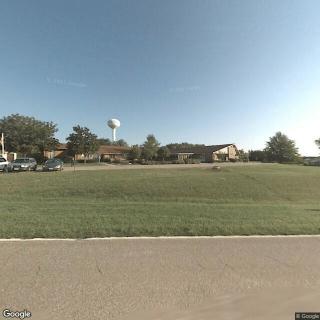
 Comprehending Evening Confusion in Dementia: Causes, Manifestations, and Support
 Delirium and Dementia: Unraveling the Key Differences
 Are Dementia and Alzheimer's Disease Lethal? A Comprehensive Exploration