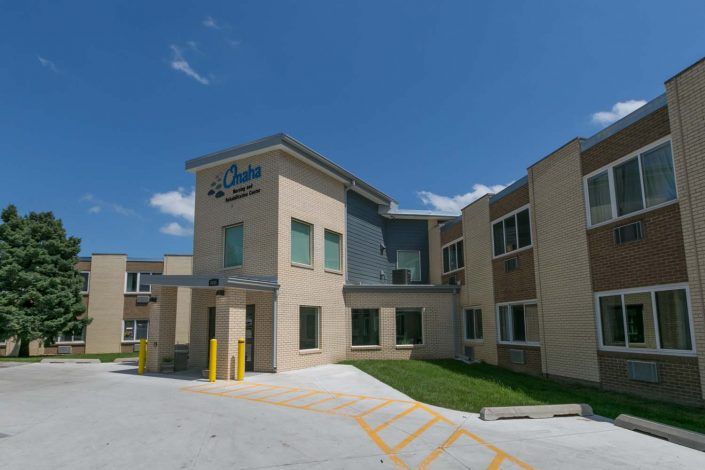
Overall Review of Omaha Nursing And Rehabilitation Center
common30 reviews mention this
Staff care is repeatedly highlighted
Residents and families consistently describe staff as kind, attentive, and respectful.
Many reviews describe staff showing kindness and dignity, with caregivers who took time to comfort residents and communicate with families. Several also single out teamwork across roles like nurses, CNAs, therapists, dietary, and social work, and say care felt more personal than a typical facility experience. A few reviews add that the staff made progress feel possible, whether after an injury, surgery, or rehabilitation.
caveat9 reviews mention this
Meals are a mixed bag
Dining quality is inconsistent, with multiple reviews calling out cold or poor food.
Some residents and families praise the meals, describing food as fresh, hot, or excellent during rehab and therapy. Other reviews contrast that by saying food arrived cold, portions varied, or items seemed unacceptable, including specific complaints about frozen items. A few families also connect meal service issues with larger concerns about diabetes and care coordination, so dining appears to be a frequent point of difference between experiences.
caveat14 reviews mention this
Call lights and staffing concerns
Several reviewers raise concerns about staffing levels and responsiveness.
A recurring negative thread is that call lights and phones were not answered reliably when help was needed, including reports of delays and situations where staff did not respond to urgent needs. Multiple reviews also mention understaffing and nurses being rude, and some families describe worsening conditions during the stay. While many other reviews describe attentive care, these complaints show that communication and staffing consistency can be a problem for some families.
caveat3 reviews mention this
Cleanliness and condition issues
A few reviews describe cleanliness or condition problems in rooms.
At least a couple of reviews mention unclean rooms or dirty conditions, alongside other concerns about daily care. Other complaints focus on physical condition during the stay, such as sores that developed after admission. Together, these reviews suggest cleanliness and basic comfort outcomes did not consistently meet expectations for everyone.
caveat4 reviews mention this
The building can feel outdated
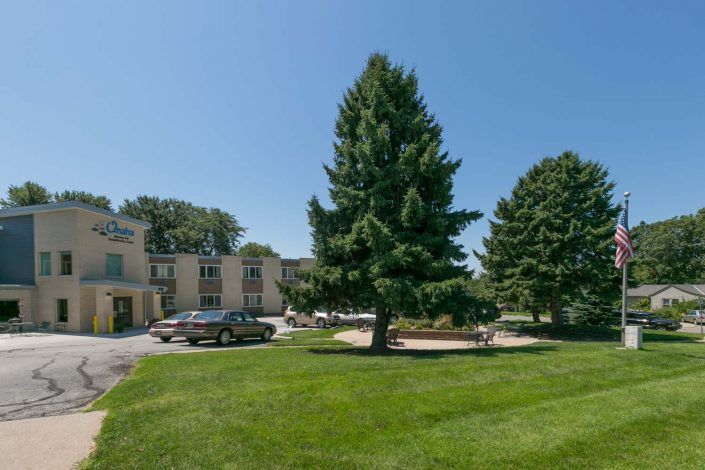
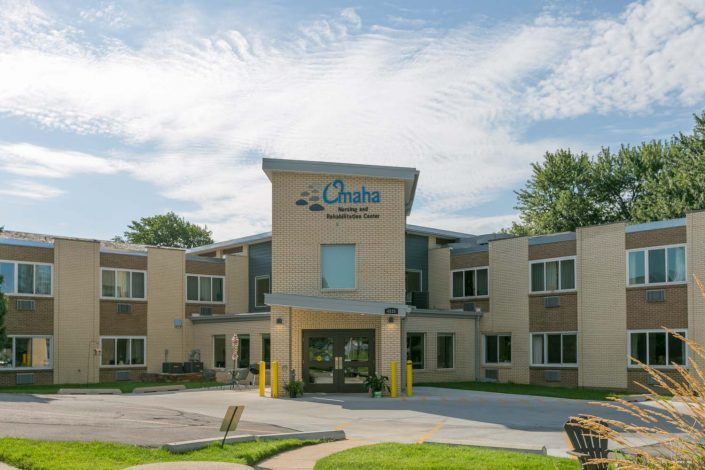
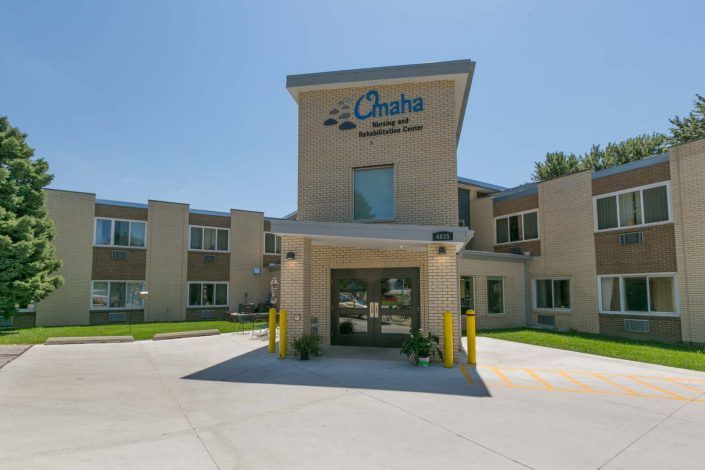
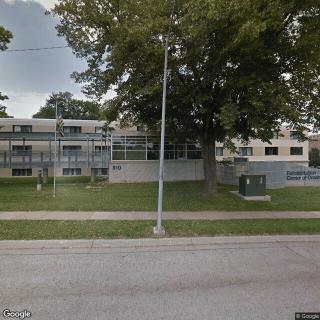
Several reviewers note the facility looks in need of updates.
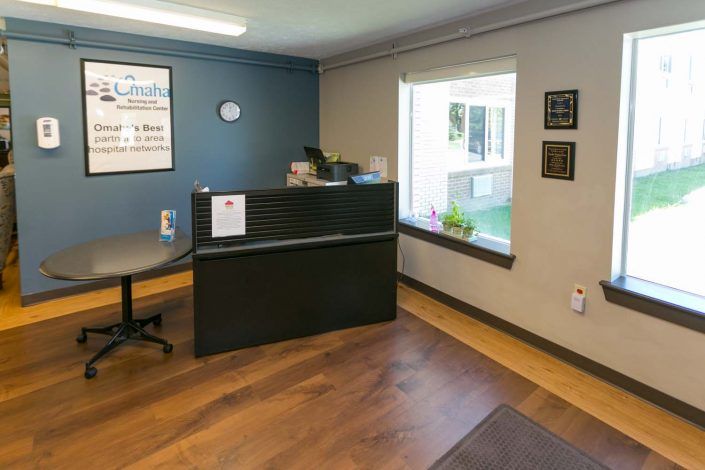
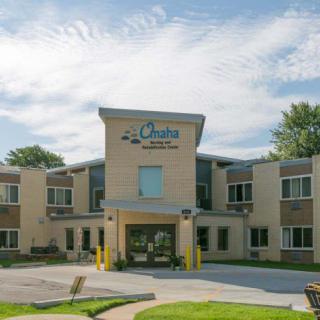
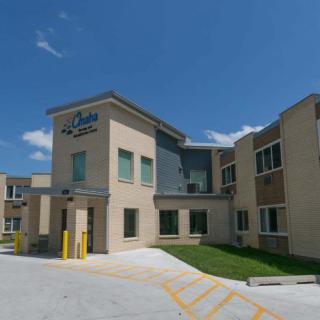
Some families describe an underwhelming or outdated first impression when they toured or entered the facility. A few also compare the exterior or common experience to needing improvement, even while acknowledging that staff behavior was the part they felt mattered most. This theme shows that appearance and upkeep may be a concern independent of care quality.
common11 reviews mention this
Activities and a family feel
Reviews frequently describe activities and a family-like atmosphere.
Many positive reviews describe the community as feeling like a small family, with residents and staff interacting in a way that made people feel comfortable. Several mention activities happening regularly, including daytime programming and engagement from an activities leader. Even where other parts of the experience were criticized, multiple residents and visitors still singled out social life and resident engagement as a strength.
How we summarize
Counts show how many written reviews mention each theme; a review can touch several themes, and only frequently mentioned themes are displayed.
Features
Housing
70 resident community capacity
Types of Care
Skilled Nursing Facility
Amenities
Air-conditioning
Beauty salon
Cable or satellite TV
Computer center
Dining room
Fitness room
Fully furnished
Gaming room
Garden
Housekeeping services
Kitchenette
Move-in coordination
Outdoor space
Private bathrooms
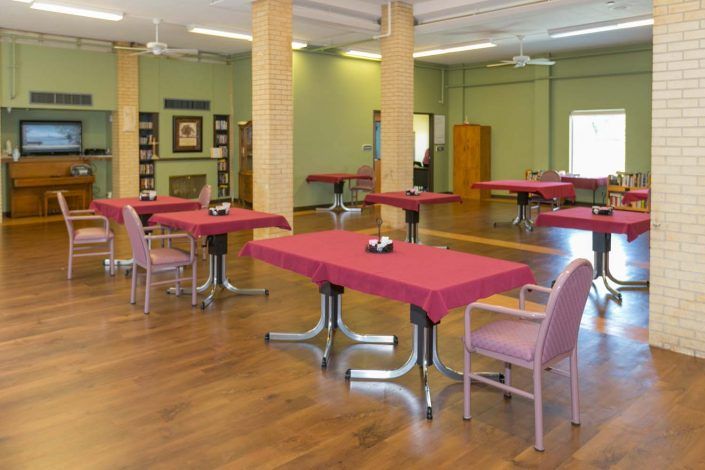
Restaurant-style dining
Small library
Telephone
Wellness center
Wi-Fi/high-speed internet available
Transportation
Eppley Airfield (8 miles away)
Community operated transportation
Transportation arrangement
Transportation arrangement (non-medical)
Transportation to doctors appointments
Care Services
12-16 hour nursing
24-hour call system
24-hour supervision
Activities of daily living assistance
Assistance with bathing
Assistance with dressing
Assistance with transfers
Diabetes diet
Meal preparation and service
Medication management
Mental wellness program
Special dietary restrictions
Transportation to doctors appointments
Dining
Diabetes diet
Special dietary restrictions
Activities
Community-sponsored activities
Concierge services
Fitness programs
Planned day trips
Resident-run activities
Scheduled daily activities
Nearby Places of Interest
Restaurants
Raising Cane's Chicken Fingers (0.2 miles)
72 Table & Tap (1.9 miles)
Ralston Keno (1.9 miles)
Burger King (2.1 miles)
Paddy McGown's (2.2 miles)
Greek Islands (2.3 miles)
Voodoo Taco (2.4 miles)
Pharmacies
Family Fare Supermarkets (1.5 miles)
Walgreens (1.8 miles)
Kubat Pharmacy (2.2 miles)
Walgreens (2.2 miles)
Walgreens (2.2 miles)
Walgreens (3.1 miles)
Infuscience (3.2 miles)
Hospitals
Va Medical Center (2.3 miles)
Nebraska Medical Center (3.1 miles)
Omaha Surgical Center (3.1 miles)
University of NE Medical Center (3.2 miles)
Methodist Hospital 6 South (4.4 miles)
Davita Omaha Dialysis (4.5 miles)
Physicians
Boys Town Internal Medicine (2.5 miles)
Family Medicine & Surgery, PC (2.7 miles)
Metro Regional Program (2.8 miles)
Nebraska Medicine Ear Nose Throat Allergy & Audio (3 miles)
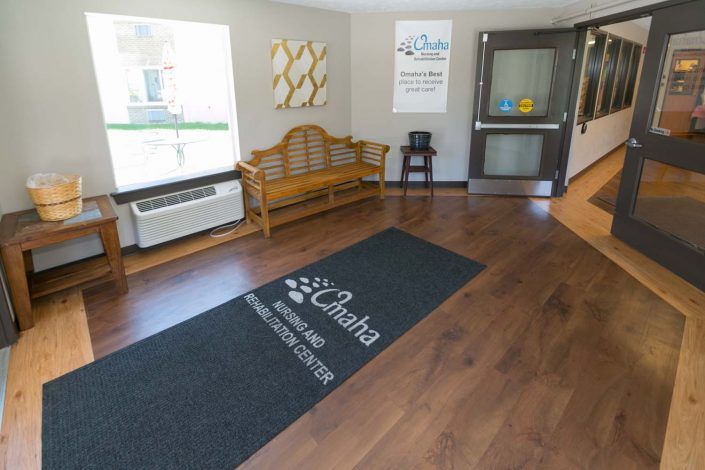
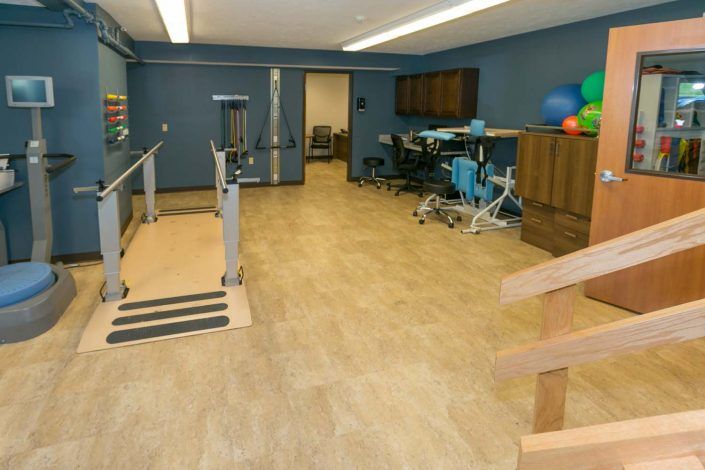
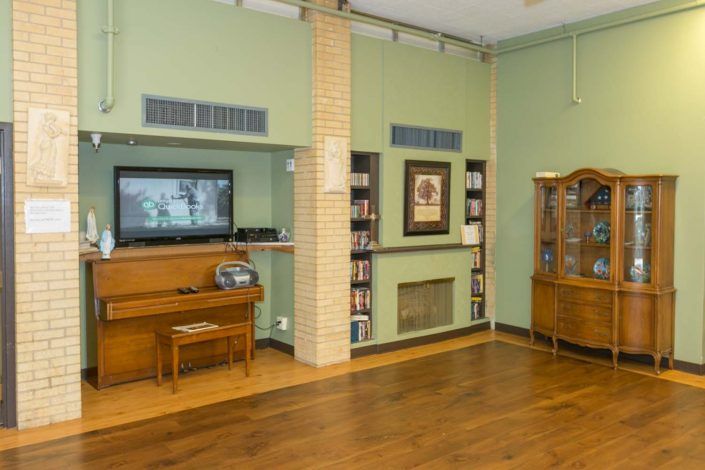
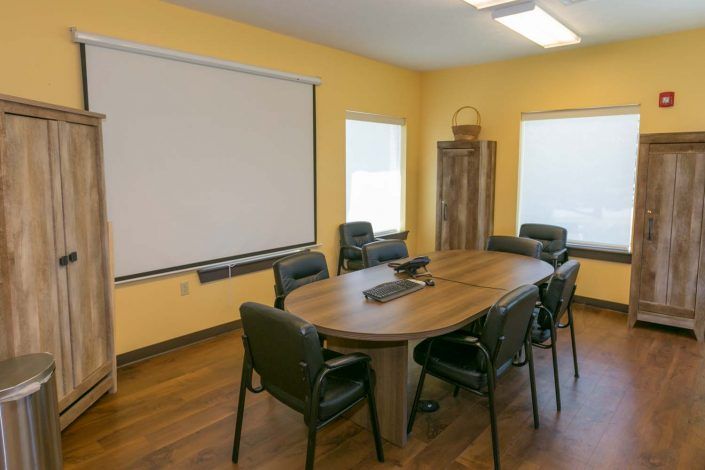
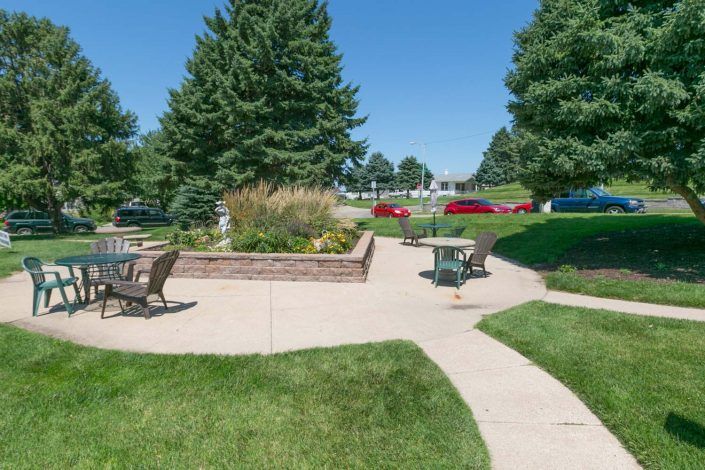
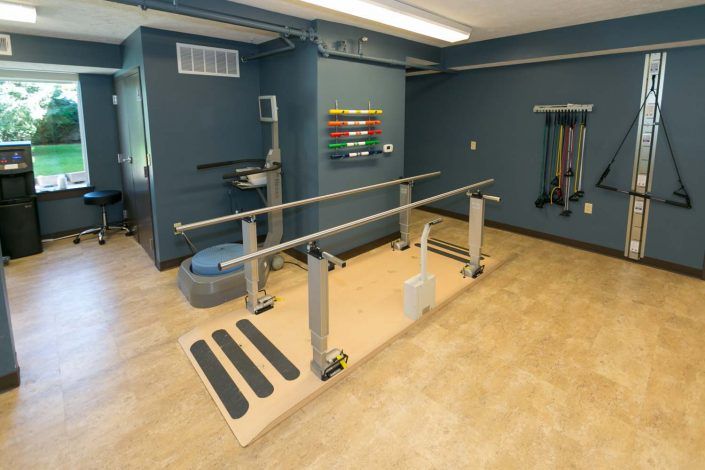
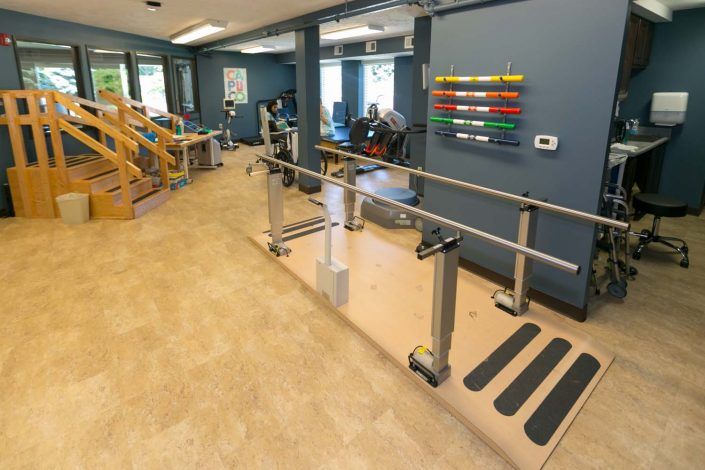
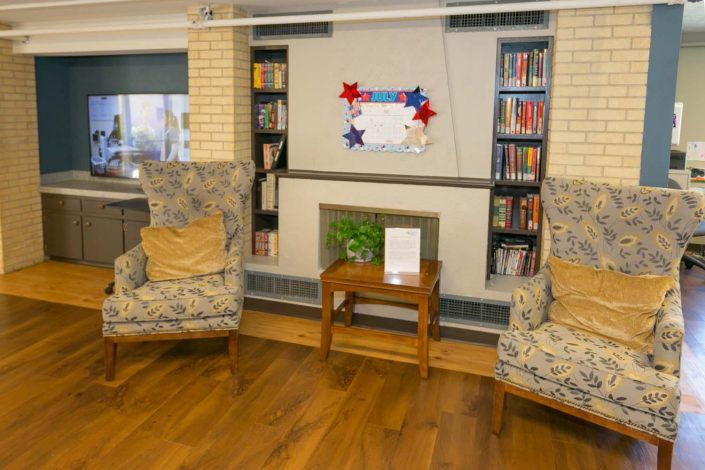
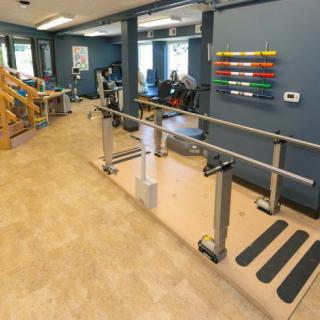
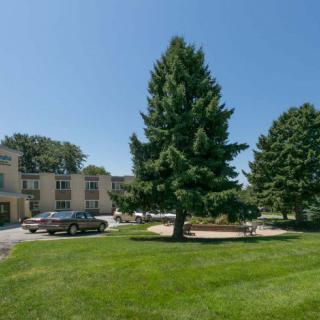
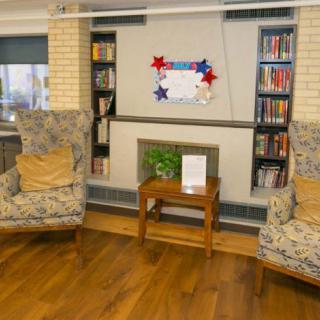
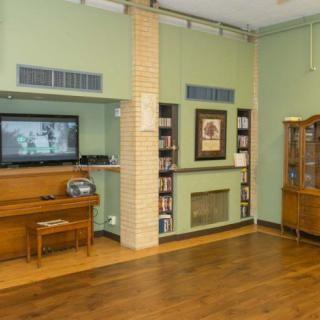
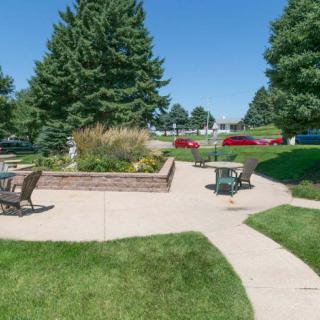
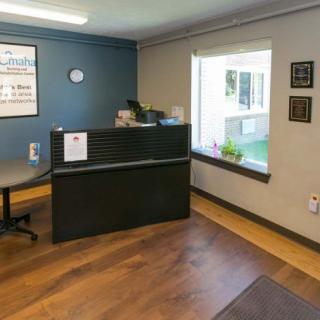
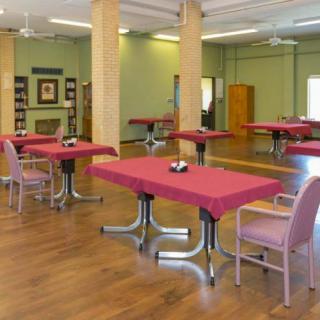
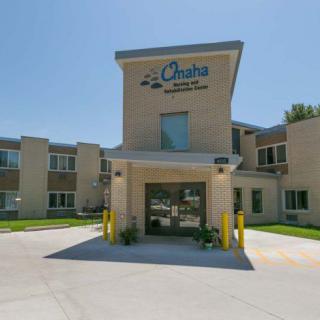
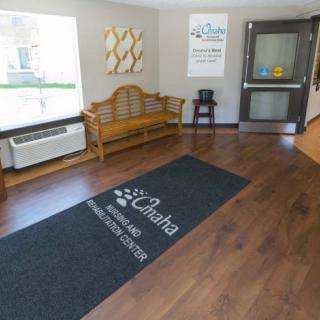
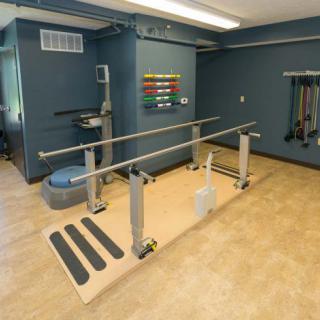
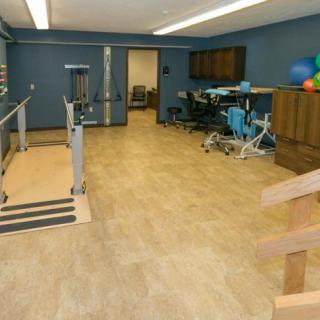
Omaha Nursing And Rehabilitation Center on seniors.fyi includes 14 photos including images showing interior, building, rehabilitation, exercise equipment, entrance, decor, physical therapy, architecture, and more.
Nearby Communities
Southview Heights
Omaha, NE
4 from 12 reviews
Family-owned with attentive staff, clean facilities, good meals, and active social programs.
Emerald Nursing & Rehab Omaha
Omaha, NE
3.1 from 110 reviews
$5,370 / month
Comprehensive care with 24/7 nursing, extensive amenities, and on-site activities.
Livestock Commons
Omaha, NE
Convenient access to healthcare, parks, dining, and shops nearby.
Prime Home Care
Omaha, NE
3 from 1 review
Convenient access to nearby amenities and medical care in a vibrant Omaha area.
Ralston House
Omaha, NE
3.3 from 13 reviews
$625 to $775 / month
Affordable 55+ living with a friendly, active community and first-floor accessibility.
Touching Hearts at Home - Omaha
Omaha, NE
4.2 from 30 reviews
Caring staff with strong supervisor support and good caregiver matching.
Lindenwood Nursing Home
Omaha, NE
3.4 from 64 reviews
Small size supports personalized care and adequate staffing.
Crown Pointe
Omaha, NE
4.5 from 143 reviews
Friendly, attentive staff in a welcoming, well-maintained environment with engaging activities and spacious common areas.
Homestead Of La Vista
La Vista, NE
4.5 from 70 reviews
$3,040 to $3,865 / month
Caring, compassionate staff and engaging, socially rewarding activities.
The article offers detailed guidance on the financial complexities of nursing home care, covering costs, payment methods, and alternative funding strategies while emphasizing the importance of proactive planning and legal considerations for individuals and families making care decisions.
The article emphasizes the critical role of supportive employee benefits for caregivers, advocating for flexible scheduling, paid leave, and mental health services to ease their challenges while enhancing employee well-being and organizational loyalty. It also highlights the importance of strong leadership in promoting these initiatives to foster a sustainable workplace culture that values caregivers.
Senior drivers prioritize comfort, safety, and ease of use in vehicles due to age-related challenges, seeking features like easy entry, clear visibility, and modern driver-assistance technologies. Recommended models include the Subaru Forester, Honda CR-V, and Toyota Camry, with emphasis on test-driving for personal comfort and evaluating crash-test ratings alongside insurance considerations.
Exercise Equipment, Rehabilitation, and Physical Therapy
Exterior and Parking
Healthcare
Conference Room, Meeting Room, Office Space, and Projector Screen
Fitness Room
Get PricingAsk A QuestionSchedule A TourContact Senior Advisor
By clicking submit, you agree to our Partner's Terms of Use. You
also consent to receive calls and texts, which may be autodialed, from our Partner. Your consent is not a condition to
using our Partner's service. Please visit our Partner's Privacy Policy for information about their privacy practices.


 70 resident community capacity
 Skilled Nursing Facility
 Air-conditioning
 Beauty salon
 Cable or satellite TV
 Computer center
 Dining room
 Fitness room
 Fully furnished
 Gaming room
 Garden
 Housekeeping services
 Kitchenette
 Move-in coordination
 Outdoor space
 Private bathrooms
 Restaurant-style dining
 Small library
 Telephone
 Wellness center
 Wi-Fi/high-speed internet available
 Eppley Airfield (8 miles away)
 Community operated transportation
 12-16 hour nursing
 24-hour call system
 Activities of daily living assistance
 Assistance with bathing
 Assistance with dressing
 Assistance with transfers
 Diabetes diet
 Medication management
 Mental wellness program
 Special dietary restrictions
 Concierge services
 Planned day trips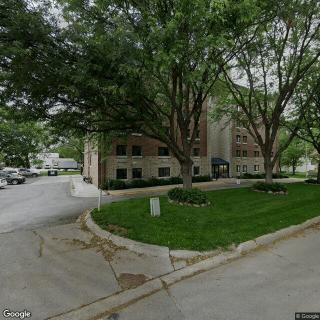
 Family-owned with attentive staff, clean facilities, good meals, and active social programs.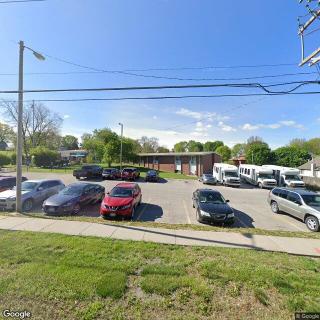



 Navigating the Financial Road to Nursing Home Care: In-Depth Guidance and Resources
 Supportive Employee Benefits That Help Caregivers Attain Better Work-Life Harmony
 Top Cars for Senior Drivers and Essential Safety Innovations