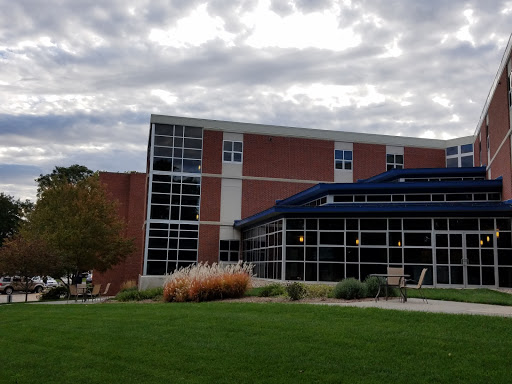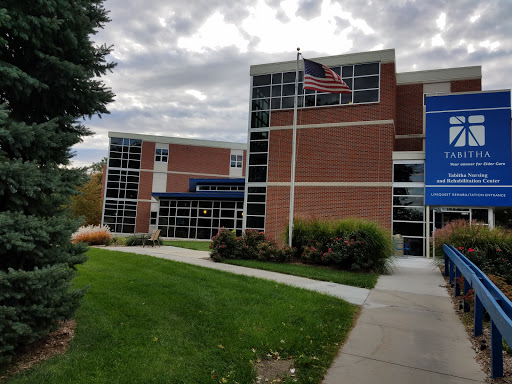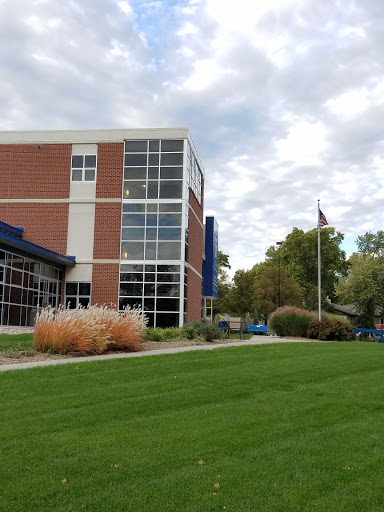
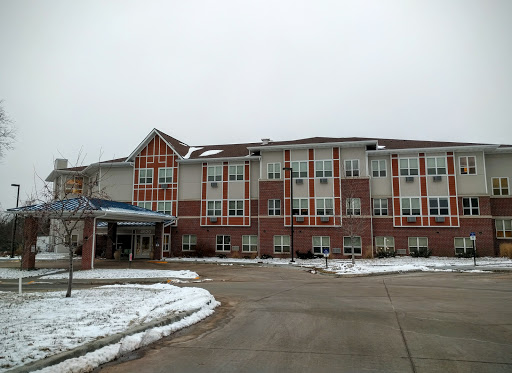


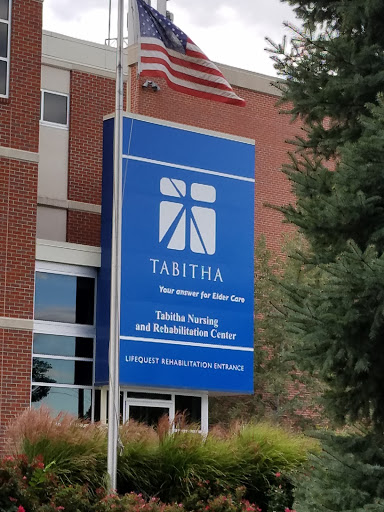

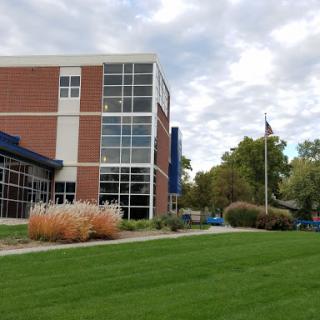
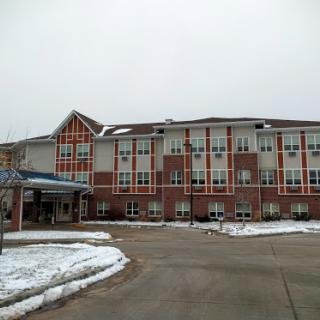
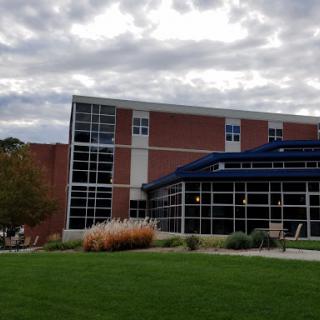





4720 Randolph Street, Lincoln, NE 68510
For more information about senior living options: (866) 208-4318
Overall Review of Tabitha Nursing Home
Pros
 The care at Tabitha was described as the best in Lincoln, with kind and helpful staff during her stay.
- Amanda was very helpful.
- Tabitha Nursing and Rehabilitation Center seemed very nice, caring, and well run, with a wide variety of activities.
- The facility offered an exercise facility and musical activities for residents.
- The dining area was nice, and the mother was satisfied with the food and happy with the staff.
- The staff were there to help get her to the hospital when needed.
- Tabitha Health is a large community with services like meals on wheels and transportation, plus social areas for residents.
Cons
 The PT refused to perform therapy for the patient with a broken leg and dementia.
- In the first 24 hours, the dressing change wasn’t performed on schedule (not every 12 hours), oxygen wasn’t provided at night, and the patient couldn’t breathe.
- The patient developed fluid around the heart and was denied a third diuretic because it wasn’t on the paperwork, and the patient was left without pain medications.
- The administration lied about the patient’s care and condition, avoided communicating with the power of attorney and personal representative about finances and medical actions, and refused to allow the patient to leave despite living arrangements.
- The staff seemed uninformed about everything, and essential accommodations for disabilities were never made during the 11 months.
- There was a long waiting list at Tabitha Health.
- The food was not the best.
Review
Tabitha Nursing Home in Lincoln is best suited for families seeking a rehab-forward environment where frontline caregivers are consistently kind and residents can access a broad menu of activities, social spaces, and convenient services on a single campus. It serves well for seniors who value regular staff interaction, meaningful programming, and a sense of community delivered through chapel services, exercise facilities, and varied dining. However, it may not be the right fit for those demanding flawless medical oversight or complete transparency in administration. For residents with complex medical needs or dementia, the risk of inconsistent care decisions and gaps in communication about finances and treatment should push families to evaluate alternatives carefully.
On the upside, the strongest, most repeatable gains come from the people at the point of care. Families repeatedly praise the workers for kindness, attentiveness, and responsiveness, with several noting that staff were especially helpful during hospital transfers. The rehab orientation appears robust, and residents can participate in a wide array of activities, from physical exercise and musical programs to social gatherings in a welcoming campus environment. The dining area is described as pleasant, reinforcing a sense of normalcy and daily structure. In short, well-supported residents benefit from tangible daily engagement and accessible therapeutic opportunities when care gaps do not threaten safety.
Yet turbulent anecdotes underscore meaningful cautions. One family describes a sequence of care lapses, delayed wound care, missed oxygen at night, and discomforting barriers to pain relief due to paperwork constraints, that collectively raise red flags about consistency in medical decisions. Additional critiques center on administration and communication, including alleged miscommunications with powers of attorney and even refusals to allow a patient to leave under arrangements made with family. An eleven-month stay with unaddressed accommodations points to persistent governance gaps. Taken together, these reports suggest that for some residents the experience may hinge on individual staff and moment-to-moment decisions rather than a reliable, system-wide standard of care.
These strengths offset the weaknesses for families who prioritize an active, engaging daily life and proficient rehab services over administrative polish. When frontline staff are reliable and the rehab program remains accessible, residents can progress functionally and maintain vitality through routine hospital partnerships when needed. The breadth of services, transportation, Meals on Wheels-like options, exercise rooms, and social hubs, also supports independence and reduces isolation for many. However, the shadow of administrative opacity and variable medical oversight can erode confidence, particularly for families planning long-term care, navigating crises, or managing complex medical directives.
Alternatives should be on the radar for those with higher expectations around governance and dementia-informed care. If prompt, proactive communication about care planning and finances is non-negotiable, or if a loved one with dementia requires a therapy plan that stays aligned with cognitive status, other providers may deliver clearer, more consistent governance and therapy integration. Tabitha can reward those who relish a lively, supportive environment and are willing to accept potential administrative friction; it is less suitable for families seeking unwavering consistency in medical decisions and transparent, entrepreneur-level administrative accountability.
To reach a clear decision, embark on a targeted tour focused on the care team's daily routines, and request a detailed tour of the rehab space to observe therapist engagement and safety for patients at various mobility levels. Insist on a written, up-to-date care plan that covers pain management, oxygen needs, medication adjustments, and escalation procedures. Seek a direct line of communication with an administrator or regional supervisor to understand how concerns are addressed and resolved. Finally, review wait times for key services and confirm the process for managing powers of attorney and other protections. With disciplined due diligence, families can determine whether Tabitha’s vibrant care culture aligns with the safety standards and governance they require.
 214 resident community capacity
 Skilled Nursing Facility
 Air-conditioning
 Beauty salon
 Cable or satellite TV
 Computer center
 Dining room
 Fitness room
 Fully furnished
 Gaming room
 Garden
 Housekeeping services
 Kitchenette
 Move-in coordination
 Outdoor space
 Private bathrooms
 Restaurant-style dining
 Small library
 Telephone
 Wellness center
 Wi-Fi/high-speed internet available
 Lincoln Municipal (6 miles away)
 Community operated transportation
 12-16 hour nursing
 24-hour call system
 Activities of daily living assistance
 Assistance with bathing
 Assistance with dressing
 Assistance with transfers
 Diabetes diet
 Medication management
 Mental wellness program
 Special dietary restrictions
 Concierge services
 Planned day trips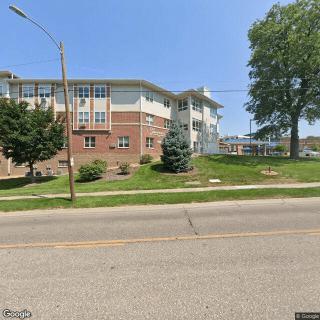

 Comprehensive Guide to Blood Pressure Charts for Older Adults: Understanding Normal and High Readings by Age
 Financing Long-Term Nursing Home Care Through Social Security: A Thorough Exploration
 Essential Knowledge on Pneumonia in Older Adults