Callaway Good Life Center in Callaway, NE

Save

Callaway Good Life Center in Callaway, NE

Information last verified:

Po Box 250, 600 West Kimball Street, Callaway, NE 68825

For more information about senior living options: (844) 490-3973

4.4 from 8 reviews
5 stars
6
4 stars
1
3 stars
0
2 stars
0
1 stars
1

Overall Review of Callaway Good Life Center

Pros

  • pro The place is great and his uncle is happy there.
  • pro The atmosphere is friendly, and the staff continually improve facilities to provide the best care.
  • pro The staff took great care of her and truly made her feel at home.
  • pro They went over and above to provide the best care and gave the family peace of mind.
  • pro The reviewer was impressed by Callaway Good Life Center and grateful for its staff.

Cons

  • pro The facility refused to accept the reviewer’s mother, despite an offer to cover hospice costs for the few days she would be away.
  • pro The reviewer was not happy because they could not reach anyone by phone when they tried calling last week.

Review

Callaway Good Life Center in Callaway, Nebraska is best suited for families seeking a warm, person-first environment where an older loved one can receive steady daily assistance and post-hospital recovery support in a home-like setting. The swing-bed option and ongoing emphasis on comfortable atmosphere make it a practical choice for residents who want attentive staff and a place that feels less institutional than a hospital or large chain facility. It particularly appeals to families prioritizing real caregiver access, visible effort toward improvement, and a setting that reinforces a sense of belonging and welcome.

The strongest assets here are the people and the daily care experience. Multiple reviews point to a friendly, welcoming atmosphere where staff are seen as genuinely engaged in delivering better care over time. Families repeatedly note that caregivers strive to improve facilities and processes to better serve residents, signaling a culture that values hands-on attention and continuous quality gains. When a loved one needs rehabilitation after hospitalization, the staff’s dedication can translate into a tangible peace of mind for families who want to trust the hands their relative is in and feel confident about the day-to-day quality of life provided.

There are clear caveats that families must weigh carefully. A notable barrier is the facility’s stance on hospice needs. One family recounts being refused admission for a loved one who required hospice support, even with a willingness to cover gaps beyond hospice coverage. For families navigating end-of-life planning or needing hands-on hospice coordination, this policy can be a showstopper and requires alternative arrangements. Another red flag is inconsistent communication access: reports of difficulty reaching someone by phone introduce legitimate anxiety for families that must coordinate care, update loved ones, or resolve scheduling and financial questions promptly.

Those cons do not erase the positives, but they temper the decision with practical limits. When in-house staff deliver care that makes a patient feel “at home” and caregivers consistently go above and beyond, that goodwill translates into real value for families seeking stability during recovery or long-term living. The swing-bed experience, in particular, shows the center’s capacity to manage medically attentive days in a less clinical environment, which matters for patients who do better with routine, familiarity, and a steady caregiving team. In such cases, the advantages of a supportive, improving culture can offset some communication friction, provided admission policies align with the family’s medical and financial realities.

For families weighing options, those who should consider alternatives are those with urgent hospice needs or who require reliable, fast communication channels as a core criterion. If quick access to admissions staff, transparent pricing, or flexible acceptance of hospice services is non-negotiable, it may be prudent to explore other communities with explicit hospice partnerships and more responsive front-desk support. It is wise to compare admissions processes, call-back times, and the clarity of policy around post-acute and end-of-life care before locking in a placement.

The practical takeaway is clear. Callaway Good Life Center delivers compassionate, resident-centered care in a homey setting, anchored by staff dedication and a proven track record of “doing more” for residents. It excels for swing-bed recovery and steady, long-term assisted living where the priority is a supportive daily routine embodied by caring professionals. However, potential residents should verify hospice acceptance policies and test the responsiveness of communications before committing. A visit that includes real conversations with admissions, nursing, and front-desk staff will reveal whether the center’s strengths align with the specific care trajectory and timing needs of the loved one.

Features

Housing

  • 35 resident community capacity 35 resident community capacity

Types of Care

  • Skilled Nursing Facility Skilled Nursing FacilitySkilled Nursing Facilities are crucial for seniors as they provide round-the-clock medical care, rehabilitation services, and assistance with daily activities. These facilities ensure that seniors receive the specialized care they need to maintain their health and well-being as they age.

Amenities

  • Beauty salon Beauty salonBeauty salons are important for seniors because they provide a space for them to feel pampered, socialize, and maintain their personal grooming and hygiene. Regular visits to a beauty salon can help boost seniors' self-esteem and overall well-being.
  • Cable or satellite TV Cable or satellite TVCable or satellite TV is important for seniors because it provides entertainment, news, and companionship, helping to combat loneliness and boredom. It also offers a wide range of programming options tailored to different interests and preferences.
  • Dining room Dining roomDining rooms are important for seniors as they provide a space for socialization, connection, and nutritious meals. They offer opportunities for residents to bond over shared meals, foster a sense of community, and promote healthy eating habits. Dining rooms also ensure that seniors have access to well-balanced meals tailored to their dietary needs and preferences.
  • Fully furnished Fully furnishedFully furnished senior living communities are important for seniors because they provide convenience, comfort, and a hassle-free moving experience. Seniors can easily settle into their new living space without the stress of having to buy and move furniture. This allows them to focus on enjoying their new home and community.
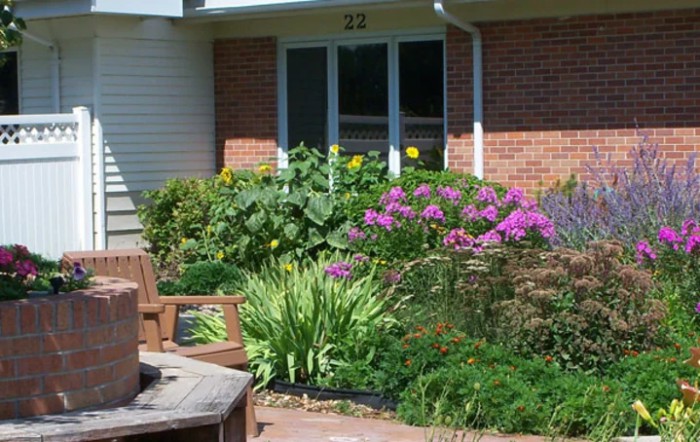
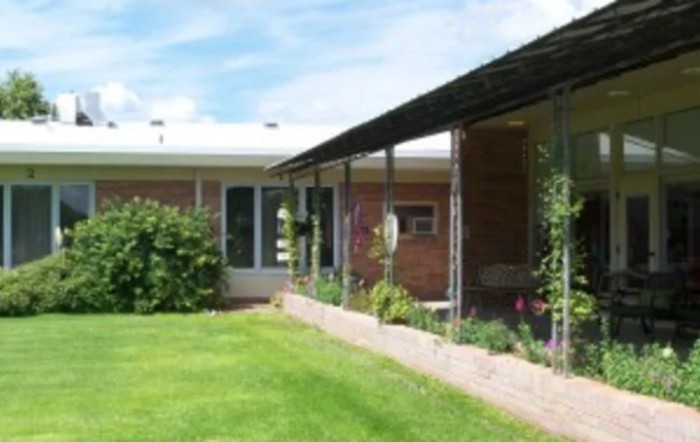
  • Garden GardenGardens are important for seniors as they provide a peaceful and therapeutic environment for relaxation, physical activity, and socialization. Being in nature has been shown to reduce stress, improve mood, and promote overall well-being. Gardens also offer opportunities for seniors to engage in gardening activities, which can improve mobility, flexibility, and cognitive function. Additionally, gardens create a sense of community and connection with others who share a passion for plants and outdoor spaces.
  • Housekeeping services Housekeeping servicesHousekeeping services are important for seniors because they help maintain a clean and safe living environment, promote independence, and reduce the risk of accidents or illnesses. Additionally, having assistance with household chores can alleviate physical strain and allow seniors to focus on other aspects of their well-being.
  • Kitchenette KitchenetteKitchenettes are important for seniors living in senior living communities because they provide the convenience and independence of being able to prepare simple meals and snacks in the comfort of their own living space. This can help promote a sense of autonomy and well-being for seniors, allowing them to maintain some level of control over their dietary choices and daily routines.
  • Move-in coordination Move-in coordinationMove-in coordination is important for seniors because it helps ease the transition into their new living environment. It ensures that all logistics, such as packing, organizing movers, and setting up utilities are taken care of, allowing seniors to focus on settling in and adjusting to their new home. Having a smooth move-in process can alleviate stress and anxiety, making the transition smoother and more enjoyable for seniors.
  • Outdoor space Outdoor spaceOutdoor spaces are important for seniors as they provide opportunities for physical activity, social interaction, exposure to natural light and fresh air, and a sense of connection to nature. Having access to outdoor spaces can improve overall well-being and quality of life for older adults living in senior communities.
  • Restaurant-style dining Restaurant-style diningRestaurant-style dining is important for seniors because it allows them to enjoy delicious, nutritious meals in a social and upscale setting. This enhances their dining experience, promotes healthy eating habits, and fosters socialization with fellow residents, ultimately contributing to their overall well-being and quality of life.
  • Small library Small librarySmall libraries are important for seniors as they provide access to a variety of reading materials, including books, newspapers, and magazines. This can help stimulate their minds, keep them engaged, and provide a sense of community through book clubs and other social activities. Additionally, reading has been shown to improve cognitive function and overall mental well-being in older adults.
  • Telephone TelephoneTelephones are important for seniors as they provide a lifeline for communication with loved ones, emergency services, and healthcare providers. They offer a sense of security and independence, enabling seniors to stay connected and access assistance when needed.
  • Wi-Fi/high-speed internet available Wi-Fi/high-speed internet availableWi-Fi/high-speed internet is important for seniors to stay connected with loved ones, access online resources, and participate in virtual activities to combat feelings of loneliness and isolation. It also allows them to easily manage healthcare needs, access entertainment, and engage in lifelong learning opportunities.

Care Services

  • 24-hour call system 24-hour call system24-hour call systems are important for seniors because they provide peace of mind and immediate assistance in case of emergencies. This technology ensures that help is always available, promoting safety and security for elderly individuals living alone or in assisted living facilities.
  • 24-hour supervision 24-hour supervision24-hour supervision is important for seniors to ensure their safety, well-being, and access to immediate assistance in case of emergencies or health issues. This constant support provides peace of mind for both seniors and their loved ones, allowing them to age in place with dignity and security.
  • Activities of daily living assistance Activities of daily living assistanceActivities of daily living assistance are important for seniors because they provide essential support with tasks such as eating, bathing, dressing, and mobility. This assistance helps seniors maintain their independence, dignity, and overall quality of life as they age.
  • Assistance with bathing Assistance with bathingAssistance with bathing is crucial for seniors as it helps maintain personal hygiene, prevents infections, and ensures their overall well-being and comfort. It also provides a sense of dignity and independence for seniors who may struggle with this task on their own.
  • Assistance with dressing Assistance with dressingAssistance with dressing is important for seniors because it helps maintain their independence, promotes personal hygiene, prevents accidents and injuries, and improves overall quality of life. This service ensures that seniors can continue to dress comfortably and confidently, despite any physical limitations they may have.
  • Assistance with transfers Assistance with transfersAssistance with transfers is crucial for seniors as it helps prevent falls and injuries, maintains their independence, and ensures they can safely navigate their living environment. It also provides peace of mind for both seniors and their loved ones.
  • Diabetes diet Diabetes dietA diabetes diet is crucial for seniors as it helps manage blood sugar levels, reduce risks of complications, and improve overall health and well-being. By following a balanced and nutritious diet tailored to their specific needs, seniors can better control their diabetes and enhance their quality of life.
  • Meal preparation and service Meal preparation and serviceMeal preparation and service are crucial for seniors as they may have limited mobility or energy to cook nutritious meals. Having access to healthy and convenient food options can ensure they are getting the proper nutrition needed to maintain their overall health and well-being.
  • Medication management Medication managementMedication management is crucial for seniors to ensure they are taking the right medications at the correct dosages and times. This helps prevent adverse drug interactions, reduces the risk of medication errors, and promotes overall health and well-being. Proactive management also allows for adjustments as needed based on changing health conditions or new prescriptions.
  • Mental wellness program Mental wellness programMental wellness programs are essential for seniors as they promote cognitive stimulation, emotional support, and social engagement. These programs help prevent isolation, depression, and cognitive decline, ultimately enhancing the overall quality of life for older adults.
  • Special dietary restrictions Special dietary restrictionsSpecial dietary restrictions are important for seniors because age-related changes in metabolism and health conditions can make it difficult for their bodies to process certain foods. By following a diet tailored to their specific needs, seniors can maintain their overall health and well-being, manage chronic conditions, and reduce the risk of complications such as malnutrition or food interactions with medications.
Dining

  • Diabetes diet Diabetes dietA diabetes diet is crucial for seniors as it helps manage blood sugar levels, reduce risks of complications, and improve overall health and well-being. By following a balanced and nutritious diet tailored to their specific needs, seniors can better control their diabetes and enhance their quality of life.
  • Special dietary restrictions Special dietary restrictionsSpecial dietary restrictions are important for seniors because age-related changes in metabolism and health conditions can make it difficult for their bodies to process certain foods. By following a diet tailored to their specific needs, seniors can maintain their overall health and well-being, manage chronic conditions, and reduce the risk of complications such as malnutrition or food interactions with medications.

Activities

  • Community-sponsored activities Community-sponsored activitiesCommunity-sponsored activities are important for seniors as they provide opportunities for social interaction, mental stimulation, and physical activity. These activities can help improve overall well-being, combat loneliness and isolation, and promote a sense of belonging and purpose among older adults.
  • Resident-run activities Resident-run activitiesResident-run activities are important for seniors as they encourage social interaction, creativity, and a sense of autonomy. These activities empower seniors to stay engaged and active in their community while fostering meaningful connections with their peers.
  • Scheduled daily activities Scheduled daily activitiesScheduled daily activities are important for seniors because they provide structure, socialization, mental stimulation, and physical activity. Engaging in regular activities can improve overall well-being and quality of life for seniors living in a community setting.

Description

The Callaway Good Life Center in Callaway, NE is a well-equipped assisted living community that offers a comfortable and fulfilling lifestyle for seniors. Our residents can enjoy a variety of amenities to make their stay enjoyable and convenient. Each apartment is fully furnished and includes cable or satellite TV, Wi-Fi/high-speed internet, and a telephone. Our small library provides the perfect quiet space for reading and relaxation.

Meals at our community are served restaurant-style in our dining room, where residents can enjoy delicious cuisine prepared by our skilled staff. We cater to special dietary restrictions, including diabetes diets, ensuring that all residents receive nutritious meals tailored to their specific needs.

Our care services include 24-hour supervision to ensure the safety and well-being of our residents. Our trained staff provides assistance with activities of daily living such as bathing, dressing, and transfers. Medication management is also available to help residents with their medication schedules.

We understand the importance of mental wellness, which is why we offer a dedicated mental wellness program for our residents. This program aims to promote emotional well-being through various activities and support services.

Residents at Callaway Good Life Center can participate in resident-run activities as well as scheduled daily activities. These activities are designed to promote socialization and engagement among our residents.

Our location offers easy access to nearby parks for enjoying outdoor spaces and recreational activities. Additionally, there are restaurants, places of worship, and hospitals conveniently located nearby for easy accessibility.

At Callaway Good Life Center, we strive to create an environment where seniors can age gracefully while receiving the care they need. With our excellent amenities, comprehensive care services, and vibrant community life, we provide a welcoming home for individuals seeking assisted living in Callaway, NE.

Nearby Places of Interest

Restaurants

  • Shotgun Annie's (0.1 miles)
  • Bonfire Grill (16.7 miles)
  • Broken Bow Legends Neighborhood Grill (16.8 miles)
  • Subway (17.3 miles)
  • McDonald's (17.3 miles)
  • Pizza Hut (17.4 miles)
  • Runza (17.5 miles)

Hospitals

  • Callaway Medical Clinic (0.2 miles)
  • Callaway District Hospital (0.2 miles)
  • Saint Francis Medical Center (16.9 miles)
  • Jennie M Melham Memorial Medical Center (17.4 miles)
  • Central Nebraska Medical Clinic (17.4 miles)

Places of Worship

  • United Methodist Church (0.3 miles)
  • Morning Star United Methodist (0.3 miles)
  • St John The Evangelist Parish (0.4 miles)
  • Callaway Community Church (0.6 miles)
  • Morning Star Church (10.3 miles)
  • Wels (16.7 miles)
  • St Paul's Ev Lutheran Church (16.7 miles)

Parks

  • Pioneer Picnic (0.3 miles)
  • Cool Boyd (1.7 miles)
  • Pressey State Wildlife Management Area (13 miles)
  • Charles Horn Oconto Sculpture Garden (13.4 miles)
  • Oconto City Park (13.4 miles)
  • The Square (16.8 miles)
  • Broken Bow City Square Park (17.6 miles)

Physicians

  • Broken Bow Clinic PC (16.8 miles)
  • Mid Nebraska Broadcasting (17 miles)

Pharmacies

  • Holcomb Pharmacy (16.8 miles)
  • Good Neighbor Pharmacy (16.8 miles)

Transportation

  • Q Family Auto (16.9 miles)
  • U-Haul Neighborhood Dealer (17.5 miles)

Cafes

  • Tumbleweed Cafe (17.6 miles)

Frequently Asked Questions

Where is Callaway Good Life Center?
What photos are available for Callaway Good Life Center in Callaway, Nebraska?

Nearby Communities

  • Grand Generation Manor

    Grand Generation Manor

    Callaway, NE


    pro High-quality care with diabetes support, engaging activities, and convenient access to nearby parks and hospitals.

  • Jennie M Melham Medical Ctr

    Jennie M Melham Medical Ctr

    Broken Bow, NE

    3.2 from 16 reviews
     

    pro Accessible healthcare with multiple nearby hospitals and services.

  • Off Broadway Apartments

    Off Broadway Apartments

    Broken Bow, NE

    3.8 from 4 reviews
    $1,344 to $1,934 / month

    pro Pet-friendly with specialized diabetic care.

  • Broken Bow Care And Rehabilitation Center

    Broken Bow Care And Rehabilitation Center

    Broken Bow, NE

    4.7 from 3 reviews
     

    pro Extensive on-site amenities and 24/7 care options.

  • Golden LivingCenter - Broken Bow

    Golden LivingCenter - Broken Bow

    Broken Bow, NE

    1 from 1 review
     

    pro Peaceful setting with convenient access to healthcare, worship options, transportation, and nearby parks.

  • Quality Senior Villages

    Quality Senior Villages

    Broken Bow, NE

    3.9 from 7 reviews
    $3,872 to $5,145 / month

    pro Small, well-maintained setting with one-on-one care and attentive staff.

Related Resources

  • home care aideHome Health Care Aides: Understanding Their Role and Supporting Your Family

    Home health care aides provide vital medical and non-medical support to individuals at home, assisting with daily living activities and promoting emotional well-being, while the demand for these services increases due to an aging population. Families benefit from in-home care's flexibility and cost-effectiveness but face challenges like scheduling consistency and caregiver turnover.

  • uti in elderlyUrinary Tract Infections in Older Adults: Comprehensive Insights on Symptoms, Treatment, and Prevention

    Older adults with urinary tract infections (UTIs) often present atypical symptoms, complicating diagnosis due to factors like incomplete bladder emptying and chronic health conditions that increase their susceptibility. Effective management involves prompt treatment with antibiotics, hydration, and preventive strategies while minimizing antibiotic resistance and focusing on holistic care approaches.

  • 602 formCalifornia's Form 602A: An In-Depth Examination of Senior Care Assessment

    California's Form 602A is a vital tool for evaluating the health needs of seniors seeking residential care, detailing their medical conditions and daily living requirements to ensure proper service alignment. This standardized form enhances communication among physicians, families, and facilities, serving as a regulatory measure for admissions and ongoing care while adapting to changing healthcare practices.