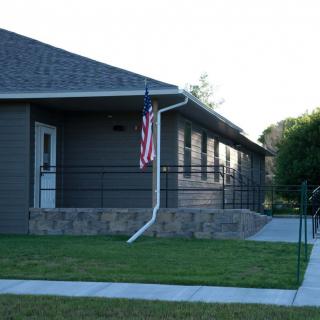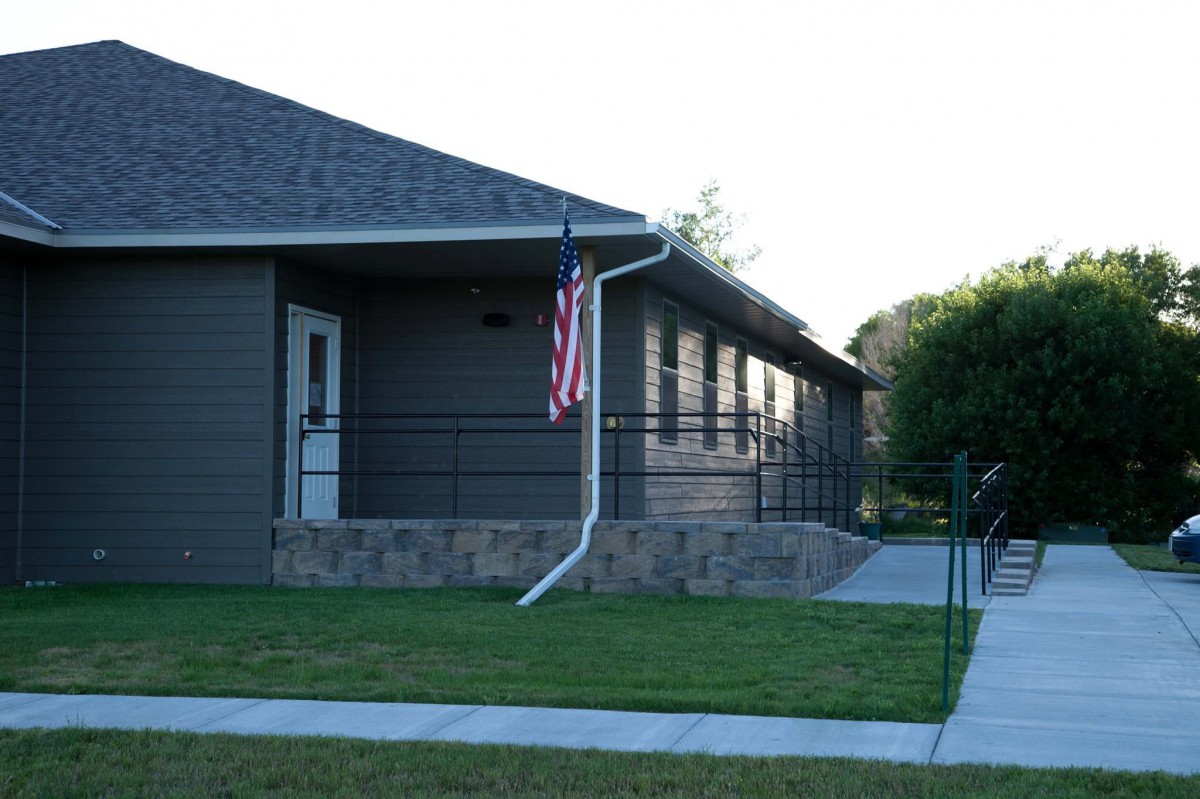
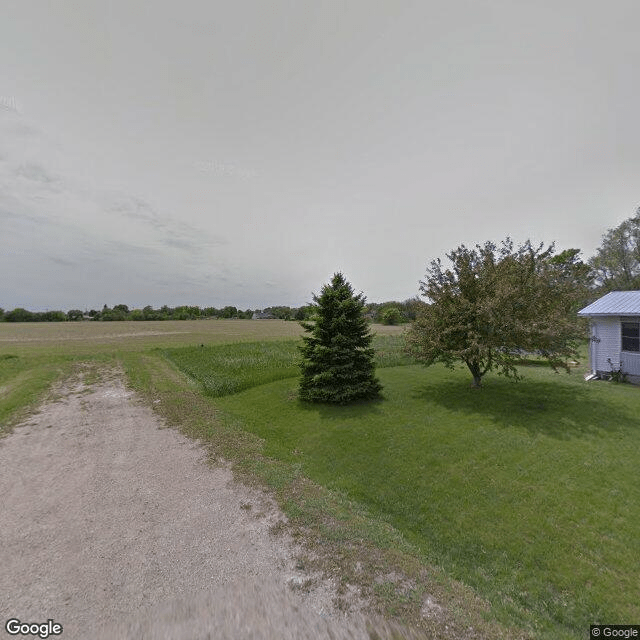
715 Arapahoe Ln, Broken Bow, NE 68822
To contact a resident: (308) 872-6387
For more information about senior living options: (866) 208-4318
Quality Senior Villages Costs & Pricing
Quality Senior Villages offers competitive pricing for its accommodations, providing a semi-private room at $3,872 per month, which aligns with the rates in Custer County but is notably lower than the state average of $4,123. For those seeking more privacy, a one-bedroom unit is available for $5,145 - a figure that significantly exceeds both local and state benchmarks of $3,322 and $3,167 respectively. This pricing structure suggests that while Quality Senior Villages may be positioned as a more premium option in terms of private living spaces, it remains an attractive choice for shared accommodations relative to county standards.
| Floor plans | Quality Senior Villages | Custer County | Nebraska |
|---|---|---|---|
| Semi-Private | $3,872 | $3,872 | $4,123 |
| 1 Bedroom | $5,145 | $3,322 | $3,167 |
Overall Review of Quality Senior Villages
Pros
 The facility provides excellent care in a small, intimate setting that allows for one-on-one attention.
- Ashley works hard to get residents involved in crafts.
- The staff are caring and go the extra mile to support residents and one another.
- The facility is described as nice, with caring, supportive staff.
- The family expresses love for Mom and celebrates her birthday, reflecting a warm, affectionate atmosphere.
Cons
 The person in charge is never reachable; he is never there when called.
- Management practices are very poor and insensitive.
- Some reviewers would not recommend the facility because of the management issues.
Review
Quality Senior Villages in Broken Bow, NE is best suited for families seeking an intimate, home-like assisted living where residents receive substantial one-on-one attention and the daily rhythm centers on a small, community-focused environment. This is a setting where staff interactions feel personal, and where the facility’s modest size translates into hands-on care, continuity, and visible warmth from caregivers. It tends to work well for seniors who want genuine relationships with caregivers, enjoy small-group activities, and value being known by name rather than treated as a number.
Those considering alternatives should weigh how important consistent, visible leadership and easily accessible administration are to the plan of care. If a family requires reliable, timely contact with the person in charge and clear, standing points of accountability, this may not be the strongest match. Similarly, for families needing broad services, aggressive activity programming, or the reassurance of a large, well-known brand backing the operation, other communities, especially larger, more structured facilities, may offer the predictability and scale that matter more as care needs evolve.
On the upside, the strongest selling points here are the advantages that come with smallness: a calm atmosphere, a high degree of personal attention, and staff who clearly care. Residents reportedly benefit from one-on-one interactions, and the overall tone is described as caring and supportive. There are concrete examples of staff going the extra mile, med aides with decade-long experience who emphasize that everyone on the team looks out for residents, not just the assignment at hand. The praise about small class sizes or crafts programs, where staff such as Ashley actively involve residents in meaningful activities, paints a picture of a community that prioritizes engagement and belonging.
Yet, the most notable cautions appear around management and communication. One reviewer questions the consistency and presence of the person in charge, citing difficulty in reaching leadership and wondering if leadership truly shows up. Another reviewer takes a sharper swipe, describing management practices as very poor and insensitive. Those two viewpoints sit in tension: the first hints at gaps in responsiveness, while the second casts doubt on decision-making and stewardship. Together, they signal that governance and administrative accessibility can be uneven, and that families may experience delays or frustration when issues require escalation or rapid coordination.
The key question becomes whether the positives can offset the governance concerns. For families prioritizing heartfelt care, stable direct care, and a setting that lets residents feel seen and involved, the strengths are meaningful and real. The consistent praise for caring staff, the small, approachable environment, and the evident investment in residents’ social engagement can translate into quality daily life. However, the potential downsides, particularly limited access to leadership and questions about management sensitivity, pose real risk if emergencies arise, if care needs intensify, or if family members rely on timely, proactive communication. In practice, this community works best when residents are stable, largely independent with occasional oversight, and when family caregivers can work within a slower, relationship-driven administrative flow.
For families moving forward, the recommended approach is practical and deliberate: schedule visits at different times to observe both front-line staff interactions and any administrative routines; insist on meeting with the administrator or a designated leader to understand communication protocols and escalation paths; review care plans, medication management, and response to concerns; ask current residents or families about the consistency of updates and the responsiveness to problems; verify licensing and inspect results to corroborate the quality of care against the stated strengths. In sum, Quality Senior Villages is a compelling option for those who prize intimate care and dedicated staff, but it requires a clear plan for administrative access and issue resolution. If reliable leadership presence and predictable governance are non-negotiables, pursuing a few more options may prevent settling for uneven management in a facility that otherwise delivers strong, compassionate daily care.
 Memory Care
 Activities off-site
 Air-conditioning
 Bath tubs
 Beautician on-site
 Cable or satellite TV
 Devotional services off-site
 Ground floor units
 Handicap accessible
 Indoor common areas
 Outdoor common areas
 Respite or short term stays offered
 Wi-Fi/high-speed internet available
 Ambulatory care
 Diabetic care
 Incontinence care
 Medication management
 Anytime dining
 Art classes
 Catholic services
 Cooking classes
 Day trips and outings
 Happy hour
 Karaoke
 Live dance or theater performances
 Live musical performances


 Vibrant Senior Living: A Comprehensive Guide for Active Older Adults
 Assisted Living and Memory Care: Understanding Their Core Differences
 Choosing the Right Senior Care: A Detailed Exploration of Assisted Living and Nursing Homes