
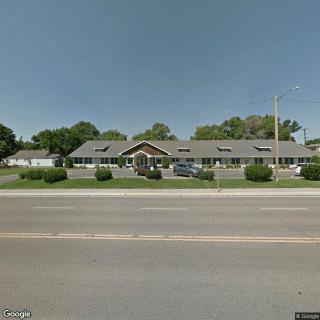
712 Wibaux Street S, Wibaux, MT 59353
For more information about senior living options: (866) 208-4318
Overall Review of Wibaux County Nursing Home
Pros
 Wibaux Nursing provides love and compassion, giving residents a sense of purpose.
- Roxie is amazing.
- The staff help Mom look and feel good about herself and understand her health needs.
- Dawn calmed their needs at night, and Taylor, Lisa, and Tina made life easier for the family.
- The team is awesome and has made a meaningful difference in the family’s life.
- The facility is nice and offers quality care.
- The facilities are beautiful, with a loving and caring staff; residents appear happy and well taken care of.
Cons
 They claim that CNAs dominated supervisors, with no real consequences for those who needed it, resulting in unfair treatment, especially for traveling staff and people of color.
Review
Wibaux County Nursing Home is best suited for families seeking a warm, intimate rural setting where residents receive personal attention and long-standing relationships with caregivers. The community shines for long-term residents and those in memory care, where staff integrate meaningful daily routines and give residents a sense of purpose. The tone in practice is one of genuine care: a small-town ethos that values getting to know each resident’s history, preferences, and needs, and then tailoring daily life around that knowledge. Families that want to see staff who remember names, small gestures, and moments that matter, like helping a loved one feel presentable or reengage with familiar routines, will find this home’s core strength.
That said, certain realities suggest alternatives may be worth considering for some families. The most persistent caveat is the governance and staffing dynamics raised in reviews: reports of a CNA-driven supervisory culture with limited real consequences for those who need stricter accountability, and concerns about fairness affecting traveling staff and people of color. For families requiring consistently strict oversight, zero tolerance for supervisory friction, and a uniform standard across shifts, a larger facility with formalized governance structures or a hospital-linked program may feel more reliable. In short, when administrative predictability, equity in treatment, and standardized supervision are nonnegotiable, other options deserve examination.
The positive forces in this community tend to offset those governance concerns in meaningful, tangible ways. The staff’s decades-long investment in residents translates into trust, stability, and a sense of security for families who cannot be present daily. Examples from families emphasize staff who deliver not just care, but attentiveness, the ability to calm family anxieties at night, to celebrate small milestones, and to treat residents with dignity and affection. The small-town friendliness and professional demeanor of the team create a pleasant atmosphere where residents appear content, well groomed, and engaged in purposeful activity. This level of warmth often reduces family stress and supports consistent quality of life for residents.
Another strong pro is the facility’s atmosphere and the depth of personalized care that shows up in everyday moments. The memory care staff are described as compassionate and attentive, with care extended beyond basic tasks to meaningful engagement. Residents often reflect happiness and a sense of belonging, evidenced by staff who remember individual preferences and participate in activities that matter to each person. The physical setting, and the obvious investment in resident dignity, such as grooming and personal presentation, helps create a reassuring backdrop for families choosing where a loved one will spend days and nights in a community rather than alone at home.
Yet the reported drawbacks cannot be dismissed. The perception that supervisory authority can be unevenly exercised and that some staff members face unfair treatment raises red flags about consistency and safety. When care quality hinges on which shift is on duty or which staff member is assigned to a resident, the risk rises of uneven responsiveness, delayed attention during needs spikes, or inconsistencies in how policies are enforced. For a family weighing this option, it is essential to probe how the administration supervises front-line caregivers, what training exists on equity and cultural sensitivity, and what formal channels are in place to address concerns without retaliation.
The practical takeaway is clear. For families prioritizing warmth, personalized attention, and a supportive memory-care environment within a small-town setting, Wibaux County Nursing Home offers a compelling fit. It is not a generic, one-size-fits-all solution; it is a place where staff members work hard to know residents deeply and to honor their routines and preferences. Before committing, however, ask pointed questions about staffing consistency, the governance framework, and the steps taken to ensure fair treatment across all staff and residents. If governance rigor and uniform supervision across shifts are essential, or if a review of equity practices is a must, explore additional options and compare how each facility manages oversight, caregiver stability, and resident rights. In the right scenario, this community can be a sturdy, affectionate home that improves quality of life through genuine connection and attentive, person-centered care.
 40 resident community capacity
 Skilled Nursing Facility
 Beauty salon
 Cable or satellite TV
 Dining room
 Fully furnished
 Garden
 Housekeeping services
 Kitchenette
 Move-in coordination
 Outdoor space
 Restaurant-style dining
 Small library
 Telephone
 Wi-Fi/high-speed internet available
 24-hour call system
 Activities of daily living assistance
 Assistance with bathing
 Assistance with dressing
 Assistance with transfers
 Diabetes diet
 Medication management
 Mental wellness program
 Special dietary restrictions



 A Comprehensive Exploration of Common Misunderstandings about Powers of Attorney
 Senior Move Management: Understanding the Role, Value, and Associated Costs
 Weight Training for Seniors: Building Strength and Vitality