Eastern Montana Veterans Home

Save

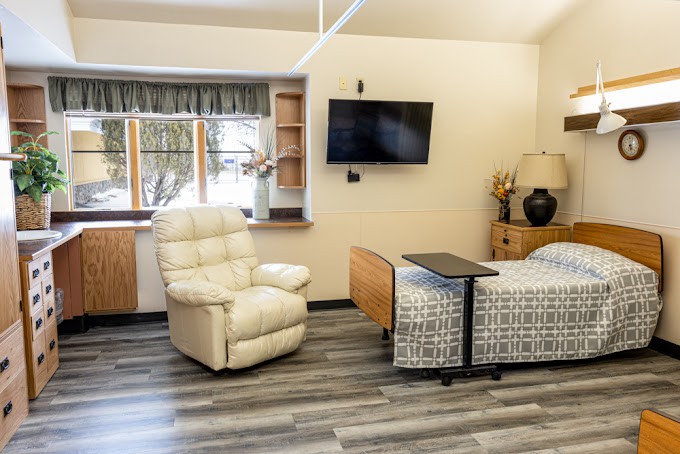
  • Interior

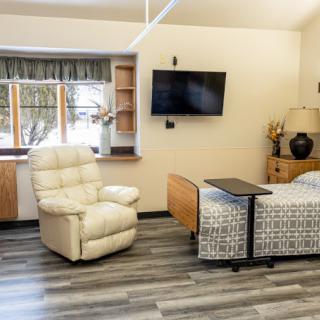
    A cozy living space featuring a recliner, bed, wall-mounted television, and window with a scenic view.
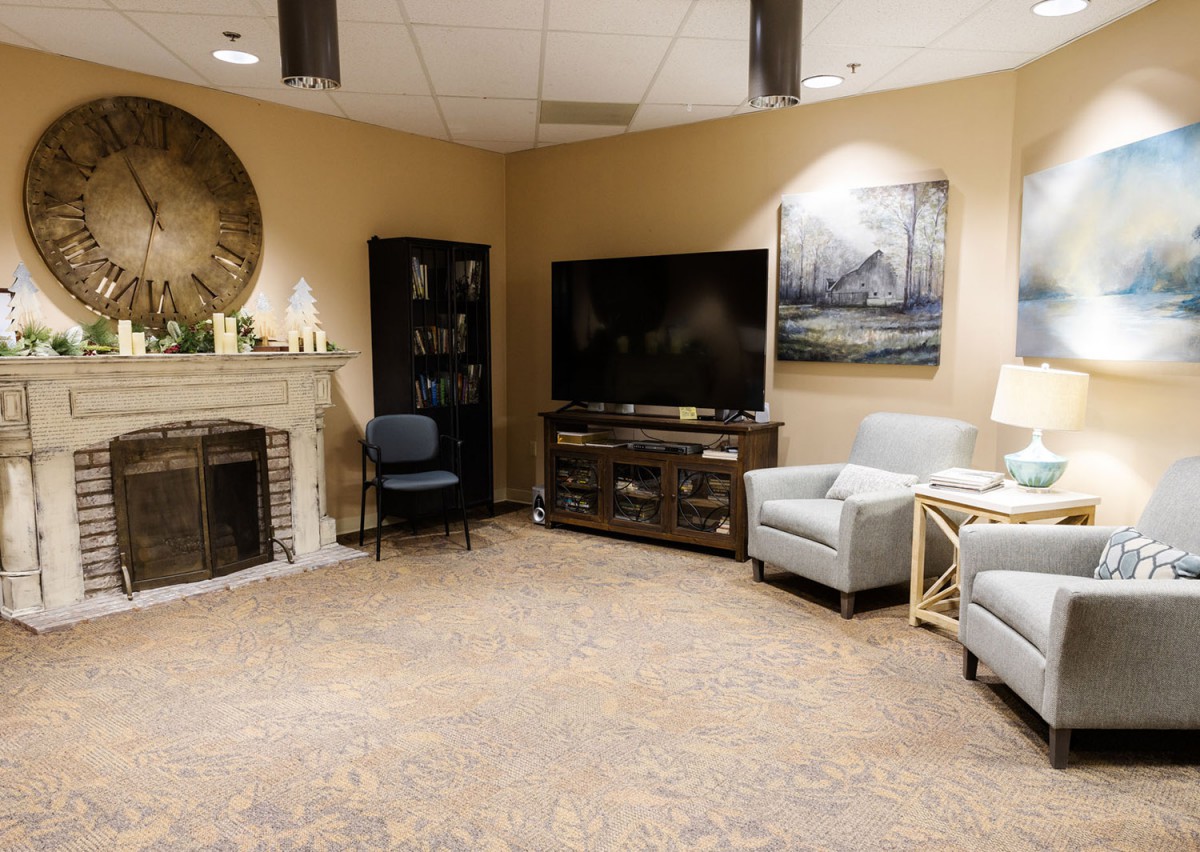
  • Living Room

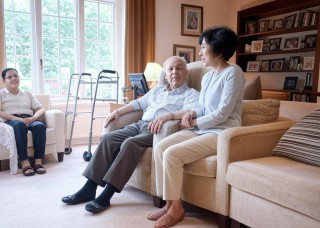
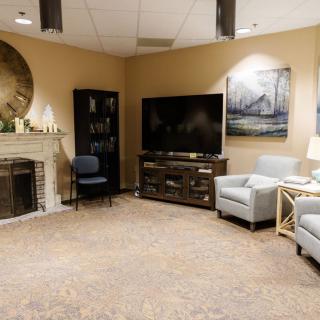
    A cozy living room with a fireplace, television, and comfortable seating.
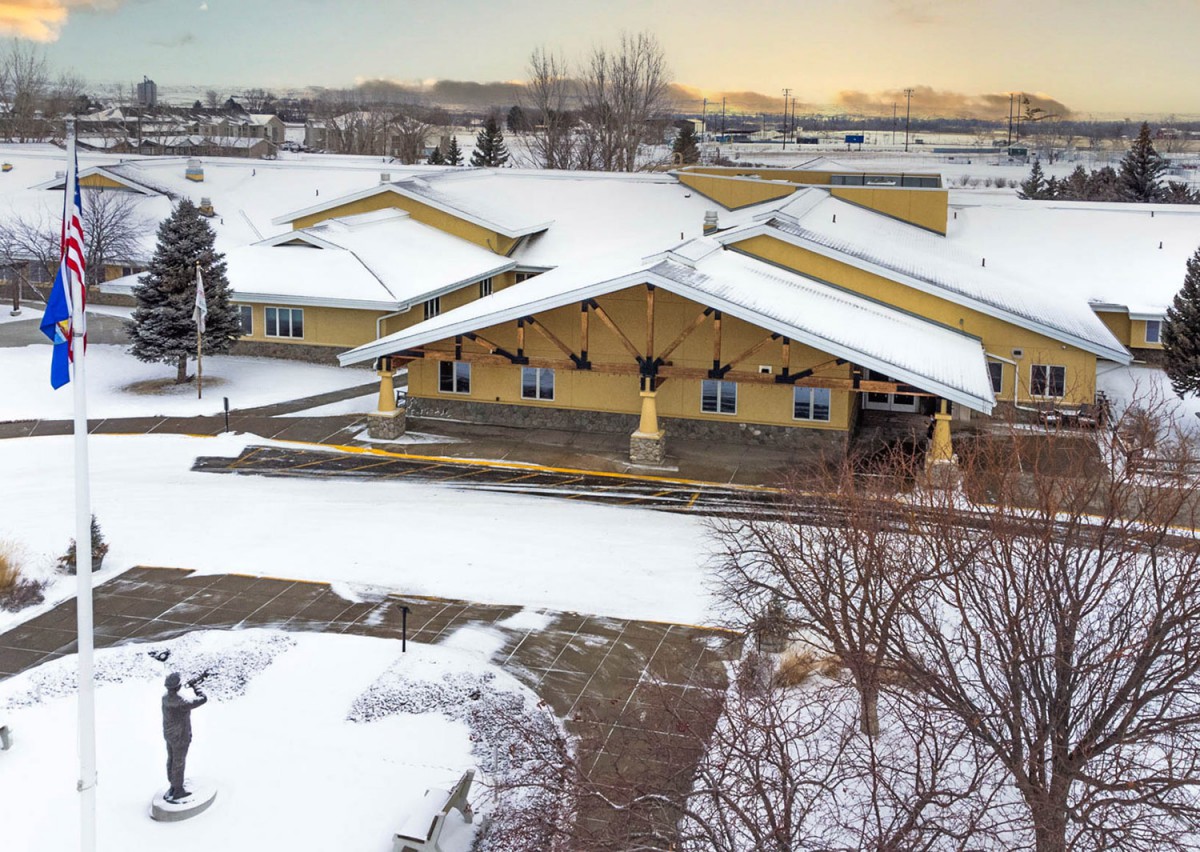
  • Building

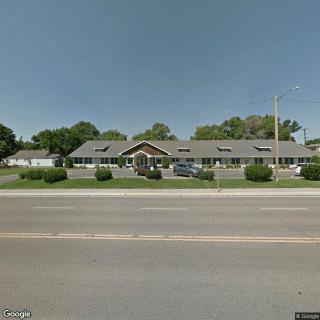
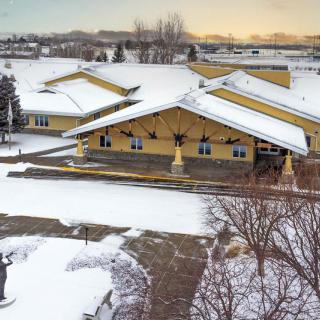
    A snowy landscape surrounding a large building in winter.
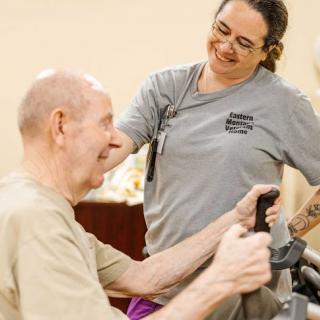
  • Healthcare

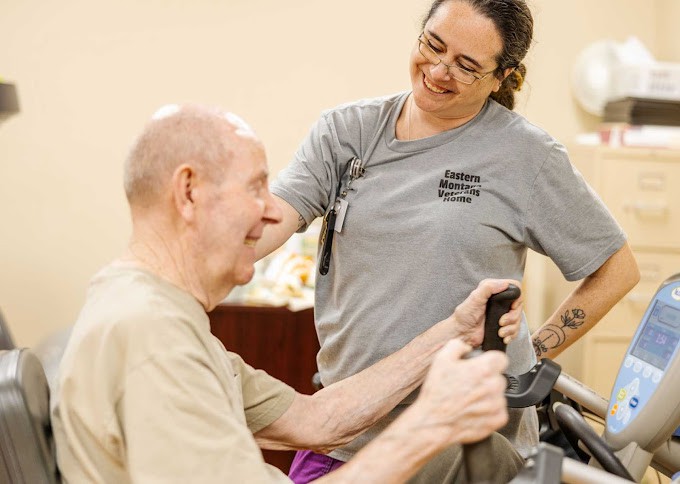
    An elderly man receives assistance during a therapy session with a caregiver.
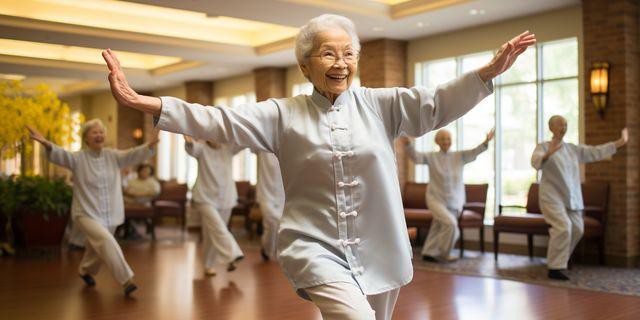
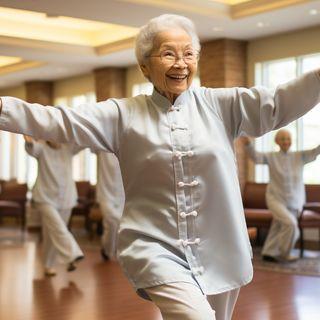
  • Exercise

    An elderly woman joyfully practices Tai Chi in a group setting indoors.
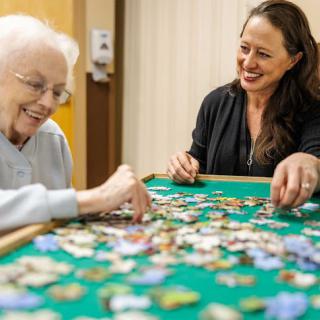
  • Caregiver

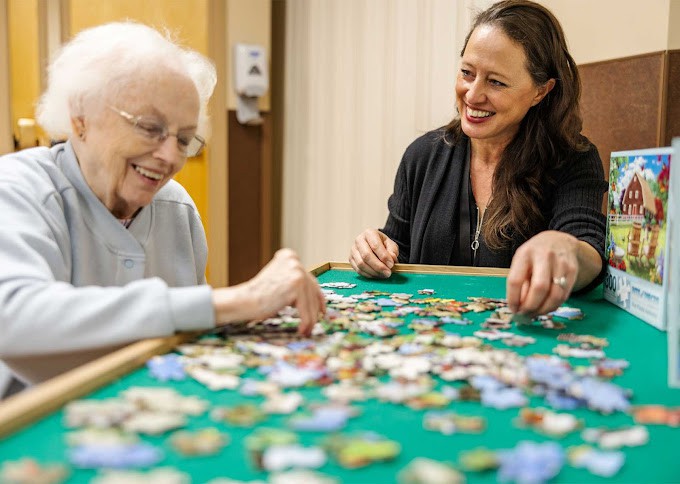
    An elderly woman and a caregiver enjoy putting together a puzzle indoors.
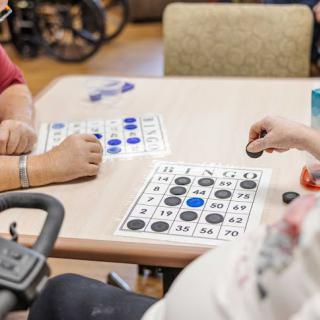
  • Bingo

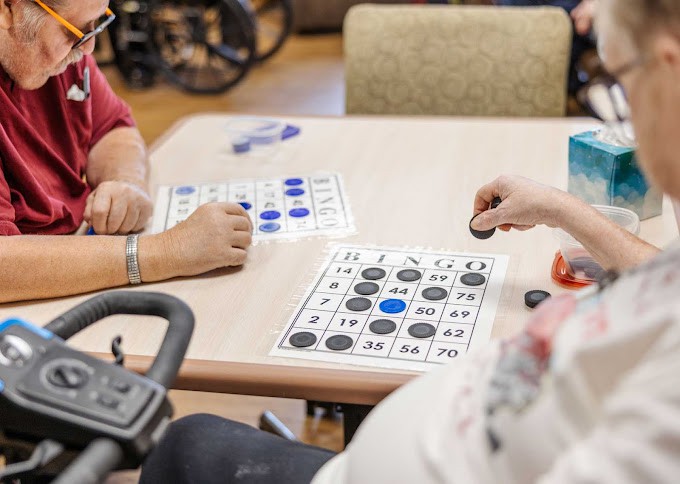
    Seniors playing bingo at a table in a leisure setting.

Eastern Montana Veterans Home

2000 Montana Avenue, Glendive, MT 59330

For more information about senior living options: (844) 490-3973

3.3 from 3 reviews
5 stars
1
4 stars
1
3 stars
0
2 stars
0
1 stars
1

Skilled Nursing Facility

What level of care are you interested in?

Assisted Living

Memory Care

Independent Living

Skilled Nursing Facility

Continuing Care Retirement Community (CCRC)CCRC

Other


Request a tour at Eastern Montana Veterans Home

    Overall Review of Eastern Montana Veterans Home

    Pros

    • pro EMVH was described as an excellent choice for his dad.
    • pro The facility cared for both nursing home and assisted living residents.
    • pro Dad was greeted on moving in and thanked for his service.
    • pro He was told this was his home and cared for with respect.
    • pro Dad bonded with one of the regular caregivers.
    • pro The counselor who checked in regularly (the daughter of a woman dad grew up with) was an exceptionally positive addition.
    • pro Montana VA homes were described as among the best in the US.

    Cons

    • pro The reviewers found the staff at the Veterans' Home to be extremely intolerant and antisocial.
    • pro The staff were said to go out of their way to make the reviewer feel uncomfortable and barely focused on patient care.
    • pro The facility ended up in a bind with the Montana State Department of Health for not properly providing care to their more needy patients.
    • pro The staff and administration were described as lacking proper communication skills.
    • pro The DON canceled the reviewer's contract without any conversation or notice, which was described as grossly unprofessional.
    • pro The reviewer believed day staff fabricated accusations about them and ran those to the DON, influencing the decision.
    • pro The environment was described as having a problematic culture, contributing to an uncomfortable experience.

    Review

    Two very different voices surface in the stories surrounding a Montana Veterans Home: a family's warm recollection of his father's care and a traveling nurse's sharply critical account of the same setting. Taken together, they sketch a complex portrait of a place that can feel like a home for some residents while also becoming a source of frustration and tension for others who work there. The contrast highlights how personal experience, staffing realities, and local culture can all shape the quality of care in ways that aren't always visible from the outside.

    The family narrative centers on a father who moved into the Veterans Home after losing safety and independence at his own house. For nearly two years, the facility became his home, a choice that reflected both necessity and a belief that he would be cared for with dignity. The writer notes that the move happened during a period when North Dakota's oil boom drew many young workers away, leaving home health care in short supply. In that context, the Montana Veterans Home (referred to as EMVH in the recounting) was praised as an excellent option. The writer emphasizes the positive first impression: Dad was greeted warmly when he moved in, thanked for his service, and told that this was his home and that he would be cared for with respect. A particularly notable detail is that he was in a shared room, and if his wife had survived, she could have moved in with him. Those small touches - feeling welcomed, the sense of belonging, and the option for companionship - made a meaningful difference in his daily life.

    Shortages and practical challenges did pepper the experience, of course. The family portrait includes a poignant mention of the CNA shortage, a common issue in many facilities. Yet even with staffing gaps, the narrator paints a picture of careful oversight and family involvement that helped keep Dad safe: the writer describes hiring a counselor to check in on him regularly and notes that Dad formed a bond with one of the regular caregivers. The presence of a familiar, trusted person - someone connected to Dad's history and daily routines - allowed the author to take trips home with the reassurance that he remained in capable hands. These strands - genuine care, continuity with caregivers, and the ability to stay connected to loved ones - compose a framework in which the facility could be experienced as a true home rather than a cold institution.

    After the father's passing, the narrator's reflections pivot to a broader sentiment about Montana's VA homes, even noting, with a sense of pride, that Montana VA facilities have earned strong reputations. The closing sentiment is more than nostalgia; it points to a belief that, in the right circumstances, these homes can deliver compassionate, respectful care that honors service and family ties. The family's experience is less about any single failing and more about a generally positive trajectory: a place that can make an elderly person feel seen, supported, and valued in a way that matches the intention behind moving him there in the first place.

    Against this positive frame, a second voice disrupts the narrative with a starkly different experience. This PSA, clearly aimed at fellow traveling nurses, recounts a visit to the Veterans' Home that left the writer feeling unwelcome and professionally undermined. The nurse describes encountering what they perceived as extreme intolerance and antisocial behavior from staff, who supposedly prioritized their own needs over patient care. According to the reviewer, the facility ended up in a difficult situation with the Montana State Department of Health for not properly providing care to the more needy patients during their tenure. The account claims that the nurse followed the licensed practical nurse (LPN) scope of practice in Montana and New York, but the staff and administration failed to communicate effectively, contributing to a broader sense of dysfunction.

    A central hardware of the critique is the alleged action of the Director of Nursing (DON), who allegedly canceled the contract without any conversation or notice. The writer contends that day staff fabricated concerns about the nurse, which somberly led to the contract termination. This perspective frames the conflict in terms of in-house politics, pay structures, and overt cultural clashes - tensions that the nurse attributes, at least in part, to a "culture" in a small town where outsiders might be met with suspicion or hostility. The reviewer's personal vulnerability - an African American man navigating a remote town with limited transportation options and challenging weather - adds a layer of unease to the travel experience, turning logistics and safety concerns into factors that influence professional judgment and comfort.

    The description grows more dramatic as it underscores the practical difficulties of working in such a place: a tiny airport, no Uber options, a lack of nearby amenities, and a sense that the environment could be both isolating and intimidating. The nurse's vivid memory of a precarious flight - "the pilot had to put a key in the ignition and it wouldn't start for a few hours because of the weather being so cold" - is paired with a personal fear that the setting was not conducive to a supportive, safe work environment. The reviewer uses strong language to convey frustration with the town's culture and with the facility's leadership, labeling the staff as "ignorant & childish" and criticizing the administration's communication as insufficient. The piece closes with the observation that the owning company (GMC) was relinquishing ownership of the home, while insisting that those remaining must take responsibility for how the Veterans Home is perceived and for maintaining professional standards of care.

    Taken together, these two narratives illuminate a broader truth: a Veterans Home can be experienced as a caring, respectful household by some families, while simultaneously contending with internal tensions, staffing constraints, and cultural barriers that complicate the work of delivering consistent, patient-centered care. The positive family story emphasizes the importance of a welcoming environment, respectful treatment, and continuity of caregivers, all of which help preserve a resident's dignity and sense of home. The negative traveling-nurse account highlights how discrepancies in culture, communication, and leadership can undermine care, even in facilities that have the potential to provide excellent service.

    Ultimately, the contrast underscores why ongoing attention to staffing stability, transparent communication, and inclusive, professional workplace cultures matters so deeply in long-term care. For families, it affirms the value of staying closely engaged with loved ones' care and seeking out reliable, consistent caregivers who can build trust over time. For administrators and policymakers, it serves as a reminder that even well-intentioned facilities can falter when there is poor internal communication, unclear expectations, or a workforce that feels unsupported or marginalized. And for the broader public, it reinforces that behind every facility's reputation are real people - residents, families, and staff - each navigating the daily realities of aging, illness, and care in a place that is supposed to be a home.

    Features

    Housing

    • 80 resident community capacity 80 resident community capacity

    Types of Care

    • Skilled Nursing Facility Skilled Nursing FacilitySkilled Nursing Facilities are crucial for seniors as they provide round-the-clock medical care, rehabilitation services, and assistance with daily activities. These facilities ensure that seniors receive the specialized care they need to maintain their health and well-being as they age.

    Amenities

    • Air-conditioning Air-conditioningAir conditioning is important for seniors as they are more vulnerable to heat-related illnesses and may have underlying health conditions that make it difficult for them to regulate their body temperature. It helps to keep them comfortable, safe, and healthy in hot weather.
    • Beauty salon Beauty salonBeauty salons are important for seniors because they provide a space for them to feel pampered, socialize, and maintain their personal grooming and hygiene. Regular visits to a beauty salon can help boost seniors' self-esteem and overall well-being.
    • Cable or satellite TV Cable or satellite TVCable or satellite TV is important for seniors because it provides entertainment, news, and companionship, helping to combat loneliness and boredom. It also offers a wide range of programming options tailored to different interests and preferences.
    • Computer center Computer centerA computer center is essential for seniors as it provides access to technology, communication tools, and resources that can enhance their daily lives. It allows them to stay connected with loved ones, engage in online activities, and learn new skills, ultimately promoting socialization and mental stimulation.
    • Dining room Dining roomDining rooms are important for seniors as they provide a space for socialization, connection, and nutritious meals. They offer opportunities for residents to bond over shared meals, foster a sense of community, and promote healthy eating habits. Dining rooms also ensure that seniors have access to well-balanced meals tailored to their dietary needs and preferences.
    • Fitness room Fitness roomHaving a fitness room in a senior living community is essential for seniors to stay active, maintain their physical health, and improve their overall well-being. Regular exercise can help prevent falls, reduce the risk of chronic diseases, and promote mental sharpness. It also provides social opportunities for residents to connect with others and enjoy a sense of community.
    • Fully furnished Fully furnishedFully furnished senior living communities are important for seniors because they provide convenience, comfort, and a hassle-free moving experience. Seniors can easily settle into their new living space without the stress of having to buy and move furniture. This allows them to focus on enjoying their new home and community.
    • Gaming room Gaming roomGaming rooms are important for seniors as they provide a fun and engaging environment for socializing, cognitive stimulation, and physical activity. Games can improve memory, problem-solving skills, and overall mental well-being while fostering friendships and reducing feelings of isolation.
    • Garden GardenGardens are important for seniors as they provide a peaceful and therapeutic environment for relaxation, physical activity, and socialization. Being in nature has been shown to reduce stress, improve mood, and promote overall well-being. Gardens also offer opportunities for seniors to engage in gardening activities, which can improve mobility, flexibility, and cognitive function. Additionally, gardens create a sense of community and connection with others who share a passion for plants and outdoor spaces.
    • Housekeeping services Housekeeping servicesHousekeeping services are important for seniors because they help maintain a clean and safe living environment, promote independence, and reduce the risk of accidents or illnesses. Additionally, having assistance with household chores can alleviate physical strain and allow seniors to focus on other aspects of their well-being.
    • Kitchenette KitchenetteKitchenettes are important for seniors living in senior living communities because they provide the convenience and independence of being able to prepare simple meals and snacks in the comfort of their own living space. This can help promote a sense of autonomy and well-being for seniors, allowing them to maintain some level of control over their dietary choices and daily routines.
    • Move-in coordination Move-in coordinationMove-in coordination is important for seniors because it helps ease the transition into their new living environment. It ensures that all logistics, such as packing, organizing movers, and setting up utilities are taken care of, allowing seniors to focus on settling in and adjusting to their new home. Having a smooth move-in process can alleviate stress and anxiety, making the transition smoother and more enjoyable for seniors.
    • Outdoor space Outdoor spaceOutdoor spaces are important for seniors as they provide opportunities for physical activity, social interaction, exposure to natural light and fresh air, and a sense of connection to nature. Having access to outdoor spaces can improve overall well-being and quality of life for older adults living in senior communities.
    • Private bathrooms Private bathroomsPrivate bathrooms are important for seniors in senior living communities because they provide independence, dignity, and comfort. Having a private bathroom allows seniors to maintain their personal hygiene routines without the need for assistance, promoting a sense of autonomy and privacy. Additionally, private bathrooms help prevent the spread of infections and provide a safe and clean environment for seniors to navigate safely.
    • Restaurant-style dining Restaurant-style diningRestaurant-style dining is important for seniors because it allows them to enjoy delicious, nutritious meals in a social and upscale setting. This enhances their dining experience, promotes healthy eating habits, and fosters socialization with fellow residents, ultimately contributing to their overall well-being and quality of life.
    • Small library Small librarySmall libraries are important for seniors as they provide access to a variety of reading materials, including books, newspapers, and magazines. This can help stimulate their minds, keep them engaged, and provide a sense of community through book clubs and other social activities. Additionally, reading has been shown to improve cognitive function and overall mental well-being in older adults.
    • Telephone TelephoneTelephones are important for seniors as they provide a lifeline for communication with loved ones, emergency services, and healthcare providers. They offer a sense of security and independence, enabling seniors to stay connected and access assistance when needed.
    • Wellness center Wellness centerWellness centers are important for seniors because they offer a variety of programs and services that promote physical, mental, and emotional well-being. These centers provide opportunities for exercise, socialization, education, and relaxation, helping seniors maintain their overall health and quality of life.
    • Wi-Fi/high-speed internet available Wi-Fi/high-speed internet availableWi-Fi/high-speed internet is important for seniors to stay connected with loved ones, access online resources, and participate in virtual activities to combat feelings of loneliness and isolation. It also allows them to easily manage healthcare needs, access entertainment, and engage in lifelong learning opportunities.

    Transportation

    • Community operated transportation Community operated transportationCommunity operated transportation is crucial for seniors as it provides them with the means to access essential services, social activities, and medical appointments. It allows seniors to maintain their independence and quality of life by ensuring they can participate in activities outside of their homes. Additionally, community-operated transportation services offer a safe and reliable way for seniors to travel without having to rely on family or friends for assistance.
    • Transportation arrangement Transportation arrangementTransportation arrangements are crucial for seniors as they may face challenges with driving, mobility, or access to public transportation. Having reliable transportation services ensures that seniors can easily attend appointments, social activities, and maintain their independence and quality of life.
    • Transportation arrangement (non-medical) Transportation arrangement (non-medical)Transportation arrangements are essential for seniors as they provide access to essential services, activities, and social interactions outside the home. This service helps maintain independence, mobility, and overall well-being for seniors who may have limited transportation options.
    • Transportation to doctors appointments Transportation to doctors appointmentsTransportation to doctors appointments is crucial for seniors as it ensures they have access to necessary medical care and support, promoting their health and well-being. It allows them to receive timely treatment, monitor existing conditions, and address any new health concerns efficiently. Additionally, transportation services can help seniors maintain their independence and quality of life by enabling them to stay connected with their healthcare providers.

    Care Services

    • 12-16 hour nursing 12-16 hour nursing12-16 hour nursing care is crucial for seniors in order to ensure around-the-clock monitoring, timely medication administration, and prompt response to any health concerns or emergencies. This level of care helps to promote the overall well-being and safety of seniors living in senior living communities.
    • 24-hour call system 24-hour call system24-hour call systems are important for seniors because they provide peace of mind and immediate assistance in case of emergencies. This technology ensures that help is always available, promoting safety and security for elderly individuals living alone or in assisted living facilities.
    • 24-hour supervision 24-hour supervision24-hour supervision is important for seniors to ensure their safety, well-being, and access to immediate assistance in case of emergencies or health issues. This constant support provides peace of mind for both seniors and their loved ones, allowing them to age in place with dignity and security.
    • Activities of daily living assistance Activities of daily living assistanceActivities of daily living assistance are important for seniors because they provide essential support with tasks such as eating, bathing, dressing, and mobility. This assistance helps seniors maintain their independence, dignity, and overall quality of life as they age.
    • Assistance with bathing Assistance with bathingAssistance with bathing is crucial for seniors as it helps maintain personal hygiene, prevents infections, and ensures their overall well-being and comfort. It also provides a sense of dignity and independence for seniors who may struggle with this task on their own.
    • Assistance with dressing Assistance with dressingAssistance with dressing is important for seniors because it helps maintain their independence, promotes personal hygiene, prevents accidents and injuries, and improves overall quality of life. This service ensures that seniors can continue to dress comfortably and confidently, despite any physical limitations they may have.
    • Assistance with transfers Assistance with transfersAssistance with transfers is crucial for seniors as it helps prevent falls and injuries, maintains their independence, and ensures they can safely navigate their living environment. It also provides peace of mind for both seniors and their loved ones.
    • Diabetes diet Diabetes dietA diabetes diet is crucial for seniors as it helps manage blood sugar levels, reduce risks of complications, and improve overall health and well-being. By following a balanced and nutritious diet tailored to their specific needs, seniors can better control their diabetes and enhance their quality of life.
    • Meal preparation and service Meal preparation and serviceMeal preparation and service are crucial for seniors as they may have limited mobility or energy to cook nutritious meals. Having access to healthy and convenient food options can ensure they are getting the proper nutrition needed to maintain their overall health and well-being.
    • Medication management Medication managementMedication management is crucial for seniors to ensure they are taking the right medications at the correct dosages and times. This helps prevent adverse drug interactions, reduces the risk of medication errors, and promotes overall health and well-being. Proactive management also allows for adjustments as needed based on changing health conditions or new prescriptions.
    • Mental wellness program Mental wellness programMental wellness programs are essential for seniors as they promote cognitive stimulation, emotional support, and social engagement. These programs help prevent isolation, depression, and cognitive decline, ultimately enhancing the overall quality of life for older adults.
    • Special dietary restrictions Special dietary restrictionsSpecial dietary restrictions are important for seniors because age-related changes in metabolism and health conditions can make it difficult for their bodies to process certain foods. By following a diet tailored to their specific needs, seniors can maintain their overall health and well-being, manage chronic conditions, and reduce the risk of complications such as malnutrition or food interactions with medications.

    Dining

    • Diabetes diet Diabetes dietA diabetes diet is crucial for seniors as it helps manage blood sugar levels, reduce risks of complications, and improve overall health and well-being. By following a balanced and nutritious diet tailored to their specific needs, seniors can better control their diabetes and enhance their quality of life.
    • Special dietary restrictions Special dietary restrictionsSpecial dietary restrictions are important for seniors because age-related changes in metabolism and health conditions can make it difficult for their bodies to process certain foods. By following a diet tailored to their specific needs, seniors can maintain their overall health and well-being, manage chronic conditions, and reduce the risk of complications such as malnutrition or food interactions with medications.

    Activities

    • Community-sponsored activities Community-sponsored activitiesCommunity-sponsored activities are important for seniors as they provide opportunities for social interaction, mental stimulation, and physical activity. These activities can help improve overall well-being, combat loneliness and isolation, and promote a sense of belonging and purpose among older adults.
    • Concierge services Concierge servicesConcierge services are essential for seniors as they provide assistance with daily tasks and errands, enhance their quality of life by offering convenience and personalized care, and promote a sense of safety and security.
    • Fitness programs Fitness programsFitness programs are crucial for seniors as they help improve strength, flexibility, balance, and overall well-being. Staying active can reduce the risk of chronic diseases, improve mental health, and enhance quality of life in older adults.
    • Planned day trips Planned day tripsPlanned day trips are important for seniors because they offer opportunities for socialization, mental stimulation, and physical activity. They provide a change of scenery and help seniors stay engaged and connected to their community, promoting overall well-being and quality of life.
    • Resident-run activities Resident-run activitiesResident-run activities are important for seniors as they encourage social interaction, creativity, and a sense of autonomy. These activities empower seniors to stay engaged and active in their community while fostering meaningful connections with their peers.
    • Scheduled daily activities Scheduled daily activitiesScheduled daily activities are important for seniors because they provide structure, socialization, mental stimulation, and physical activity. Engaging in regular activities can improve overall well-being and quality of life for seniors living in a community setting.

    Description

    The Eastern Montana Veterans Home in Glendive, MT is a vibrant assisted living community that offers a range of amenities and care services to ensure the comfort and well-being of its residents. The community features a beauty salon where residents can get pampered, as well as cable or satellite TV in each room for entertainment. Transportation is made convenient with community-operated transportation services and arrangements for non-medical transportation to doctors appointments.

    Residents have access to a computer center for staying connected with loved ones or engaging in personal interests. The dining room provides restaurant-style dining experiences with delicious meals prepared and served by the staff. Special dietary restrictions are catered to, including diabetes diets.

    A variety of recreational facilities are available on-site, including a fitness room, gaming room, small library, and outdoor space like gardens. Residents can engage in daily activities arranged by the community or organize their own resident-run activities.

    Care services at Eastern Montana Veterans Home include 24-hour supervision and assistance with activities of daily living such as bathing, dressing, and transfers. Medication management is provided, ensuring that residents receive their required medications on time. Mental wellness programs contribute to the emotional well-being of residents.

    The location is convenient with several amenities nearby. There are three cafes, parks, and pharmacies within close proximity. Seventeen restaurants offer various dining options for residents who wish to explore the local culinary scene. Transportation options are readily available nearby, making it easy for residents to get around town. Places of worship are also accessible for those seeking spiritual support.

    With its array of amenities and care services, Eastern Montana Veterans Home provides a comfortable and supportive environment where veterans can enjoy their retirement years surrounded by fellow comrades-in-arms.

    Nearby Places of Interest

    Restaurants

    • Penny's Diner (0.2 miles)
    • C C's Family Cafe (0.2 miles)
    • Subway (1.1 miles)
    • Re-Treat (1.6 miles)
    • Beer Jug (1.9 miles)
    • Los Amigos of Glendive (1.9 miles)
    • Mexico Lindo (1.9 miles)

    Places of Worship

    • Church of Jesus Christ of Latter Day Saints (0.6 miles)
    • First Baptist Church Glendive (0.9 miles)
    • Southern Baptist Convention (0.9 miles)
    • General Conference Of Seventh-Day Adventists (0.9 miles)
    • Glendive Evangelical Church (1.7 miles)
    • Webstarts (1.7 miles)
    • Our Savior Lutheran Ch (1.8 miles)

    Hospitals

    • Glendive Medical Center (1 miles)

    Pharmacies

    • Gabert Clinic (1 miles)
    • Gabert Clinic Pharmacy (1.1 miles)
    • F & G Pharmacy (2 miles)

    Cafes

    • Bloom Coffeehouse & Eatery (1.1 miles)
    • Crazy Woman Espresso (1.5 miles)
    • Crav'ns (2.1 miles)

    Parks

    • Lloyd Square Park (1.3 miles)
    • Jaycee West Park (2.2 miles)
    • Eyer Park (2.3 miles)
    • Carol Park (25 miles)

    Transportation

    • Bnsf Railway, Credit Union (1.7 miles)
    • Burlington Northern Santa Fe Railroad, Central Agency (1.7 miles)
    • Burlington Northern (2 miles)
    • BNSF Railway (2.1 miles)

    Frequently Asked Questions

    Where is Eastern Montana Veterans Home?
    What photos are available for Eastern Montana Veterans Home in Glendive, Montana?

    Nearby Communities

    • Area I Agency on Aging-ADRC

      Area I Agency on Aging-ADRC

      Glendive, MT

      4.5 from 19 reviews
       

      pro Wide range of amenities and 24-hour supervision.

      Area I Agency on Aging-ADRC reviews

    • The Heritage

      The Heritage

      Glendive, MT


      pro Restaurant-style dining with diabetes-friendly options and comprehensive care services.

      The Heritage images

    • Glendive Medical Center Nursing Home

      Glendive Medical Center Nursing Home

      Glendive, MT


      pro Extensive on-site amenities and care services.

    • DPHHS/SLTC - Home & Community Based Services (HCBS) Glendive RPO

      DPHHS/SLTC - Home & Community Based Services (HCBS) Glendive RPO

      Glendive, MT


      pro Comfortable assisted living with 24-hour supervision and restaurant-style dining.

    • Carolyn's Care Ctr

      Carolyn's Care Ctr

      Glendive, MT


      pro Warm, home-like setting with strong social opportunities and nearby amenities.

    • Wibaux County Nursing Home

      Wibaux County Nursing Home

      Wibaux, MT

      4.2 from 15 reviews
       

      pro Small, intimate 40-bed facility with on-site care and restaurant-style dining.

      Wibaux County Nursing Home reviews

    Related Resources


    Get Pricing Ask A Question Schedule A Tour Contact Senior Advisor