
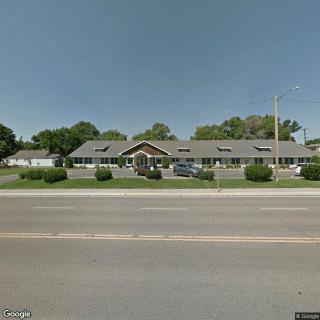
2030 North Merrill, Glendive, MT 59330
For more information about senior living options: (866) 208-4318
Overall Review of Area I Agency on Aging-ADRC
Pros
 Angie is compassionate and works hard for the people of Eastern Montana.
- They are a comprehensive community resource.
- They are very helpful.
- They are very helpful and kind there.
- They provide many great services to the communities in eastern Montana.
- People love this place and find it helpful to many people.
Cons
 They warned not to let them crack the roof to insulate, but doing so left the roof leaking two years later and the insurance claim denied, costing thousands.
- They were not trained mold professionals; paneling was used as a fix, and six months later the mold returned.
- They pressured the resident to sign off as if the work were completed.
- They couldn't get anyone from Glendive to come, leaving the resident without service.
Review
This Area I Agency on Aging-ADRC in Glendive, MT is best suited for seniors and their families who need a reliable, centralized source to navigate aging services in Eastern Montana. It functions as a lighthouse for information, referrals, and care coordination rather than a residential living option. For households weighing where to begin, this ADRC offers a trusted entry point to benefits counseling, caregiver support, options counseling, and connections to regional programs that keep older adults safely connected to community resources.
Those who may want alternatives are individuals seeking the structure and oversight of a traditional assisted living or skilled-nursing setting. If the primary need is daily on-site supervision, 24/7 staffed care, or ready-made housing with built-in medical oversight, traditional long-term care communities will likely serve better. The ADRC excels as a planning and support hub, but it does not replace the housing and daily living services found in an actual care facility.
The strongest pros center on breadth, accessibility, and local trust. Reviewers consistently describe the ADRC as a comprehensive community resource, capable of mobilizing assistance across Eastern Montana. Staff are perceived as compassionate and helpful, with specific praise directed at timely responses and the breadth of services offered. The overall sentiment highlights a credible, well-regarded organization that can demystify benefits, coordinate services, and guide families through complex arrangements. In a sparsely populated region, that level of connectivity and immediacy matters tremendously.
Where the conversation becomes nuanced, a small number of negative experiences surface in the reviews. One comment warns about a home-improvement scenario that involved roofing insulation and insurance denial, implying risks in informal repairs and claims, an important reminder to verify the reliability of any external contractors or service referrals associated with the area. Another review veers into mold and building concerns, suggesting frustration with a landlord or housing-related remediation rather than the ADRC’s direct operations. Taken together, these cautions signal that while the ADRC can point families to solid resources, the quality and reliability of outside services in a rural market require independent verification.
Despite these cautions, the core advantages of the ADRC largely offset the notable drawbacks. The agency’s central role as an information broker and planner reduces the friction of navigating benefits programs, long-term care options, and community supports. For families starting from square one, the ADRC compresses months of research into a focused, actionable path. The staff’s reputation for empathy and responsiveness translates into practical momentum: referrals that work, guidance that explains complex eligibility rules, and a map to local services that keeps aging in the home or in familiar settings whenever possible. The benefits of having a trusted regional partner who understands the landscape in rural Montana are substantial.
Actionable next steps are straightforward. Engage the ADRC early in the decision process to obtain a personalized options counseling session, benefit check, and a list of local resources for in-home care, meal programs, transportation, and caregiver support. Ask about eligibility for state and federal programs, and request clear, written referrals with contact points and timelines. Expect candid conversations about what services the ADRC can coordinate versus what must be arranged independently, and use the agency as a bridge to vetted local providers. In short, leverage the agency’s strengths to map out a realistic, efficient plan that aligns with the family’s preferred living arrangement and level of care.
The bottom line is decisive. For families in Glendive and the broader Eastern Montana area, the Area I Agency on Aging-ADRC stands out as a practical, highly capable starting point for aging-related planning. It is especially valuable for those who value a knowledgeable, compassionate guide through a complex system and who need a broad menu of community supports rather than a single housing solution. While not a substitute for an actual assisted living setting when 24/7 on-site care is required, its proven strengths, comprehensive resources, responsive staff, and strong regional reach, make it an essential first stop. Start with the ADRC, then chart a clear path to the appropriate housing option if ongoing daily care becomes necessary.
 21 resident community capacity
 Assisted Living
 Beauty salon
 Cable or satellite TV
 Dining room
 Fully furnished
 Garden
 Housekeeping services
 Kitchenette
 Move-in coordination
 Outdoor space
 Restaurant-style dining
 Small library
 Telephone
 Wi-Fi/high-speed internet available
 24-hour call system
 Activities of daily living assistance
 Assistance with bathing
 Assistance with dressing
 Assistance with transfers
 Diabetes diet
 Medication management
 Mental wellness program
 Special dietary restrictions


 Comprehensive Insights into Activities of Daily Living (ADLs) and Their Assessment
 Medicare Coverage for Assisted Living: An In-Depth Exploration
 Your Comprehensive Guide to Luxury Assisted Living: Elevated Facilities, Amenities, and Costs