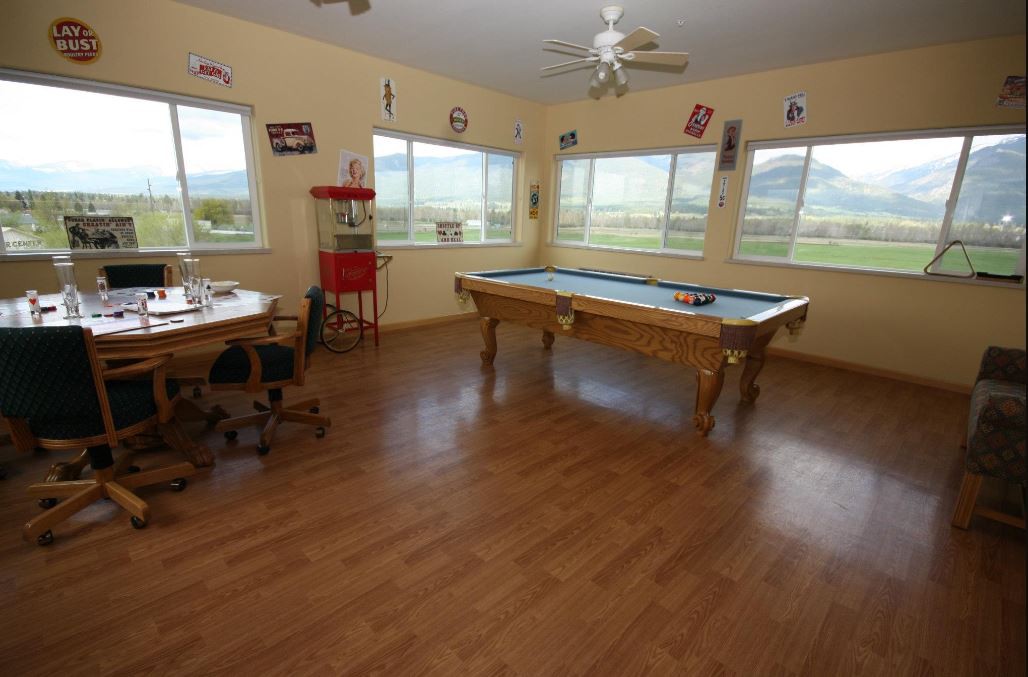
57 Main Street, Stevensville, MT 59870
For more information about senior living options: (866) 208-4318
Overall Review of The Living Centre
Pros
 The care she received was wonderful and the staff were very pleasant to deal with.
- The Living Centre looks well organized.
- The staff are very engaged, cooperative, and work hard to accommodate residents' distinct needs.
- The head chef was on-board with providing for dietary needs like gluten-free.
- The staff are highly engaged and responsive to requests for information, and their cooperation is excellent.
- The facility is clean and well maintained.
- The Living Centre is a very loving place.
- Staff work hard to make the residents happy and feel welcome.
Cons
 The management was poor.
- The Living Centre was a horrible place.
- They would never send their parents to The Living Centre, as it was a sad place and not very good.
- Arrival information was lacking; staff did not know they were coming.
- The rooms were plain and outdated, and there was no parking available.
Review
The Living Centre in Stevensville is best suited for families seeking a warm, community-focused setting where staff are consistently engaged and residents receive substantial personal attention. It works well for seniors who value daily interaction, meaningful activities, and a flexible approach to care, including accommodations for dietary restrictions such as gluten-free meals. The facility has shown compassionate reach in end-of-life contexts, with caregivers who are pleasant to work with and willing to adapt to family needs. In short, this is a place where residents tend to feel seen, supported, and part of a caring, small-town milieu rather than treated as a number.
But this is not a one-size-fits-all community. Families that prioritize a modern, upscale appearance, a highly polished admissions process, or a facility replete with high-end amenities may want to explore other options. Those who require a tightly centralized, highly structured management model or who insist on seamless, flawless operations during every visit could be better served elsewhere. For households where parking availability, room size, and a more contemporary décor significantly influence everyday comfort, alternative communities may provide clearer alignment with expectations.
The strongest positives center on the staff’s engagement and the strong, familial atmosphere. Residents benefit from meaningful one-on-one time, a steady stream of activities, and a kitchen that can tailor meals to dietary needs, illustrated by positive notes about accommodating a gluten-free diet. Family members repeatedly describe management as approachable and cooperative, with staff striving to meet individual requests and to maintain open channels of communication. In practice, these elements translate into a sense of welcome and steady daily rhythm that can make transitions easier for both residents and their families, particularly for those drawn to a home-like environment over institutional polish.
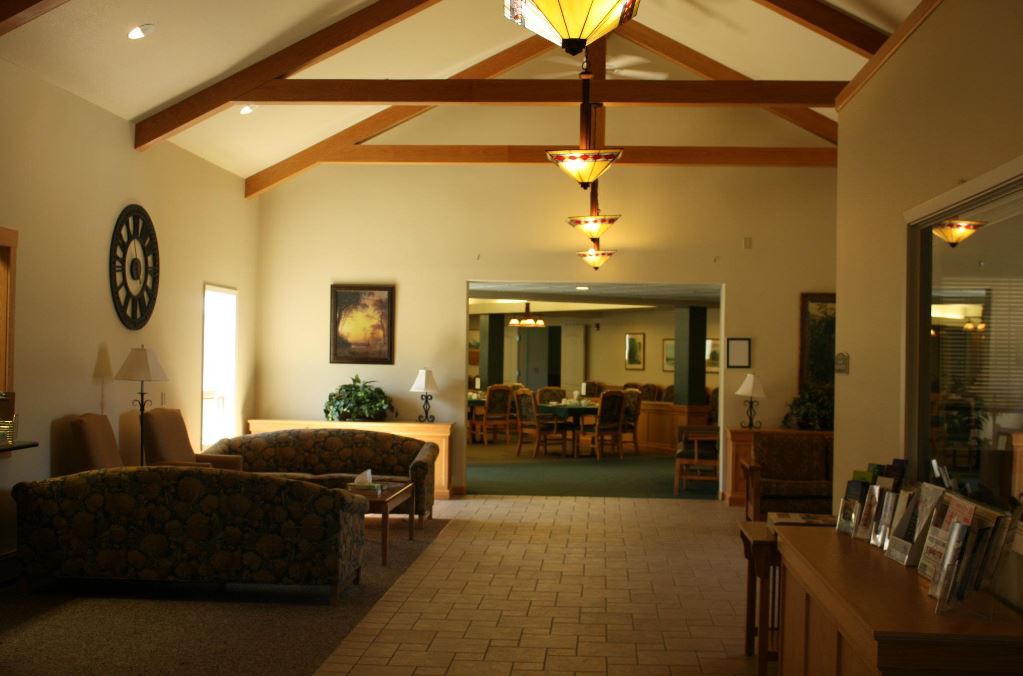
However, several reviews flag notable drawbacks that potential movers should weigh carefully. A minority of accounts describe “poor management” or a sense that administrative systems can be inconsistent, especially around admissions and on-the-spot logistics. The physical setting is repeatedly described as older and plain, with rooms that are studio-sized and more functional than luxurious. The décor and amenities are modest, and some tours leave the impression that the place lacks “bells and whistles.” Parking shortages also surface as a practical friction point, impacting family visits and ease of bringing in belongings or arranging transportation. Taken together, these factors can dampen first impressions and complicate day-to-day arrangements for some families.
From a practical decision-making perspective, it is essential to visit with a focused checklist: observe the care cadence and staff texture during a tour, speak candidly with leadership about admissions and care planning, and compare perceived value against contemporaries with newer facilities. Verify current staffing ratios, discuss the availability of hospice or palliative support, and confirm parking logistics, room sizes, and potential upgrades or renovations. For families where memory care, mobility needs, or medical oversight are critical, obtain explicit confirmations about the level of care available and any specialty services on site. The goal is to assess whether the day-to-day warmth and responsiveness can consistently compensate for the facility’s older frame and occasional administrative hiccups.
In the end, The Living Centre delivers a dependable, caregiver-first environment that many families will value deeply. The strengths, genuine staff engagement, personal attention, and a welcoming, home-like culture, often offset the drawbacks of an older, simpler facility and the occasional administrative rough patch. For those who prize human connection, predictable routines, and the comfort of a close-knit community, this is a solid, trustworthy choice. For families who equate quality with modern amenities, higher-end presentation, and a flawless, faultless admissions process, exploring alternatives with newer interiors and stronger centralized management will likely yield a better fit. The choice hinges on whether care warmth and community outweigh the appeal of contemporary polish and convenience.
 50 resident community capacity
 1-bedroom apartments
 Continuing Care Retirement Community (CCRC)
 Skilled Nursing Facility
 Beauty salon
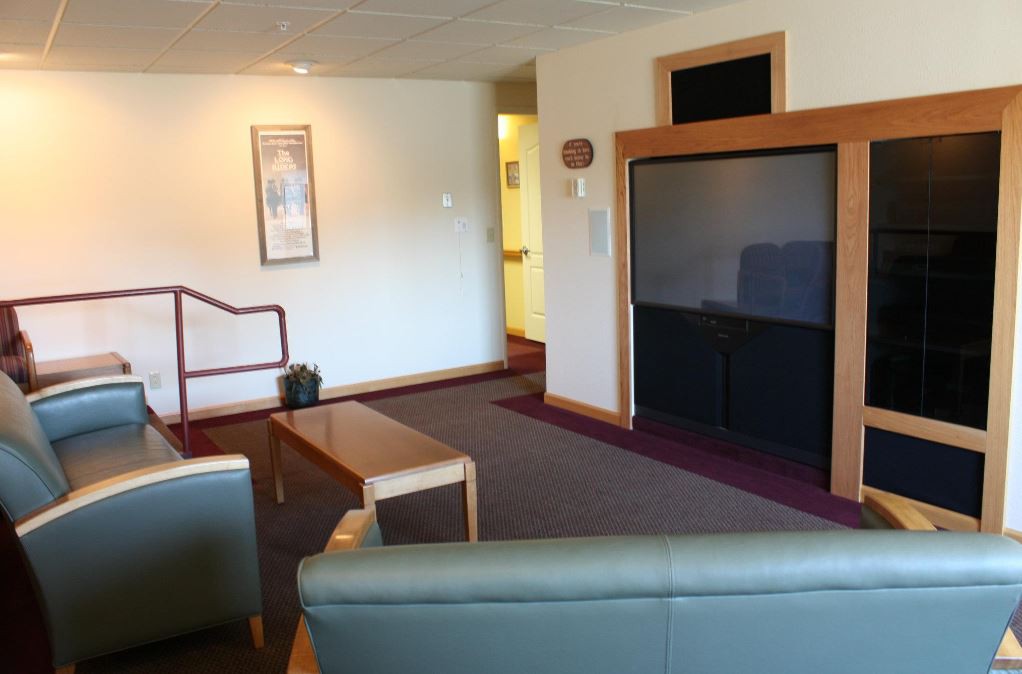
 Cable or satellite TV
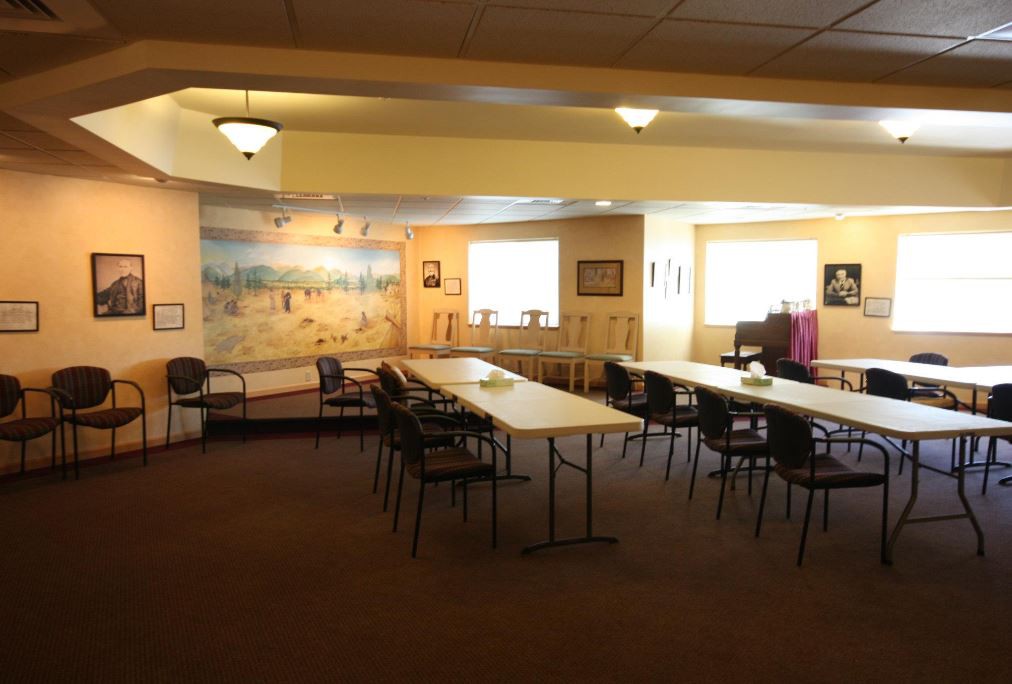
 Dining room
 Fully furnished
 Garden
 Housekeeping services
 Kitchenette
 Move-in coordination
 Outdoor space
 Restaurant-style dining
 Small library
 Telephone
 Wi-Fi/high-speed internet available
 24-hour call system
 Activities of daily living assistance
 Assistance with bathing
 Assistance with dressing
 Assistance with transfers
 Diabetes diet
 Medication management
 Mental wellness program
 Special dietary restrictions







 Financing Long-Term Nursing Home Care Through Social Security: A Thorough Exploration
 Essential Knowledge on Pneumonia in Older Adults
 Exploring Palliative Care in the Home: A Comprehensive Overview