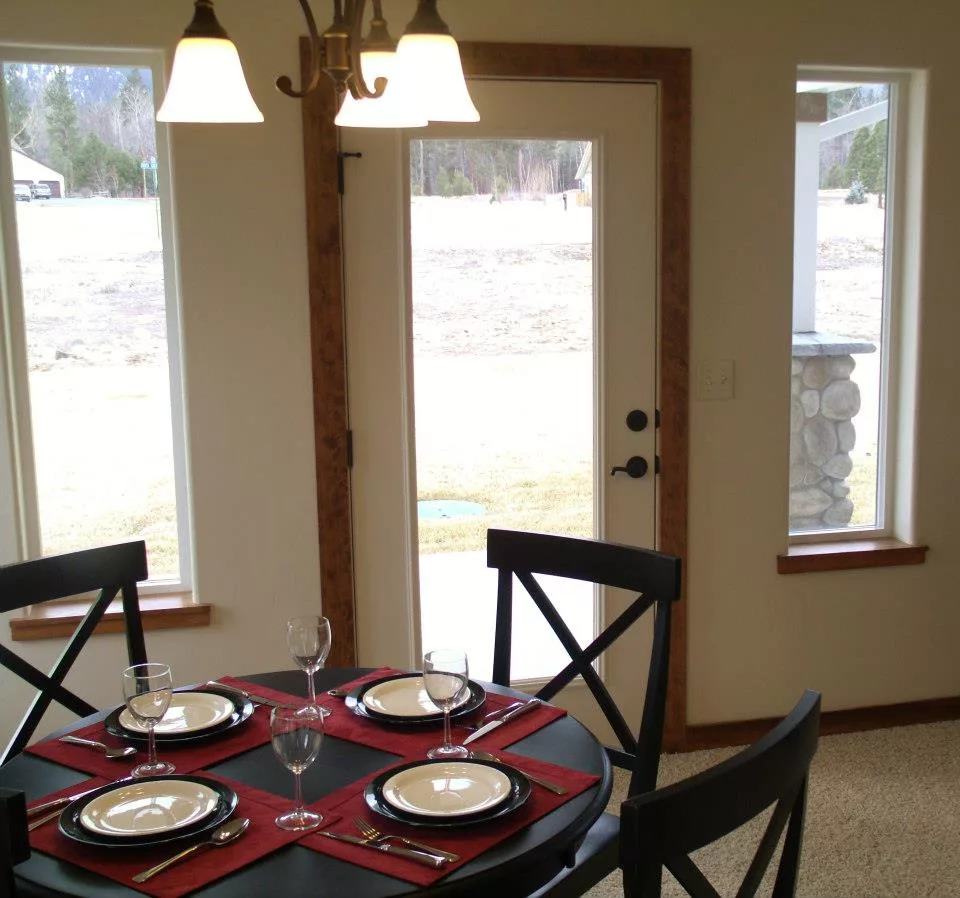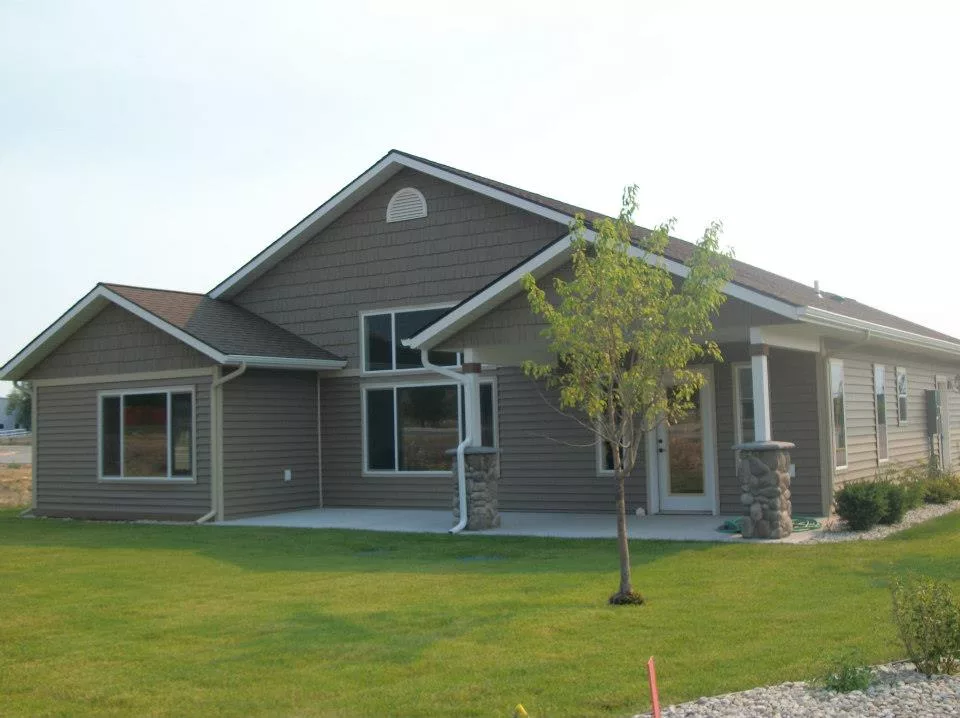
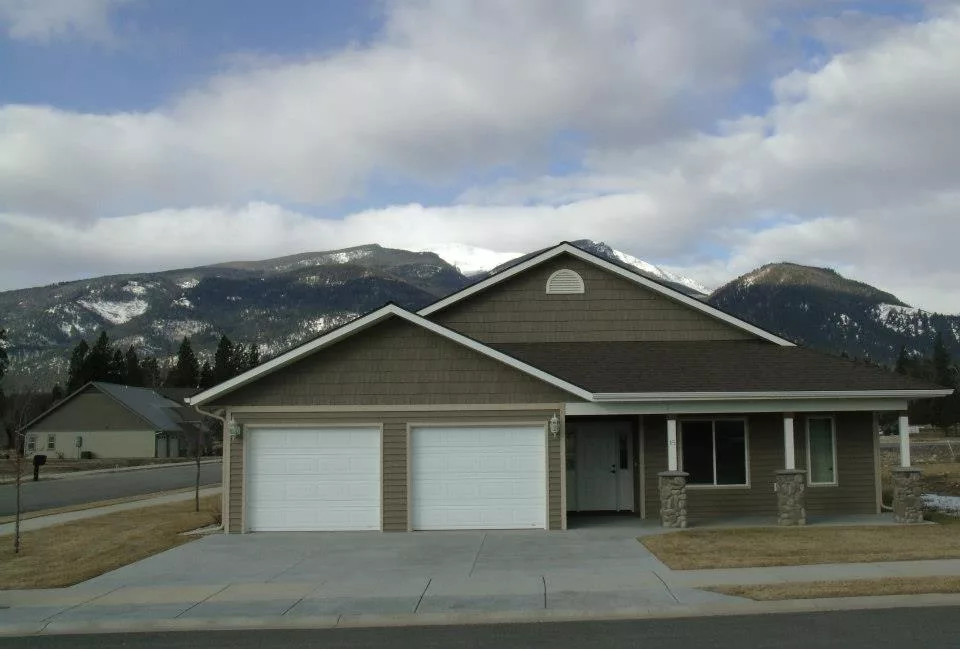
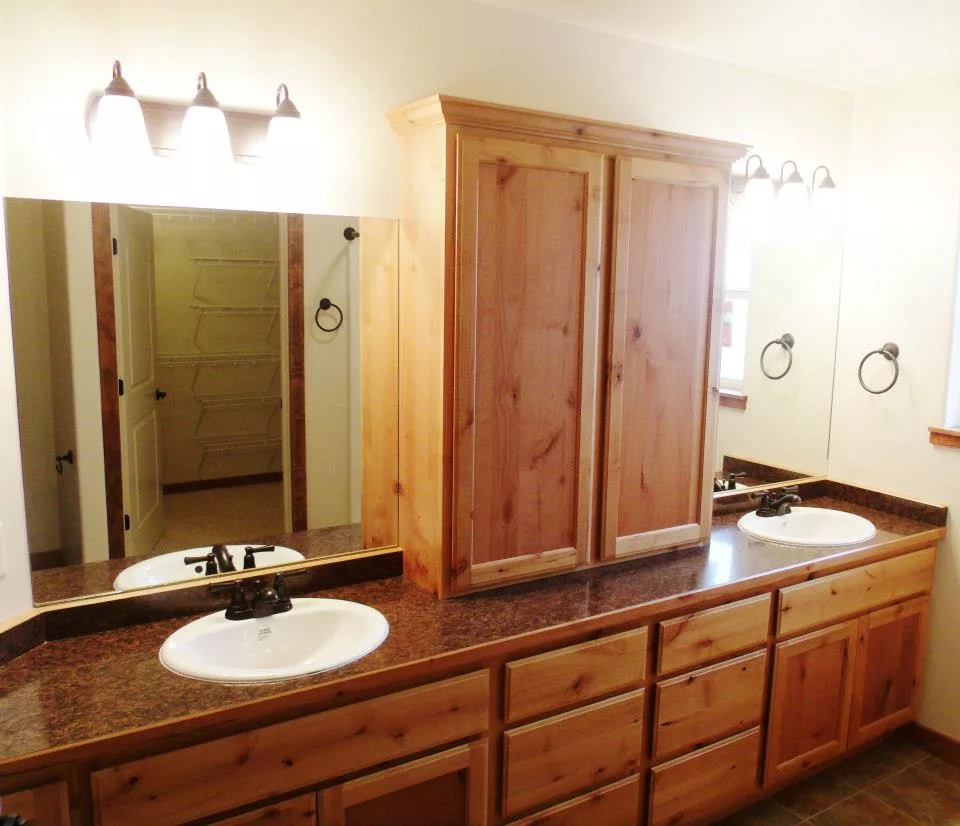
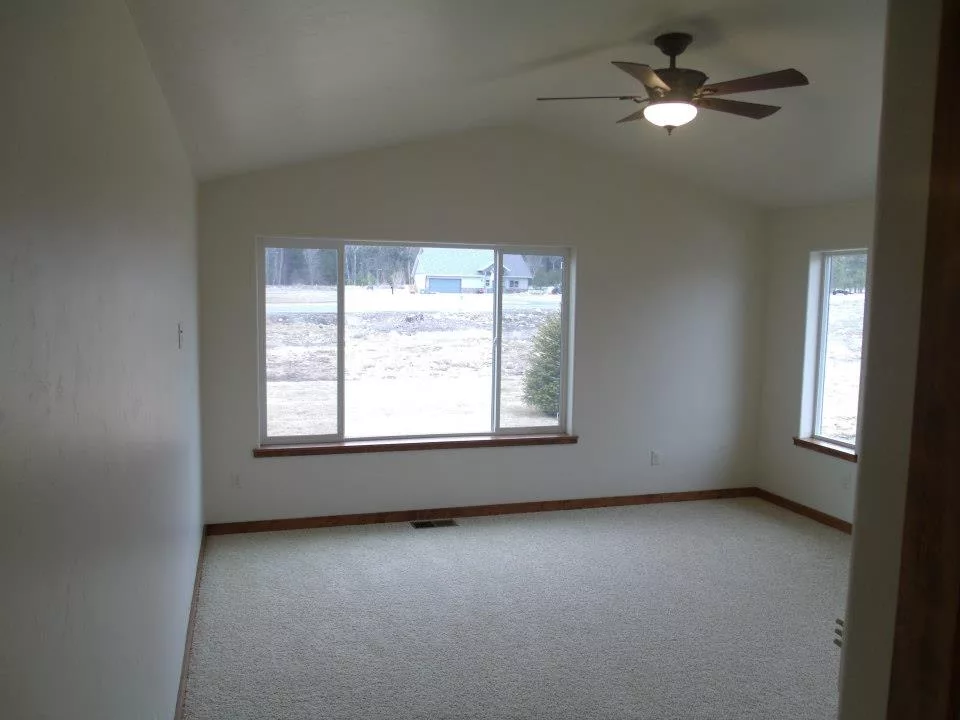
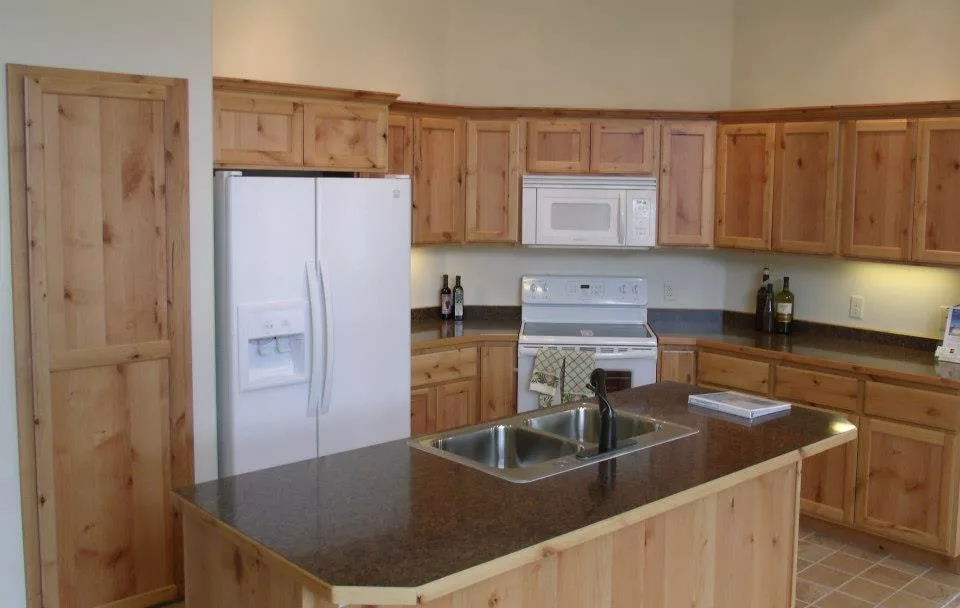




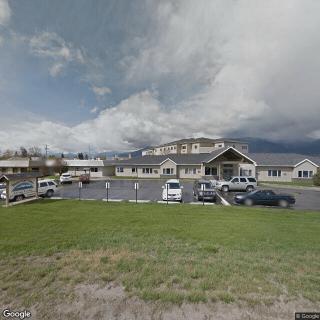
43 Clubhouse Way, Stevensville, MT 59870
For more information about senior living options: (866) 208-4318
Overall Review of Kootenai Creek Village
Pros
 Kootenai Creek Village is a lovely, secure, gated community in the Bitterroot Valley.
- The HOA provides comprehensive services, including lawn care, watering, snow removal, septic and drinking water, and road maintenance.
- The community is buffered by a riparian area and Kootenai Creek, offering wildlife and wildflowers.
- Homeowners enjoy walking trails and common-area amenities like a gazebo, BBQ, fire pit, lawn swings, and ponds.
- The Community Center features a full kitchen and a workout room with a variety of exercise machines.
- The developer and team are professional and hardworking, delivering quality homes and a high quality of life that residents would be proud to live in.
Cons
 The reviewer notes bad vibes and describes the covenants as strict.
- The reviewer mentions that the builder is leaving.
- It is noted that the community is on private property, so residents must pay for road maintenance, the water well, and the drain field.
- HOA dues are almost $300 per month and are expected to increase.
Review
Kootenai Creek Village is best suited for active retirees or couples who want a secure, amenity-rich, maintenance-light lifestyle in a quiet valley setting. The community delivers the practical mix of a gated, low-hassle environment with established common spaces, easy access to walking trails, and a social backbone that keeps neighbors connected. Prospective residents who value nature, bird life, riparian scenery, and wildlife, along with the reassurance of a close-knit, well-managed neighborhood will find the arrangement appealing. In short, it fits buyers who seek predictable upkeep through a robust HOA framework without surrendering access to community amenities or proximity to Stevensville’s clinics, shops, and dining.
Those weighing alternatives should consider who may be better off elsewhere. Families who want maximum budget predictability without embedded private-property costs may prefer a community where road maintenance, water, drain fields, and septic are not borne by homeowners. Individuals who prize total architectural or covenant freedom, and who perceive strict rules as limiting, may find the covenant framework constraining. And for buyers who require near-term, heavy medical facilities, or who want a more urban or ultra-convenient location, the semi-rural feel paired with private-property responsibilities could feel distant from needed services. The notes about a “builder leaving” and ongoing covenant enforcement also introduce a risk profile that some buyers will want to avoid.
The strongest upside rests on the practical benefits that offset the cons. The HOA structure takes a meaningful bite out of day-to-day upkeep, with monthly dues covering lawn care, irrigation, weed control, snow removal, and road maintenance, plus management of septic and drinking water. That creates a predictable monthly burden and reduces personal maintenance headaches for residents. Add in the security of a gated community, the sense of safety that comes with neighborhood patrol of common areas, and a built-in social ecosystem, community center amenities, a full kitchen, a workout room, and ongoing activities, and it becomes easy to see why many retirees value the lifestyle here. The setting also earns points: a tranquil Bitterroot Valley location buffered by wildlife habitats and a short drive to shopping, medical care, and casual dining.
However, the main drawbacks are not trivial. The covenants are consistently described as strict, which can feel limiting to homeowners who want to customize or expand their property without friction. Private property costs, road maintenance, water, drain field, septic, are folded into the finances, and HOA dues are already approaching $300 per month with an expectation of future increases. That combination can significantly alter long-term affordability and may make this option less attractive for buyers seeking every-dollar predictability. A perception of “bad vibes” tied to governance or turnover around the builder late in the process can also color first impressions and warrants careful vetting through documents and resident conversations before committing.
This is not a one-size-fits-all decision; it hinges on tolerance for rules, ongoing fees, and the value placed on shaded, communal living. For families prioritizing security, social engagement, and a lifestyle anchored by natural beauty and nearby urban conveniences, the offsetting factors materially outweigh the downsides. The quality of homes and the developer’s professional track record, paired with a community that actively cultivates neighborly ties and ongoing activities, bolster long-term satisfaction. The caveat is clear: the budget must accommodate rising dues and the private-cost structure, and due diligence is essential to avoid surprises tied to covenants or infrastructure obligations.
The bottom line is pragmatic: Kootenai Creek Village serves as a compelling choice for those who want a well-built, socially vibrant, nature-forward retirement setting with predictable maintenance under an HOA umbrella. It is less suitable for buyers who demand控 greater financial flexibility, minimal governance constraints, or proximity to intensive medical facilities in an urban core. Before moving forward, prospective residents should read the HOA and covenant documents in full, quantify long-term costs against available alternatives, and have candid discussions with current homeowners about the practical implications of private-property fees and future dues. If these conditions align, the community offers a balanced, durable path to a fulfilling, active retirement in Stevensville.
 6 resident community capacity
 Active Adult Communities (55+)
 Housekeeping services
 Telephone
 Wi-Fi/high-speed internet available
 Assistance with dressing
 Meal preparation and service
 Medication management
 Diabetes diet
 Special dietary restrictions




 Home Health Care Aides: Understanding Their Role and Supporting Your Family
 Urinary Tract Infections in Older Adults: Comprehensive Insights on Symptoms, Treatment, and Prevention
 California's Form 602A: An In-Depth Examination of Senior Care Assessment