
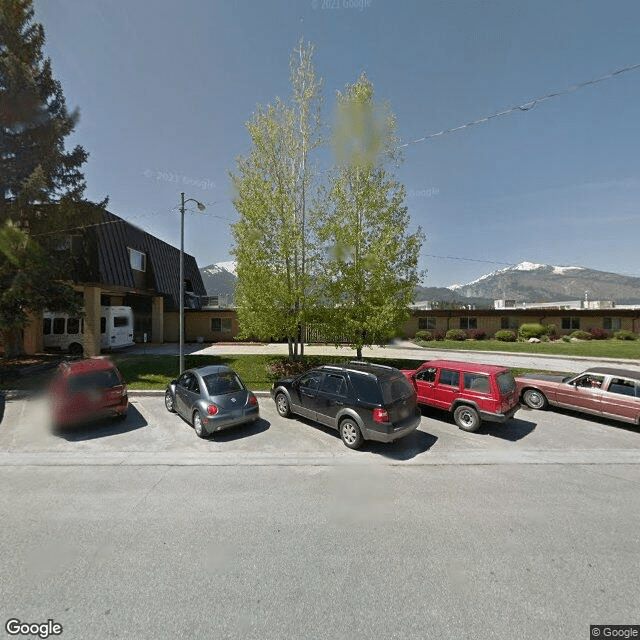
225 N 8th St, Hamilton, MT 59840
To contact a resident: (406) 363-1144
For more information about senior living options: (866) 208-4318
Valley View Estates Nursing Home Costs & Pricing
Valley View Estates Nursing Home offers a competitive pricing structure for its semi-private rooms, with a monthly cost of $3,360. This rate is notably lower than both the average costs in Ravalli County, which stand at $3,980, and the statewide average for Montana at $3,874. By choosing Valley View Estates, residents benefit from more affordable care options while still receiving quality services that prioritize their comfort and well-being. This pricing strategy not only makes it an appealing choice for families seeking long-term care solutions but also reflects a commitment to accessible healthcare within the community.
| Floor plans | Valley View Estates Nursing Home | Ravalli County | Montana |
|---|---|---|---|
| Semi-Private | $3,360 | $3,980 | $3,874 |
Overall Review of Valley View Estates Nursing Home
Pros
 The staff are friendly and caring.
- The team is kind and helpful to residents and visitors.
- Emily Young and Ashley are fantastic and very helpful.
- The nurses and staff are consistently kind and helpful.
- The facility has wonderful, caring staff.
- Great staff contribute to happy residents.
- Emily Young's assistance made the move to Valley View easier.
Cons
 Staffing is in short supply due to the pandemic shutdown and rising costs.
Review
Valley View Estates Nursing Home in Hamilton, MT is best suited for seniors who need skilled nursing care and memory support, and for families who want a caregiving culture that emphasizes warmth and accessibility. The community’s Alzheimer’s unit is a meaningful plus for loved ones facing dementia, and the staff’s demonstrated attentiveness during visits and transitions stands out. Look for a facility where moves are eased by proactive, personable team members, as several families have experienced; the positive reception from nurses and aides, described repeatedly as kind, helpful, and genuinely caring, helps both residents and their relatives feel secure from day one.
Not every family will be a perfect fit here. Those who must rely on consistently high staffing ratios across all shifts or who operate on tight budget constraints may want to compare alternatives. Reviews acknowledge staffing pressures tied to broader national trends and rising costs, suggesting that occasional gaps can appear. While the overall experience is strong, the variability in ratings across the 23 reviews signals that some days may feel more seamless than others. Families prioritizing maximum staffing certainty or a broader clinical menu might want to sift options that promise steadier coverage or lower cost.
The community’s core strengths clearly offset the notable cons for most residents. A caring, approachable staff is repeatedly linked to meaningful daily life, vital for comfort, safety, and overall happiness. The Alzheimer’s unit adds a critical dimension for memory-care families, with the implication that staff receive specialized training and resident routines can be tailored to dementia needs. Move-in experiences are described as smoother when supported by proactive team members; in one standout case, Emily Young’s assistance made the transition notably easier, underscoring how individual staff leadership can shape outcomes for families during stressful times. In short, the people who show up day-to-day are the primary driver of value here.
What matters most in a decision like this is how the positives translate into real-life stability. The consistently favorable feedback about nurses and staff suggests reliable day-to-day care and a responsive environment for routine needs, while the presence of an Alzheimer's unit signals depth in dementia care that many families prize. The practical side, ease of transition, visitor-friendly interactions, and the sense that staff genuinely cares, helps families feel confident that their loved one will be seen, heard, and attended to. The caveat is that staffing pressures can surface at times, which reinforces the need for prospective residents to ask point-blank about current staffing patterns, call-back times, and how shifts are balanced, so expectations align with ongoing operations.
For families evaluating options, a deliberate, experiential approach pays off. Schedule a tour and plan conversations with the admissions team, and specifically request a chance to meet front-line responders who interact with residents daily. If memory care is a factor, ask to tour the Alzheimer’s unit and inquire about staff training, activity programming, and how behavioral needs are managed. Bring up transition support, stories about Emily and Ashley indicate that personal advocates within the staff can make a significant difference when a loved one is adjusting. Finally, discuss financials openly: what is included in the rate, what costs might arise, and whether respite or short-term stays could be a practical bridge during a move.
Overall, Valley View Estates Nursing Home stands out for families seeking skilled nursing with a proven, compassionate staff and a dedicated dementia care option. It rates strong overall, with many residents thriving under attentive care and meaningful staff relationships. The key decision hinges on personal tolerance for staffing variability and budget realities versus the value of an established memory-care environment and the reassurance that comes from staff who are repeatedly described as fantastic. For those whose priority is a warm, engaged caregiving culture with ready access to dementia-focused services, this community is a compelling choice. Those who need near-perfect staffing consistency or tighter affordability may want to survey a few alternatives before committing.
 Skilled Nursing Facility
 Fecal Incontinence in Older Adults: A Comprehensive Guide
 Recognizing the Journey: Understanding and Navigating Anticipatory Grief
 Encouraging Participation in Adult Day Care: A Guide to Supporting a Hesitant Parent