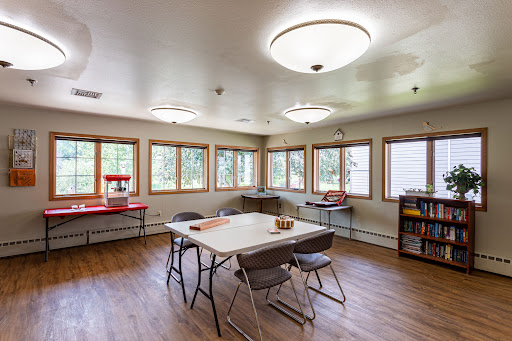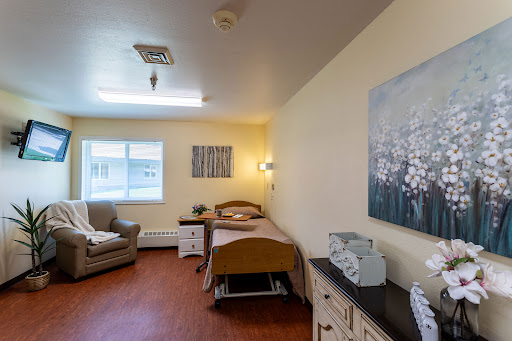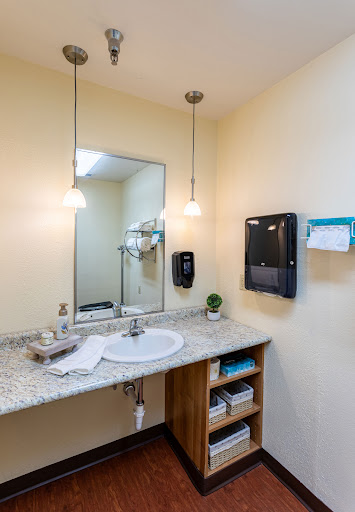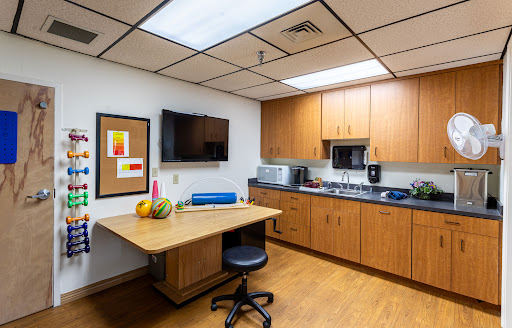
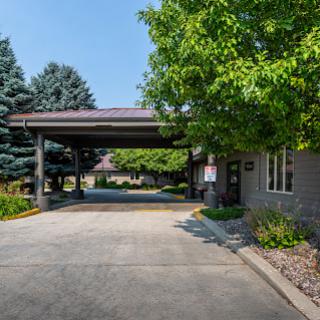

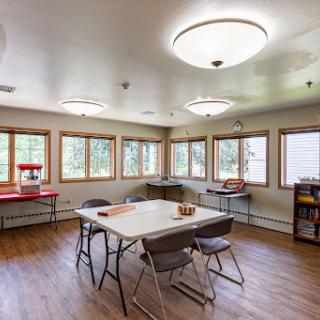
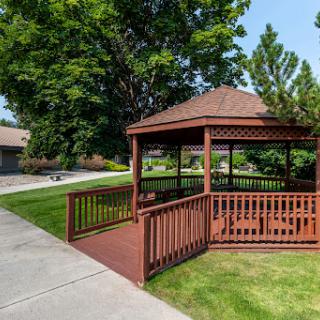
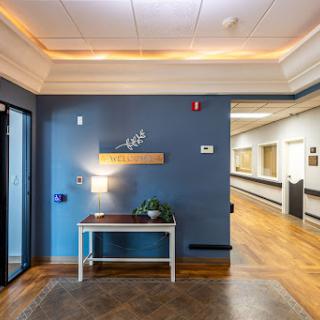
601 North 10th Street, Hamilton, MT 59840
For more information about senior living options: (866) 208-4318
Overall Review of Discovery Care Centre
Pros
 Discovery Care Center in Hamilton, Montana is described as the best place to stay and recuperate, with staff who have hearts of gold and genuine care for residents.
- The staff at Discovery Care Center are consistently kind, professional, and compassionate across all shifts.
- CNAs are wonderful to residents and diligently meet their needs.
- The facility was praised for kindness and professionalism during recovery, with nurses especially attentive.
- Families are offered dignity during difficult times, such as when a loved one passes.
- Personal care in the wing is provided with attentive care.
Cons
 The reviewer would give 0 stars to the facility.
- They would not place a loved one there unless there had been a complete overhaul of the system.
- Staff shortages leave little time for anything beyond basic tasks like dressing, meds, food, or toileting.
- The facility had bed bugs, was filthy and disgusting, and not recommended for any family member to stay there.
- The mother fell six times and staff never called.
- The reviewer claimed the facility was holding a mother hostage and restricting visiting during hospice.
- They would strongly advise against putting loved ones here.
- Management was described as horrible and neglectful, including a theft of a grandfather, a fire near oxygen tanks, and a denial of a fire extinguisher; the new manager posts passive-aggressive comments and does nothing substantive.
- The application process was disrespectful, and the facility was labeled as corrupt and trash on a budget.
- Mold was found along the wall and painted over; baths were infrequent (about once every three weeks).
- Daytime aides were described as extremely rough.
Review
Discovery Care Centre in Hamilton, MT is best suited for families that want a small, person-focused environment where frontline caregivers deliver tangible daily support and real warmth. It works for residents who prize direct, hands-on care from aides and nurses, especially when recovery after an injury or surgery, or dignified end-of-life care, is the priority. In this setting, everyday tasks, dressing, medication administration, meals, and basic hygiene, tend to receive consistent attention, and moments of genuine kindness from staff are repeatedly noted. It is not the obvious choice for families seeking flawless operation, rigorous safety protocols, or flawless cleanliness on every shift.
On the positive side, the strongest asset across reviews is the frontline caregiving team. The CNAs and nurses are described as compassionate, patient, and genuinely caring, with several accounts praising the way staff across all shifts maintain a humane, supportive atmosphere. When care is needed, residents and families report that staff strive to meet needs with kindness and professionalism, and that the staff’s personal warmth can make recovery or a difficult stay more bearable. For those prioritizing personal interaction and a supportive, approachable staff, Discovery shines where it matters most: human connection and attentive daily care.
But the bottom-line realities in multiple accounts are hard to ignore. Persistent concerns about staffing levels and time constraints suggest that when the moment requires extra time, talk, social engagement, additional personal care, there simply isn’t enough bandwidth. Several reviews describe conditions that feel neglected beyond the basics: infrequent baths, limited attention to comfort, and a sense that safety and housekeeping are not reliably supervised. The reputation for cleanliness and pest control is troubling in several reports, including bed bugs and mold-related issues, and there are longstanding complaints about management, including perceived priority given to budgetary concerns over resident well-being. Taken together, these issues cast a long shadow over otherwise strong interpersonal care.
The key trade-off becomes clear: the genuine kindness and hands-on care delivered by front-line staff can substantially improve a resident’s day-to-day experience, particularly during recovery or when dignity is paramount. However, those goodwill elements do not fully offset recurrent red flags around safety, cleanliness, and administrative responsiveness. When falls occur, when baths go missing, or when maintenance and pest control concerns go unaddressed, the risk profile shifts decisively. In practice, the personal warmth of caregivers can protect against some frustration, but it cannot substitute for consistent systems, reliable oversight, and a clean, safe environment. Families should weigh whether they can tolerate a facility where care quality is uneven and some operational issues recur.
For families weighing alternatives, the message is clear: if safety, predictability, and uncompromising cleanliness are non-negotiable, or if falls, delays in vital care, or questionable infection control are feared, it is prudent to explore other options. Discovery may still be suitable for residents who respond well to warm, attentive aides and nurses, who need a compassionate atmosphere for short-term recovery, or who value a home-like vibe where staff know residents by name. But the contrasts in reviews suggest a need for careful due diligence before committing long-term: request a current, transparent tour focused on staffing levels, fall-prevention strategies, bathing schedules, housekeeping routines, and pest control records; ask to speak with current residents and families about daily life, and verify regulatory compliance history.
In the end, the decision hinges on balance and risk tolerance. Discovery Care Centre delivers undeniable warmth and personal attention from frontline caregivers, which can be transformative for recovery and end-of-life moments. Yet the weight of outstanding safety concerns, cleanliness questions, and management critiques makes it essential to scrutinize operational stability before choosing this community. If a family can secure clear assurances on staffing consistency, rigorous cleanliness and pest control, and proactive incident response, Discovery can be a viable, compassionate option. If not, the prudent path is to continue the search until a setting with steadier oversight and uncompromising safety standards is found.
 58 resident community capacity
 Memory Care
 Skilled Nursing Facility
 Air-conditioning
 Beauty salon
 Cable or satellite TV
 Computer center
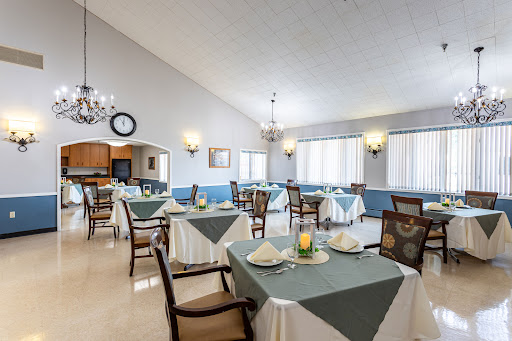
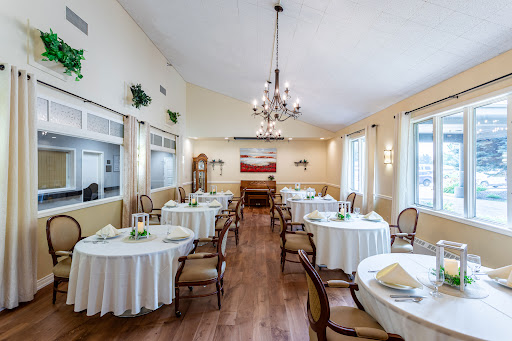
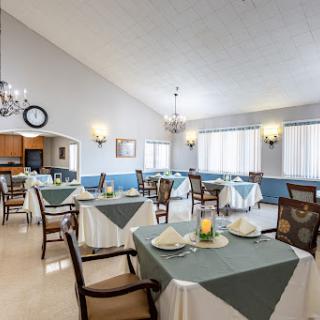
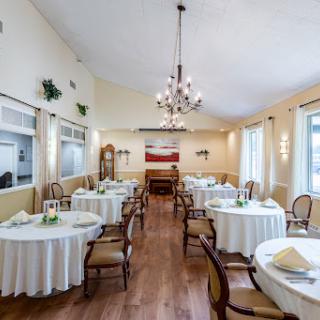
 Dining room
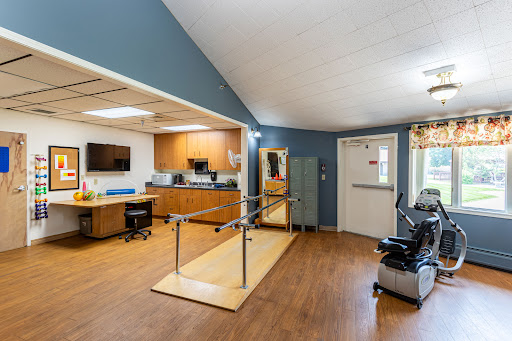
 Fitness room
 Fully furnished
 Gaming room
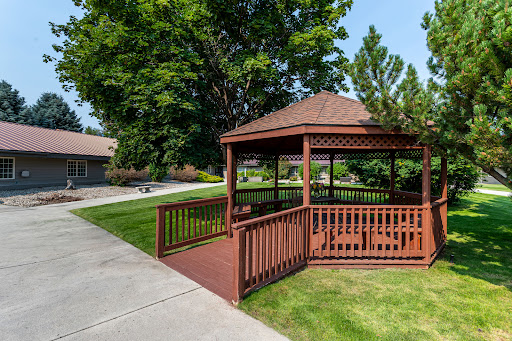
 Garden
 Housekeeping services
 Kitchenette
 Move-in coordination
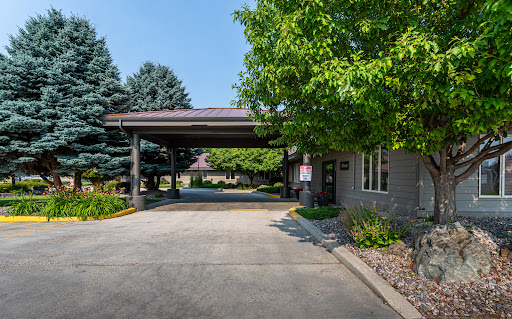
 Outdoor space
 Private bathrooms
 Restaurant-style dining
 Small library
 Telephone
 Wellness center
 Wi-Fi/high-speed internet available
 Community operated transportation
 12-16 hour nursing
 24-hour call system
 Activities of daily living assistance
 Assistance with bathing
 Assistance with dressing
 Assistance with transfers
 Diabetes diet
 Medication management
 Mental wellness program
 Special dietary restrictions
 Concierge services
 Planned day trips

 When Dementia Sparks Anger and Aggression: Understanding the Connection and Ways to Cope
 Dementia Behaviors: In-Depth Understanding and Effective Coping Strategies
 5 Early Indicators of Dementia and What You Can Do