
324 West 5Th Street, Washington, MO 63090
For more information about senior living options: (866) 208-4318
Overall Review of Cedarcrest Manor
Pros
 The staff has been great.
- Cedarcrest has a very caring staff that goes above and beyond for residents.
- Cedarcrest has an excellent therapy department and rehab-to-home program.
- The facility honors military veterans through plaques and the Honor Flight program.
- Cedarcrest Manor is a warm and friendly long-term care facility with kind and caring staff.
- The place feels like a family, with seven days of activities in the main area and the special care unit.
- Some employees have worked there for many years.
Cons
 The staff are disrespectful to residents.
- The facility should be shut down.
- The back entrance smells of urine.
- The facility looks clean but is not very stylish.
- There are no activities for the residents.
- Residents just sit around in wheelchairs.
- The place is awful.
- The food is not very tasty.
- The 6 AM lawn mowing on Fridays is disruptive.
Review
Cedarcrest Manor in Washington, Missouri is best suited for families prioritizing hands-on rehabilitation and a warm, family-like atmosphere over pristine aesthetics. The community tends to attract residents who want consistent, attentive therapy and a facility that honors veterans, with a willingness to accept some variability in daily routines. It is a place where staff relationships can feel personal, and where seven-day activity programming exists in both the main area and a special care unit. For short-term rehab with a path back home, Cedarcrest can be a solid match; for those seeking an upscale, impeccably polished environment, other options may fit better.
The strongest advantages lie in the people and the therapy pathway. Reviews repeatedly praise a caring staff who go above and beyond for residents, paired with a robust therapy department that supports rehabilitation and a clear route back to independence. Veteran recognition adds meaningful dignity, with plaques and honor flight program references that matter to families seeking purpose and respect in daily life. The facility is described as warm and friendly, with some long-tenured employees contributing to continuity of care, and a seven-days-a-week activity rhythm that spans the main area and the special care unit.
Yet several voices raise red flags that cannot be ignored. A portion of reviewers describe disrespectful conduct by certain staff and raise concerns about safety and dignity, including a report of rough handling by a nurse in one case resulting in bruising. Odors at entry points, notably a urine-like smell near the back doors, color is perceptions of hygiene. Some residents appear to have limited engagement during the day, with critics citing sparse activities, while others note mediocre or inconsistent dining experiences. The environment is described by a few as modest rather than stylish, and even the early-morning lawn maintenance drew complaints from families seeking a quieter routine.
The positives and negatives create a nuanced balance. The dedicated therapy and rehab services are a real asset for families prioritizing mobility restoration and safe discharge home, and the veteran-focused culture adds meaningful purpose to daily life. However, the safety concerns, occasional rough treatment, and perceived gaps in programming and dining quality weigh heavily, especially for long-term residents who depend on steady, respectful care. In practical terms, Cedarcrest Manor can deliver the rehab results and the sense of community that many families want, but it may fall short for those who require consistently flawless care, predictable routines, and a polished environment every day.
Alternatives deserve consideration for families who place a premium on unwavering staff professionalism, consistently engaging activities, and a more refined setting. Prospective residents should compare staffing stability, incident histories, and resident satisfaction with hard questions about training and accountability. If ongoing care with rich social programming and high expectations for respectful interaction is the goal, there may be better fits elsewhere. The decision should pivot on the resident’s rehab needs, tolerance for variability, and comfort with the facility’s veteran-centered ethos.
Ultimately, the prudent step is an in-person evaluation with targeted questions: request the latest therapy outcomes, review activity calendars and menus, and speak with multiple staff members and residents or family representatives. Gather contemporary insights on how concerns are addressed and what steps are taken to prevent recurrence. Weigh Cedarcrest Manor’s strength in rehabilitative care and community warmth against its safety and consistency concerns, then align the choice with what matters most in the care journey. If the overall picture remains mixed, continue exploring options that offer steadier professionalism, stronger day-to-day reliability, and a more uniformly polished environment.
 177 resident community capacity
 Skilled Nursing Facility
 Air-conditioning
 Beauty salon
 Cable or satellite TV
 Computer center
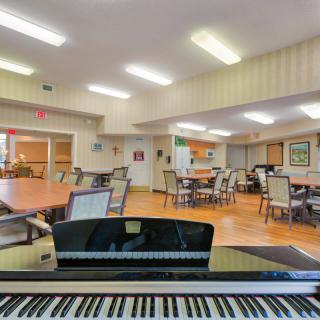
 Dining room
 Fitness room
 Fully furnished
 Gaming room
 Garden
 Housekeeping services
 Kitchenette
 Move-in coordination
 Outdoor space
 Private bathrooms
 Restaurant-style dining
 Small library
 Telephone
 Wellness center
 Wi-Fi/high-speed internet available
 Community operated transportation
 24-hour call system
 Activities of daily living assistance
 Assistance with bathing
 Assistance with dressing
 Assistance with transfers
 Diabetes diet
 Medication management
 Special dietary restrictions
 Concierge services
 Planned day trips






 Encouraging Participation in Adult Day Care: A Guide to Supporting a Hesitant Parent
 Comprehensive Exploration of Living Wills and Other Advance Directives
 A Detailed Exploration of Living Wills and Advance Directives