
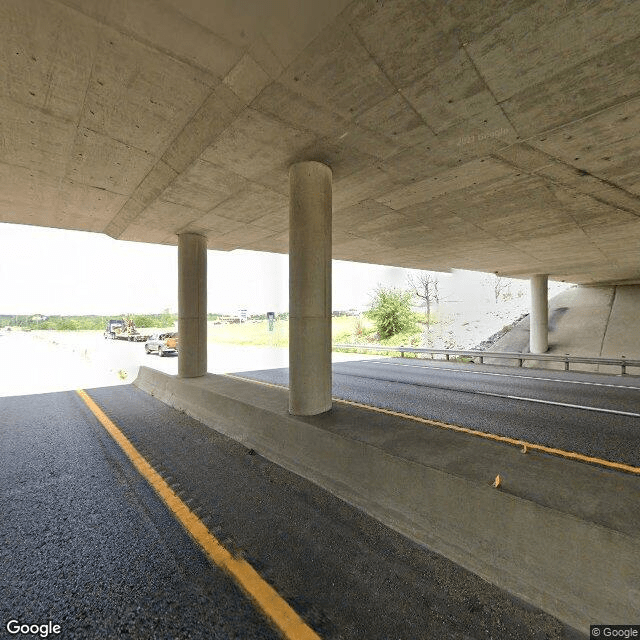
PO Box 280, Warrenton, MO 63383
To contact a resident: (636) 456-8700
For more information about senior living options: (866) 208-4318
Overall Review of Warrenton Nursing Rehab Ctr
Pros
 The staff have positive attitudes and provide attentive care.
- The nursing staff is amazing and keeps families informed about residents.
- Jenny Brown goes above and beyond to ensure residents are cared for.
- The facility provides quality care and makes residents feel at home.
- It is an amazing place for loved ones.
- Residents receive excellent care from day one and the staff are wonderful and responsive.
- The caregivers show kindness and patience toward patients.
- Grandfather is doing great under their care.
Cons
 They describe Warrenton Manor as a horrible place to leave a loved one, saying they’d be better off at home.
- They allege staff ignored call lights, leaving a resident in 40-degree weather without blankets, leading to pneumonia.
- They claim there is only one staff member for about 40 residents on the floor, making proper care impossible.
- They call the facility a “death trap” where their father was neglected and effectively starved.
- They accuse a staff member of going through their loved one’s belongings without permission and packing away what they wanted.
- They say residents were doped up and bruised after falls, with insufficient staff especially on weekends and evenings.
- They warn others not to put their loved ones in Warrenton Manor, calling the place untrustworthy and uncaring.
- They describe the staff as lazy, failing to check on residents or provide basic communication like phone access.
- They claim the facility is not secure and could be deadly if someone escaped.
- They state Warrenton Manor should be shut down and does not deserve any stars.
Review
This Warrenton facility is best suited for families who can stay actively involved and value a hands-on, personal approach to care. It works for seniors who respond well to regular staff interactions and to a social-work team that coordinates and advocates for their loved ones. For residents with dementia, a close-knit setting where frontline caregivers and the designated social worker are accessible can deliver a semblance of home life and daily reassurance. However, those needing ironclad supervision, a tightly controlled environment, or a secure, purpose-built memory-care unit may want to consider alternatives. The reality is that the care experience at this campus is highly variable, and families should align their expectations with how reliably staffing and safety can be maintained.
On the plus side, several reviews highlight genuinely caring attitudes among staff and a willingness to communicate with families. The social worker, often singled out for going “above and beyond”, is a recurring beacon of support, with families noting timely updates and active involvement in arranging care. For residents who benefit from a friendly, approachable team, the atmosphere can feel respectful and respectful-to-family in a way that makes a challenging transition more bearable. When things click, residents and relatives alike describe moments of real warmth, and the facility’s small-town feel can translate into a sense of belonging and daily reassurance that someone is looking out for the person in the chair by the bed.
Yet the most consequential thread running through the feedback is the persistence of serious safety and care gaps that some families experienced as life-altering. Claims range from missed call lights and delayed assistance to frightening episodes where a resident was left without adequate comfort or monitoring, sometimes in cold rooms or without proper coverings. Several accounts allege a failure to provide prescribed therapy or timely medical attention, with at least one family describing a rapid decline tied to perceived neglect. The most disturbing anecdotes describe understaffing on weekends and evenings, with critics arguing that one caregiver cannot safely supervise dozens of residents. Others recount unsettling episodes of belongings being moved or packed without consent, and families questioning how well the facility maintains privacy and dignity in care transitions.
These contrasts matter deeply in a decision-focused review. The strong-point narrative, the engaged staff, open lines of communication, and moments of heartfelt care, suggests this can be a livable, even nurturing, option when leadership and frontline teams are aligned and actively supervised. The counter-narrative, warnings about safety lapses, inconsistent therapy access, and apparent staffing shortages, points to genuine risk. In practical terms, the pros offset the cons only when a family commits to vigilant oversight, frequent visits, and proactive problem-solving, ensuring concerns are escalated and addressed promptly. Without that level of involvement, the tales of neglect and disorganization become more than isolated incidents; they become a pattern that erodes trust and safety.
For families weighing this facility, a disciplined due-diligence plan is essential. Visit at different times of day and on weekends to gauge staffing levels and responsiveness firsthand. Interview frontline aides and nurses about call-light procedures, response times, and how often a resident receives direct assistance with meals and hygiene. Request to review incident logs, recent assessments, and therapy schedules, and ask specifically about dementia-care protocols, safety features, and how staff are trained to recognize distress signals. Talk to multiple current residents and families to separate out anecdote from pattern, and verify how often the social worker can be reached with questions or concerns. If these checks reveal reliable communication, adequate supervision, and a track record of safe, therapeutically engaged care, Warrenton can be a practical home.
In the end, this community warrants a clear, two-track verdict. For families who can sustain rigorous oversight and who place trust in a responsive social-work team, the facility can deliver meaningful, compassionate care and a genuine sense of connection for a loved one, especially one with dementia. For others, especially those prioritizing consistent staffing, strict safety controls, and guaranteed therapy access, alternatives may be the wiser path. The decision should hinge on whether the potential benefits of a caring, communicative environment outweigh the persistent concerns about staffing consistency and safety, because in long-term care, reliability and safety must be non-negotiable.
 Skilled Nursing Facility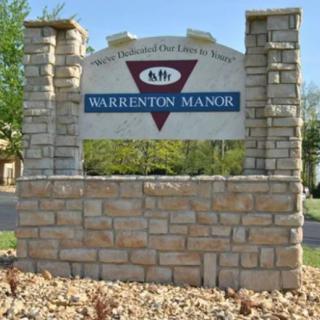
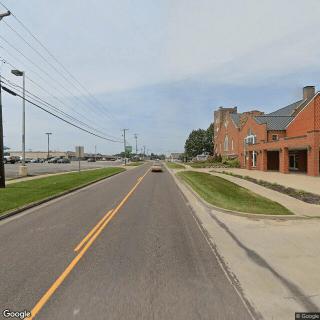

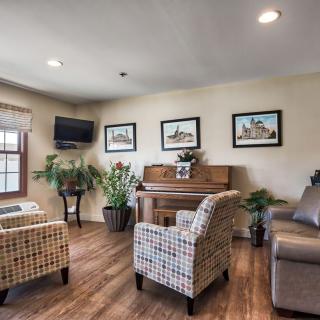

 Top Cars for Senior Drivers and Essential Safety Innovations
 A Closer Look at Private Pay Home Care
 Comprehensive Approaches for Arthritis: A Detailed Guide to Symptoms, Causes, and Care