

12120 Conway Road St. John's Mercy Skilled Nursing, St. Louis, MO 63141
To contact a resident: (314) 251-6600
For more information about senior living options: (866) 208-4318
Overall Review of St John's Mercy Medical Ctr
Pros
 The people were nice and the head nurse was good.
- The care was good.
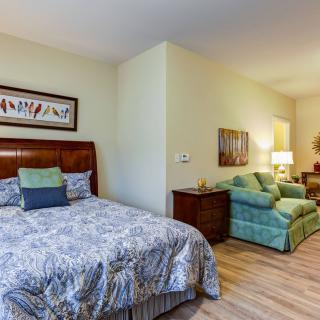
- There are nice little birds in the dining room.
Cons
 The place feels more like a nursing home, which is sad.
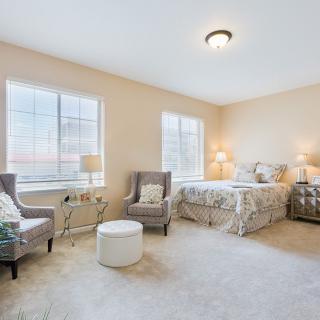
- The environment feels like being in a hospital with a roommate and hospital beds.
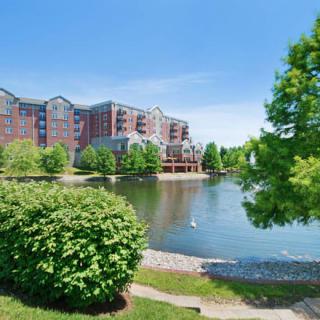
- The facility comes across as an extension of the hospital.
Review
St John’s Mercy Medical Center in St. Louis is best suited for seniors who require structured post-acute rehab with direct access to hospital services and a clear, clinically led care plan. The facility operates as an extension of Mercy Hospital, which translates into seamless coordination for physical and occupational therapy, timely physician oversight, and straightforward discharge planning. For someone coming out of surgery or a serious illness who needs skilled nursing and a stable, hospital-adjacent environment, this setting prioritizes clinical reliability and continuity of care over lifestyle amenities.
Those considering alternatives should note that this is not a destination for long-term living with a bustling social scene or a home-like atmosphere. If independence, engaging social programming, brighter mood, or a more homelike ambiance are higher priorities, other SNFs, assisted living communities, or smaller rehab-focused centers may be preferable. Families seeking a more vibrant, resident-centered environment should compare options that emphasize activity calendars, resident autonomy, and private-room comfort, rather than a hospital-like pace and layout.
The strongest pro here is the rehab capability. Patients receive focused physical and occupational therapy as part of a coordinated care plan, with concrete oversight from nursing leadership and clinical staff. The proximity to Mercy Hospital supports efficient access to specialists and timely adjustments to therapy as recovery progresses. In practice, these elements translate to clearer progress in mobility and daily function, and a smoother pathway from hospital to home or to a higher level of care if needed. When activity intensity and clinical professionalism are what matter most, the upside is meaningful.
Yet the environment itself tethers expectations to a more institutional feel. Reviews describe the setting as being essentially a hospital with roommates and hospital beds, which can feel somber and impersonal to residents seeking everyday warmth. That atmosphere may dampen mood for individuals who equate recovery with a more hopeful, homey vibe. While the staff and overall care are reported as solid, the absence of a more vibrant, resident-led culture can limit the sense of daily comfort and motivation for some. In short, clinical strength is clear; personal ambiance, less so.
A small but helpful note is the dining room ambiance and staff interactions. Described positively are the pleasant decor touches and attentive personnel, including leadership. While these aspects do not override the overall hospital-like mood, they provide small but meaningful moments of comfort that can ease the stress of rehab. For families evaluating the facility, it’s worth asking about dining options, room configurations, visitation flexibility, and opportunities for social engagement within the bounds of a rehab schedule. These factors often determine how tolerable an institutional setting remains during a short- or medium-term stay.
Ultimately, decision-making hinges on recovery goals and mood priorities. If the primary objective is robust rehab with straightforward medical oversight and hospital-adjacent convenience, this community can deliver dependable outcomes. If long-term living quality, emotional warmth, and an active social environment are nonnegotiables, it’s sensible to explore alternatives. Prospective families should schedule a comprehensive tour, observe therapy sessions in real time, speak with frontline staff about typical caseloads, and review discharge planning specifics. Clarify whether private-room options exist, what the daily rhythm looks like, and how family involvement is incorporated into care plans.
 Skilled Nursing Facility
 Lambert-St Louis International (9 miles away)





 A Comprehensive Exploration of Common Misunderstandings about Powers of Attorney
 Senior Move Management: Understanding the Role, Value, and Associated Costs
 Weight Training for Seniors: Building Strength and Vitality