3001 May Street, Poplar Bluff, MO 63901
For more information about senior living options: (866) 208-4318
Overall Review of Mark Twain Caring Center
Pros
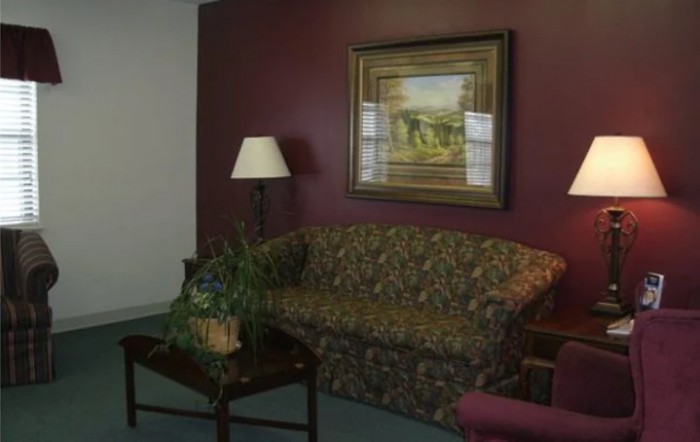
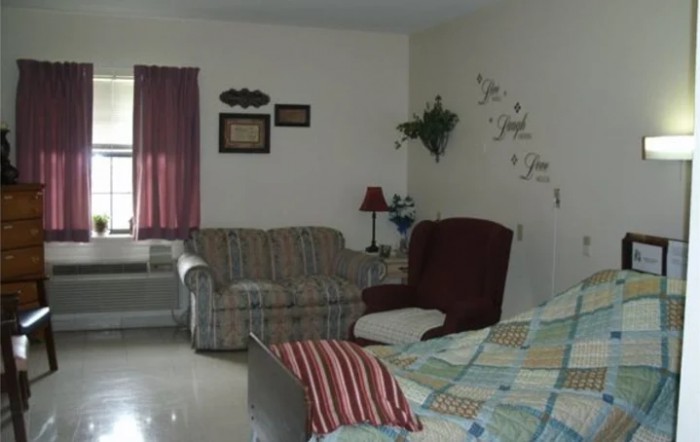
 The facility is described as a gem, with superior cleanliness, private bathrooms, and spacious rooms.
- The staff are generally caring and helpful, and the food is good.
- The dementia unit is well run, with staff working hard to keep residents cheery and safe.
- The care provided is excellent, with large, clean rooms and no unpleasant smells.
- One reviewer called it the best option among many facilities they considered.
Cons
 They claim staff did nothing when his potassium was dangerously high, which they say led to his death.
- They allege the administrator refused to give the family the supervisor’s name and did not respond for days.
- They state that belongings, including a 100-year-old ring, were stolen from their grandmother.
- They say their grandmother with dementia was starved and not given fluids, resulting in death.
- They describe the facility as smelling like urine everywhere and absolutely disgusting.
- They report a nurse who was rude and invoked HIPAA to refuse information, even hanging up.
- They recount bedsores and sepsis leading to death after neglect.
- They warn that this is not a place where loved ones should be cared for.
Review
Mark Twain Caring Center in Poplar Bluff, MO is best suited for seniors who need post-acute rehab or steady, routine care in a setting that can feel orderly and manageable when everything is functioning well. The facility appears to deliver a calm, clean environment with private rooms and a dedicated dementia unit, and there are accounts from families who valued the effort staff put into keeping residents comfortable and safe. For families prioritizing a straightforward rehab stay or daily living support in a facility where it’s clear staff will attempt to honor resident preferences, this center can be a workable option if oversight is diligent and expectations are realistic about consistency.
Those considering alternatives should note who may want to look elsewhere. If medical oversight, rapid problem resolution, and transparent, proactive administration are non-negotiables, this center raises red flags in multiple reviews. Allegations of delayed or inadequate medical response, administration that withholds information, and reports of theft or mistreatment point to a potential mismatch for families seeking unwavering accountability and robust safeguarding. For memory-care needs or long-term, high-acuity medical supervision, other communities with stronger documented governance, higher staffing ratios, and more consistent family communication are likely to serve better.
The most tangible pros center on the environment and the resident experience when care is steady. Several reviews highlight clean facilities, spacious private rooms with personal bathrooms, and a dementia unit where staff genuinely strive to keep residents safe and engaged. In rehab-focused stays, families reported positive differences compared with other centers, including a perception that staff make efforts to accommodate resident wishes and create a calmer atmosphere. On paper and in certain visits, the setting can feel like a solid fit for individuals who prize a neat, odor-controlled milieu and the comfort of private space during recovery.
However, the cons are consequential and harder to overlook. Repeated references to serious neglect and medical mismanagement, cases where critical needs were not addressed, and even life-threatening situations arose, cast a long shadow over the overall value. Allegations of patient harm, including dehydration or starvation in the care pathway, plus the reported theft of personal belongings after a loved one’s passing, signal risks that families must weigh heavily. Add inconsistent clinician availability and concerns about privacy and communication with families, and the picture becomes one of a facility that can perform well under favorable conditions but is prone to breakdowns that can rapidly devastate trust and outcomes.
Practical guidance for families evaluating this option is straightforward. Schedule multiple, extended visits with direct observation of care in both routine and more demanding moments. Ask to review recent incident reports, staff-to-resident ratios, and how quickly nurses or aides respond to calls. Probe the administration about transparency: who to contact for urgent issues, how grievances are handled, and how POA matters are managed. Request candid conversations with the director, and seek feedback from current residents and families about day-to-day responsiveness. If memory care is a primary need, press for specifics on staff training, supervision, and safety protocols. Above all, insist on a clear, written care plan with measurable goals and a defined escalation path.
In the end, Mark Twain Caring Center can serve as a reasonable option for families prioritizing a clean, comfortable rehab environment and a dementia-supportive unit, provided that vigilance remains high and expectations align with historical governance issues. For those whose criteria center on flawless medical oversight, consistent family communication, and ironclad protection against neglect or misappropriation, alternatives with stronger reputational and regulatory footing are advisable. The right choice hinges on balancing the appeal of a calm, well-kept setting against the reality of the reported inconsistencies in care, responsiveness, and safeguards.
 120 resident community capacity
 Skilled Nursing Facility
 Air-conditioning
 Beauty salon
 Cable or satellite TV
 Computer center
 Dining room
 Fitness room
 Fully furnished
 Gaming room
 Garden
 Housekeeping services
 Kitchenette
 Move-in coordination
 Outdoor space
 Private bathrooms
 Restaurant-style dining
 Small library
 Telephone
 Wellness center
 Wi-Fi/high-speed internet available
 Community operated transportation
 24-hour call system
 Activities of daily living assistance
 Assistance with bathing
 Assistance with dressing
 Assistance with transfers
 Diabetes diet
 Medication management
 Special dietary restrictions
 Concierge services
 Planned day trips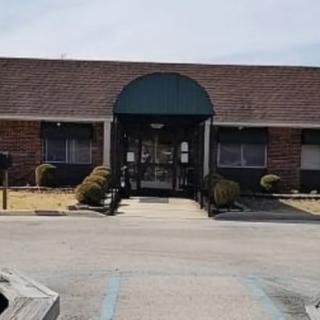


 Navigating the Tax Landscape of Caregiving: Credits, Deductions, and Beyond
 Highly Beneficial Low-Impact Exercises for Senior Living Residents
 Is In-Home Healthcare Tax Deductible? Your Comprehensive Guide