


2350 Kanell Blvd, Poplar Bluff, MO 63901
To contact a resident: (573) 785-0188
For more information about senior living options: (866) 208-4318
Cedargate Costs & Pricing
Cedargate offers competitive pricing for its accommodations when compared to the broader market of Carter County and the state of Missouri. For a studio, Cedargate's monthly cost is $2,945, significantly more affordable than the county average of $4,092 and also lower than the state average of $3,418. Similarly, for a one-bedroom unit, Cedargate's price of $4,495 remains a better option compared to Carter County's rate of $5,648. While it is higher than the state average of $3,349 for this type of room, it reflects the unique offerings and amenities that Cedargate provides. Overall, residents can find value in choosing Cedargate without sacrificing quality or comfort.
| Floor plans | Cedargate | Carter County | Missouri |
|---|---|---|---|
| Studio | $2,945 | $4,092 | $3,418 |
| 1 Bedroom | $4,495 | $5,648 | $3,349 |
Assisted Living communities with a similar price nearby
-
About the same

River Mist
$2,945 to $4,030 / month0.6 miles away -
from -$445 / mo
Colonial Home
$2,500 / month24.3 miles away
Overall Review of Cedargate
Pros
 The nursing staff are excellent coworkers, like one big family.
- Cedargate Healthcare was a very nice facility; it was pretty and well taken care of.
- The staff-to-patient ratio almost seemed one-to-one, and the staff were extremely caring.
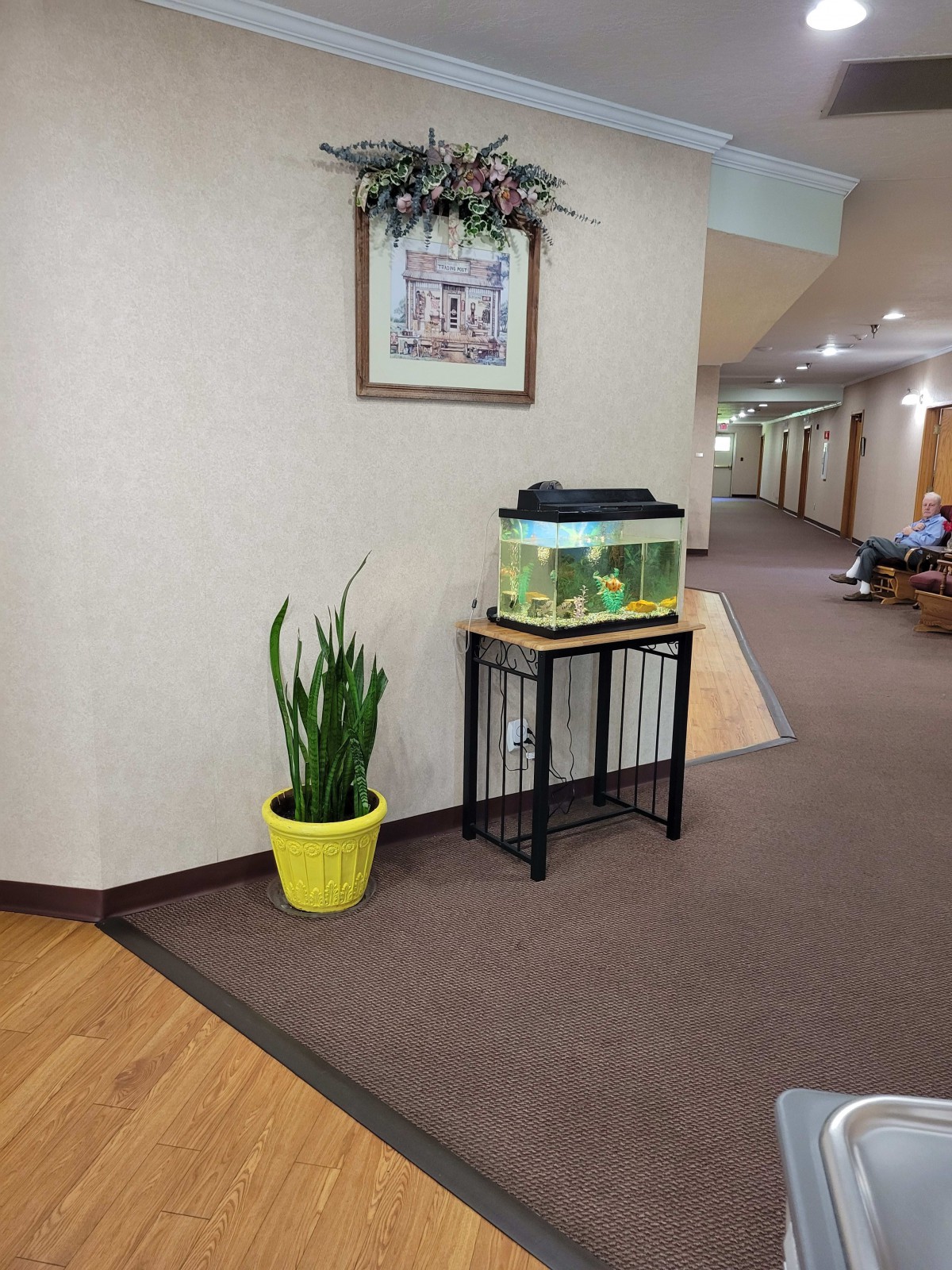
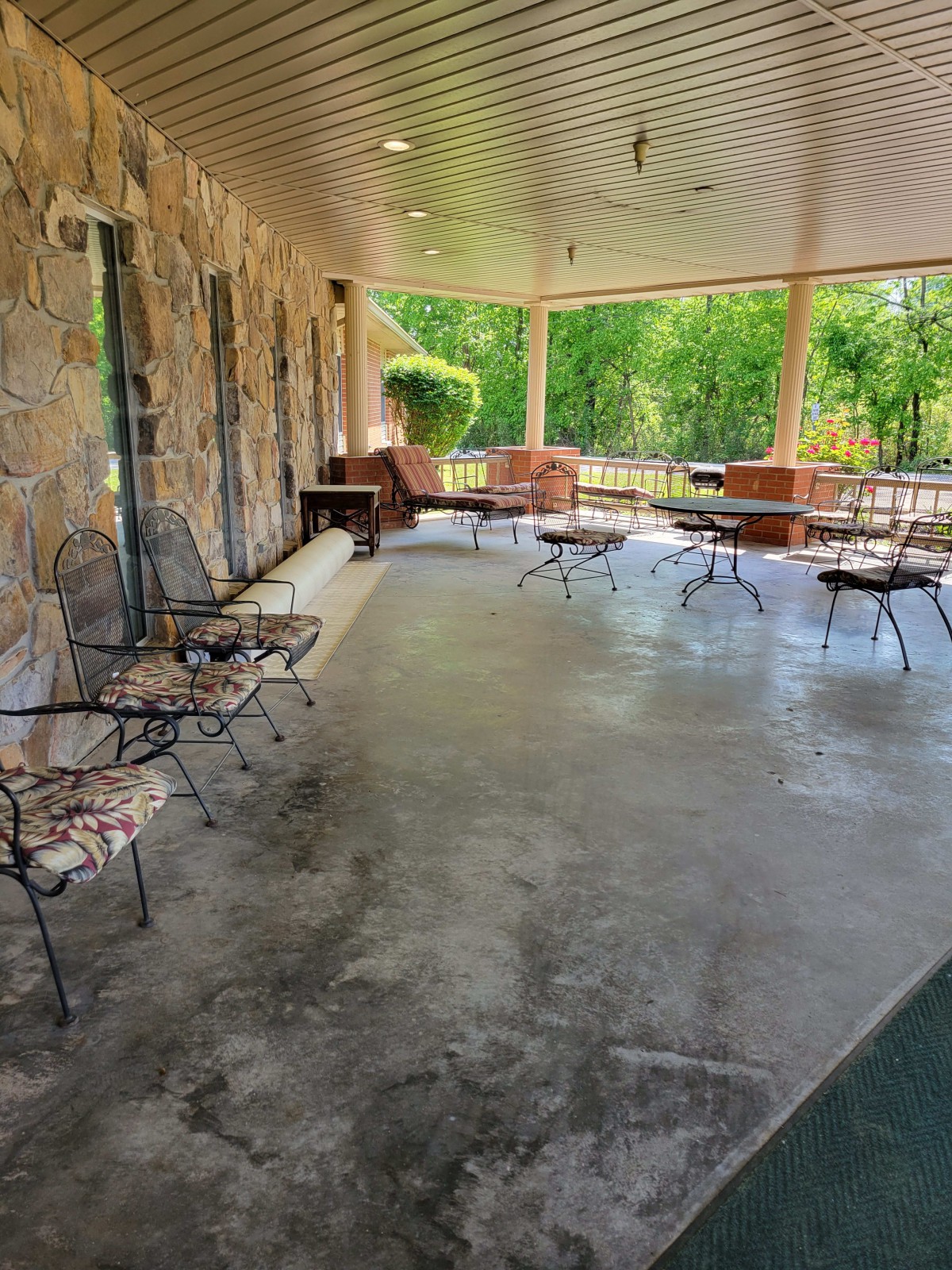
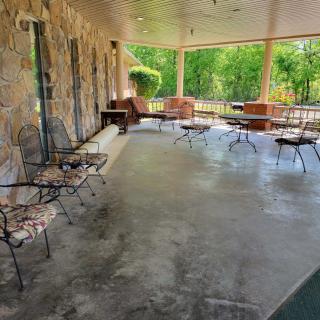
- The grounds feel peaceful, like being in the woods, offering a quiet and restful atmosphere.
- The tour experience was positive; the tour guide was polite, helpful, and a former student of the reviewer.
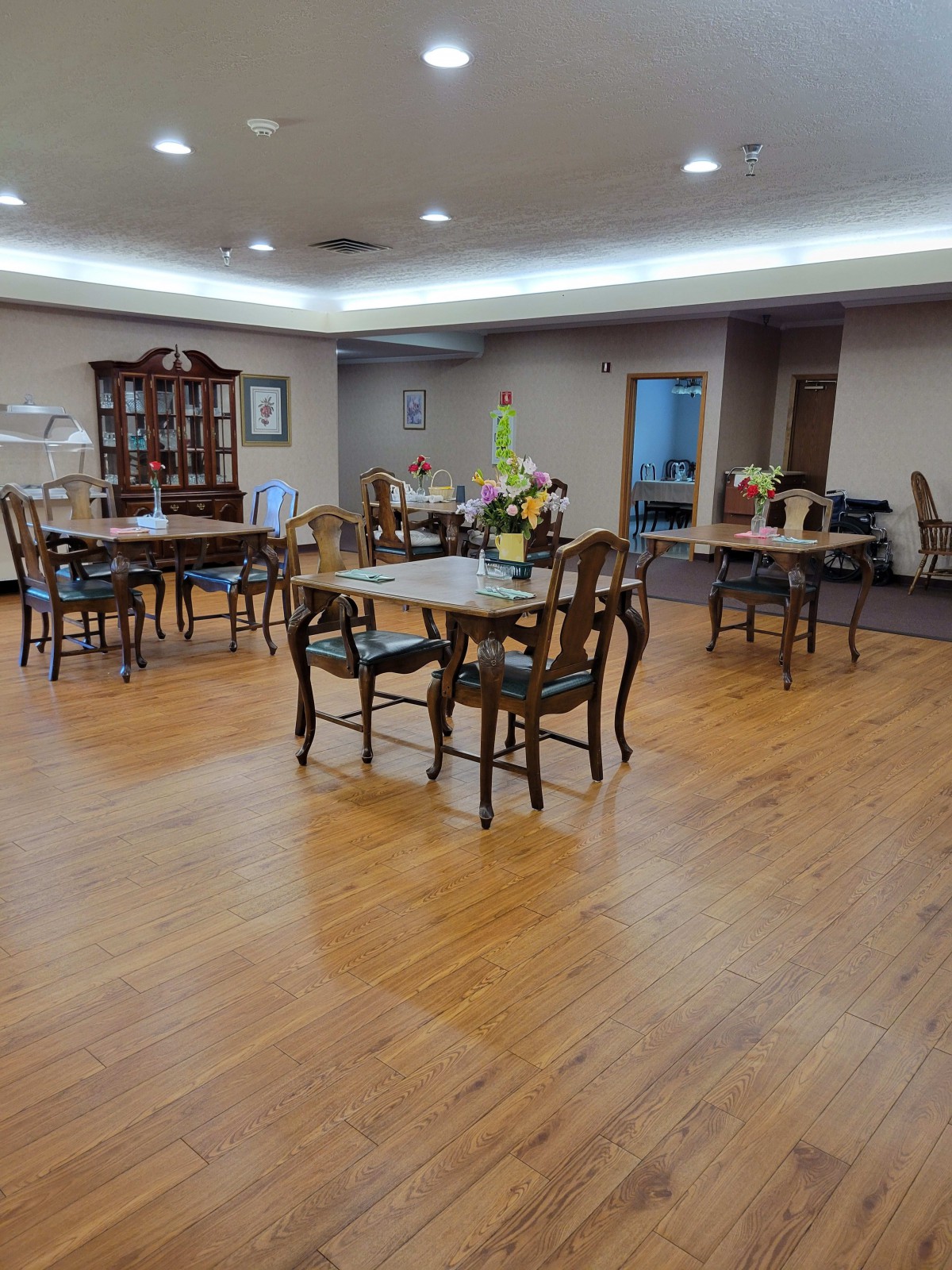
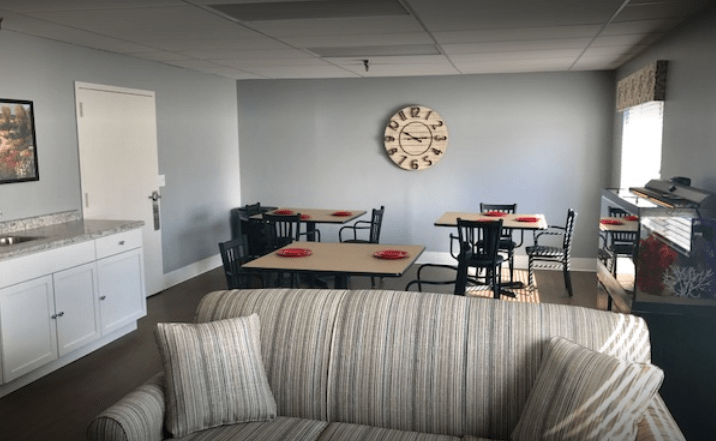
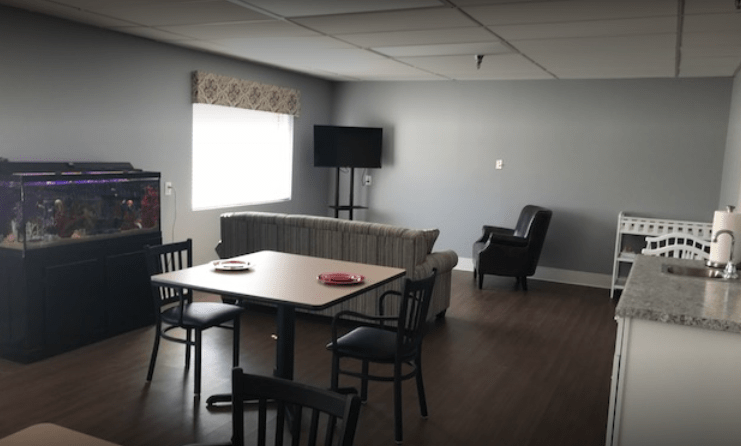
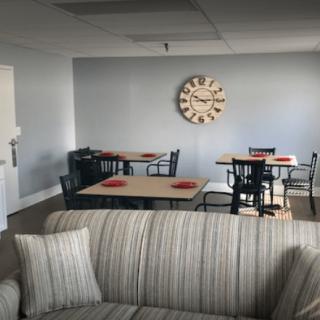
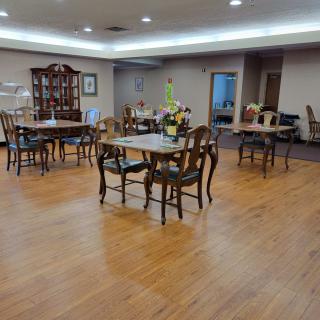
- The dining area was nice and clean, with different activities and games for residents.
- Cedargate has some of the most caring, compassionate, and dedicated staff.
Cons
 Residents face daily hardships due to a lack of nursing staff driven off by upper management.
- The situation is not improving despite frequent changes in the nursing staff.
- The facility is not recommended for family members.
- The facility uses cow bells for call lights, an inadequate practice the management defends as temporary.
- The beds are outdated (1950s crank-style) with no railing, and bedside tables are dirty with food residue; the walls are filthy.
- There are no trash liners in in-room trash baskets, and staff do not remove gloves when leaving rooms.
- Concerns raised by admins and nurses are acknowledged but nothing is improved.
- Diet orders are incorrect, with inappropriate snacks given to patients on puréed diets.
- Family members must turn patients every two hours to prevent skin breakdown, which is impractical.
- The staff-to-patient ratio is insufficient, leaving many patients without adequate care.
Review
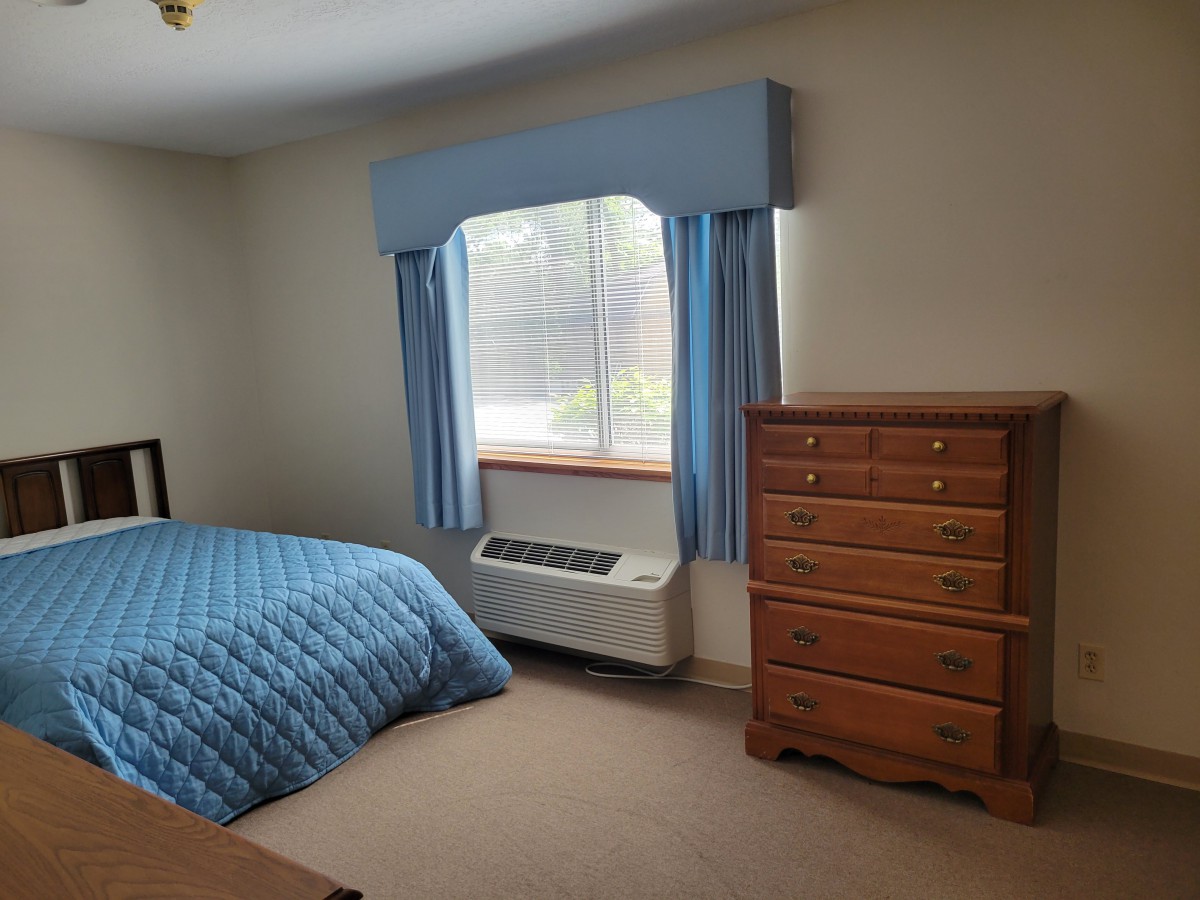
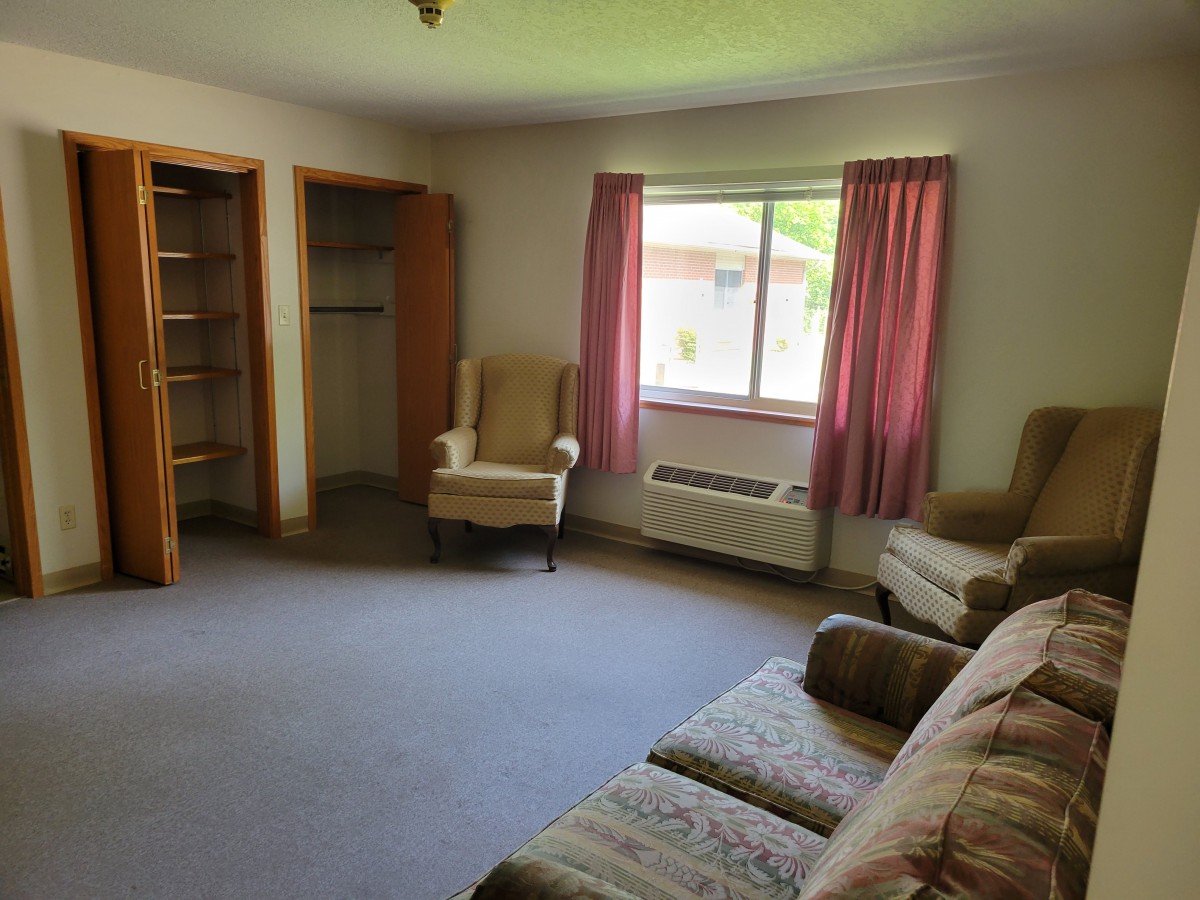
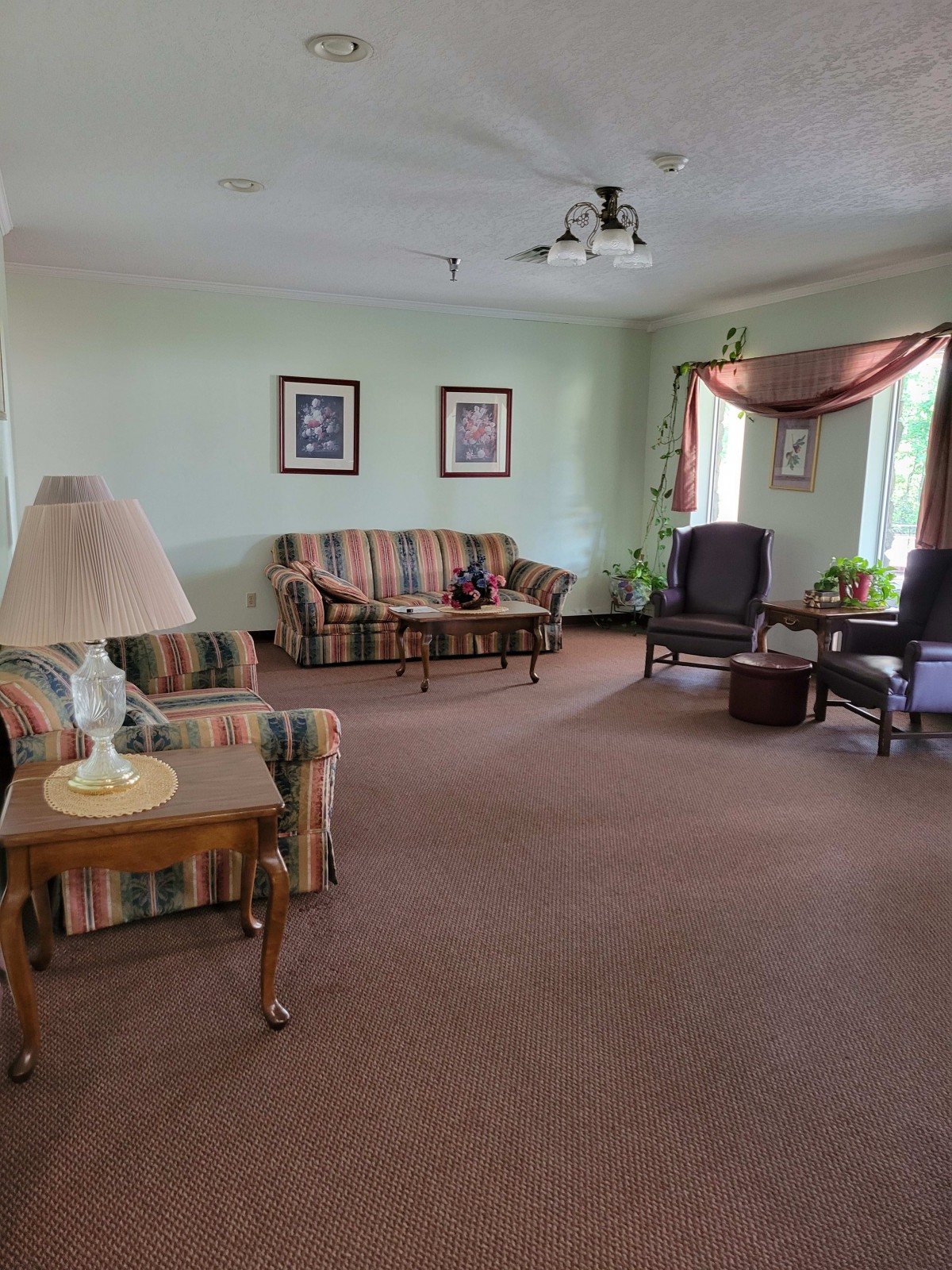
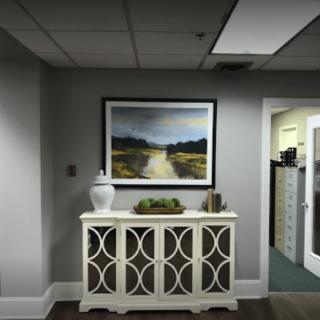
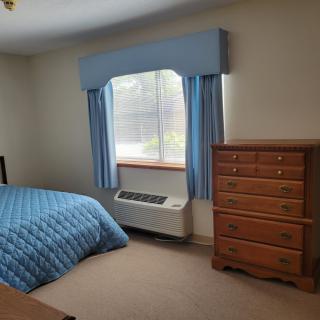
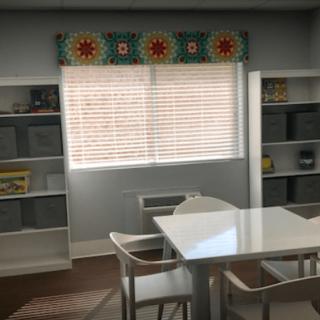
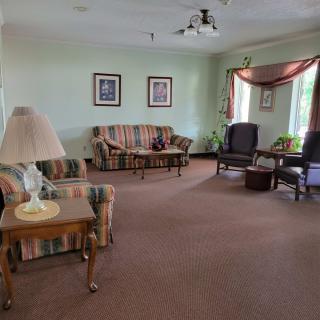
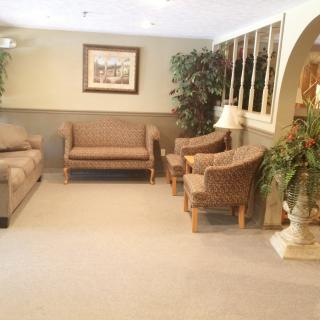
Cedargate is best suited for families seeking an affordable, small, homey environment for a senior who is largely independent or needs light assistance, and who can tolerate a modest level of on-site medical support. The setting favors residents who value quiet, country-style charm, spacious single rooms, and a living-room feel in common areas. Reviewers repeatedly note the facility’s intimate footprint, with a single dining area and a home-like common room, plus grounds that feel peaceful and wooded. For those who can overlook episodic service gaps in exchange for a lower price tag and a place that feels like “somebody’s comfortable home,” Cedargate can deliver daily life that isn’t overshadowed by hospital-like rigidity. The upside of a small, manageable campus is real when care routines remain predictable and family involvement remains possible.
Those who should seriously consider alternatives are families with loved ones who require robust nursing care, complex medical management, or strong, consistent staffing around the clock. Several reviews warn of persistent staffing shortages and turnover at the upper-management level, with consequences for response times, resident turning schedules, and basic hygiene. Call light systems and equipment are cited as outdated, and some reports describe situations where patients were not turned or cleaned promptly. Privacy and information-sharing concerns, such as inconsistent access to records for POA holders, also surface in multiple accounts. For memory care, high-acuity needs, or families seeking a facility with near-constant medical supervision, Cedargate may fall short of expectations and outcomes.
On the plus side, the pros at Cedargate can be meaningful if leveraged correctly. The staff who are present are described as caring, compassionate, and dedicated, with several accounts highlighting a genuine sense of warmth from caregivers who stay long enough to know residents well. The small size and homey atmosphere contribute to a feeling of personal attention when staffing aligns with resident needs. Rooms tend to be comfortable and spacious for single occupancy, and the dining and social areas can feel pleasant and non-clinical. For families who can bring consistent oversight and participate actively in care planning, the favorable elements, affectionate staff, low cost, and a dignified, simple environment, can meaningfully offset some daily frustrations.
However, the main cons are concrete and systemic, and they tend to undercut the positives unless carefully managed. The most frequent criticisms revolve around under-staffing, with claims that one CNA may be responsible for many patients and that turning and skin-care routines lag badly. Hygiene lapses, infrequent housekeeping, and incomplete food-pantry consistency present real risks to comfort and health. Management’s responsiveness is described as inconsistent, with frequent leadership changes that leave family concerns spinning without durable fixes. The facility’s physical footprint, older construction, shared rooms, and older beds without modern safety rails, further compounds risk for frail residents and those needing closer supervision. In sum, the cushion of warmth and affordability can be eroded by reliability gaps and safety concerns.
The practical decision comes down to risk tolerance and the ability to compensate with active family involvement. If a senior can thrive with a lighter care load, minimal medical intervention, and a keen, hands-on family network to supervise meals, medications, hygiene, and daily routines, Cedargate can still be a reasonable choice. The lower cost relative to other options buys financial breathing room and reduces stress on bereaved or fixed incomes, while the home-like setting and community feel support emotional well-being. For others, especially those with frequent medical needs, high safety requirements, or who prioritize consistent, proactive management, Cedargate’s drawbacks are likely to overwhelm the benefits. A candid pre-admission assessment, checking RN/LPN coverage, infection control practices, menu accuracy, and the facility’s protocols for POA access, will reveal whether Cedargate aligns with priorities or a more resource-rich setting is warranted.
In the end, Cedargate serves a distinct niche: a budget-friendly, small, hospitable option that rewards families who can remain actively involved in daily care and who place a premium on atmosphere and personal connections. Prospective residents should approach with a concrete checklist: confirm current staffing levels and on-site supervision; tour during mealtimes to observe dining service; scrutinize cleanliness and room arrangements; review menus for dietary needs and texture-modified options; verify privacy protections and POA access; and speak directly with current residents about care consistency. If these checks reassure and the family can sustain ongoing oversight, Cedargate offers a practical, no-nonsense home for an older adult who values companionship and a peaceful setting over hospital-grade certainty. If not, it is prudent to keep exploring options that deliver higher staffing ratios, more structured care, and firmer governance.
 Studio apartments
 Assisted Living
 Cats allowed
 Dogs allowed
 Activities on-site
 Bath tubs
 Cable or satellite TV
 Devotional services off-site
 Indoor common areas
 Outdoor common areas
 Wi-Fi/high-speed internet available
 Ambulatory care
 Diabetic care
 Incontinence care
 Medication management
 Anytime dining
 BBQs or picnics
 Birthday parties


 How and When Medicaid May Cover Assisted Living Costs
 A Detailed Exploration of Assisted Living Medicaid Waivers Across the United States
 Comprehensive Residential Support and Assisted Living Solutions for Individuals with Disabilities