
501 Monroe, Po Box 19, Oregon, MO 64473
For more information about senior living options: (866) 208-4318
Overall Review of Oregon Care Center
Pros
 They have the best rehab program.
- The facility is by far the best nursing home the reviewer has experienced.
- The staff and leadership show true care and compassion.
- The staff are extremely personable and helpful to visitors.
- The facility is a blessing and is 100% better than the places in St Joseph.
- The facility is wonderful and feels like home for residents.
Cons
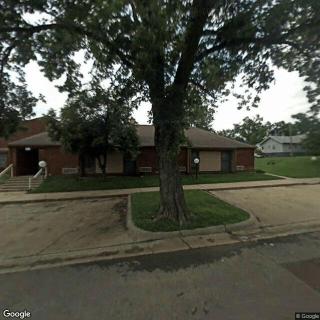
 The facility's building is getting a little older.
- There is a minor complaint about the building aging, even though it is kept painted and clean.
Review
Oregon Care Center in Oregon, MO is best suited for adults who need substantial rehabilitation care delivered with steady, person-centered attention. The facility earns its strongest endorsement from residents and families for a rehabilitation program that is widely described as the best in the area. A 37-year-old resident with a birth defect emphasizes that the center stands out far beyond other options encountered in St. Joseph, calling it the most effective and the place he considers home. For families that prioritize steady progress in recovery, clear clinical guidance, and daily demonstrations of care from a stable, engaged staff, this community offers a compelling match. The atmosphere combines practical rehab rigor with a welcoming, home-like feel that supports both physical healing and emotional comfort.
Those who may want to consider alternatives are those who prioritize gleaming, ultra-modern facilities or a broader spectrum of specialized services beyond rehabilitation. The physical plant is described as aging, even as it is well maintained, painted, and kept clean. For families seeking the latest in campus amenities, high-end common areas, or a campus designed to showcase cutting-edge equipment, other communities may present a better fit. Similarly, if a resident requires highly specialized memory-care programs or a campus with a large selection of on-site medical subspecialists, it would be prudent to compare options that emphasize those capabilities more prominently.
The core strengths of Oregon Care Center, its standout rehab program and the staff’s genuine care, interact in ways that largely offset the main downside. Reviews underscoring the rehab program’s effectiveness translate into tangible outcomes: residents gain functional momentum, reduce dependency, and maintain a hopeful trajectory toward returning home or stabilizing in a higher-quality care setting. The leadership and front-line team are repeatedly described as truly caring and compassionate, which helps families feel confident about daily supervision, progress tracking, and safety. When family members visit, they consistently encounter caregivers who are personable, communicative, and reliably available to discuss a resident’s status or needs. That level of relational consistency makes a meaningful difference in the resident experience, softening any impact from the building’s age.
A second, substantial pro is the consistent sense of cleanliness, order, and attention to detail in day-to-day operations. Even as the facility’s physical shell ages, ongoing maintenance, regular painting, and visible effort to preserve a neat environment contribute to a sense of pride and safety. Residents and visitors repeatedly note that the care team not only attends to medical and functional needs but also creates a trustworthy, stable daily routine. The combination of reliable rehab pathways and accessible, respectful communication strengthens confidence for families weighing long-term placement. In practical terms, those factors translate into fewer days spent worrying about basic needs and more days focused on meaningful progress and connection with loved ones.
Despite the strong positives, the reviews acknowledge a few caveats reflected in the overall rating nuance. While most experiences tilt toward five-star satisfaction, a small subset of reviews notes room for improvement beyond the rehab program and staff caring. The most visible constraint is the aging physical plant, which may affect residents who equate modern campus feel with quality care or who want state-of-the-art facilities. Those considering Oregon Care Center should probe into how well the facility can adapt to evolving rehab goals and whether the environment meets the resident’s aesthetic and accessibility preferences. Still, for families seeking a facility that prioritizes rehab outcomes and authentic caregiver relationships, the balance of strengths generally outweighs these concerns.
In practical terms, the recommendation is clear: this community is a strong fit for anyone who needs robust rehabilitation, consistent clinical oversight, and a care team that treats residents like family. The key decision factors are straightforward, confirm the resident’s rehab goals, observe how therapy sessions are coordinated with daily living activities, and meet the caregivers who will be involved in routine supervision and family updates. If the resident thrives on personal connections with staff and values a facility where progress is celebrated and explained with clarity, Oregon Care Center deserves serious consideration. For those valuing a newer campus or an expansive array of specialized services beyond rehabilitation, it is wise to compare alternative options before committing.
 60 resident community capacity
 Skilled Nursing Facility
 Air-conditioning
 Beauty salon
 Cable or satellite TV
 Computer center
 Dining room
 Fitness room
 Fully furnished
 Gaming room
 Garden
 Housekeeping services
 Kitchenette
 Move-in coordination
 Outdoor space
 Private bathrooms
 Restaurant-style dining
 Small library
 Telephone
 Wellness center
 Wi-Fi/high-speed internet available
 Community operated transportation
 24-hour call system
 Activities of daily living assistance
 Assistance with bathing
 Assistance with dressing
 Assistance with transfers
 Diabetes diet
 Medication management
 Special dietary restrictions
 Concierge services
 Planned day trips

 Recognizing the Journey: Understanding and Navigating Anticipatory Grief
 Encouraging Participation in Adult Day Care: A Guide to Supporting a Hesitant Parent
 Comprehensive Exploration of Living Wills and Other Advance Directives