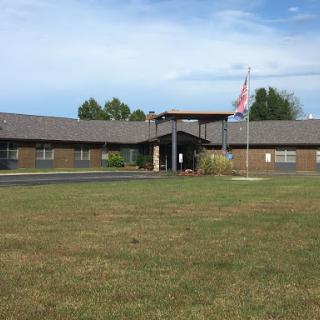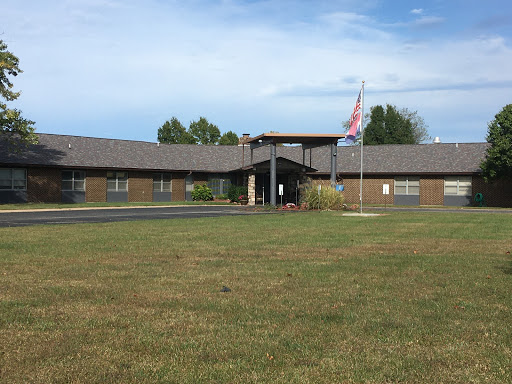
1310 Hovis Street, Mountain Grove, MO 65711
For more information about senior living options: (866) 208-4318
Overall Review of Autumn Oaks Caring Center
Pros
 Autumn Oaks Caring Center is described as a great facility with staff who care about residents and maintain a calm, attentive environment.
- Staff are praised for being attentive, compassionate, and responsive to residents’ needs.
- The nurses are described as knowledgeable, caring, and the facility is noted as clean.
- Family members report pleasant, helpful staff who consistently assist with care.
- The center offers good food, friendly and helpful staff, and plenty of daily activities, with a pleasant atmosphere.
- Staff are noted for going the extra mile to ensure residents receive the care they deserve.
- The facility is described as inviting and compassionate toward residents and their families, with appreciation for front-line workers.
Cons
 The facility’s level of uncleanliness was alarming and completely unacceptable for any environment where patients are supposed to feel safe and cared for.
- Bed sores were left untreated, showing a shocking lack of compassion and medical diligence.
- The staff appeared unwilling or unable to provide even the most basic level of support, with minimal communication and concerns brushed aside.
- The facility fails to maintain patients’ medical needs or provide ongoing preventative and primary care.
- Call lights were left unattended and patients’ voices were left unheard, which is deeply saddening.
- They would not recommend this facility to anyone seeking quality care.
Review
Autumn Oaks Caring Center in Mountain Grove, Missouri is best suited for families seeking an affordable, rural option and who are prepared to take an active, hands-on role in supervising care. The facility can feel welcoming on some days, with front-line staff who are patient and pleasant and with reports of good meals and a calm atmosphere when things run smoothly. It is a practical choice for those who can tolerate variation in day-to-day care and are willing to set clear expectations, monitor progress, and intervene when concerns arise. This is not a hands-off placement; it demands ongoing involvement from families to ensure that basic dignity, cleanliness, and medical oversight are consistently maintained. For households that prefer a low-maintenance arrangement with guaranteed, uniform service, this may not be the right fit.
Those who should explicitly consider alternatives are families with high-stakes needs. If the priority is strict cleanliness, rapid response to call lights, robust infection control, and reliable, continuous medical oversight, other options in the region are likely a safer bet. For residents with significant medical complexity, advanced wound care needs, or dementia requiring intensive, structured programming, Autumn Oaks has enough troubling accounts to warrant caution. End-of-life considerations, frequent bathing or feeding assistance, and assurance of consistent therapy and physician contact are areas where the reviews reveal serious gaps. In short, for households unable to tolerate inconsistent staffing and variable quality, looking at other facilities is a prudent move.
The chief pros surface as real opportunities: a portion of staff who truly care, a generally calm environment, and occasional positive feedback on food and bedside manner. When caregivers are attentive, residents experience moments of comfort and dignity, and some reviewers credit Autumn Oaks with a compassionate bedside presence. The facility can also offer social activity and a sense of community on certain shifts, which matters for emotional well-being. These strengths, however, are unevenly distributed across days and rooms, and they do not reliably counterbalance the most troubling downsides described by families and former residents.
The main, recurring cons are significant and disqualifying for anyone prioritizing safety and consistency. Multiple accounts describe unclean conditions and a failure to maintain basic hygiene, including urinary and fecal issues left unaddressed and a troubling pattern of unattended call lights. The most serious red flags include untreated bed sores, delayed showers, and inconsistent medical attention, sometimes with dire outcomes alleged by families. Communication is frequently described as minimal or brusque, with families feeling shut out or uninformed about changes in care or health status. Short-staffing compounds all of these problems, leading to gaps in nourishment, timely therapy, and daily assistance. Taken together, the cons point to a facility that is not reliably meeting fundamental expectations for resident safety, dignity, and medical continuity.
From a decision-making perspective, the offset between pros and cons hinges on vigilance and tolerance for risk. When a unit is staffed by caregivers who truly connect with residents, and when meals and general cleanliness hold up, Autumn Oaks can deliver pockets of decent experience. Yet those positive moments are undermined by frequent, high-impact failures in basic care, and the risk of harm described in several reviews cannot be dismissed. For families weighing options, this creates a clear calculus: if hands-on oversight is feasible and the budget is constrained, Autumn Oaks may serve as a temporary, monitored stay; if there is any expectation of consistent, high-quality care with predictable outcomes, alternatives are strongly advised.
For families proceeding with Autumn Oaks, a deliberate, structured approach is essential. Request a detailed, written care plan for the resident, including wound care protocols, nutrition plans, and a clear schedule for bathing and hygiene assistance. Insist on concrete staffing ratios for day and night shifts, and require regular, documented communication with families and physicians. Tour at different times to observe call-light responses, housekeeping practices, and the responsiveness of staff to needs. Ask for a direct point of contact at the administrator level and establish escalation steps if concerns arise. With rigorous oversight and explicit expectations, Autumn Oaks can be navigated more safely; without it, the risks highlighted by scattered experiences quickly overwhelm the positives.
 120 resident community capacity
 Assisted Living
 Skilled Nursing Facility
 Activities on-site
 Air-conditioning
 Beauty salon
 Cable or satellite TV
 Computer center
 Devotional services off-site
 Dining room
 Fitness room
 Fully furnished
 Gaming room
 Garden
 Housekeeping services
 Indoor common areas
 Kitchenette
 Move-in coordination
 Outdoor space
 Private bathrooms
 Restaurant-style dining
 Small library
 Telephone
 Wellness center
 Wi-Fi/high-speed internet available
 Community operated transportation
 24-hour call system
 Ambulatory care
 Assistance with bathing
 Assistance with dressing
 Assistance with transfers
 Diabetes diet
 Diabetic care
 Medication management
 Special dietary restrictions
 Concierge services
 Planned day trips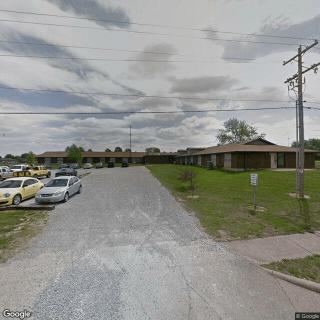


 Social Security Benefits and Assisted Living: Navigating Options Across the U.S.
 An Extensive Exploration of the VA Aid and Attendance Benefit
 Senior Transition Services: Understanding Their Role, Cost, and Importance