
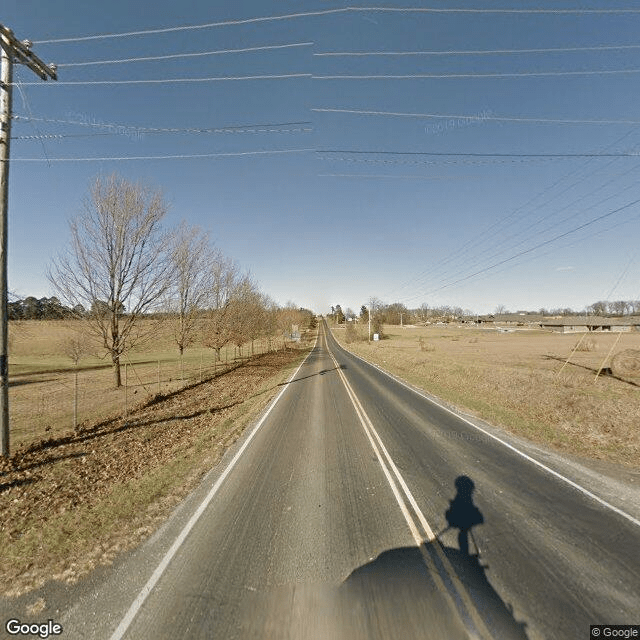
2820 North Main Street, Mountain Grove, MO 65711
For more information about senior living options: (866) 208-4318
Overall Review of Country Living Assisted Living
Pros
 It is a family-run caring facility that brings home to assisted living.
- It offers hymn singing, Bible studies, bingo, game time, and in-room options with a TV and kitchenette for rest and reading.
- It provides three hot meals a day, plus fruit and coffee/tea, with treats like homemade ice cream throughout the week.
- It is small enough to provide personalized care.
- It is considered the best facility in the Ozark area.
- The staff are caring and intelligent, and the facility is clean and well maintained.
- Youth groups note that the staff are neat, orderly, and take good care of the residents.
Cons
 There were about 30 new hires who received no training and were left to care for frail residents, and they did not meet the residents’ needs.
- There is no entrance to Country Living Assisted Living or Senior Housing from Red Spring Rd.
- They are not medically capable of much, and the mother ended up in the hospital more than once due to medication errors by staff.
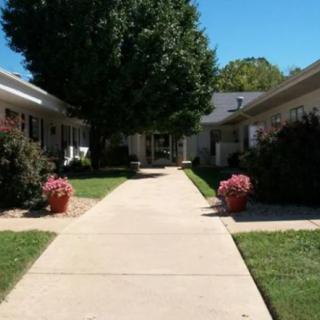
- The photo is outdated and does not show the entrance or added buildings on the complex.
- When one staff member didn’t like someone, none of the staff did, implying a lack of professionalism; the reviewer says the staff should be professional and that the facility charges too much for childish conduct, noting that residents need help, not high school drama.
Review
Country Living Assisted Living in Mountain Grove, Missouri is best suited for seniors who want a small, home-like, family-run setting where staff and neighbors feel like an extended family. The community leans into a warm, intimate atmosphere with daily engagement such as hymn singing, Bible studies, bingo, and shared meals. It shines for residents who value personal attention, predictable routines, and the reassurance of being in a place that emphasizes familiar comforts, three hot meals daily, fruit, coffee or tea, and occasional homemade treats. The location and pace suit someone who is relatively self-sufficient but appreciates companionship, accessible services, and the sense of belonging that comes from a tightly knit, community-centered environment.
Those with more intensive medical needs should consider alternatives. The reviews consistently flag limited medical oversight and medication-management challenges, suggesting that this setting is not well-equipped to handle significant health fluctuations or complex nursing requirements. For a resident who depends on precise medication administration, frequent monitoring, or skilled nursing, a larger facility with dedicated nursing staff and memory-care resources would likely be a safer fit. Additionally, for families prioritizing professional boundaries and seamless operations, the informal, family-run dynamic may fall short of expectations, especially when care gaps appear or staff turnover disrupts continuity.
Pros that stand out in this environment include the small size and the resulting ability to tailor attention to individual residents. Families report that staff can deliver a level of care and companionship that feels personal and attentive, a notable contrast to more institutional settings. The “home” emphasis is reinforced by organized social activities, steady meals, and a setting that invites residents to participate or simply settle into a familiar routine. A scenic yet convenient location adds practical value, and several accounts describe caring, intelligent staff who create a sense of community. For those who prize a faith-infused, community-oriented atmosphere, the programming and demeanor can be a meaningful plus.
However, the downsides are significant enough to influence the decision for many families. Staffing inconsistency appears as a recurrent concern, including reports of new hires with insufficient training who are asked to care for residents with multiple and varied needs. Medication errors and a perception of limited clinical capability underscore the risk for higher-acuity residents or those with evolving health concerns. Interpersonal dynamics among staff, described by some as unprofessional or cliquish, can undermine trust and continuity of care. Even logistical details matter here: confusing entrance directions and outdated photos of the facility signal a broader issue with upkeep and clear communication that prospective families should verify on tours.
The central question becomes whether the positives can realistically offset the notable cautions. For a resident who thrives on personal relationships, routine, and a sense of “home,” with a family or dedicated caregiver actively participating in oversight, the strengths can meaningfully enhance daily life. The prospect of reliable meals, social activities, and a steady, supportive community can compensate for some gaps in clinical capability when paired with proactive family involvement and regular external medical oversight. Yet for anyone with chronic, medication-dependent, or high-medical-needs profiles, the gaps are hard to overlook and may demand a facility with stronger professional nursing resources.
Practical next steps for families considering Country Living include arranging a candid, in-depth tour focused on care planning, medication procedures, and staff qualifications. Ask for a walkthrough of the med room, troubleshooting protocols, and how incidents are documented and addressed. Meet the actual caregivers who would be assigned to the resident and request references from current families to gauge consistency and reliability. Verify entrance accessibility and current photos of the property to ensure accuracy. If the resident values a homey, faith-centric environment and can tolerate potential care gaps with vigilant family oversight, this community offers a meaningful, low-key senior living option. If medical acuity or professional boundary standards are non-negotiable, broader search toward facilities with robust nursing care is advisable.
 40 resident community capacity
 Assisted Living
 Activities on-site
 Beauty salon
 Cable or satellite TV
 Devotional services off-site
 Dining room
 Fully furnished
 Garden
 Housekeeping services
 Indoor common areas
 Kitchenette
 Move-in coordination
 Outdoor space
 Restaurant-style dining
 Small library
 Telephone
 Wi-Fi/high-speed internet available
 24-hour call system
 Ambulatory care
 Assistance with bathing
 Assistance with dressing
 Assistance with transfers
 Diabetes diet
 Diabetic care
 Medication management
 Mental wellness program
 Special dietary restrictions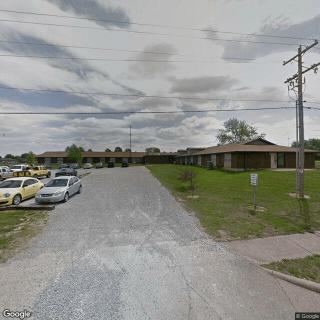


 Exploring the Contrasts Between Assisted Living and Skilled Nursing
 8 Key Indicators That Suggest It May Be Time to Transition from Assisted Living to Skilled Nursing Care
 Vibrant Senior Living: A Comprehensive Guide for Active Older Adults