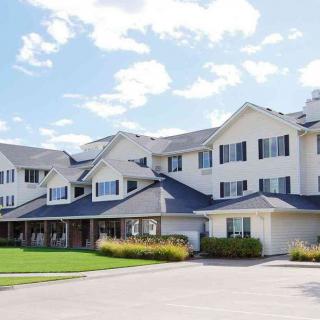
Wilshire At Lakewood is a nursing home community in Lees Summit, MO.
Information last verified:
600 North East Meadowview Drive, Lees Summit, MO 64064
For more information about senior living options: (866) 208-4318
3.9 from 139 reviews
5 stars
89
4 stars
15
3 stars
3
2 stars
2
1 stars
30
Overall Review of Wilshire At Lakewood
common52 reviews mention this
Staff attentiveness stands out
Residents and families repeatedly describe attentive, respectful staff interactions.
Many reviewers say the staff are kind and attentive, describing caregivers who respond to needs, treat residents with respect, and keep families informed. Several also mention specific departmental support (like rehab and dining) and highlight communication as a reason they felt comfortable. A smaller set of reviews describes the opposite, with residents left waiting for help or staff reportedly not following through, which is the main reason some families urge others to reconsider.
common35 reviews mention this
Cleanliness is a frequent theme
Reviews frequently mention a clean, well-kept facility.
A large number of reviews praise cleanliness, including clean rooms, daily housekeeping, and an overall facility that looks and smells well maintained. Some reviewers also mention cleanliness as part of what made them comfortable during rehab or long-term placement. On the negative side, there are also recurring cleanliness complaints in a subset of reviews, including references to dirty rooms and unpleasant odors, which contrasts sharply with the positive comments.
common22 reviews mention this
Food quality is mixed
Dining experiences range from praised meals to complaints about quality.
Several reviewers describe the food positively, including meals they found delicious or appetizing and mentions of accommodating preferences. Others report problems like food that felt cold or unappetizing, limited snacks, or meals they viewed as repetitive. Dietary-related concerns also appear in some reviews, including complaints tied to diabetic needs, diet adherence, and special dietary options not being followed.
caveat10 reviews mention this
Care timing and follow-through concerns
Some residents and families report delays and missed care steps.
A subset of reviews alleges that call lights went unanswered for long stretches and that residents were not monitored or assisted in a timely way. Other concerns describe medication follow-through issues and missed or delayed care steps, including reports of call systems not working as expected. These complaints are presented as serious enough that some families say they moved their loved ones out or took urgent action themselves.
common7 reviews mention this
Activities and engagement vary
Residents mention on-site activities, though participation appears inconsistent.
Some reviewers mention calendars, movies/music, bingo, and other scheduled activities that helped residents stay engaged. Others say their loved ones did not participate much or that activities felt limited, even while the facility otherwise looked clean and well maintained. Overall, engagement shows up as a positive when families and residents are able to connect with what is scheduled.
How we summarize
Counts show how many written reviews mention each theme; a review can touch several themes, and only frequently mentioned themes are displayed.
The guide outlines the rising costs of 24/7 in-home care, ranging from $10,000 to over $20,000 monthly, driven by factors such as location and caregiver qualifications. It discusses the limited coverage by Medicare and private insurance, potential Medicaid support, and the emotional and living condition considerations influencing families' decisions on care arrangements.
Home health nursing is an expanding field where licensed professionals provide specialized medical care in patients' homes, addressing the needs of an aging population through personalized services like assessments and medication management. Effective collaboration with healthcare teams, cultural sensitivity, and quality assurance measures are essential for fostering trust and ensuring positive patient outcomes.
Medicare covers in-home health care services, which are medical and provided by licensed professionals under a physician's supervision, whereas non-medical personal assistance is generally not covered unless part of a broader skilled care plan. Eligibility for benefits depends on being homebound and needing intermittent skilled services from a Medicare-certified agency, with specific coverage limitations and additional resources available for navigating options.
Get PricingAsk A QuestionSchedule A TourContact Senior Advisor
By clicking submit, you agree to our Partner's Terms of Use. You
also consent to receive calls and texts, which may be autodialed, from our Partner. Your consent is not a condition to
using our Partner's service. Please visit our Partner's Privacy Policy for information about their privacy practices.

 170 resident community capacity
 Skilled Nursing Facility
 Air-conditioning
 Beauty salon
 Cable or satellite TV
 Computer center
 Dining room
 Fitness room
 Fully furnished
 Gaming room
 Garden
 Housekeeping services
 Kitchenette
 Move-in coordination
 Outdoor space
 Private bathrooms
 Restaurant-style dining
 Small library
 Telephone
 Wellness center
 Wi-Fi/high-speed internet available
 Community operated transportation
 24-hour call system
 Activities of daily living assistance
 Assistance with bathing
 Assistance with dressing
 Assistance with transfers
 Diabetes diet
 Medication management
 Special dietary restrictions
 Concierge services
 Planned day trips
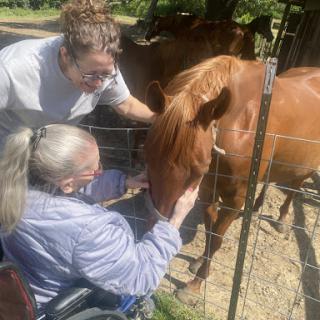
 Modern, clean, home-like setting with caring staff and engaging activities; strong memory care focus.

 Understanding the Full Cost of 24/7 In-Home Care: A Detailed Overview
 Exploring the World of Home Health Nurses: Qualifications, Roles, and Hiring Tips
 Navigating Medicare Coverage for In-Home Care Services