
533 Canaan Road, Po Box 180, Gerald, MO 63037
For more information about senior living options: (866) 208-4318
Overall Review of Gerald Nursing And Rehab
Pros
 They are awesome and caring folks.
- They have become like family to the people they serve.
- They truly care about those in their care.
- They seek to keep distant family members connected by sharing daily life and activities.
Cons
 They express disbelief at the employee-of-the-month recognition for a long-tenured staff member.
- They view the focus on staff accolades as inappropriate, preferring visibility of residents’ daily lives.
- They imply dissatisfaction with the current communication approach and how information is presented to families.
Review
Gerald Nursing and Rehab in Gerald, MO, is best suited for families seeking a warm, intimate setting where caregivers forge daily, meaningful relationships with residents. The experience reflected in the available impressions centers on a home-like atmosphere and staff who treat residents as cherished community members, not as chores on a checklist. This environment naturally benefits seniors who want consistent, personal attention, predictable routines, and emotional warmth that supports comfort and dignity. It is especially appropriate for residents with moderate care needs who thrive on steady companionship and stable social interaction. Families seeking highly polished clinical rigor or aggressive medical specialization may want to look elsewhere.
Those families must also recognize who may want to consider alternatives. If transparent, frequent visibility into daily life, especially for relatives living far away, is non-negotiable, other communities may offer more robust channels for updates. For residents requiring advanced rehabilitation, highly technical medical oversight, or tightly structured medical programs, facilities with deeper clinical capabilities could be a better fit. In short, a strong homefeel and personal attention are strengths here, but the trade-off can be less emphasis on ongoing, day-to-day reporting.
Pros are anchored in the caregiving team. The prevailing message is that the staff is “awesome and caring,” with caregivers who invest in residents to the point of forming familial bonds. This relational care translates into smoother transitions, fewer behavioral surprises, and a steadier daily rhythm for those who respond best to warm, stable attention. When caregivers sustain a culture of empathy, residents participate more fully in activities, maintain better mood, and feel a sense of safety. The quality of life then hinges more on trusted relationships than on clinical bells and whistles.
Yet the narrative is not uniformly positive, which matters for decision-makers. A notable critique calls for greater transparency around daily routines beyond milestone recognitions. The push to create a Facebook page or similar platform to showcase everyday moments, rather than celebrating anniversaries or long-tenured staff, signals a real desire among families for regular, tangible insights into how a typical day unfolds. This gap can leave distant family members feeling out of the loop and uncertain about daily life, and it aligns with a mid-range overall rating that suggests mixed experiences among residents and families.
Do the advantages offset the drawbacks? For families prioritizing warmth, trust, and a sense of belonging, the answer tends to be yes. The relational strength of the caregiving team can compensate for less-frequent updates if communication becomes responsive and reliable when requested. However, for those requiring straightforward, predictable, and highly visible communications as a baseline expectation, the model may feel insufficient over time. The key precaution is to ensure consistency in caregiving quality while pursuing a clear, regular channel for family updates so the emotional benefits aren’t undermined by opacity or gaps in daily-life visibility.
Practical guidance for families navigating this choice is straightforward. Begin with a candid tour that probes communication practices, asking for sample daily notes, activity schedules, and a concrete outline of how families receive updates. Inquire about staffing ratios, turnover trends, and how care plans adapt to changing resident needs. Seek explicit methods for remote family engagement and set expectations for updates during weekends and holidays. If warmth and continuity appear strong but visibility feels lacking, request commitments or trial arrangements that establish regular routine glimpses into daily life. If those commitments remain uncertain, it is prudent to compare alternatives that demonstrate stronger daily-life transparency alongside compassionate, attentive care.
 60 resident community capacity
 Skilled Nursing Facility
 Air-conditioning
 Beauty salon
 Cable or satellite TV
 Computer center
 Dining room
 Fitness room
 Fully furnished
 Gaming room
 Garden
 Housekeeping services
 Kitchenette
 Move-in coordination
 Outdoor space
 Private bathrooms
 Restaurant-style dining
 Small library
 Telephone
 Wellness center
 Wi-Fi/high-speed internet available
 Community operated transportation
 24-hour call system
 Activities of daily living assistance
 Assistance with bathing
 Assistance with dressing
 Assistance with transfers
 Diabetes diet
 Medication management
 Special dietary restrictions
 Concierge services
 Planned day trips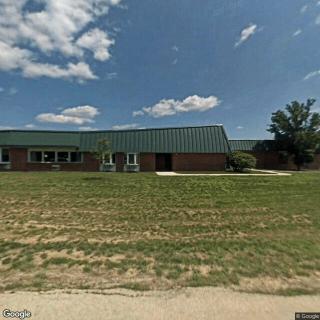





 In-Depth Look at the VA Aid and Attendance Program
 Nurturing Our Loved Ones: A Daughter's Journey in Caring for Her Mother
 Nurturing Our Elders: Linda's Journey of Supporting Her Mother