1800 Wein, Hermann, MO 65041
To contact a resident: (573) 486-3155
For more information about senior living options: (866) 208-4318
Frene Valley Hermann Costs & Pricing
Frene Valley Hermann offers competitive pricing for its residential options when compared to both Warren County and the broader state of Missouri. For a studio, residents will find rates at $2,035, significantly more affordable than the county average of $2,972 and the state average of $3,418. The one-bedroom units range from $2,825 to $3,130, again undercutting the county's average of $3,679 and providing an attractive alternative to the state's typical charge of $3,349. Furthermore, two-bedroom accommodations at Frene Valley Hermann are priced at $3,635, which is lower than both Warren County's rate of $4,218 and aligns closely with Missouri's state average of $3,675. Overall, Frene Valley Hermann stands out as a cost-effective choice in the region while still offering quality living options.
| Floor plans | Frene Valley Hermann | Warren County | Missouri |
|---|---|---|---|
| Studio | $2,035 | $2,972 | $3,418 |
| 1 Bedroom | $2,825 to $3,130 | $3,679 | $3,349 |
| 2 Bedrooms | $3,635 | $4,218 | $3,675 |
Assisted Living communities with a similar price nearby
-
from +$265 / mo
Harbor Place Estates LLC
$2,300 to $2,800 / month17.7 miles away -
from -$185 / mo
Ashbury Heights of Montgomery City
$1,850 / month19.8 miles away -
from +$165 / mo
Bristol Manor of Warrenton
$2,200 to $3,200 / month17.5 miles away
Overall Review of Frene Valley Hermann
Pros
 Free Valley Hermann is a great place to work.
- The staff is very caring and supportive to all residents.
- Employees can make a true difference for others.
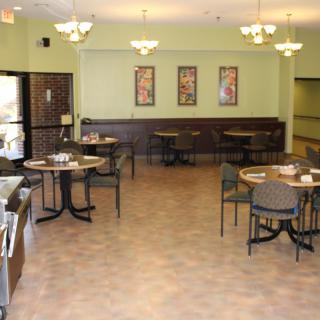
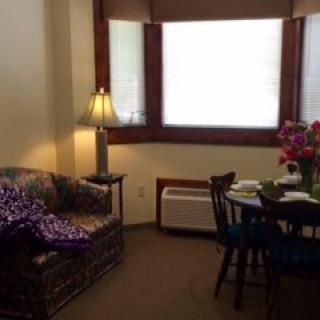
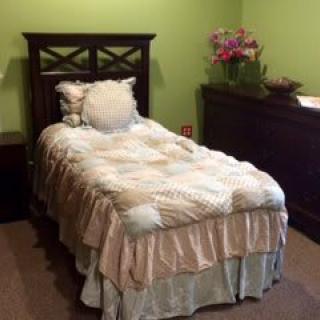
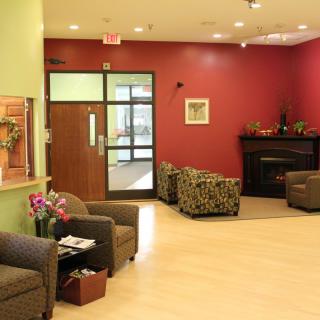
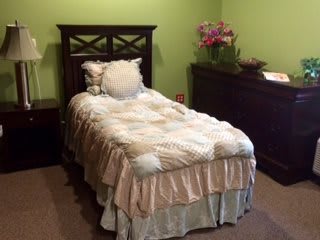
- The place looks good.
- The staff is very friendly and competent, and the assisted living amenities are gorgeous.
- The nurses and staff are wonderful in times of need and provide exceptional care.
- Emergency care is prompt, and the staff are nice and friendly.
- The facility is quiet, clean, and provides good health care.
Cons
 They note that there is not enough help, and residents have to wait a long period of time for simple tasks like the restroom.
- They indicate there isn’t enough help, resulting in long waits for basic assistance.
Review
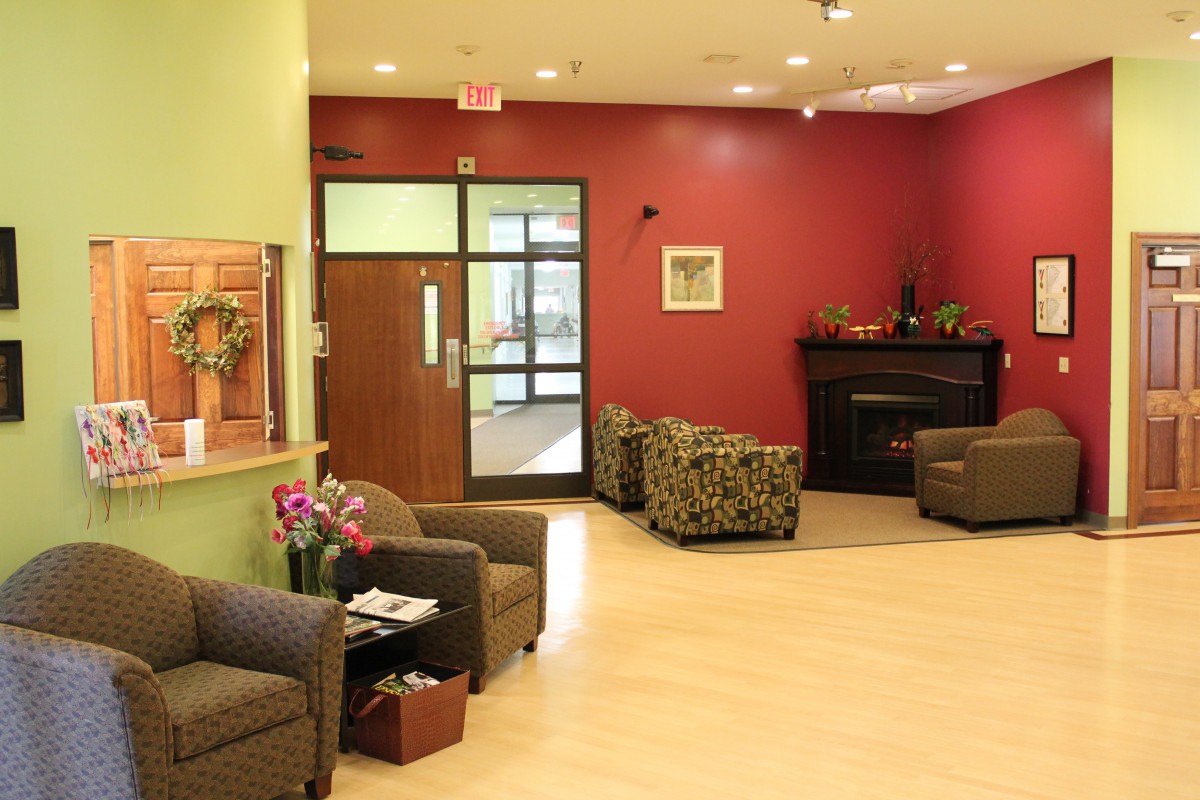
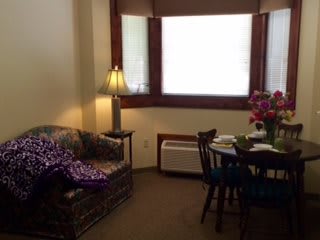
Frene Valley Hermann is best suited for families seeking a warm, stable assisted-living environment that combines attentive, people-first care with a pleasant, well-kept campus. Residents who thrive here tend to value consistent, long-tenured staff, compassionate daily interaction, and a setting that feels like a comfortable home rather than a clinical residence. The community excels when the priority is relational caregiving, a calm atmosphere, and reliable emergency responsiveness, rather than rapid, hospital-like service at every moment.
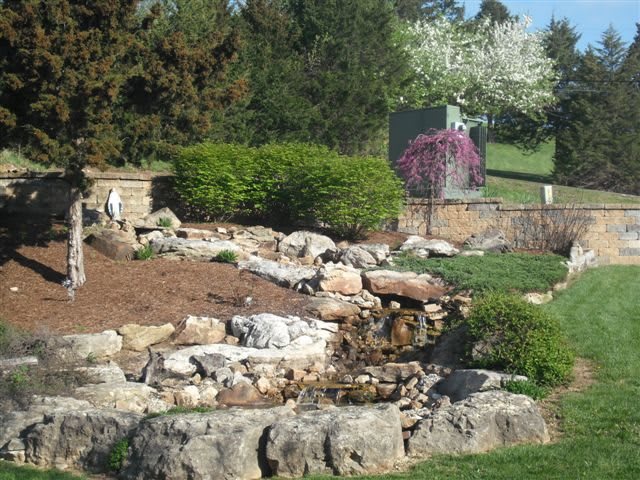
The strongest positives center on people and place. Staff come across as genuinely friendly, competent, and dedicated to residents’ well-being, with multiple mentions of care that feels heartfelt and considerate. The amenities and overall presentation are repeatedly described as attractive and well-maintained, creating an inviting living environment. A sense of stability runs through the reviews, highlighted by a staff culture with decades of experience, one staff member has been there for more than 27 years, suggesting strong continuity and a workforce committed to making a meaningful difference in residents’ lives. Emergency care, when needed, is noted as prompt and professional, which adds a critical layer of security for families.
Yet there is a clear caution in the mix of praise. Several accounts acknowledge that care is reasonably good but identify a meaningful gap in daily assistance: for routine tasks such as help with bathing or using the restroom, residents can experience delays or wait times. This speaks to a staffing dynamic where the team is capable and compassionate, but the sheer pace or staffing levels for ordinary, day-to-day support may not meet every resident’s needs at all hours. In practice, this means the environment may be superb for social engagement and for residents who are mostly independent but can still require occasional help; it is less ideal for those who demand constant, near-immediate assistance for routine activities.
These pros partially offset the cons, but not completely. The unwavering kindness and stability of the staff create trust and reduce anxiety for families, and the attractive setting lowers overall stress for residents who enjoy a serene, home-like atmosphere. The ability to rely on prompt emergency care is a meaningful safeguard, particularly for new or temporarily vulnerable residents. However, the reality of slower responses for ADLs can undercut dignity and independence in daily living moments that most families want to see preserved. In short, the quality of care when emergencies arise is strong; the cadence of routine support can feel uneven, which will matter for some residents more than others.
Families weighing options should consider three core implications. First, if daily independence is a priority and routine help is rare but welcome, this community can deliver a superior quality of life in a nurturing setting. Second, if constant, rapid assistance for everyday tasks is non-negotiable, alternatives with higher staffing ratios or more aggressive ADL support should be explored. Third, those seeking specialized memory-care programming or highly structured clinical oversight should compare against communities that emphasize those services more robustly, as the reviews do not highlight such a niche here.
The practical next move is clear: arrange a visit and observe not only the cheerfulness of staff but their responsiveness during routine moments. Ask for current staff-to-resident ratios, median response times for in-room assistance, and how the team handles peak periods. Speak with current residents or family members about daily routines, and request a few days’ worth of concrete examples, times when help was readily available and times when delays occurred. If the balance of a warm, stable culture with strong emergency care aligns with priorities, Frene Valley Hermann stands out as a compelling option; if immediate ADL support is non-negotiable daily, families should widen the search to alternatives with more aggressive staffing models.
 Assisted Living
 Activities off-site
 Bath tubs
 Beautician on-site
 Devotional services on-site
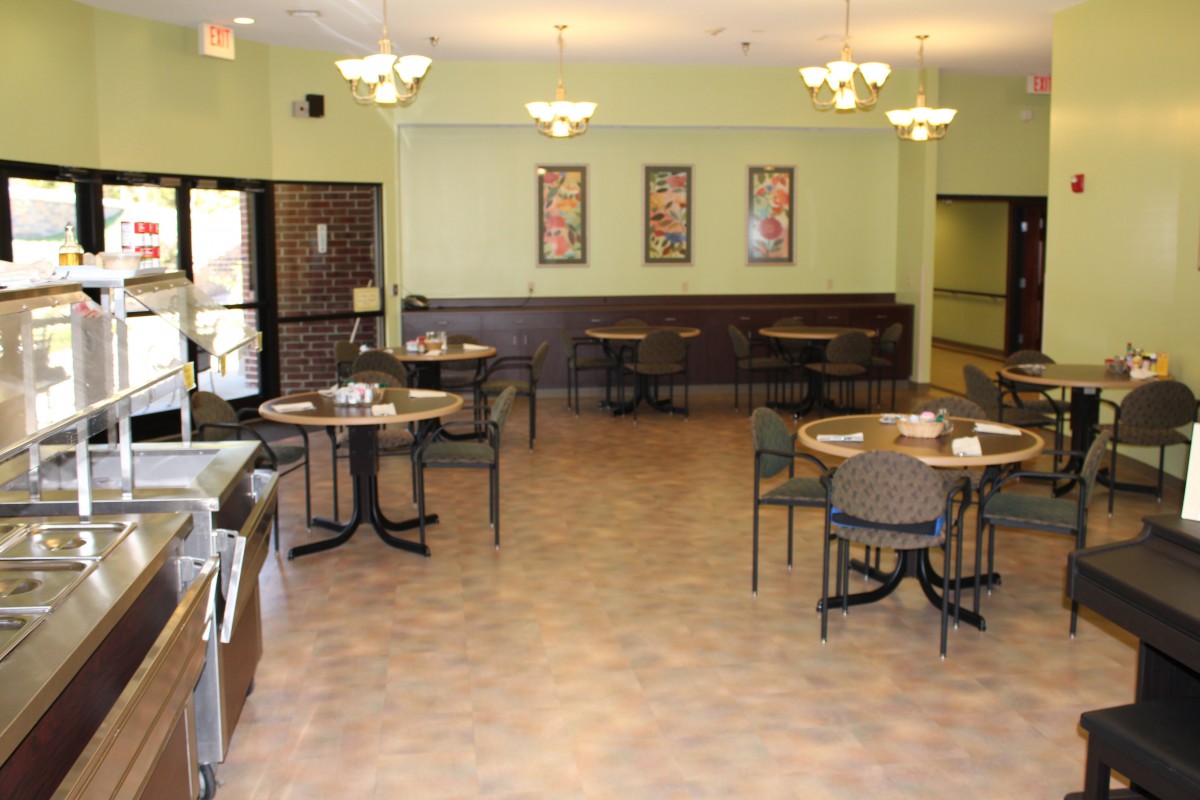
 Indoor common areas
 Outdoor common areas
 Respite or short term stays offered
 Wheelchair accessible showers
 Diabetic care
 High acuity care
 Incontinence care
 Kosher




 Assisted Living Expenses and Long-Term Care Insurance: A Comprehensive Exploration
 Securing Financial Support for Assisted Living: A Comprehensive Overview
 Social Security Benefits and Assisted Living: Navigating Options Across the U.S.