

705 Grand Canyon Drive, Farmington, MO 63640
For more information about senior living options: (866) 208-4318
Overall Review of Camelot Nursing And Rehabilitation Center
Pros
 The two aides are wonderful people who promptly answer call lights and take good care of patients.
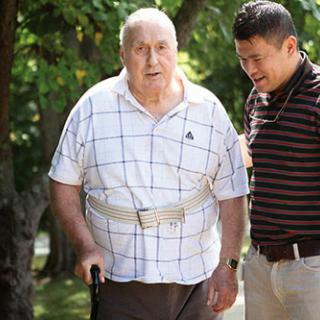
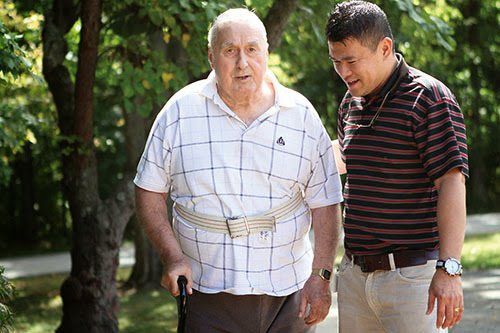
- The therapists have made great strides in helping the grandmother walk again and are among the nicest people.
- The day nurse is excellent at her job and truly cares about patients.
- The food is better than one might expect, with the option for patients to eat in their rooms.
- Camelot is a great nursing center and can be trusted to take care of loved ones.
Cons
 The facility smelled of urine and feces upon entry.
- It seemed small and confining for the residents.
- There were few workers or nurses around.
- Residents had little to do beyond staying in their rooms or near a bird cage by the front doors.
- The televisions in the rooms were cheap and small.
- The home did not seem to care for anyone there.
- The reviewer would not place a loved one there again.
Review
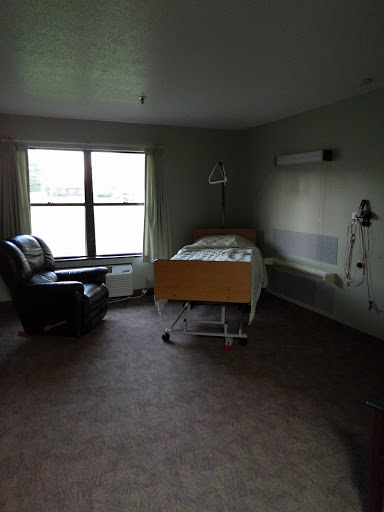
Camelot Nursing and Rehabilitation Center in Farmington, MO thrives as a targeted rehab option, best suited for families pursuing orthopedic recovery with a strong, hands-on therapy team. The Orthopedic Recovery wing offers decently sized, clean rooms and a setup where therapy staff and daily nursing care are physically clustered for easy access. For families that value observable progress in mobility, and want caregivers who respond promptly to call lights, this community presents a practical, goal-oriented environment. The proximity of therapy services on the same hall and the option to keep loved ones comfortable by dining in-room further anchor its suitability for short-term post-surgical rehabilitation.
The standout positives center on staffing attentiveness and rehab effectiveness. The wing’s two aides are described as wonderful, with prompt call-light response that preserves a resident’s sense of security and dignity. Therapists are not only skilled but genuinely personable, contributing to real strides in walking and functional independence. A day nurse is praised for competence and genuine care, which matters greatly in daily oversight and timely intervention. Even the food program earns mentions of being better than expected, with a practical in-room dining option that supports autonomy during recovery. Taken together, these factors create a rehabilitative atmosphere where progress feels plausible and supported.
Nevertheless, the negative impressions from the second reviewer cannot be dismissed. Entrance odor and evidence of cleanliness lapses, urine and feces reported in the lobby area, cast a troubling first impression and raise questions about overall odor control and housekeeping rigor. The facility is described as small and confining, with a sense that staff presence in common areas is limited. Beyond the wards, activity options appear sparse, with little for residents to do beyond room time or passive moments by a front-area bird cage. Perceived understaffing in non-clinic areas and a sense that the home does not consistently convey warmth or attention to daily life further complicate the overall experience.
The key tension to weigh is whether the rehab-focused strengths can compensate for the environmental and social drawbacks. For families prioritizing mobility and post-acute recovery, the combination of effective therapy, attentive day staff, and in-room dining can overcome many day-to-day irritants. The therapy department’s proximity, combined with a proactive nursing presence, can translate into faster, more reliable progress and safer discharge planning. However, for long stays or for residents who crave a richer social life, more robust housekeeping standards, and a consistently bustling community, the negatives may erode comfort and satisfaction over time. In other words, the rehab upside is compelling enough to consider Camelot, but only if ambient quality of life and daily engagement are secondary to clinical recovery.
Alternatives should be considered by those who weigh social vitality and overall living experience as equally important as clinical outcomes. Families who want a facility with a visibly vibrant activity calendar, frequent staff presence in common spaces, and stronger odor management will likely prefer other options. Memory-care needs or residents requiring higher levels of ongoing engagement outside therapy sessions may also merit looking at communities with more extensive programming, clearer daily schedules, and more generous common-area staffing. In short, Camelot makes sense for short-term orthopedic rehab with a dependable rehab team, but its appeal diminishes for longer stays where comfort, sociability, and environmental quality take center stage.
Final guidance: for a family focused on restoring mobility efficiently, Camelot can be a solid choice given clean rooms in the orthopedic wing, responsive aides, and a therapy team that delivers real progress. The crucial caveat is to verify daily operations beyond the rehab suite, inspect housekeeping standards, observe common-area staffing, and scrutinize activity programming during a tour. Ask how odor issues are addressed, what the average staffing pattern looks like on evenings and weekends, and what the dining and social options are for non-rehabilitation days. If these cues align with expectations, Camelot stands as a practical, no-nonsense path to rehab goals; if they don’t, alternatives with stronger daily life programming and a more consistently fresh environment should be pursued.
 97 resident community capacity
 Skilled Nursing Facility
 Air-conditioning
 Beauty salon
 Cable or satellite TV
 Computer center
 Dining room
 Fitness room
 Fully furnished
 Gaming room
 Garden
 Housekeeping services
 Kitchenette
 Move-in coordination
 Outdoor space
 Private bathrooms
 Restaurant-style dining
 Small library
 Telephone
 Wellness center
 Wi-Fi/high-speed internet available
 Community operated transportation
 24-hour call system
 Activities of daily living assistance
 Assistance with bathing
 Assistance with dressing
 Assistance with transfers
 Diabetes diet
 Medication management
 Special dietary restrictions
 Concierge services
 Planned day trips

 Skilled Nursing Facilities vs. Nursing Homes: Making Sense of the Differences
 A Detailed Examination of Nursing Home Costs Across the U.S.
 Exploring Nonmedical Home Care: Understanding Services, Costs, and Financial Approaches