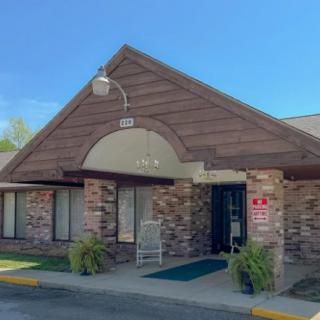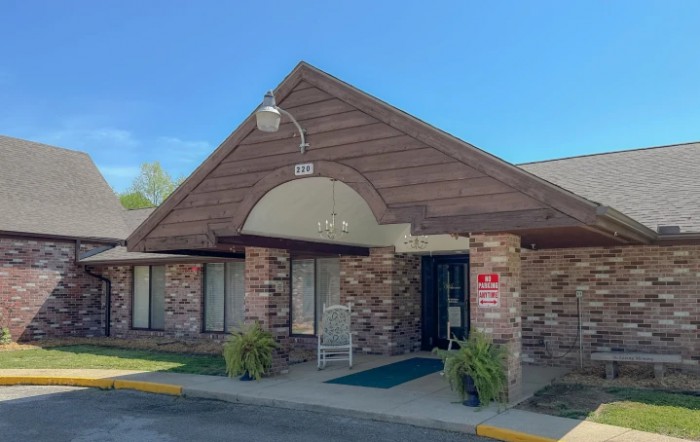
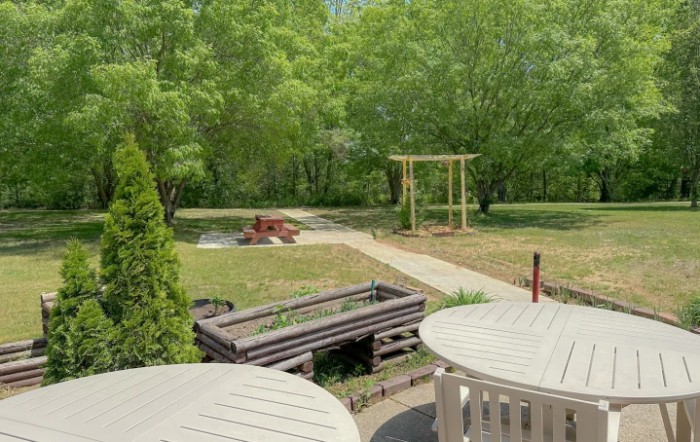
220 Euel Polk Drive, Ellington, MO 63638
For more information about senior living options: (866) 208-4318
Overall Review of Brent B Tinnin Manor
Pros
 It is a great place to work.
- Residents are taken care of and loved like family.
- It is a very good establishment.
- It is highly recommended.
Review
Brent B Tinnin Manor in Ellington, MO is best suited for families seeking a home-like, emotionally attentive living arrangement where residents are cared for with warmth and treated like family. This community appears to reward relationship-driven care, with staff described as taking residents “care of” and loved in a way that resembles a family setting. It is a strong fit for seniors who prioritize daily interactions, personalized attention, and a warm atmosphere over clinical polish or highly structured rehab programs. In short, it serves best those who value human connection and steady, compassionate caregiving as the core of daily life.
There are clear reasons to consider alternatives as well. Facilities that emphasize medical oversight, dementia-specific programming, or intensive rehabilitation services may better match needs for robust clinical intervention or more specialized care. Families seeking highly transparent operations, more expansive activity calendars, or higher consistency across multiple shifts may find it useful to compare options with those that publish more detailed staffing data and policy clarity. The presence of a mixed rating , including a low score among reviews , underscores the importance of a firsthand visit to verify fit and confirm that the home-like environment translates into reliable day-to-day care.
The strongest positives center on relational care and morale. The sentiment that residents are cared for and loved like family points to a staff culture oriented toward personal attention, rapport, and emotional well-being. A facility described as a “very good establishment” and one that earns “highly recommended” from at least one reviewer signals a level of pride in performance and consistency that families often equate with dependable routines, respectful treatment, and steady caregiver engagement. Those elements can meaningfully offset concerns about anonymity in larger, impersonal setups by delivering concrete, daily reassurance that someone is looking out for a resident’s comfort and happiness.
Yet the single low rating introduces a necessary caution. Without full context, the negative feedback invites scrutiny about potential inconsistencies, gaps in communication, or elements of service that may not meet every family’s expectations. The limited number of reviews means a visitor should not rely on a single perspective to judge the overall quality. The best use of this signal is to approach a tour with a clear set of questions about consistency of caregiving, responsiveness, and residents’ qualitative experiences, ensuring that the warmth described by one audience member translates into a uniform day-to-day reality.
For decision-making, prospective families should verify practical details during a visit: ask about staff-to-resident ratios across shifts, how care plans are developed and updated, and who supervises daily operations. Inquire about daily life specifics, meal quality and options, scheduled activities, transportation support, and safety measures that touch on mobility and fall prevention. Engaging directly with current residents and their families yields a candid read on consistency, responsiveness, and whether the home-like atmosphere holds steady through weekends and holidays. Also obtain a clear, itemized understanding of costs, what is included, and what constitutes additional charges.
Bottom line: Brent B Tinnin Manor presents a compelling option for families prioritizing a warm, person-centered environment where caregivers demonstrate genuine affection and professional pride. It is not a universal fit, however, and the limited public feedback warrants a thorough in-person evaluation and comparison with nearby communities that can offer more transparent staffing data and broader clinical services. A decision should hinge on whether the resident’s daily happiness and emotional security trump the need for more formal medical oversight, or whether those needs point toward alternatives with stronger clinical programming. The prudent path is a structured visit plan, targeted questions, and side-by-side evaluations to determine if this manor can truly become the resident’s best daily living environment.
 60 resident community capacity
 Skilled Nursing Facility
 Air-conditioning
 Beauty salon
 Cable or satellite TV
 Computer center
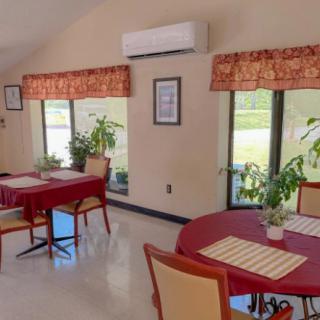
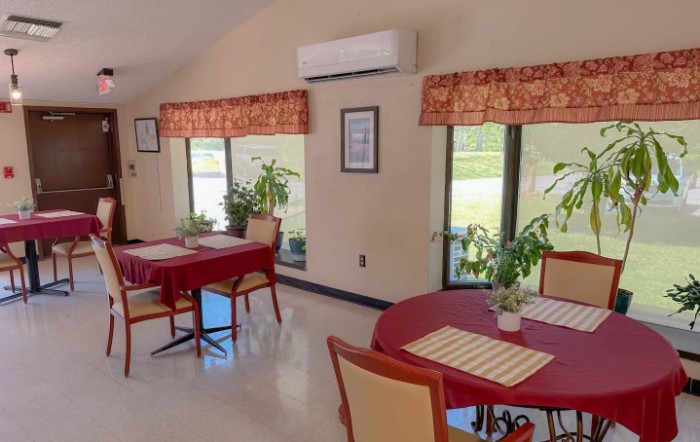
 Dining room
 Fitness room
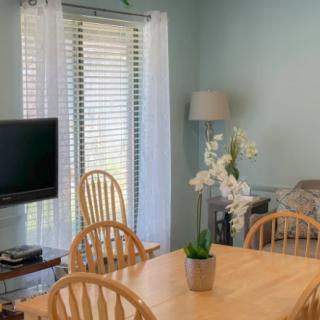
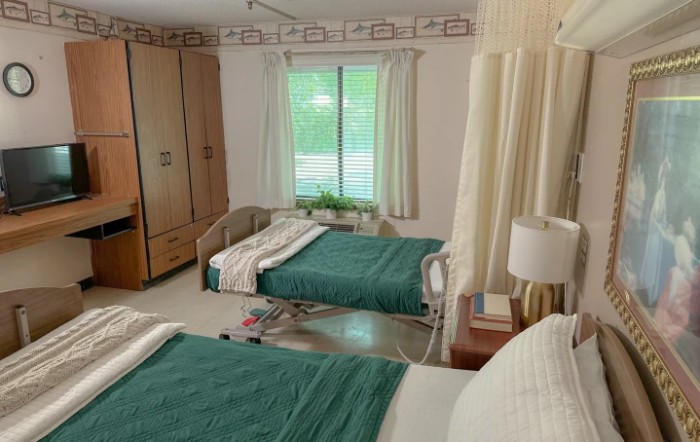
 Fully furnished
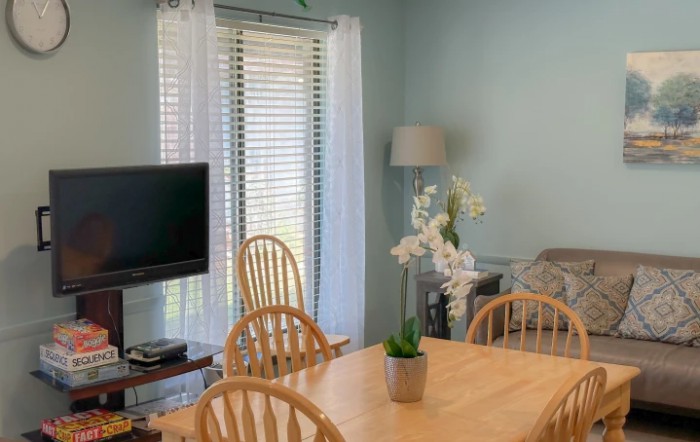
 Gaming room
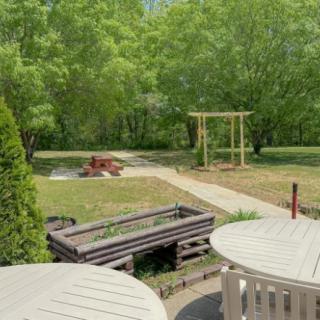
 Garden
 Housekeeping services
 Kitchenette
 Move-in coordination
 Outdoor space
 Private bathrooms
 Restaurant-style dining
 Small library
 Telephone
 Wellness center
 Wi-Fi/high-speed internet available
 Community operated transportation
 24-hour call system
 Activities of daily living assistance
 Assistance with bathing
 Assistance with dressing
 Assistance with transfers
 Diabetes diet
 Medication management
 Special dietary restrictions
 Concierge services
 Planned day trips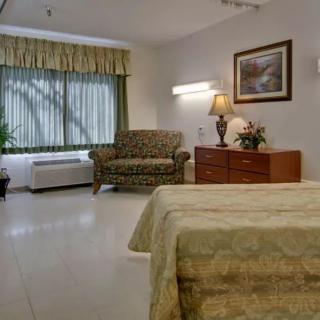



 Comprehensive Guide to Medicare Coverage for Hospice Care
 Caring for Those Who Care: Recognizing, Understanding, and Overcoming Caregiver Burnout
 Caregiver Exhaustion: Recognizing the Signs and Restoring Your Well-Being