
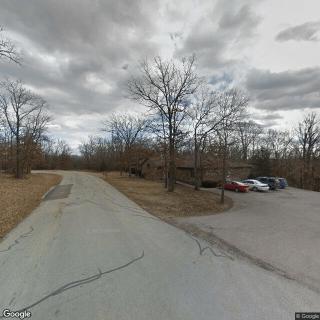
1801 North Gaines Drive, Clinton, MO 64735
For more information about senior living options: (866) 208-4318
Overall Review of Westwood Living Center
Pros
 The facility is absolutely the best, with staff who are great with his dad.
- They really care for the moms and dads living there.
- The dad enjoyed his time there and had a great rapport with the staff.
- The family believed he might get better and walk out of there.
- He looked and felt better during his stay.
- Westwood is highly regarded for the care the father received.
Cons
 Nobody wants to go to a nursing home.
Review
Westwood Living Center in Clinton, Missouri, is best suited for families seeking a warm, caregiver-centered environment where an aging loved one benefits from daily assistance, meaningful social engagement, and a consistent emphasis on dignity and comfort. The community earns high marks for staff who genuinely connect with residents, with families reporting their loved ones are treated with patience, respect, and personal attention. The testimonials consistently describe improvements in mood, appearance, and overall well-being, suggesting this setting can meaningfully elevate quality of life for residents who are relatively stable but need help with routine tasks, mobility support, and daily structure. Even at end of life, the environment is portrayed as peaceful and compassionate, offering solace to families during difficult transitions.
Those evaluating alternatives should consider where needs outpace what Westwood is designed to deliver. For seniors requiring high-acuity medical care, aggressive wound management, ventilator support, or extensive therapy programs, a facility with a tighter clinical focus may be more appropriate. Families seeking highly specialized memory-care programs, structured programming for severe dementia, or a medical model with around-the-clock physician oversight may find options elsewhere that align more closely with those demands. Likewise, if independence or a very active, highly structured rehabilitation schedule is a priority, a larger community with broader on-site services could be a better fit. In short, Westwood shines for steady, daily-support needs and personal, attentive care, while more medicalized or specialized settings may suit heavier care requirements.
The strongest pros are precisely what families hope to find in a caring home: attentive, compassionate staff who take time to know residents, and a culture that treats elders with warmth and respect. Families repeatedly note that staff “really care,” creating an atmosphere where residents look and feel better, and where conversations with caregivers feel personal rather than clinical. The appeal lies in consistent, hands-on assistance, help with activities of daily living, companionship, and careful monitoring of wellbeing, that translates into tangible improvements in mood and daily functioning. This is not a sterile, transactional environment; it feels anchored in relationships, with residents experiencing steady engagement and a sense of belonging. For families, that relational steadiness often translates into real peace of mind.
The absence of explicit drawbacks in the available feedback should be read as a signal of solid performance rather than a blank slate. No major safety or staffing red flags surface in the impressions shared, and the end-of-life experience described as peaceful indicates a strength in compassionate, patient-centered care. That said, potential families should remain mindful of scope: the lack of critique does not automatically equate to perfection for every resident. Pros offset the main considerations when the care lens matches the resident’s needs, Westwood’s strengths in daily support, dignity, and emotional warmth offset the limits of a setting that may not provide the highest level of medical intervention or specialized dementia programming expected in more clinical or memory-focused facilities.
For families weighing a visit or transition, approach Westwood with a practical checklist. Inquire about staffing ratios and how consistent caregivers are assigned to residents, because stable relationships with aides and nurses often underpin the positive experiences described. Ask to review daily routines, activity calendars, and how care plans are developed and updated, ensuring personal histories, preferences, and goals are reflected in day-to-day care. Request information on rehabilitation services, therapy availability, and how respite or end-of-life planning is handled. Finally, observe a tour with attention to how residents socialize, respond to staff, and engage in activities, looking for signs that the environment sustains vitality and dignity.
Bottom line: Westwood Living Center is a strong fit for families who want a compassionate, resident-focused environment where daily living is supported with kindness, attentiveness, and a sense of companionship. It stands out for turning care moments into meaningful interactions, and for promoting a stable, improved quality of life for residents who don’t require aggressive medical interventions. Those whose loved ones need very high medical acuity or highly specialized memory care should compare other options to ensure the chosen setting meets those specific requirements. For eligible seniors and their families, Westwood offers a practical, dependable path that prioritizes comfort, connection, and a peaceful approach to aging in place. Arrange a tour and concrete questions to confirm alignment with the specific care trajectory desired.
 120 resident community capacity
 Skilled Nursing Facility
 Air-conditioning
 Beauty salon
 Cable or satellite TV
 Computer center
 Dining room
 Fitness room
 Fully furnished
 Gaming room
 Garden
 Housekeeping services
 Kitchenette
 Move-in coordination
 Outdoor space
 Private bathrooms
 Restaurant-style dining
 Small library
 Telephone
 Wellness center
 Wi-Fi/high-speed internet available
 Community operated transportation
 24-hour call system
 Activities of daily living assistance
 Assistance with bathing
 Assistance with dressing
 Assistance with transfers
 Diabetes diet
 Medication management
 Special dietary restrictions
 Concierge services
 Planned day trips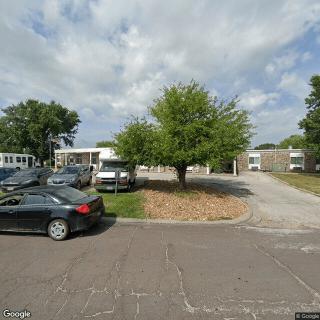

 Understanding Hospice Care at Home: Comprehensive Services, Key Benefits, and Eligibility
 Understanding the Full Cost of 24/7 In-Home Care: A Detailed Overview
 Exploring the World of Home Health Nurses: Qualifications, Roles, and Hiring Tips