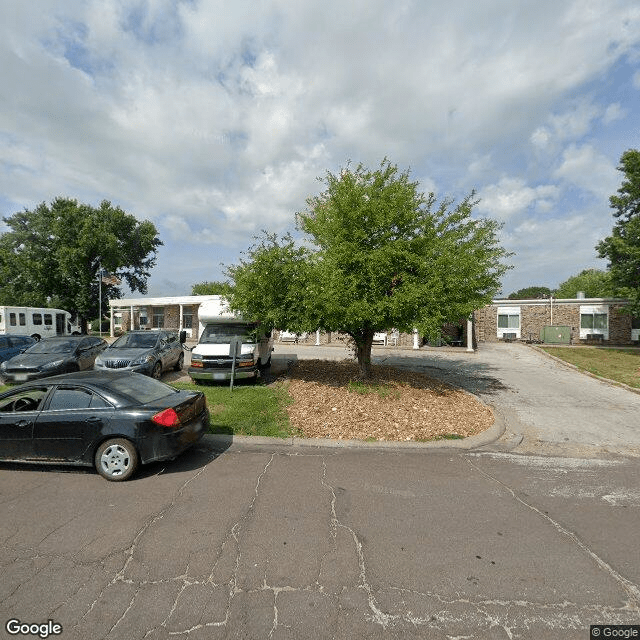
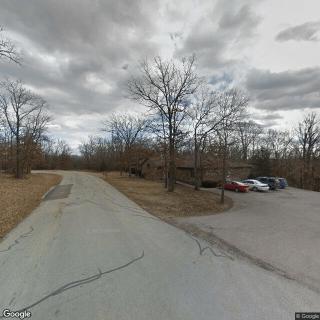
1801 Gaines Drive, Clinton, MO 64735
To contact a resident: (660) 885-8196
For more information about senior living options: (866) 208-4318
Golden LivingCenter - Westwood Costs & Pricing
Golden LivingCenter - Westwood offers competitive pricing for its long-term care services, particularly in comparison to the broader market. For a semi-private room, residents would incur a monthly cost of $3,436, which is slightly lower than the average rate in Henry County at $3,469 and significantly more affordable than the state average of $3,772. Those opting for a private room will find that Golden LivingCenter - Westwood charges $3,807 per month - again below both the county and state averages of $4,079 and $4,483 respectively. This positioning not only underscores the center's commitment to providing value but also highlights its focus on delivering quality care within a financially accessible framework for families seeking options in long-term healthcare settings.
| Floor plans | Golden LivingCenter - Westwood | Henry County | Missouri |
|---|---|---|---|
| Semi-Private | $3,436 | $3,469 | $3,772 |
| Private | $3,807 | $4,079 | $4,483 |
Overall Review of Golden LivingCenter - Westwood
Pros
 The facility is regarded as absolutely the best, with staff who are great with residents.
- The staff truly care for the moms and dads living there.
- The dad enjoyed his time there and had a positive connection with the staff.
- He looked and felt better during his stay.
- Westwood receives high praise for the quality of care provided to residents and their families.
Cons
 Nobody wants to go to a nursing home.
Review
Golden LivingCenter - Westwood in Clinton, MO is best suited for families seeking a highly personal, compassionate skilled-nursing environment where an elderly loved one benefits from steady, relationship-driven care. The community stands out for staff who know residents well, engage them meaningfully, and respond with tangible warmth. It is especially appropriate for seniors who require daily assistance with activities of daily living and who value a setting where comfort and dignity are prioritized over sheer clinical throughput. The feedback suggests a tone of stability and steady improvement in well-being, rather than abrupt transitions or impersonal routines. For families that want a home-like atmosphere where caregivers form ongoing bonds with residents, Westwood presents itself as a strong match.
Those who may want to consider alternatives are families whose priorities lie in aggressive rehabilitation, highly specialized memory-care programming beyond standard skilled-nursing, or a broader spectrum of on-site amenities and social programming. If the plan centers on intensive therapies, frequent programmatic variety, or highly structured activity schedules, a different community with a deeper focus on those elements could be a better fit. Similarly, if the decision hinges on ultra-robust medical oversight or access to a wider array of specialty services at all hours, it may be prudent to explore options with a deeper clinical footprint.
The strongest advantages rest in the day-to-day care culture: caring, attentive staff who build rapport with residents, and a consistent presence that translates into visible improvements in comfort and mood. Families repeatedly note how well their loved ones are treated, with staff who engage in conversation, provide companionship, and create moments that feel genuine rather than transactional. The ability of caregivers to make an elderly person look and feel better, sometimes dramatically so, addresses a core concern families harbor about nursing facilities: whether a setting will keep a loved one engaged, comfortable, and dignified. When such warmth and continuity are present, the risk of resident isolation, neglect, or frustration diminishes correspondingly.
End-of-life care emerges as a particularly meaningful strength. One family describes their loved one passing peacefully and comfortably in their sleep, with caregivers who clearly honored dignity in the final chapter. Another note emphasizes that the resident remained engaged and content up to the end, which speaks to a culture that prioritizes comfort, respectful presence, and a relatively gentle transition. These outcomes, apparent daily improvements in vitality and mood, paired with compassionate, patient-centered support at the end of life, help offset the generic drawbacks often associated with long-term care settings, such as perceived impersonality or routine fatigue among staff.
For families evaluating options, a practical lens is warranted. Inquire about caregiver stability and turnover, since long-tenured staff often underpins the kind of meaningful interactions described in these impressions. Ask how residents’ daily routines are individualized, how family members are kept informed of changes, and what plans exist for ongoing comfort, pain management, and discharge-to-home decisions when appropriate. The facility’s strength lies in its people, their willingness to connect, their responsiveness, and their commitment to the resident’s overall well-being, so questions should center on whether that relational approach will continue to align with the specific needs and expectations of the loved one.
In sum, Golden LivingCenter - Westwood delivers a practical, validated value for families prioritizing warmth, steady caretaking, and dignified living in daily life and at the end of life. It functions best for seniors who thrive on consistent caregiver relationships and who place a premium on comfort and mood stability. If those are the anchors of the decision, this community stands out as a prudent choice. If the decision centers on aggressive rehab, highly specialized memory care, or a broader amenity mix, alternatives should be explored with that emphasis in mind. The evidence suggests confident, steady care that can ease both resident and family fear about aging in place.
 Skilled Nursing Facility
 Cats allowed
 Dogs allowed
 Private

 Comprehensive Guide to Qualifying for Home Health Care Services
 Powerful Realities of Elder Abuse and the Most Effective Ways to Report It
 Ten Vital Duties of a Senior Caregiver: A Comprehensive Guide